Ask ten film buffs to name the greatest actor who ever lived and you’ll probably get ten different answers, along with a few heated opinions about why everyone else is wrong. Curious what an AI trained on decades of film criticism, award records, and cultural commentary would say, I posed the question directly to ChatGPT. The prompt was simple: name the six greatest actors of all time and explain why.
What came back wasn’t a predictable list of the usual suspects, though a few legends did make the cut. There was a genuine mix of eras, nationalities, and acting styles, plus at least one name that made me pause and think, wait, really? Here’s how the conversation played out, along with some context on why each pick actually holds up.
Marlon Brando Tops the List, and the Reasoning Checks Out

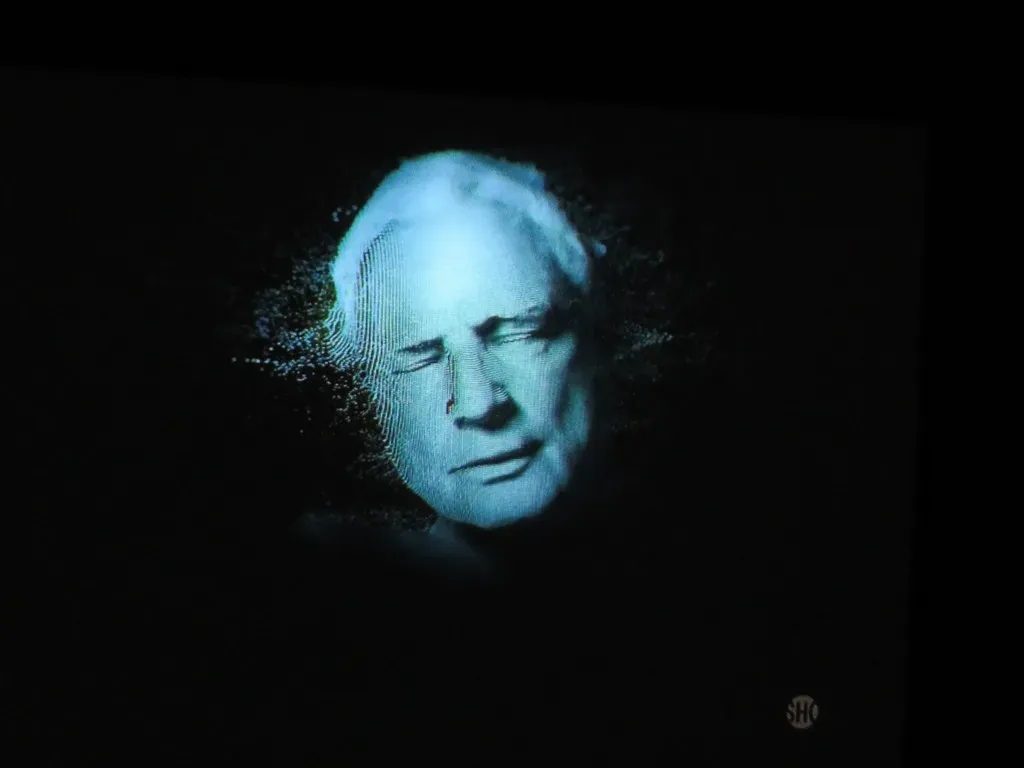
ChatGPT opened with Marlon Brando, and honestly, it’s hard to argue against him as a starting point. Brando is widely credited with bringing method acting into the mainstream of American cinema, most famously in A Streetcar Named Desire and later in On the Waterfront, for which he won his first Academy Award for Best Actor. His mumbling, raw, unpredictable style influenced nearly every serious dramatic actor who came after him, from Al Pacino to Sean Penn.
The second Oscar came decades later for his role as Vito Corleone in The Godfather, a performance he reportedly built using cotton balls in his cheeks to change the shape of his face. That kind of physical transformation combined with emotional restraint became something of a blueprint for character work in Hollywood. Even his later, more erratic career choices don’t erase the impact of those early performances on how acting itself is taught and discussed today.
Meryl Streep Earns Her Spot Through Sheer Volume and Range

Next on the list was Meryl Streep, and the justification here leaned heavily on statistics rather than vibes. Streep holds the record for the most Academy Award nominations for acting in history, with twenty one nominations and three wins, for Kramer vs. Kramer, Sophie’s Choice, and The Iron Lady. That kind of consistency across five decades of filmmaking is nearly impossible to find elsewhere in the industry.
What makes Streep’s inclusion feel earned rather than automatic is the sheer range on display, from the tragic intensity of Sophie’s Choice to the comedic sharpness of The Devil Wears Prada. She’s played real historical figures, fictional villains, and everyday mothers with equal conviction, often disappearing so fully into accents and mannerisms that audiences forget they’re watching the same actress. Few careers demonstrate that kind of longevity without a noticeable dip in quality.
Daniel Day-Lewis Gets Credit for Total Commitment

The third name, Daniel Day-Lewis, is where ChatGPT’s answer started leaning into more specific, almost obsessive detail. Day-Lewis is the only actor in history to win three Best Actor Oscars, for My Left Foot, There Will Be Blood, and Lincoln. What sets him apart isn’t just the wins themselves but the reputation he built around total immersion, staying in character for months, learning period-accurate skills, and living in conditions that matched his roles.
His performance as oil tycoon Daniel Plainview in There Will Be Blood is frequently cited by critics and actors alike as one of the finest pieces of screen acting ever captured. Day-Lewis also announced his retirement from acting in 2017, which in some ways cements his legacy since there’s no risk of a lesser film diluting the body of work. Scarcity, in his case, seems to have only strengthened the reputation.
Denzel Washington Represents Modern Leading Man Excellence

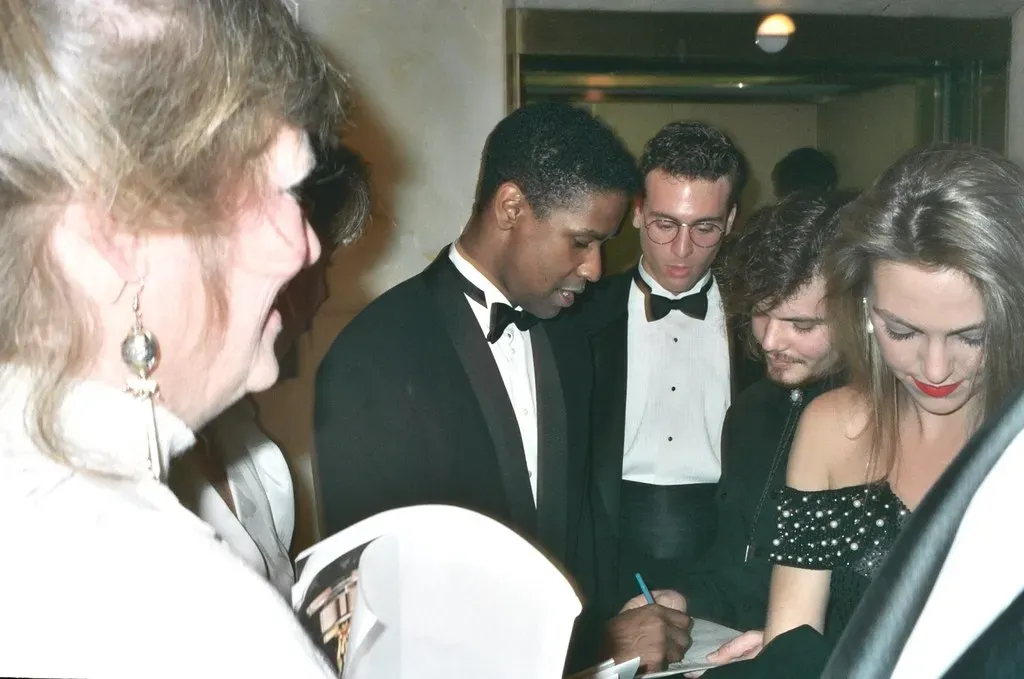
ChatGPT’s fourth pick was Denzel Washington, and this is where the list started to feel less like a history lesson and more like a genuine argument. Washington has won two Academy Awards, one for Best Supporting Actor in Glory and one for Best Actor in Training Day, along with multiple additional nominations spanning several decades. He’s managed something fairly rare in Hollywood: consistent box office draw combined with critical respect, without leaning on gimmicks or shock value.
His filmography spans historical dramas like Malcolm X, morally complex thrillers like Training Day, and prestige projects like Fences, which he also directed. There’s a magnetism to Washington’s screen presence that critics often describe as effortless, though anyone who’s watched his interviews knows the craft behind it is anything but casual. He remains one of the few actors from his generation whose new releases still generate serious award season buzz.
Katharine Hepburn Holds a Record That Still Stands

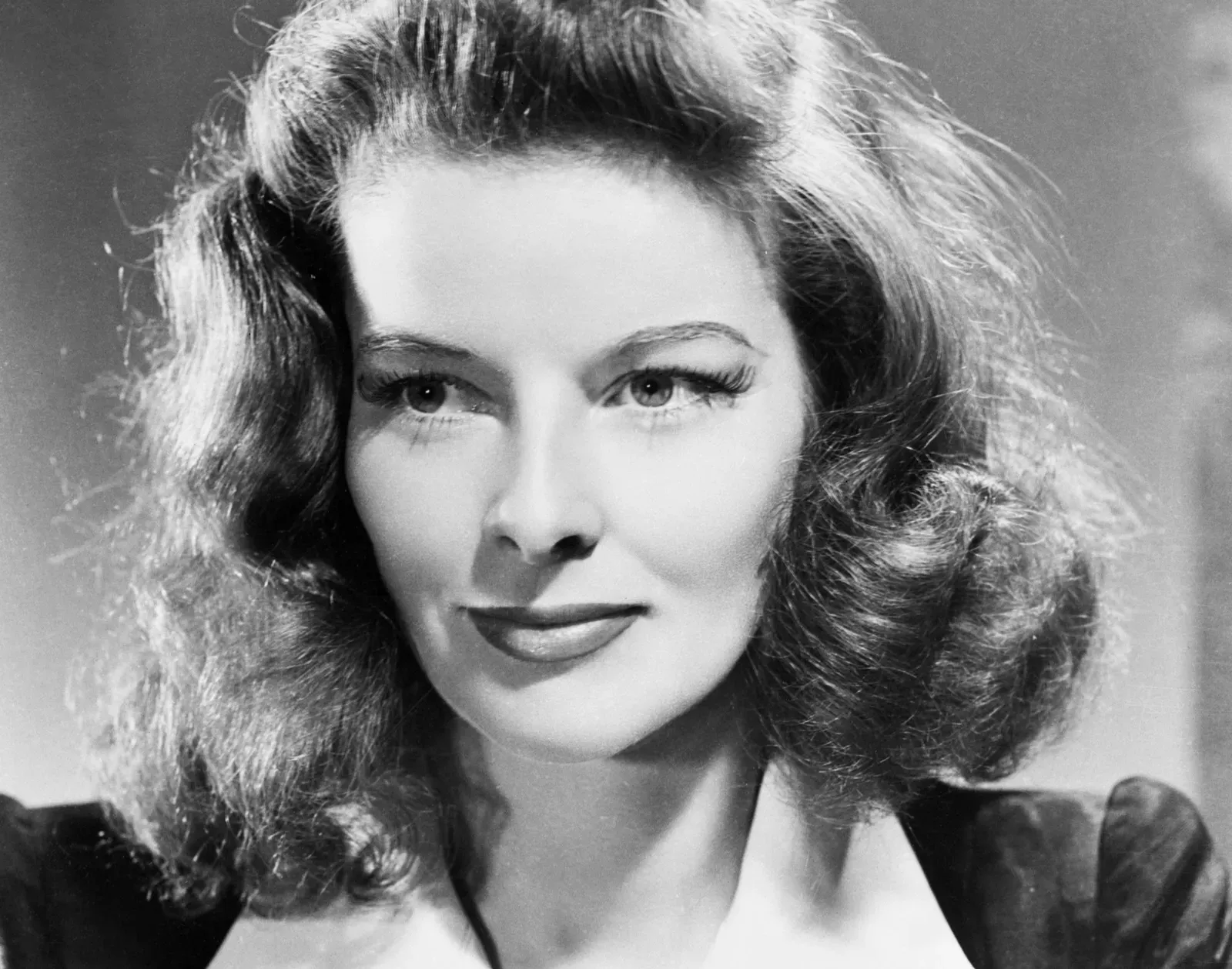
The fifth name might be the one that surprises younger movie fans the most: Katharine Hepburn. Hepburn holds the record for the most Best Actress wins in Academy Award history, with four total, for Morning Glory, Guess Who’s Coming to Dinner, The Lion in Winter, and On Golden Pond. That record has stood for decades and shows no sign of being broken anytime soon, given how spread out modern acting recognition tends to be across a wider pool of nominees.
Beyond the statistics, Hepburn was known for playing sharp, independent, often headstrong women at a time when Hollywood scripts rarely offered such roles. Her real life partnership and on screen chemistry with Spencer Tracy produced several classics that still hold up as some of the best romantic comedies and dramas of the studio era. For a lot of casual viewers, she’s a name recognized more than actually watched, which makes her inclusion here a useful reminder of just how influential her career really was.
Toshiro Mifune Is the Genuine Surprise Pick

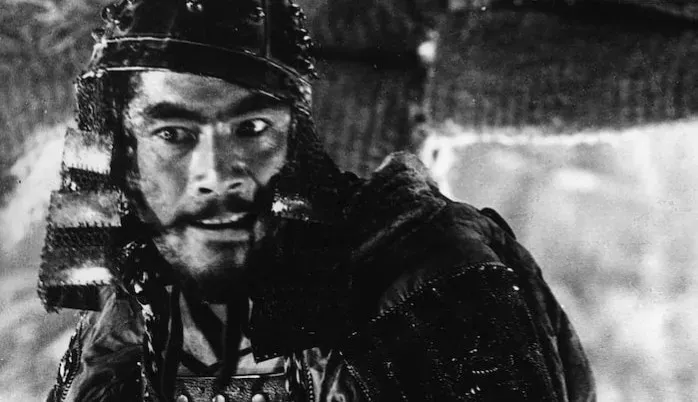
The sixth and final name is where the list truly broke from convention: Toshiro Mifune. Mifune was the longtime collaborator of director Akira Kurosawa, starring in landmark films including Seven Samurai, Rashomon, and Yojimbo. His intensity and physicality helped define an entire era of Japanese cinema and quietly influenced Western filmmakers for generations, including George Lucas, who has cited Kurosawa’s samurai films as an inspiration for Star Wars.
Including Mifune on a list dominated by American and European names is a deliberate nod toward global cinema rather than a narrow, English language view of acting greatness. His performances relied heavily on physical expression and controlled ferocity, often communicating more through posture and eye movement than dialogue. For movie fans who’ve only watched Hollywood productions, Mifune’s inclusion is a solid invitation to explore a body of work that shaped filmmaking well beyond Japan’s borders.