Ask most artists what they want in a collaborator and you’ll get a polished answer. Someone with a unique voice. Someone open to experimentation. Someone who shows up prepared. All true, all reasonable. Yet the real checklist – the one that actually shapes decisions – tends to stay unspoken.
Collaborative creation activates different psychological processes than solo artistic work, requiring artists to balance individual creative vision with collective decision-making and compromise. That balancing act is where the honest, unglamorous preferences reveal themselves. The traits artists quietly screen for don’t always map onto the things they say out loud.
1. Emotional Fluency That Doesn’t Demand Attention

Key mechanisms that support collaborative creativity in music ensembles include flexible and persistent idea generation, musical imagination, communication, and empathetic attunement. Of all those, empathetic attunement is the one artists rarely name directly. What they actually want is someone who can read the emotional temperature of a session without requiring someone else to explain it to them.
There’s a real difference between emotional openness and emotional neediness. Successful collaborators develop communication skills that allow them to articulate artistic concepts clearly while remaining receptive to alternative approaches and suggestions from their partners. That receptiveness only works if someone isn’t so caught up in their own internal weather that they can’t sense when the other person needs space to think.
2. Willingness to Abandon Their Own Good Ideas

There needs to be a shared sense of fluidity in the playing, a willingness to bend and change your mind in the moment of performance, to leave some of your agenda at home. That phrase – leave some of your agenda at home – is doing a lot of work. Artists will respect someone’s strong ideas, but they need to know those ideas won’t become a wall when the project takes a different shape.
The creative tension inherent in collaborative relationships often produces more innovative outcomes than individual efforts, as artists push beyond their comfort zones to accommodate and respond to their collaborators’ contributions. This creative friction can generate unexpected artistic solutions and novel approaches to familiar challenges. The tension only stays generative, though, when both parties are genuinely willing to let go of what they walked in with.
3. A Sense of Complementary Difference, Not Just Similarity

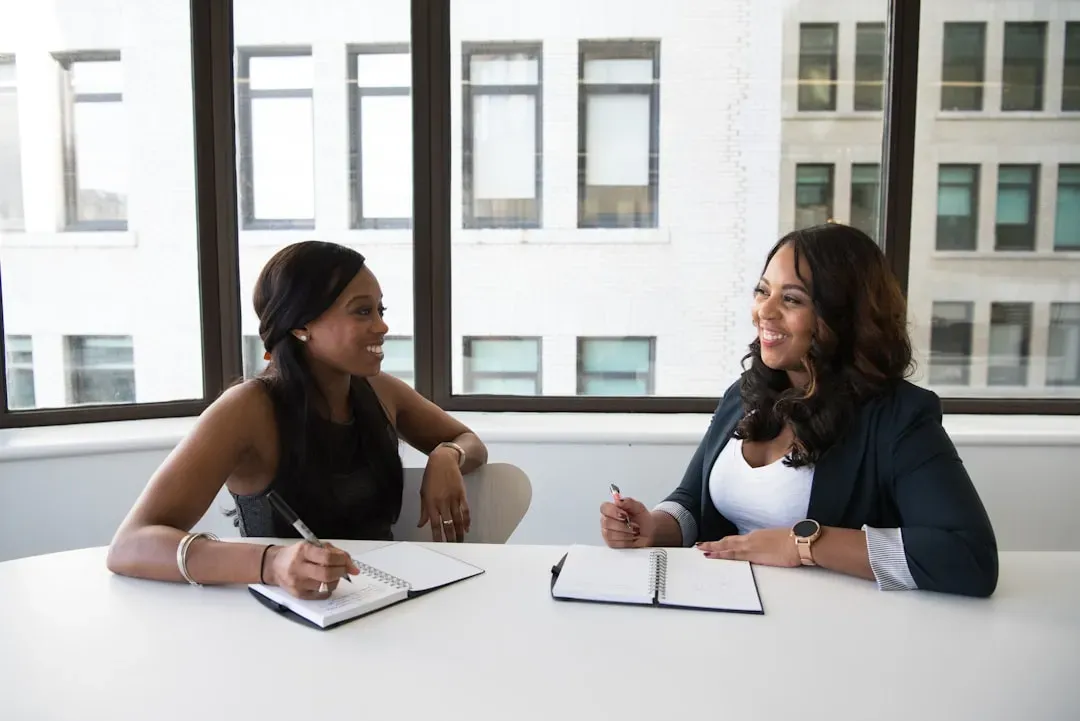
A dyad of diversely skilled artists can generate higher creativity through access to a wider pool of knowledge, while a culturally diverse dyad can approach problems with a wider set of strategies. This is something artists sense intuitively but rarely admit to seeking. They don’t actually want a mirror of themselves. They want someone who fills in the gaps they don’t publicly acknowledge having.
Collaborations can affect creativity in different ways. On one hand, increasing diversity facilitates knowledge generation and therefore innovativeness; on the other hand, diversity makes coordination in the group more difficult, inhibiting innovative processes. The tension that diversity creates is exactly what makes it valuable, which is why artists privately seek a specific kind of difference: enough contrast to spark something new, not so much that the work becomes unnavigable.
4. The Ability to Separate Personal Ego from Artistic Contribution
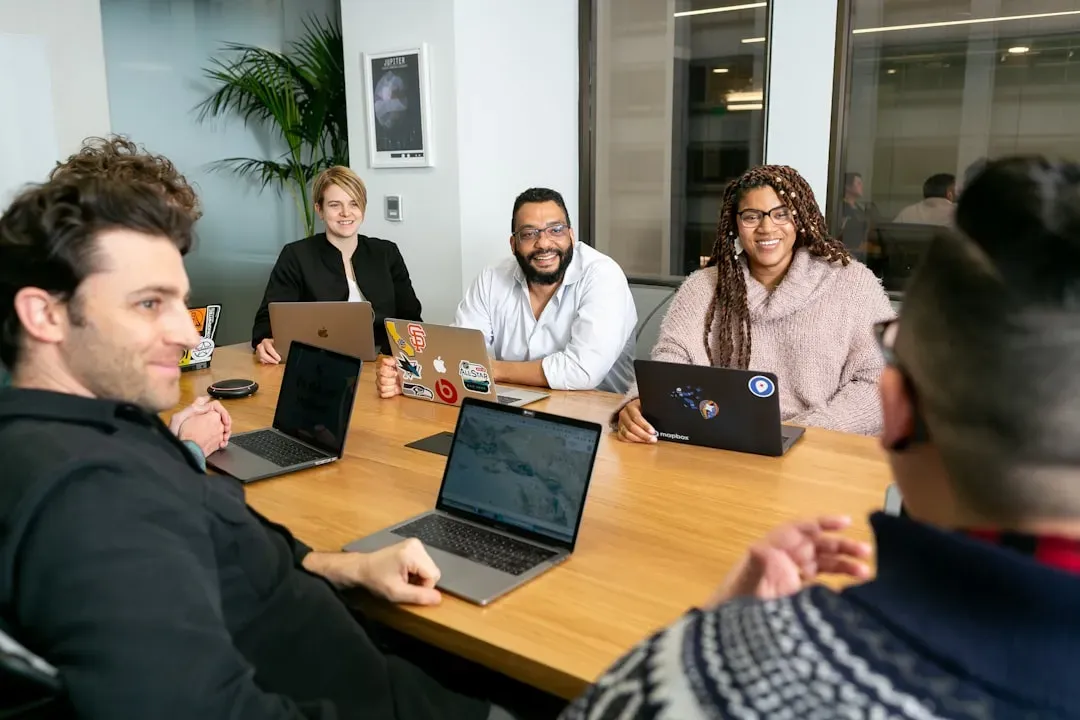
The ego management aspect of collaboration presents ongoing challenges, particularly when working with established artists who maintain strong individual artistic identities. Successful collaborators learn to separate personal validation from artistic contribution, focusing on the collective outcome rather than individual recognition. This psychological shift often requires significant personal growth and professional maturity.
No artist will list “low ego” in a collaboration brief, because it sounds reductive. Yet it’s one of the first things they notice within the first hour of working together. Recognizing each contributor’s role in the success of a project fosters a sense of ownership and pride. The people who thrive in collaboration are the ones who can feel ownership without needing all the credit.
5. Comfort with Uncertainty as a Creative State

Successful collaborative relationships are underpinned by embracing uncertainty to explore the fluidity between respective roles by finding complementary aspects across practice. This means embracing what others have called “not-knowing,” including the argument that uncertainty, while a “powerful source of creativity and innovation,” sometimes “requires a relinquishing or shedding of control.”
Artists spend enormous energy building a personal vision, and then they step into a collaboration where that vision has to remain porous. Dietrich defines four subtypes of creative processing by crossing flexibility and persistence, which he refers to as spontaneous and deliberate modes of thinking, with cognitive and emotional knowledge domains. Most creative tasks engage a combination of these modes. Creativity in the arts derives from emotional responses to environmental stimuli, and artistic inspiration is largely the result of a flexible-emotional mode of processing. A collaborator who panics when the destination is unclear will short-circuit that process before it ever gets interesting.
6. Reliability That Goes Beyond Showing Up

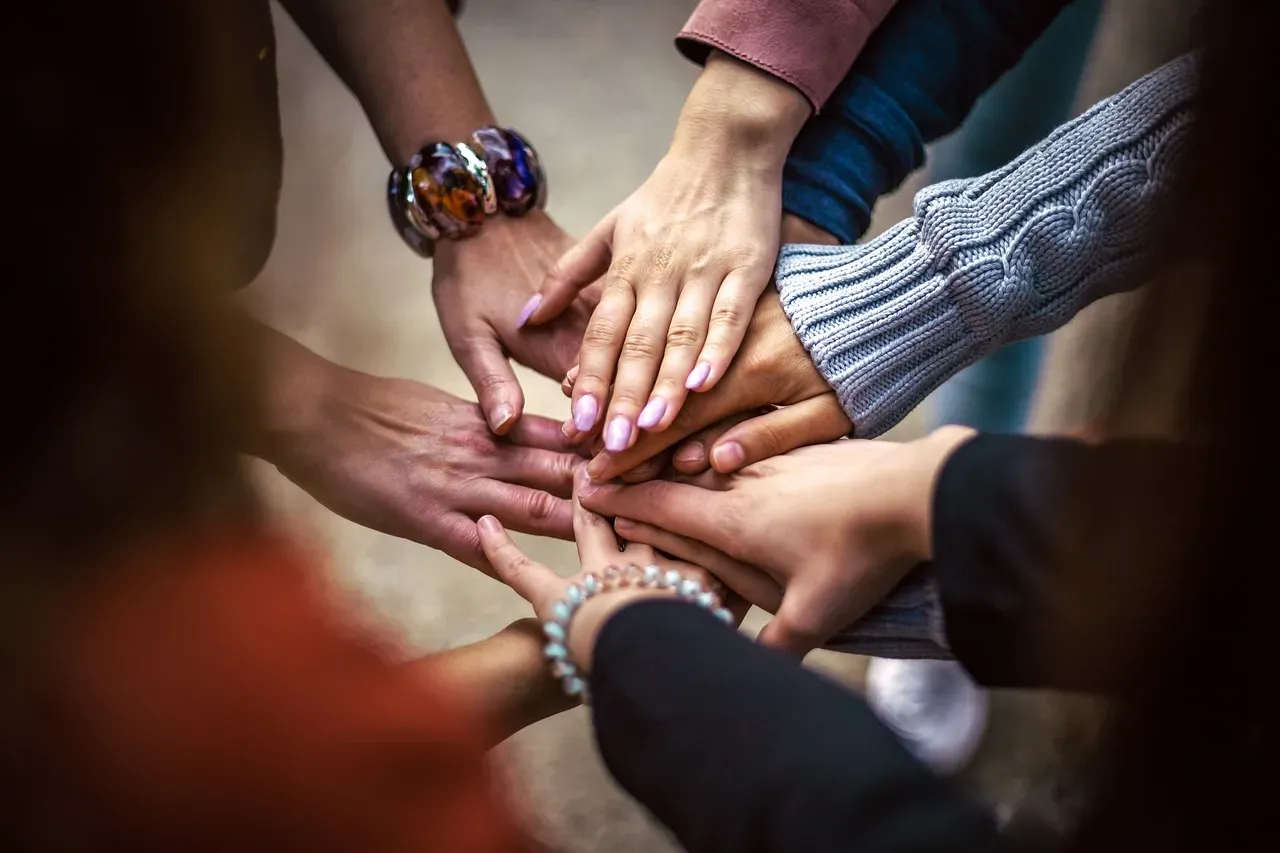
Collaborative creation activates different psychological processes than solo artistic work, requiring artists to balance individual creative vision with collective decision-making and compromise. What disrupts that balance isn’t usually a dramatic falling-out – it’s the slow erosion of trust that happens when someone is inconsistently present, emotionally or practically. Artists want to know that what gets agreed on in the room stays agreed on outside of it.
Effective planning and communication are essential for a smooth collaboration. Establishing clear roles and expectations, including contracts and agreements, helps prevent misunderstandings. Regular meetings and updates ensure that all parties are aligned and can address any issues promptly. Reliability, at its core, is what makes the creative risk-taking feel safe enough to actually attempt. Without it, the whole collaboration defaults to cautious territory.
7. A Productive Creative Restlessness

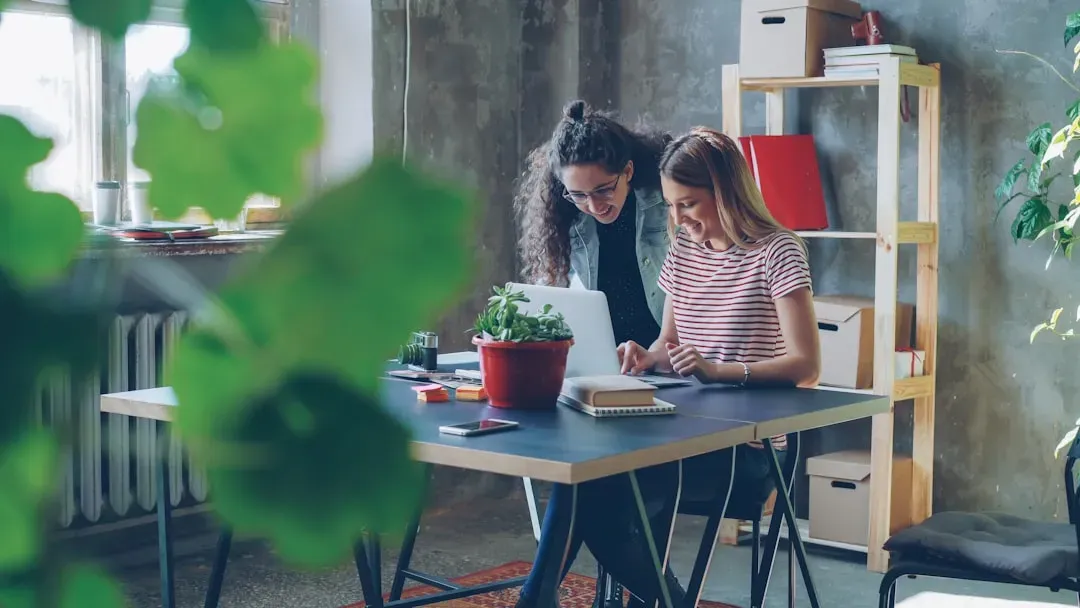
Artists aim to collaborate with people who have developed something personal, something unique. That uniqueness, in practice, tends to come from someone who hasn’t settled. The collaborators artists keep returning to are rarely the most comfortable or the most technically polished – they’re the ones who are still genuinely searching for something in their work.
Collaboration can infuse fresh viewpoints into stagnant projects, providing much-needed stimulation for creative minds. It can bridge skill gaps, empowering artists to bring to life visions that might be too grand or complex for a lone creator. That stimulation only arrives when both parties are moving forward, not resting on what they’ve already figured out. Understanding the value of learning from those within and adjacent to one’s space is a mark of an artist who is talented and creative in their own right, but knows there is more to be had.
The unspoken checklist artists carry into a collaboration isn’t cynical – it’s just honest in a way that’s hard to say out loud without sounding demanding. Most of these traits only become visible in the middle of the work, when the momentum stalls or the energy shifts. That’s when it becomes clear, without anyone needing to say a word, whether the partnership was built on something real.