Television history is full of shows that launched with a whimper only to become the very titles fans point to decades later as proof of good taste vindicated. Ratings numbers rarely tell the whole story, especially when a network buries a series in a bad time slot or cuts it loose before word of mouth has a chance to build. The seven shows below all struggled or outright failed when they first aired, yet each one has grown into something closer to essential viewing, the kind of series people discover years later and wonder how it ever got canceled.
1. Freaks and Geeks (1999)


NBC premiered this coming of age dramedy in 1999 and gave it almost no chance to succeed. The cult classic TV show premiered on NBC in 1999 but was canceled after airing only 12 out of 18 episodes due to low ratings. Part of the problem was scheduling. NBC chose to air the series Saturday nights at 8 P.M., a slot with no shortage of competition for a teenager’s attention.
What looked like a quiet failure at the time turned into one of the most cited “gone too soon” stories in TV history. Many of its young actors appeared in Judd Apatow’s films, and the show is credited with paving the way for other unconventional television shows, such as The Office and Stranger Things. The cast, including Seth Rogen, James Franco, and Jason Segel, went on to become some of the biggest names in comedy, which only deepened the sense that NBC let something rare slip away.
2. My So-Called Life (1994)

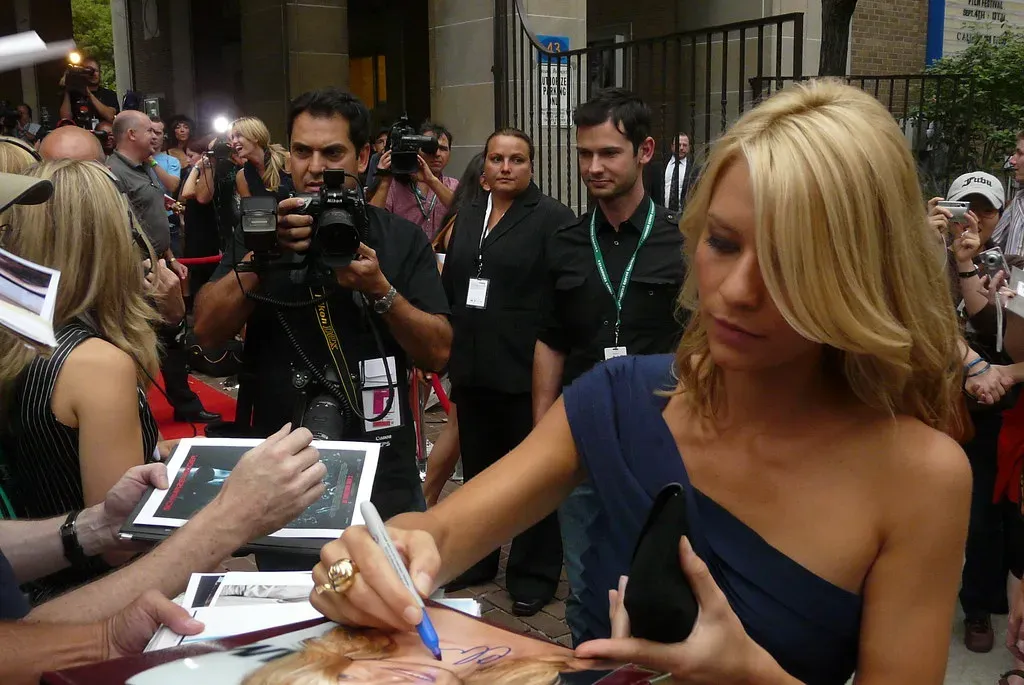
ABC’s teen drama arrived with strong reviews and a star making turn from Claire Danes, but the ratings never followed. For its original run, it aired on Thursday nights at 8 p.m. ET against top-10 hit sitcoms, possibly contributing to the series’ low ratings. Only 19 episodes were ever produced before the show’s cancellation the following May.
The show’s fanbase did not go quietly. Its untimely demise galvanized fans into the first-ever online campaign to save a television series, at a time when internet access was still rare in American households. Decades on, the series is remembered as a genuine turning point for teen storytelling. Countless publications have declared it one of the best shows of all time, and it continues to attract new fans.
3. Firefly (2002)

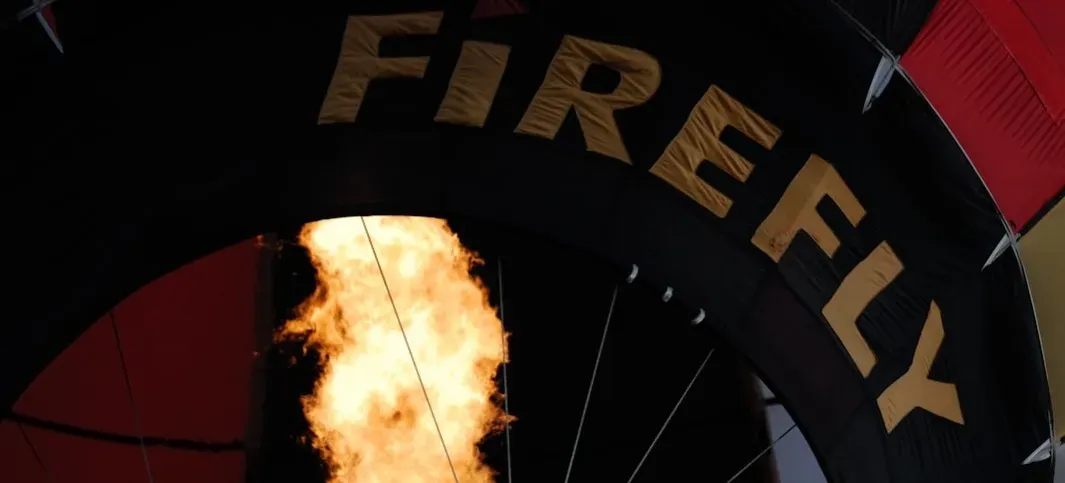
Joss Whedon’s space western had all the ingredients of a hit, yet Fox managed to sabotage it almost immediately. Fox canceled Firefly in December 2002 after only 11 of its 14 episodes had aired due to low ratings. Much of the damage was self inflicted, since the network aired the episodes out of order, starting with the second episode rather than the intended two-hour pilot.
Despite the short run, the show found an audience that refused to let it fade away. It sold strongly on DVD and has developed a cult following that persists today. That devotion eventually pushed the story into a feature film continuation, cementing Firefly as one of the clearest examples of a series whose reputation grew long after the cancellation notice went out.
4. Arrested Development (2003)


Few shows illustrate the gap between critical love and audience numbers quite like this one. Arrested Development won the Primetime Emmy for Outstanding Comedy Series in its debut season, making its eventual cancellation one of the most head-scratching in TV history. Fox shuffled its time slot repeatedly and eventually cut the episode order, and due to the first season’s low ratings, Fox moved the show to Sundays after The Simpsons and reduced the episode count.
The Bluth family’s saga proved to be exactly the kind of dense, joke packed comedy that rewards repeat viewing, something streaming later made obvious. Fox eventually burned off the final four episodes in a two-hour block airing opposite the opening ceremonies of the 2006 Winter Olympics. That ending only added to the legend, and the show’s popularity on DVD and later Netflix helped justify a revival years after its original demise.
5. Wonderfalls (2004)

Bryan Fuller’s whimsical fantasy about a gift shop clerk hearing messages from inanimate animal figurines never had a fair shot on Fox. The network burned through a handful of episodes on a low viewership schedule before pulling it entirely, a pattern familiar to anyone who has followed Fox’s history with offbeat genre shows. It arrived with a fully realized visual style and a strange, tender sense of humor that simply did not translate into ratings during its brief run.
Years later, Wonderfalls has become something of a touchstone for fans of Fuller’s later work on shows like Hannibal and American Gods. Its DVD release introduced the series to viewers who never saw it during its original airing, and it is frequently cited alongside Firefly as an example of Fox canceling a promising genre show far too soon. The show’s reputation now rests less on what it achieved commercially and more on how distinctly it still feels compared to anything else from that era.
6. Terriers (2010)

FX’s low key detective drama about two unlicensed private investigators in San Diego received glowing reviews from critics who called it one of the best shows of its year, yet almost nobody watched it. The show’s title and marketing were widely blamed for confusing potential viewers, who apparently assumed it involved actual dogs rather than a scrappy buddy drama. FX canceled the series after a single season, and it remains one of the most frequently cited examples of a great show undone by poor packaging rather than poor writing.
In the years since, Terriers has quietly built a reputation among television writers and critics as a kind of hidden masterpiece, often appearing on lists of underrated shows that deserved a longer life. Streaming access has helped new viewers stumble onto it, and the show’s tight plotting and character work hold up remarkably well against more recent prestige dramas. It stands as a reminder that critical acclaim and audience discovery do not always arrive on the same schedule.
7. Party Down (2009)

This Starz comedy about a group of failed actors and writers working catering jobs in Los Angeles never drew a large audience during its original two season run. The premium cable network canceled it due to soft ratings, and it seemed destined to be remembered, if at all, as a minor footnote in the careers of its now famous cast members including Adam Scott and Lizzy Caplan. At the time, its dry, specific humor about show business disappointment felt almost too niche for mainstream attention.
That changed once streaming gave the show a second life, introducing it to viewers who had missed it entirely the first time around. The growing affection for the series eventually led Starz to bring it back for a third season in 2023, more than a decade after it first went off the air, a genuine rarity for a canceled comedy. Party Down’s slow motion vindication has made it a frequently cited example of a show whose timing was simply off the first time out.
Each of these shows shares a similar arc: modest or poor initial ratings, a network unwilling or unable to wait for an audience to catch up, and a slow rebuilding of reputation once viewers could find the series on their own terms through DVD sets or streaming platforms. What once looked like a straightforward business decision to cancel an underperforming show now reads, in most of these cases, as a missed opportunity that only became obvious with hindsight.