There’s a particular kind of frustration that comes with watching a great TV show get cancelled. It’s not just disappointment – it’s the feeling that something genuinely rare has been snatched away, often for reasons that have more to do with budgets and boardrooms than actual quality. The history of television is littered with series that found their footing just in time to be told they were done.
What’s striking is how some of these cancelled shows refuse to fade. Fans keep the flame alive through petitions, conventions, social media campaigns, and years of rewatching. The seven shows below didn’t just lose their audience when they were cancelled – they kept it, and in some cases, grew it.
1. Firefly (2002)
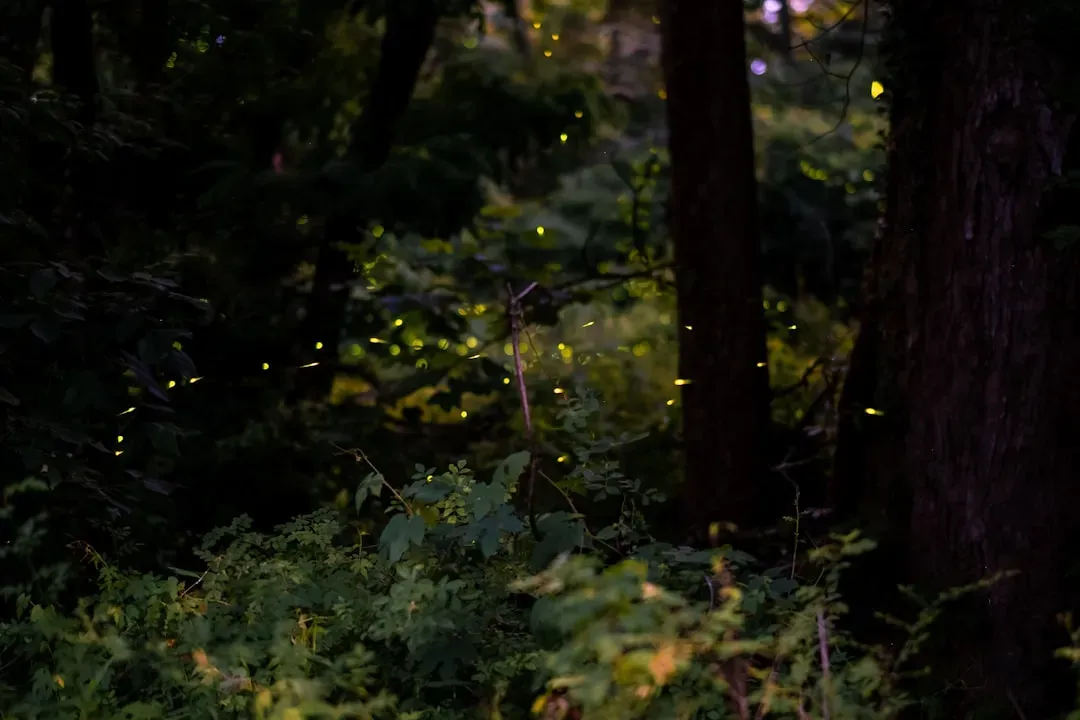
Created by Joss Whedon, the space Western follows war veteran Captain Malcolm Reynolds, played by Nathan Fillion, and his renegade crew of smugglers. Debuting on Fox in September 2002, the series received low ratings, and after just 11 of its 14 produced episodes were broadcast, Firefly was cancelled in December of that same year. The show struggled in large part because of the network’s inconsistency with its episode run, as Fox chose to air Firefly’s early episodes out of order.
Firefly generated a loyal base of fans during its three-month original broadcast run, and these fans, self-styled Browncoats, used online forums to organize and try to save the series from being cancelled. Their efforts included raising money for an ad in Variety magazine and a postcard writing campaign to UPN. The cult following it gained led to the 2005 movie Serenity, which was designed to wrap things up, but calls for more have never ceased. In a remarkable development in early 2026, it was officially confirmed that a Firefly revival animated series is happening, with original stars Alan Tudyk, Morena Baccarin, Gina Torres, Adam Baldwin, Jewel Staite, Summer Glau, and Sean Maher all involved.
2. Pushing Daisies (2007–2009)

There hasn’t been a show quite like Pushing Daisies any time before or after. The quirky ABC series followed a pie maker who could reanimate the dead. Pushing Daisies went on to earn 16 Emmy nominations and six wins through its two-season run, including a win for Kristin Chenoweth’s performance in the second season. The 2007–2008 writers’ strike hit the show hard, cutting its first season short and disrupting its creative momentum at exactly the wrong moment.
Even before the era where fan petitions were in vogue, people were hoping the drama would make a comeback. Years later, people are still pining over it. In the years since its cancellation, creator Bryan Fuller has frequently discussed reviving Pushing Daisies in some form, but no development has yet occurred. However, fans are still waiting for a revival. Its visual style and tone remain so distinct that nothing else has really filled that particular gap on television.
3. Mindhunter (2017–2019)
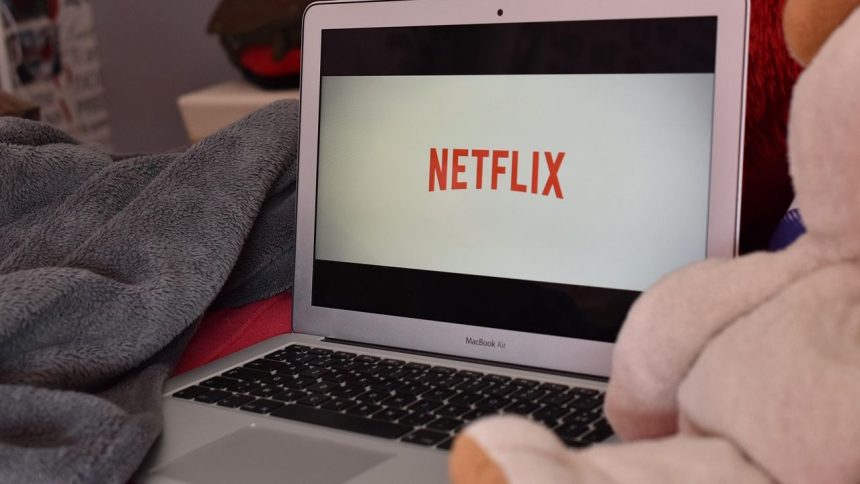
Based on the true crime book Mindhunter: Inside the FBI’s Elite Serial Crime Unit, Joe Penhall created Mindhunter for Netflix. The series was mainly directed by David Fincher, with Charlize Theron among its executive producers. It follows two FBI agents and one psychologist running a research experiment where they interview serial killers in an attempt to better understand their minds. The most mentioned show in ongoing fan discussions about unjust cancellations is Mindhunter, with fans frequently calling for its return.
In the process of building its serial killer mythology, the series was also setting up the story of BTK – a conclusion fans will now never get to see. One petition to bring the show back received over 80,000 signatures. Netflix had said goodbye to the series due to its cost relative to its audience. It may have been too small a number for one of the biggest streaming services to continue, but a slew of disappointed threads sprung up. The show remains one of the most discussed cancelled series in streaming history.
4. Sense8 (2015–2017)

Sense8 was a sci-fi epic about eight strangers linked psychically, created by the Wachowskis. Its diverse cast and emotional depth gave it an intensely personal quality for many viewers. Netflix cancelled it after two seasons due to high production costs, despite significant fan outcry. The global nature of the show – filmed across multiple continents with a cast that reflected genuine international diversity – made it uniquely expensive to produce at the scale fans had come to expect.
Partner offer
After the cancellation, Netflix announced that Sense8 would return as a two-hour-long movie, which offered some partial closure, though the story had many threads left unresolved. The outrage that stemmed from Sense8’s cancellation was somewhat alleviated with that final two-and-a-half-hour film, and though not all of its subplots were solved, it served as a celebration of the cluster and their hardcore fans around the world. The fanbase remains one of the most internationally distributed of any cancelled show.
5. Jericho (2006–2008)
Jericho was a post-apocalyptic drama about a small town surviving a nuclear attack, led by Skeet Ulrich. Its tense plotting and community focus built a devoted audience. CBS cancelled it after one season, but fans famously sent thousands of peanuts to the network – earning the show a short second season. The peanut campaign remains one of the most creative and effective fan revival efforts in television history, organized largely through online communities at a time when that kind of coordinated effort was genuinely new.
Groups of fans can wield considerable power when it comes to getting their shows back on the air, and series like Jericho have their fervent fan bases to thank for their returns. The revival wasn’t enough to sustain the show long-term, and Jericho was ultimately cancelled for good after its truncated second season. Still, the story it told about ordinary people rebuilding civilization touched something real in its audience – and discussions about what might have been continue to surface on forums well into 2026.
6. Our Flag Means Death (2022–2023)
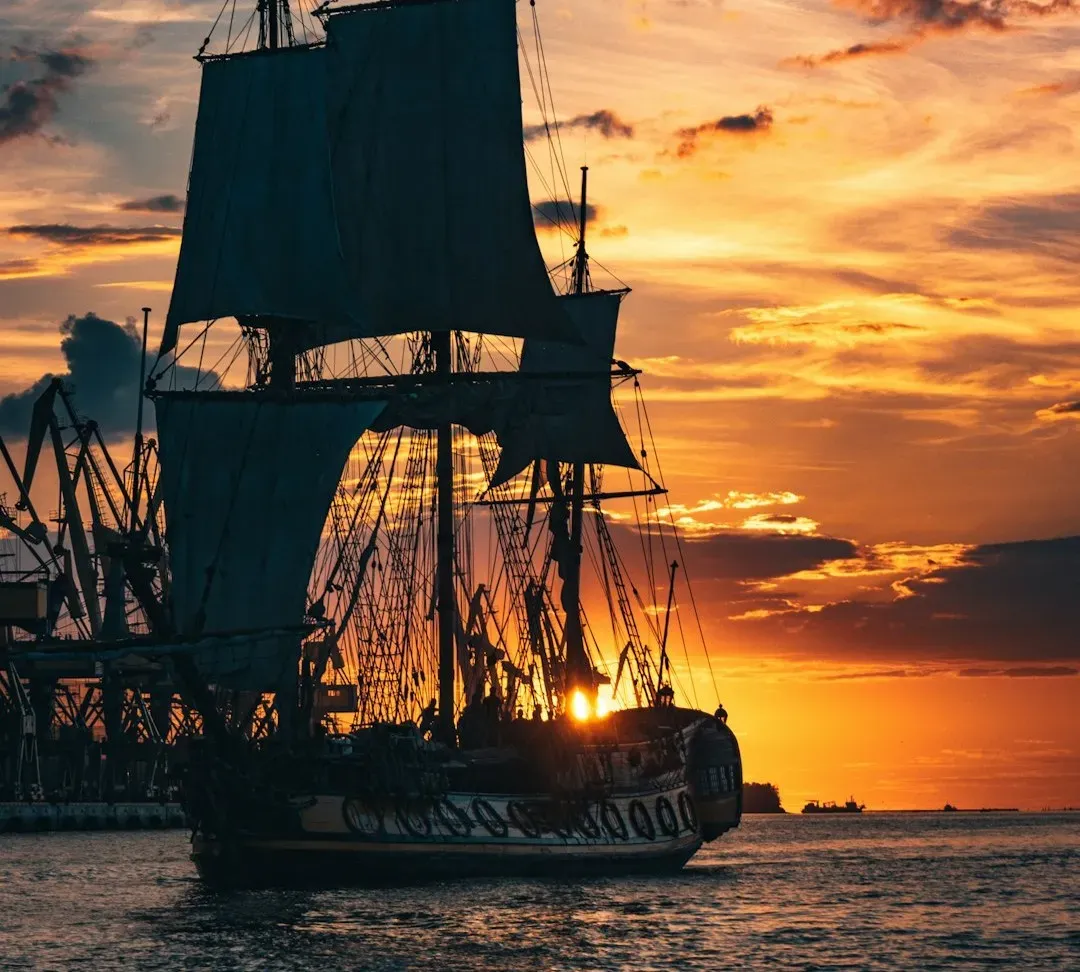
This HBO Max comedy became an instant cult classic for its heartfelt LGBTQ+ romance. Loosely based on the real-life adventures of 18th-century Gentleman Pirate Stede Bonnet, played by Rhys Darby, its central storyline was the romance between Bonnet and Taika Waititi’s Blackbeard. Max cancelled it early in 2024. The critically acclaimed period romantic comedy was controversially cancelled after just two seasons, especially so since creator David Jenkins indicated that his plan was for a three-season run.
The show’s fervent fanbase refused to take the cancellation as the final word, rallying to save the series for a third and final season as intended by Jenkins. Their efforts brought the “Renew as a Crew” campaign all the way to Times Square, as fans raised funds to run a “Save Our Flag Means Death” advertisement. Along with that campaign, a Change.org petition gathered more than 85,000 signatures asking for the show to be renewed or to find a new home. The show’s genuine and nuanced exploration of identity, acceptance, and belonging set it apart, and for many viewers, this series represented a watershed moment – the first time they felt truly seen on screen.
7. Rome (2005–2007)
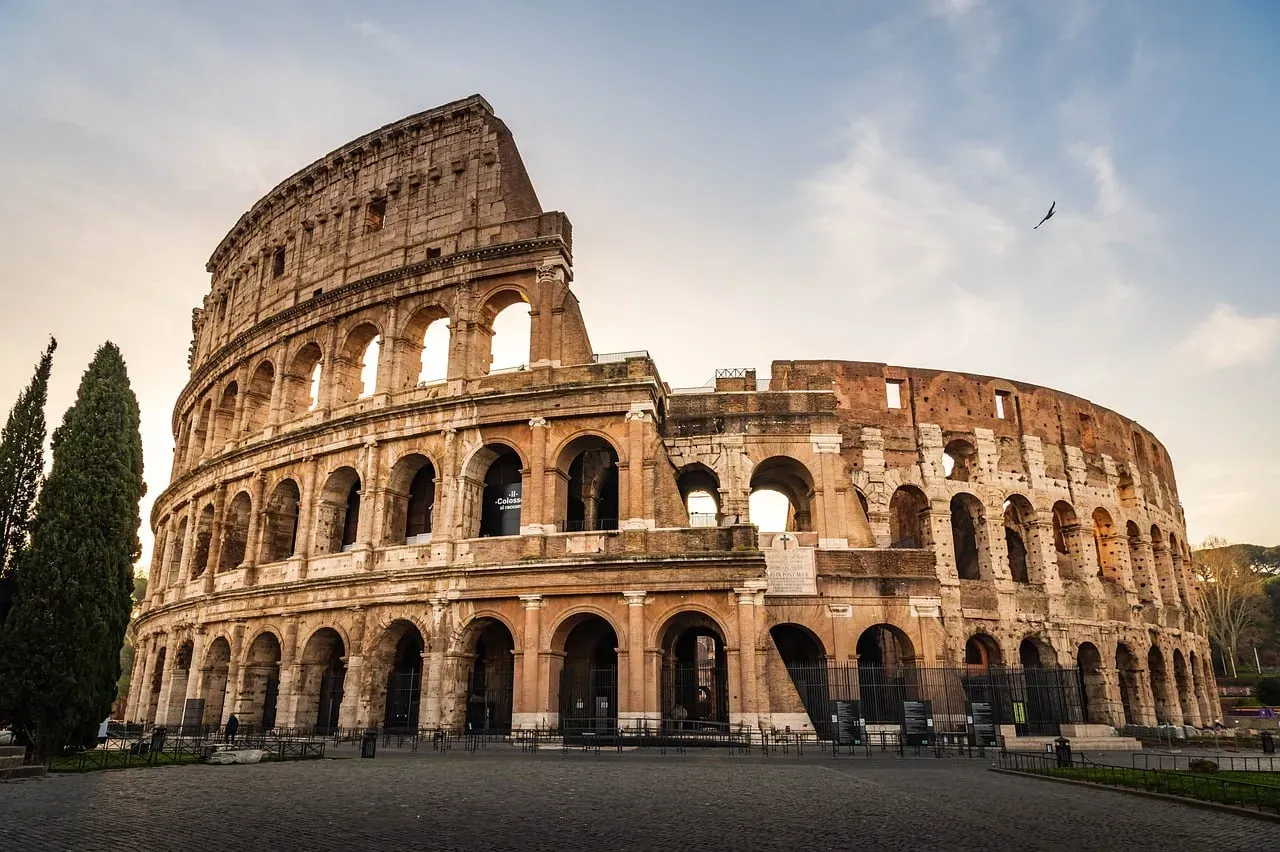
Rome was extremely popular during its short two-season stint on HBO. High production costs were later cited as the reason for cancellation, but fans were not remotely pleased – particularly given that the show had a clear five-season arc planned. The ambition of the series was remarkable: it recreated late Republican Rome with a level of historical texture and character depth that most period dramas still haven’t matched. Losing it at only two seasons felt like watching a cathedral get demolished after just laying the foundation.
The show’s passionate fanbase has maintained a steady presence online for nearly two decades, revisiting and analyzing its performances, its politics, and the story threads that never got to fully unfold. The arc between Julius Caesar and Mark Antony, and the eventual rise of Augustus, had only just begun to take shape. Rome was extremely popular during its short two-season stint on HBO, and its reputation has only grown since cancellation, with many critics now placing it among the finest historical dramas ever made. The gap it left has never quite been filled.
What ties these seven shows together isn’t just quality – it’s the feeling that they were stories still in motion when the credits rolled for the last time. Devoted fan communities have become a form of cultural preservation, keeping these worlds alive long after the networks and platforms moved on. That kind of loyalty says something worth paying attention to.
Partner offer
Planning a trip to Vegas?
Compare hotel rates and show tickets on VEGAS.com.