Spin-offs usually get a rough introduction. They’re expected to borrow a bit of goodwill, run for a season or two, and quietly disappear. Every so often, though, the side project turns out to be sturdier than the show it came from.
The seven series below all went on to run longer than their parent shows, whether you count seasons, episodes, or both. Some are still on the air. Others finished decades ago and simply left a longer trail behind them.
Law & Order: Special Victims Unit

The original Law & Order ran for twenty seasons and ended in 2010. SVU arrived in 1999 and has kept going ever since. NBC has picked up the series for a record extending 28th season in 2026-27.
The mothership did come back. Law & Order is in its 25th season, its fifth after a 2022 revival. Even so, SVU is now well ahead on seasons, and it’s described as the longest running primetime drama on broadcast.
NCIS

NCIS began life in 2003 as a story thread inside JAG, the military legal drama that ran for ten seasons and ended in 2005. The spinoff took over the same navy investigative world and gave it a more procedural, team based shape. JAG wrapped up soon after, while NCIS kept building.
By the 2025 to 2026 season the show was in its twenty third year of production, with coverage at the time noting NCIS Season 23 had confirmed a new replacement for the Tony and Ziva roles. That’s more than double JAG’s total run. It also spawned its own set of offshoots.
Better Call Saul
Breaking Bad ran five seasons and 62 episodes between 2008 and 2013. Better Call Saul, which followed lawyer Jimmy McGill before he became Saul Goodman, ran six seasons and 63 episodes from 2015 to 2022. It’s a narrow margin, but it’s still a longer run.
The prequel structure worked in its favor. It gave the writers room to fill in backstory while also carrying the story past Breaking Bad’s timeline in its later seasons. Plenty of viewers and critics came to see it as the equal of its parent.
Star Trek: The Next Generation
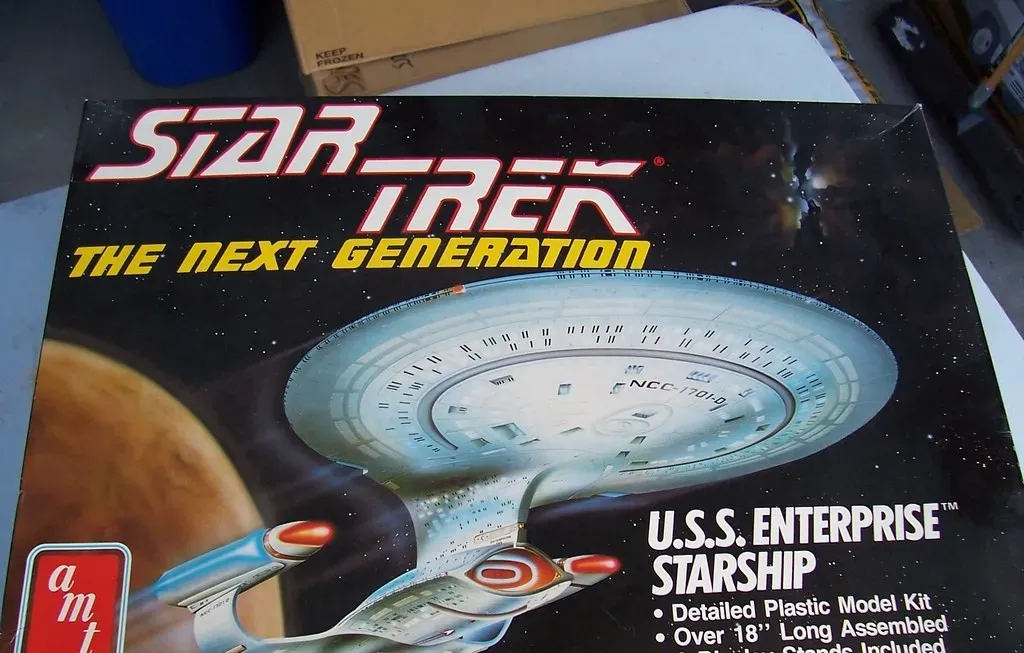
The original Star Trek lasted just three seasons on NBC, from 1966 to 1969, and produced 79 episodes. The Next Generation launched in 1987 in syndication, set about a century later with a new crew. It lasted seven seasons and 178 episodes.
Technically it’s more of a successor than a classic spin-off, though it’s usually counted among them because it grew out of the same franchise. It also brought four feature films, which the original series never had in its own right. Its long run helped establish the modern Star Trek television universe.
The Jeffersons
George and Louise Jefferson were first seen as neighbors of Archie Bunker in All in the Family. Their own series premiered in 1975 and ran for eleven seasons, ending in 1985. All in the Family itself lasted nine seasons, ending in 1979.
All in the Family continued under a new title, Archie Bunker’s Place, for several more years. The Jeffersons still outlasted the original series under its own name. It’s one of the longest running sitcoms ever built around a Black family.
The Facts of Life
The Facts of Life started as a spin-off of Diff’rent Strokes, following housekeeper Edna Garrett to a girls’ boarding school. Diff’rent Strokes ran for eight seasons, from 1978 to 1986. The Facts of Life premiered in 1979 and ran for nine seasons, until 1988.
The cast changed a good deal after the first season, with several new students joining. The show found its footing and its audience after that retool. By the end, it had more than two hundred episodes.
Family Matters

Family Matters grew out of Perfect Strangers, which ran for eight seasons from 1986 to 1993. The Winslow family, who were Chicago locals tied to the original’s world, got their own show in 1989. It ran for nine seasons, ending in 1998.
The show’s best known character, Steve Urkel, wasn’t part of the initial concept. He was added in the first season and quickly became the focus. That shift helped the series outlast the sitcom that launched it.