
Most readers meet a book when it’s already a success, sitting on a front table with a shiny cover. It’s easy to assume that someone in publishing saw the potential right away. Often that wasn’t the case.
The stories below come from well documented publishing histories, though some rejection counts have been repeated so often that they differ slightly from source to source. Where the numbers are approximate, the text says so.
Harry Potter and the Philosopher’s Stone by J.K. Rowling

Rowling’s first novel about the young wizard was turned down by about a dozen publishers before it found a home. The manuscript was written by a single mother living in Edinburgh, and early editors weren’t convinced a long children’s book would sell.
Bloomsbury eventually bought it in the mid 1990s, reportedly after the chairman’s young daughter read the first chapter and asked for more. The series went on to sell hundreds of millions of copies worldwide and became one of the best selling book franchises ever.
Carrie by Stephen King
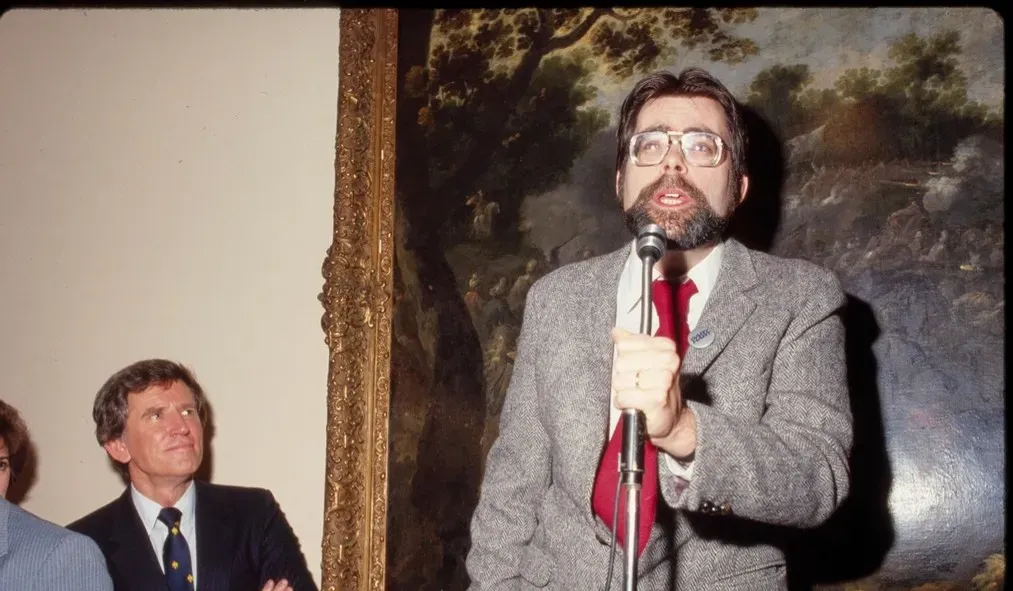
King’s first published novel started life partly in a wastebasket. He has said he threw away the early pages, and his wife Tabitha rescued them and encouraged him to continue. After he finished, the manuscript reportedly collected around thirty rejections.
Doubleday finally accepted it in 1973. The paperback rights sold for a sum large enough to let King leave his teaching job, and it launched a career that has now spanned more than five decades.
Dune by Frank Herbert

Herbert’s sprawling desert planet epic was a hard sell. It was long, dense, and mixed ecology, religion, and politics in a way editors didn’t know how to market. Accounts commonly say that about twenty publishers passed on it.
Chilton, a company better known for auto repair manuals, published it in 1965. The book won major science fiction awards and is often cited as one of the best selling science fiction novels of all time.
A Wrinkle in Time by Madeleine L’Engle

L’Engle’s children’s fantasy blended physics, faith, and a heroine who wasn’t especially charming at first. Publishers reportedly found it too strange and too difficult for young readers. The commonly cited tally is more than two dozen rejections.
Farrar, Straus and Giroux released it in 1962, and it won the Newbery Medal the following year. It has stayed in print for decades and was adapted for film in 2018.
Lord of the Flies by William Golding

Golding’s tale of schoolboys stranded on an island was reportedly turned down by around twenty publishers. Some readers at the time found it bleak and unlikely, and it didn’t resemble the adventure stories the premise suggested.
Faber and Faber published it in 1954, and sales were modest at first. Over time it became a staple of school reading lists in many countries, and Golding later won the Nobel Prize in Literature in 1983.
The Help by Kathryn Stockett

Stockett’s debut novel about Black maids in 1960s Mississippi was rejected by dozens of literary agents. She has said the number reached sixty, and the next agent she approached agreed to represent her. That persistence took roughly three years of querying.
Amy Einhorn Books, an imprint of Putnam, published the novel in 2009. It spent a long stretch on bestseller lists and was adapted into a film released in 2011.
Chicken Soup for the Soul by Jack Canfield and Mark Victor Hansen

The authors collected short, inspirational stories and pitched the idea to publishers. The frequently repeated figure is well over a hundred rejections, with some accounts putting it at more than one hundred and forty. Many editors reportedly doubted that a collection of short anecdotes could find a wide audience.
Health Communications, a small Florida publisher, released it in 1993. The title grew into a huge series with scores of spin offs, and the brand has sold well over a hundred million copies.
The Diary of a Young Girl by Anne Frank
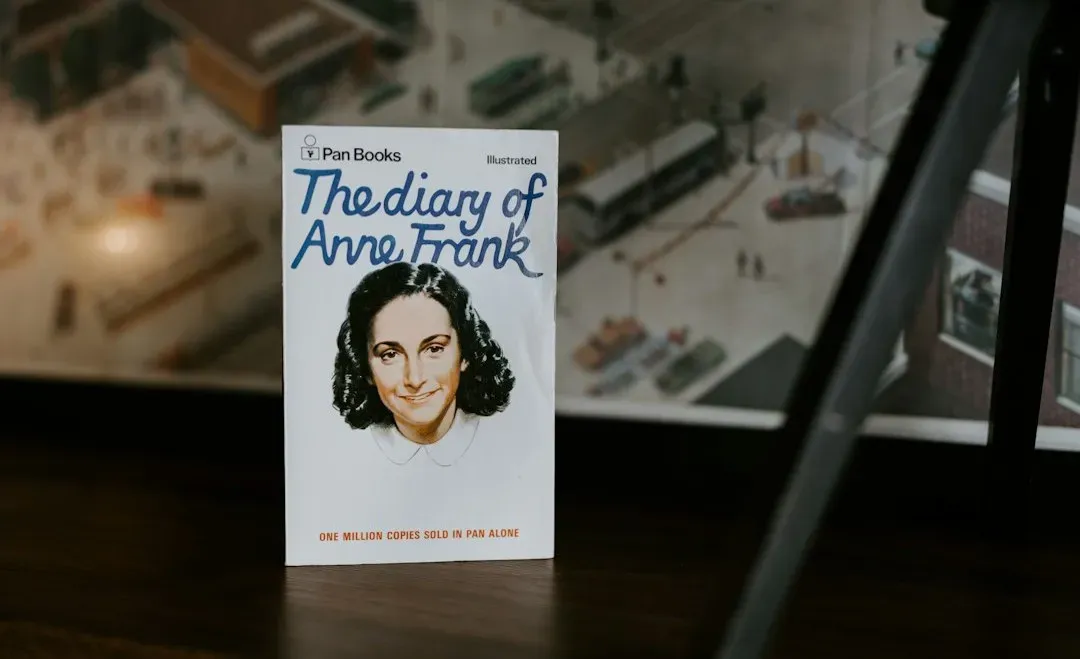
After the Second World War, Otto Frank, the only member of his family to survive the camps, worked to get his daughter’s diary into print. Several publishers reportedly hesitated, in part because they doubted there was an audience for a young girl’s wartime writing.
The Dutch edition appeared in 1947 under the title Het Achterhuis. The English translation followed in 1952, and the diary has since been translated into dozens of languages and is among the most widely read books of the twentieth century.
The Tale of Peter Rabbit by Beatrix Potter

Potter first wrote the story in a letter to a sick child in 1893. Years later she tried to publish it as a book, but several publishers declined, and she printed a small private edition in 1901 at her own expense.
Frederick Warne and Co. then agreed to publish a new edition with colour illustrations in 1902. It sold strongly and went on to become one of the most beloved children’s books in English, with sales reaching into the tens of millions.