Some actors chase range. They bounce between genres, accents, and eras just to prove they can. Then there’s the other kind, the performer who finds one note and plays it so well that audiences keep buying tickets for the same tune, year after year. It’s not always laziness. Sometimes it’s just smart business, and sometimes it’s a screen persona so magnetic that directors can’t imagine casting them any other way.
1. Liam Neeson, the reluctant avenger (Image Credits: Flickr)
Since 2008’s Taken turned a respected dramatic actor into an action-movie fixture, Neeson has starred in countless unforgettable hits, memorably appearing in Schindler’s List and Love Actually, before becoming a certified action sensation, and has since headlined a slew of rip-roaring action flicks like A Walk Among the Tombstones, The Grey, Run All Night, and The Marksman. The template rarely changes: a weary man with a violent past gets pulled back into danger, usually to protect someone he loves.
Even his upcoming slate leans into the same wheelhouse. One report on his post-2025 projects noted that his upcoming films lean into roles that acknowledge age and experience instead of disguising them, often framing him as a weathered authority figure, reluctant hero, or man confronting consequence. It’s telling that even a project meant to break the mold, like the ex-CIA thriller Hotel Tehran, still keeps him squarely in familiar territory, with one writeup joking that he plays this kind of movie too many times already.
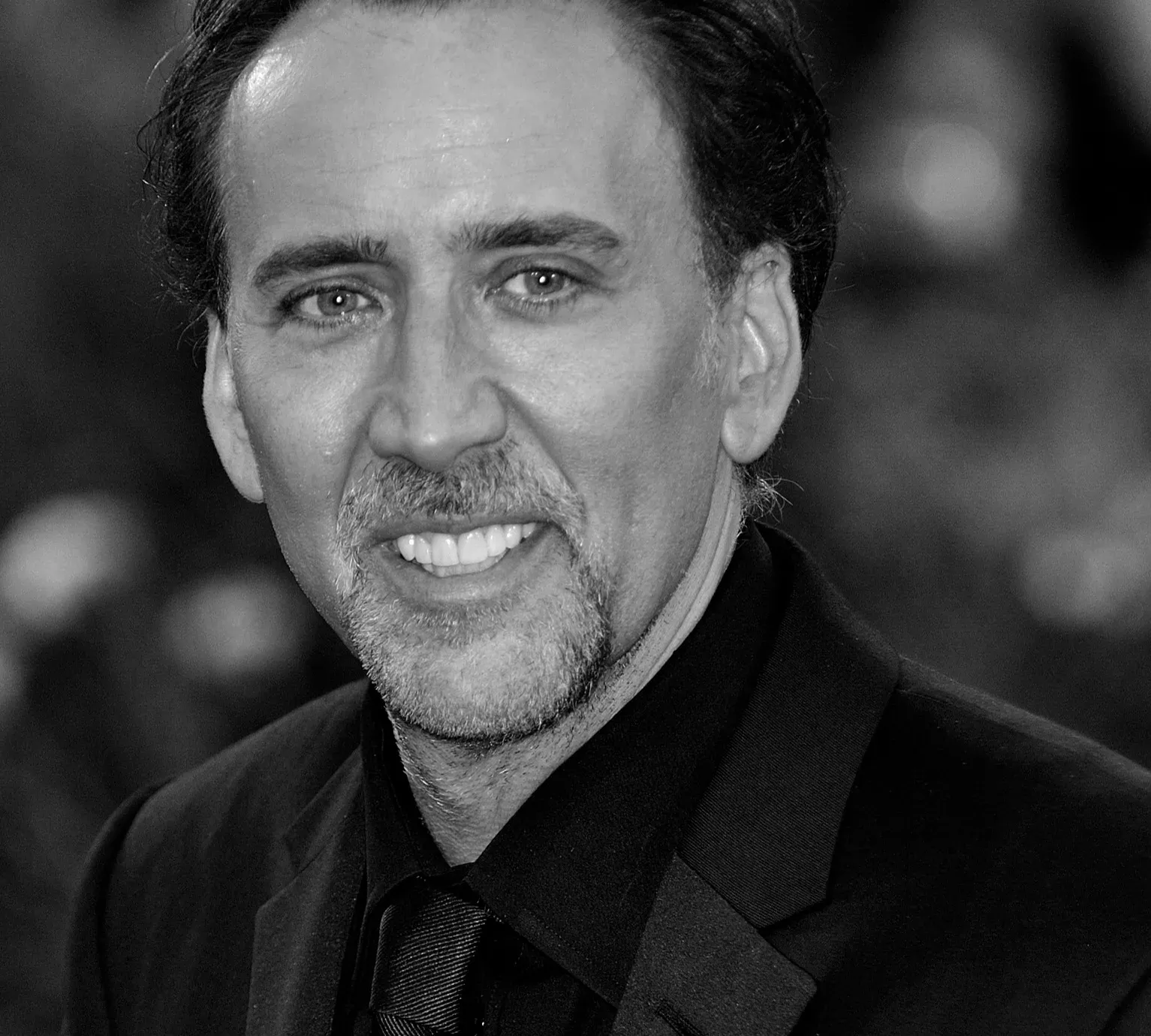
2. Nicolas Cage, the man who breaks in spectacular ways
2. Nicolas Cage, the man who breaks in spectacular ways (Image Credits: Wikimedia)
Cage has built a second career out of unraveling on screen, whether that means a fevered rage or a quiet, devastating collapse. His Academy Award for Leaving Las Vegas set the tone decades ago, and he’s returned to variations of that intensity again and again, most recently in horror roles that lean into his singular energy.
His upcoming projects keep circling addiction, obsession, and men pushed past their limits. He’s set to appear in The Prince, where the film showcases the tumultuous journey of an addict as he navigates his way through power, pleasure, and pain in search of recovery, loosely based on Hunter Biden. Notably, he’s earned the most nominations of any actor for the Critics’ Choice Super Award for Best Actor in a Horror Movie with three nominations, a fitting honor for someone who’s made unhinged intensity his signature.
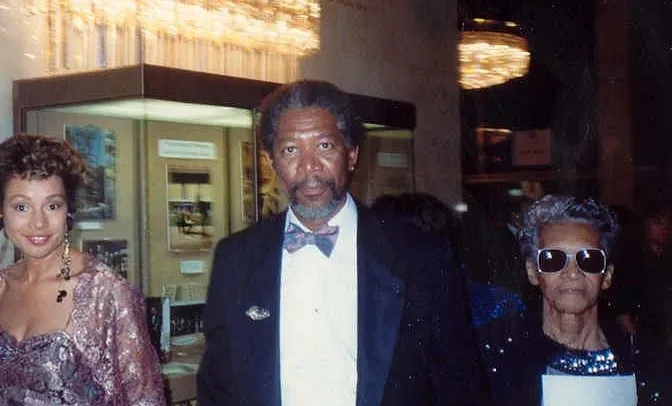
3. Morgan Freeman, the voice of wisdom and authority
3. Morgan Freeman, the voice of wisdom and authority (Image Credits: Flickr)
Few actors have cornered a single archetype as thoroughly as Freeman has cornered the wise elder statesman. Whether he’s playing a warden, a president, a scientist, or literally narrating documentaries about the natural world, his casting almost always signals moral gravity and calm reassurance. Directors reach for him when a scene needs an authoritative voice to explain what’s happening or steady a chaotic plot.
It’s become such a fixed part of his public identity that even outside acting, Freeman is regularly hired as a narrator for everything from nature series to corporate videos. That warm, measured cadence has become shorthand for credibility itself. He rarely plays villains or comic relief, staying instead in that lane of quiet, knowing authority that made him a go-to choice for decades.
4. Jason Statham, the stoic problem solver
4. Jason Statham, the stoic problem solver (Image Credits: Unsplash)
Statham built his brand on a simple formula: a clipped English accent, a tight jaw, and the ability to dispatch multiple opponents without breaking a sweat. From The Transporter through the Fast and Furious franchise and Guy Ritchie’s crime films, he plays men of few words who solve problems with their fists rather than negotiation. It’s a persona so consistent that trailers barely need to explain his character before audiences know exactly what to expect.
What’s kept this formula alive for over two decades is that Statham rarely strays far from it, even when the genre shifts. He’ll swap crime dramas for shark thrillers or heist capers, but the core performance, controlled, humorless, physically dominant, stays remarkably stable. It’s less about versatility and more about reliability, which is exactly what action producers want from a leading man.
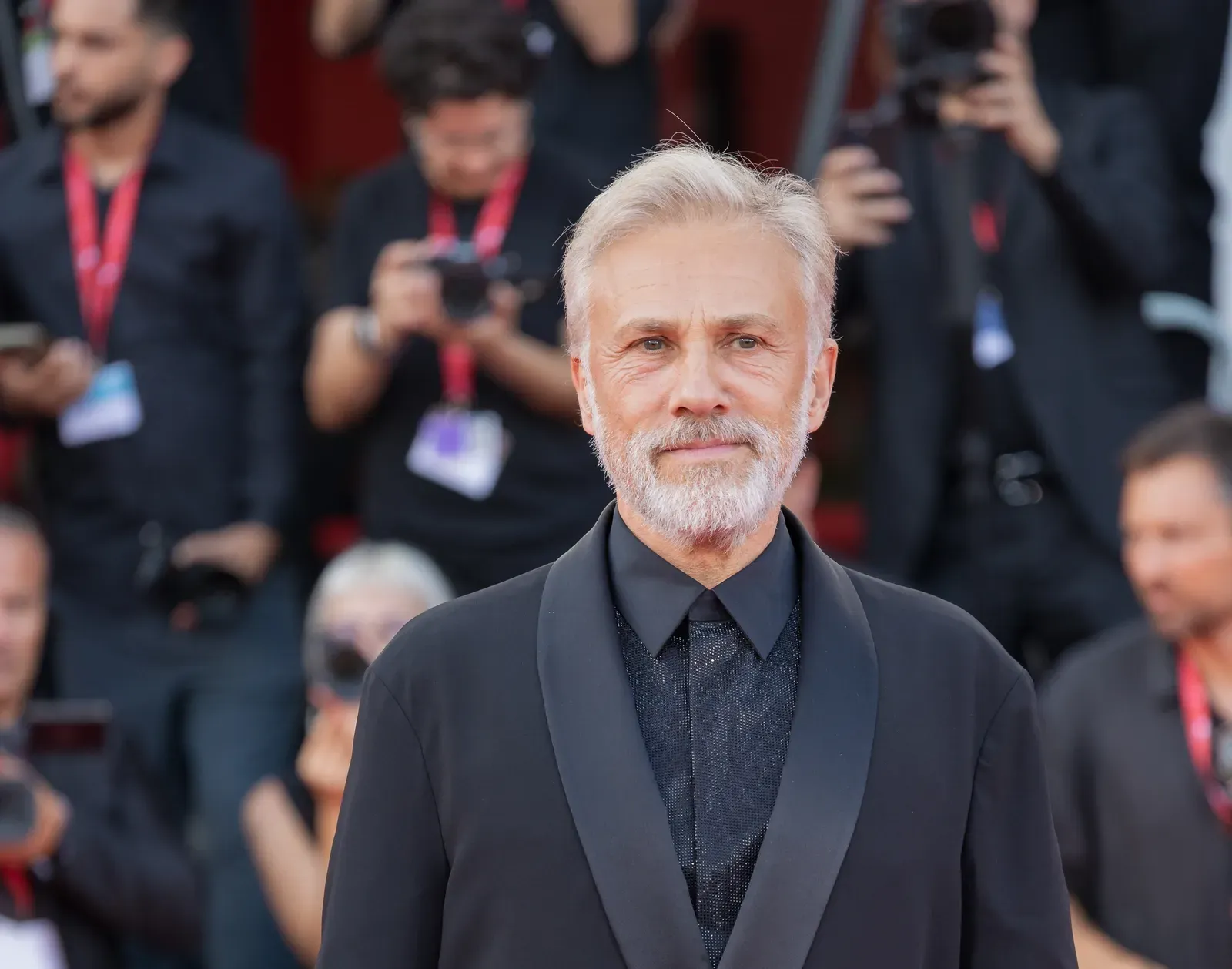
5. Christoph Waltz, the elegant, unsettling villain
5. Christoph Waltz, the elegant, unsettling villain (Image Credits: Wikimedia)
Waltz arrived in American cinema with Inglourious Basterds and immediately became Hollywood’s favorite choice for a certain kind of villain: cultured, articulate, and quietly terrifying. His characters rarely raise their voice. Instead, they use precise language and impeccable manners to make menace feel almost civilized.
That performance has been recycled across spy thrillers and blockbusters alike, including his turn as a Bond villain and various charming antagonists in big studio franchises. Directors clearly value the contrast he brings: a well-dressed, soft-spoken figure who somehow feels more dangerous than a shouting brute. It’s a narrow lane, but Waltz has made it distinctly his own.
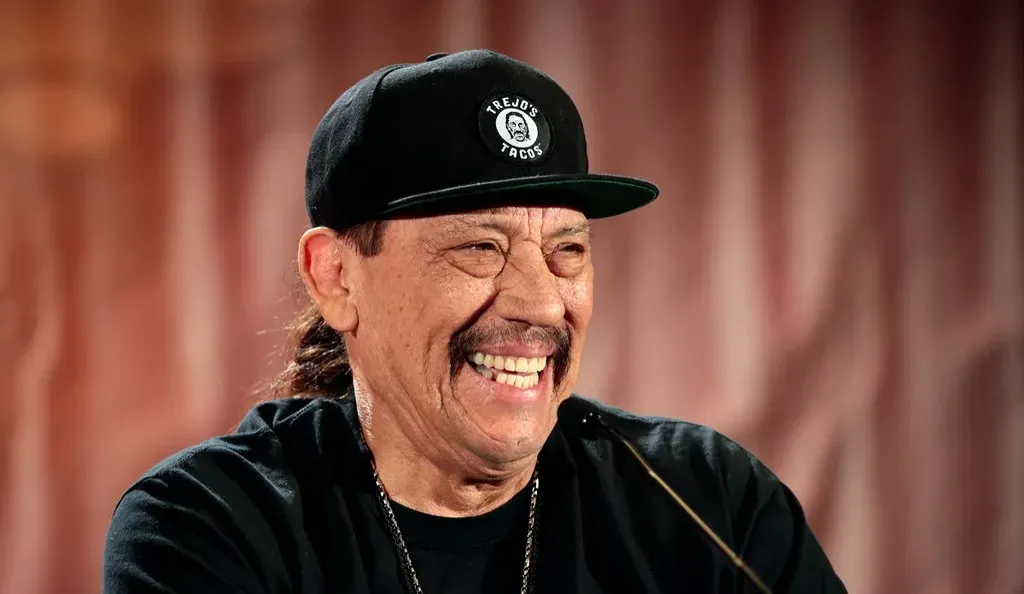
6. Danny Trejo, the tough guy with a code
6. Danny Trejo, the tough guy with a code (Image Credits: Flickr)
Trejo has appeared in hundreds of films and television episodes, and the vast majority of them cast him as some version of a hardened criminal, biker, or enforcer with an unexpected sense of honor. His weathered face and real-life backstory, including time spent in prison before turning to acting, have made him Hollywood’s default choice whenever a script calls for someone who looks like trouble but turns out to have a moral center.
It’s a role he’s leaned into rather than resisted, appearing in everything from Machete to countless smaller genre films built almost entirely around that same tough exterior. Few actors have made a career this durable out of one narrow type, yet Trejo’s version of it feels lived in rather than repetitive. Audiences don’t get tired of it because there’s an authenticity underneath the archetype that’s hard to fake.
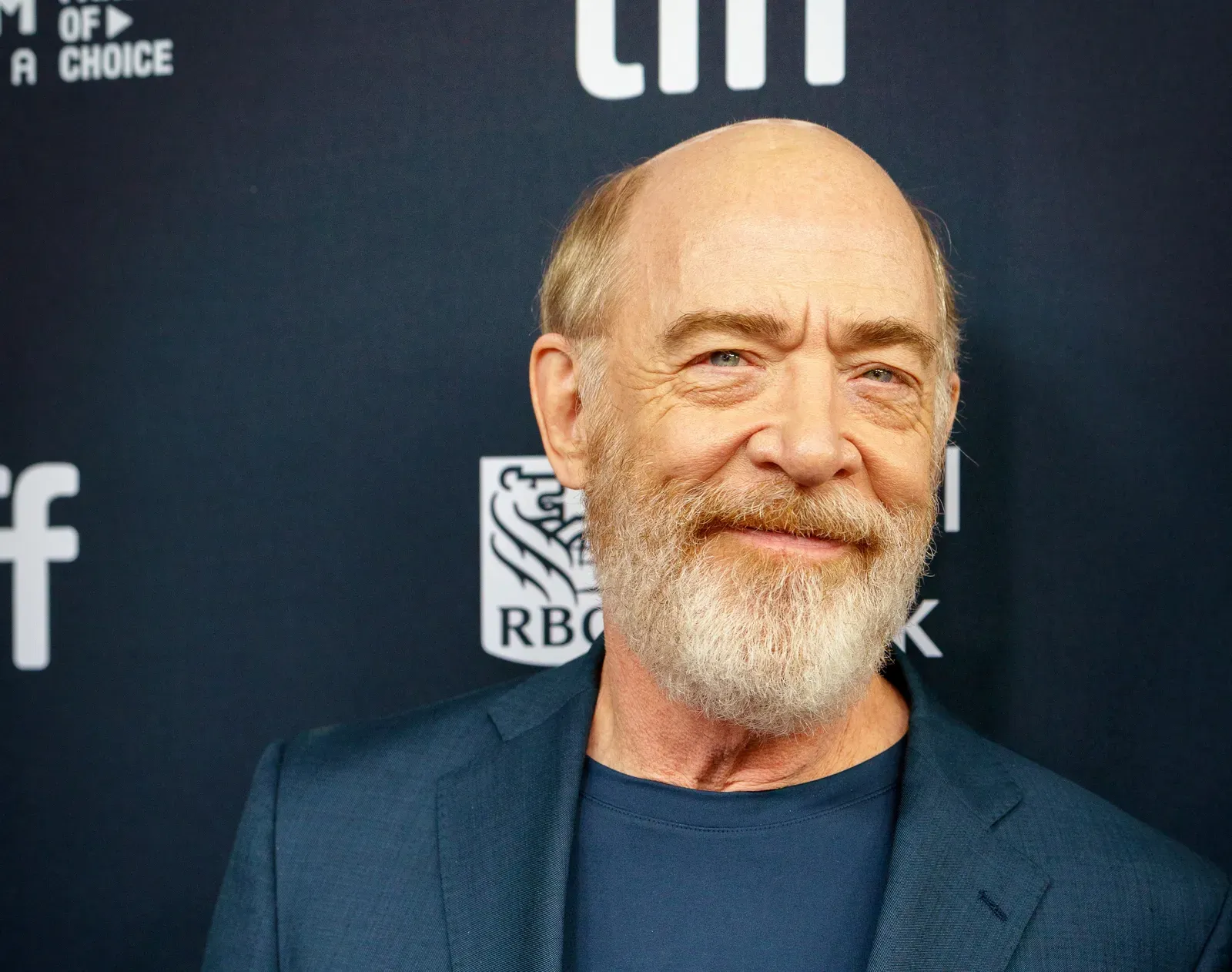
7. J.K. Simmons, the stern authority figure
7. J.K. Simmons, the stern authority figure (Image Credits: Wikimedia)
Simmons has spent much of his career playing men who command a room through sheer force of personality, usually without raising their fists. His Oscar-winning role in Whiplash, a demanding, explosive music instructor, crystallized a persona he’d already been building in smaller roles as police chiefs, editors, and military figures.
That same intensity carries into his newer work, including his role alongside Nicolas Cage in the upcoming drama The Prince, where he is joined by Cage, Giancarlo Esposito, Simon Rex, and Andy Garcia. Whether he’s playing a comic book villain or a demanding boss, Simmons brings the same clipped authority and simmering intensity that made him famous in the first place.
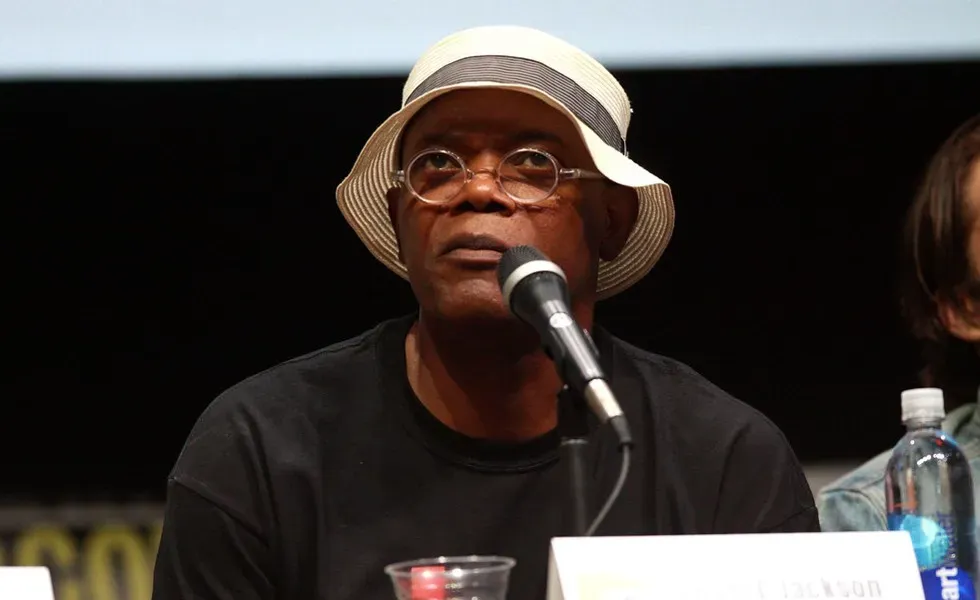
8. Samuel L. Jackson, the commanding presence with an edge
8. Samuel L. Jackson, the commanding presence with an edge (Image Credits: Flickr)
Jackson has built one of the most recognizable screen personas in modern cinema: a character who speaks with total confidence, doesn’t tolerate nonsense, and often delivers a memorable, profanity laced monologue somewhere along the way. From Pulp Fiction to his long run as Nick Fury in the Marvel universe, he plays men who are always the smartest, most dangerous person in the room, even when they’re not the one holding the gun.
That persona has proven so bankable that Marvel built an entire multi-film arc around it, casting him as the connective tissue across more than a dozen movies. Even outside superhero fare, Jackson gravitates toward roles that let him command a scene through sheer verbal force. It’s a type he’s refined so precisely that few other actors even attempt to compete with it anymore.
There’s nothing wrong with an actor finding a lane and staying in it. Audiences show up precisely because they know what they’re getting, and studios keep writing these parts because the formula still works. Typecasting, in these cases, isn’t really a limitation. It’s a brand.