There’s a particular kind of cinematic tragedy that doesn’t involve bad acting, clumsy scripts, or troubled productions. It’s the story of a film that arrives with everything working in its favor – a committed cast, a sharp director, genuine ambition – and still finds itself playing to nearly empty seats on opening weekend. Box office numbers can be a brutal and deeply unreliable judge of talent.
The actors on this list did something extraordinary. They delivered performances that critics, historians, and film lovers still talk about years later, sometimes decades later. The theatres just weren’t there to witness it in the moment. Some great actors have done their best work in movies which underperformed at the box office, proving that money doesn’t measure a film’s quality. These eight cases make that argument better than any think piece ever could.
Morgan Freeman – The Shawshank Redemption (1994)
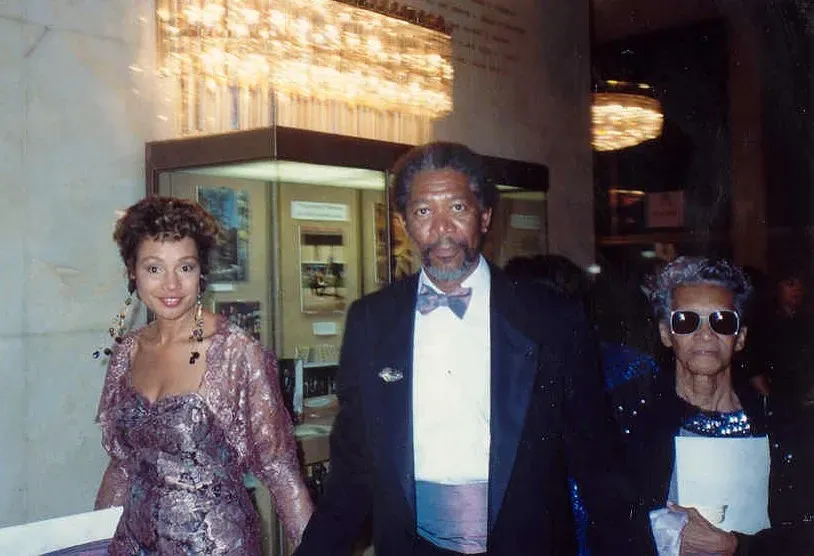
Morgan Freeman brings a lot of warmth and humanity to The Shawshank Redemption, playing Red, an inmate at Shawshank who thinks he has seen everything until Andy arrives with a radical new perspective. His narration is one of the most recognizable voices in cinema history, a quiet, measured performance built entirely on interior conviction rather than dramatic outbursts.
Despite being critically acclaimed, the film bombed at the box office, bringing in a mere $16 million domestically against a $25 million production budget. The film’s initial failure at the box office was due to its release in a competitive season, going up against hits like Pulp Fiction and Forrest Gump. It was only through television rights, VHS rentals, and relentless word of mouth that the film found its audience, and today it holds the highest user score on IMDb since 2008.
Cate Blanchett – Tár (2022)
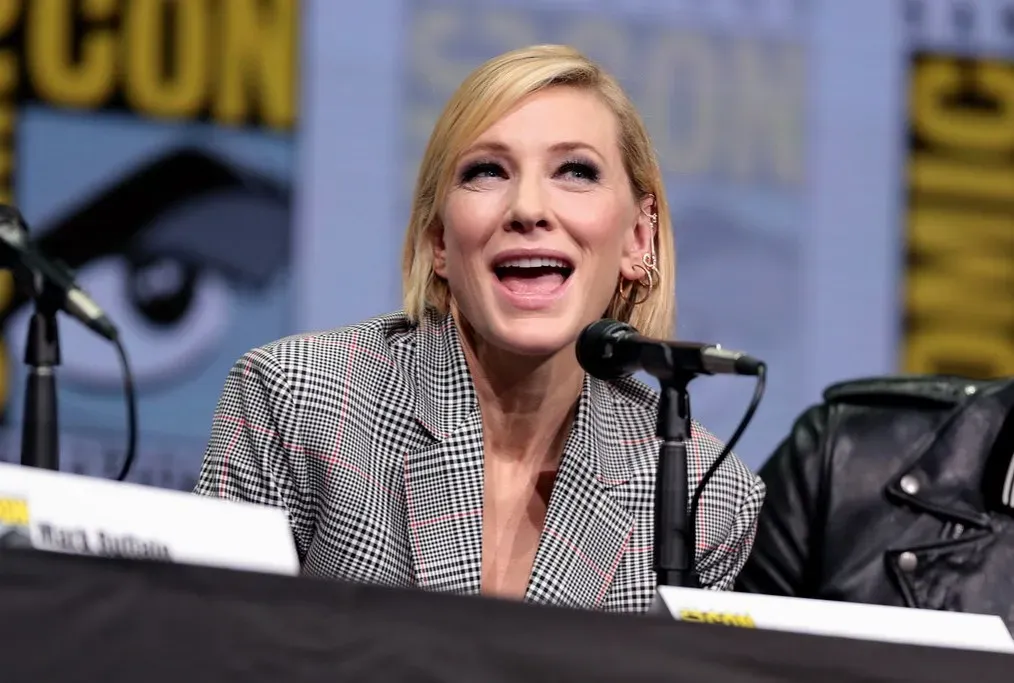
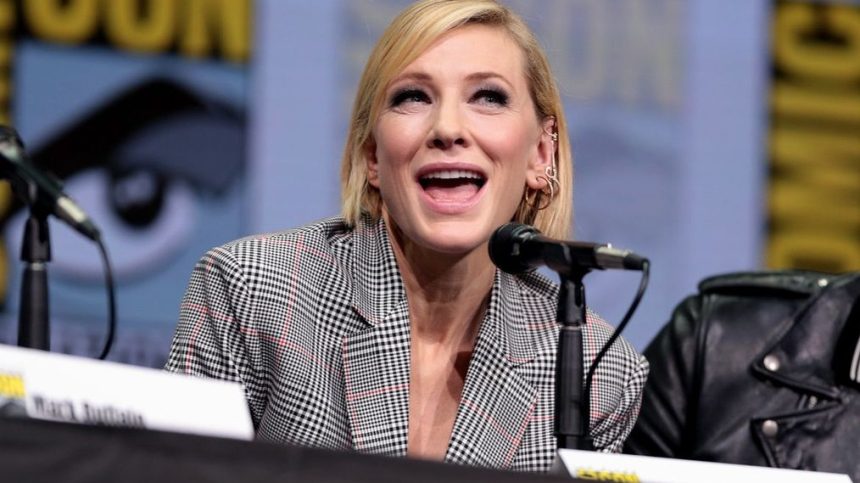
Tár came out of the festival season with massive critical acclaim and tremendous anticipation for both the return of director Todd Field and a towering performance by Cate Blanchett that put her right at the front of the Best Actress race. Blanchett plays Lydia Tár, a world-renowned conductor whose carefully constructed world begins to collapse around her. Every scene she occupies carries a suffocating sense of intelligence and unease.
Todd Field’s psychodrama starred Blanchett in perhaps her most acclaimed role to date and earned six Oscar nominations, including best picture and best actress, but the Focus Features-backed release barely made it past $6 million at the domestic box office. The reportedly $35 million film earned a meager $7 million globally. The film remains a genuinely rare cinematic event that audiences simply weren’t ready to show up for on opening weekend.
Brad Pitt – Fight Club (1999)

David Fincher’s Fight Club is now an iconic classic, but when it was originally released, it seriously underperformed at the box office. The studio promoted it as a macho action movie about underground fighting, but audiences got something far less straightforward: a dark satire about consumerism and masculinity that caught them completely off guard. Pitt’s performance as the charismatic, anarchic Tyler Durden is magnetic in a way that still holds up entirely on its own terms.
David Fincher’s 1999 film failed to land a solid punch at the box office, grossing around $100 million globally against a $65 million production budget. Studio executives were expecting a higher number, especially considering the movie starred two of the biggest stars of the day. The film is a potent reminder that just because a movie doesn’t perform well doesn’t mean it won’t come to be regarded as a classic in subsequent years.
Joaquin Phoenix – The Master (2012)
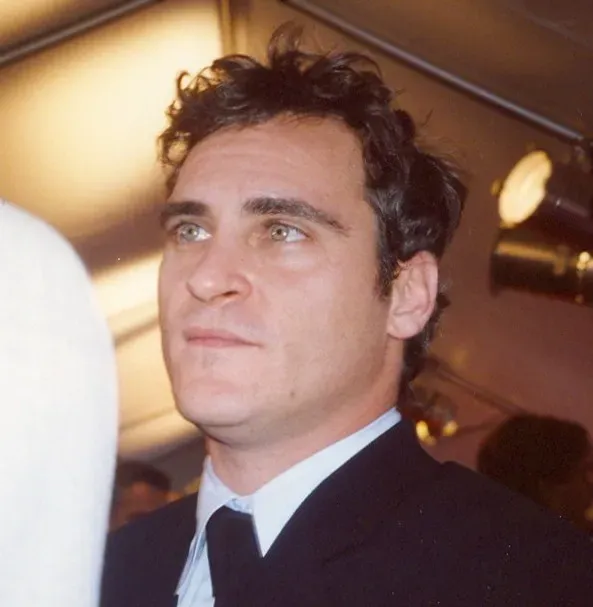
The Master, Paul Thomas Anderson’s personal favorite of his own films, tells the story of a naval veteran who becomes involved with a mysterious cult. Released in 2012, it was the first film in 16 years to be shot in 70mm. Despite offering audiences a unique visual experience, The Master was a box office flop even though it came to be an awards season favorite. The film made $28 million while having a budget of $32 million.
Along with its renowned cinematography, The Master features two of the greatest acting performances of the 2010s from Joaquin Phoenix and Philip Seymour Hoffman. Phoenix plays Freddie Quell, a volatile, directionless veteran who falls under the spell of a charismatic cult leader. It’s a physically and emotionally raw performance, the kind where you genuinely can’t tell where the actor ends and the character begins. The BBC voted The Master the 24th best film of the 21st century.
Partner offer
Michael Fassbender – Steve Jobs (2015)
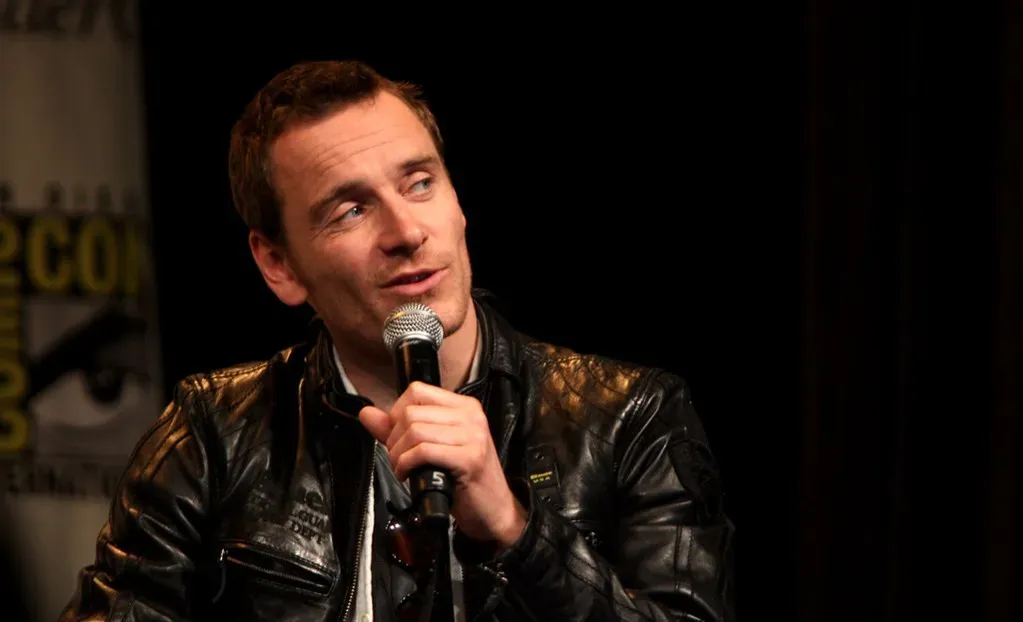
One would think an Oscar-baiting biographical drama about Steve Jobs from Oscar winners Danny Boyle and Aaron Sorkin would light up the box office for adult moviegoers, but that wasn’t the case for Steve Jobs in fall 2015. Fassbender takes on one of the most recognizable figures in modern history and completely dismantles any expectation of a conventional biopic. He builds Jobs as a man of almost operatic contradictions, brilliant and impossible in equal measure.
The movie only grossed $17 million at the domestic box office and $34 million worldwide, a flop for a movie costing in the $30 million range just to produce. Michael Fassbender and Kate Winslet were both Oscar-nominated for their performances. The film’s unconventional structure, three acts set entirely backstage before product launches, was clearly too demanding an ask for mainstream audiences at the time.
Tom Hardy – Warrior (2011)
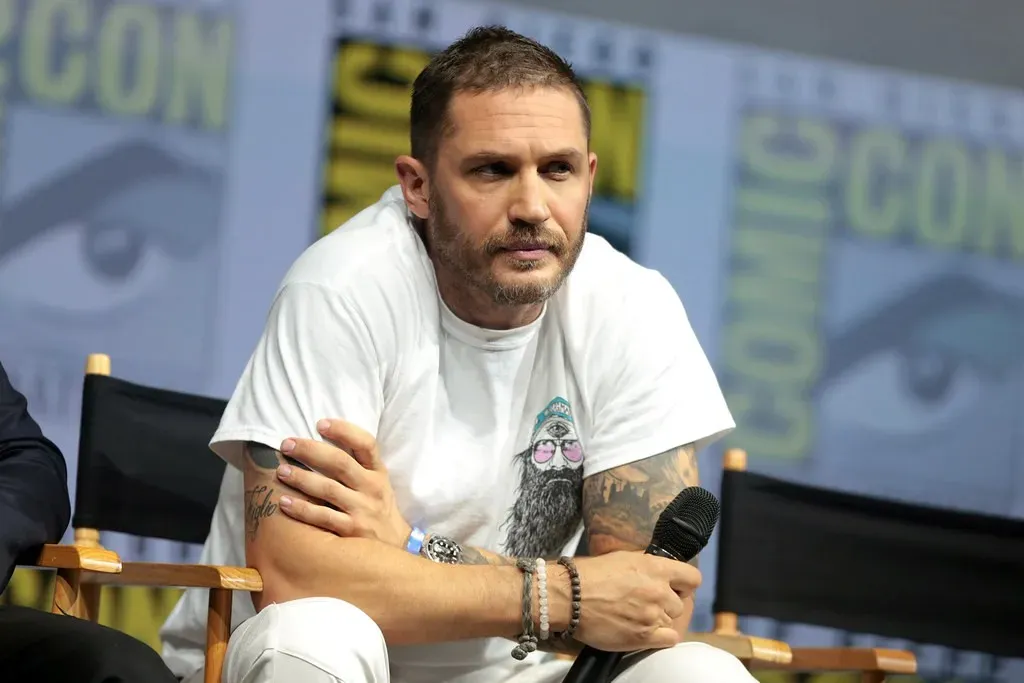
Gavin O’Connor’s Warrior is one of the decade’s most emotional sports dramas, mainly due to visceral performances by Tom Hardy, Joel Edgerton, and Nick Nolte. Hardy plays Tommy Riordan, a deeply wounded and nearly silent young man who enters a mixed martial arts tournament carrying years of repressed grief. It’s a physically dominant performance that also manages to be heartbreaking in its quietest moments.
The $25 million Lionsgate release earned strong critical support and even landed Nolte in the Best Supporting Actor Oscar race, but an early September release date worked against the buzz, as the film bombed with just $13 million in the U.S. Hardy’s work in Warrior is frequently cited as among the finest physical performances of his career, yet the film never got the theatrical audience it deserved. It found its true following later, through streaming and home video.
Brad Pitt – The Assassination of Jesse James by the Coward Robert Ford (2007)
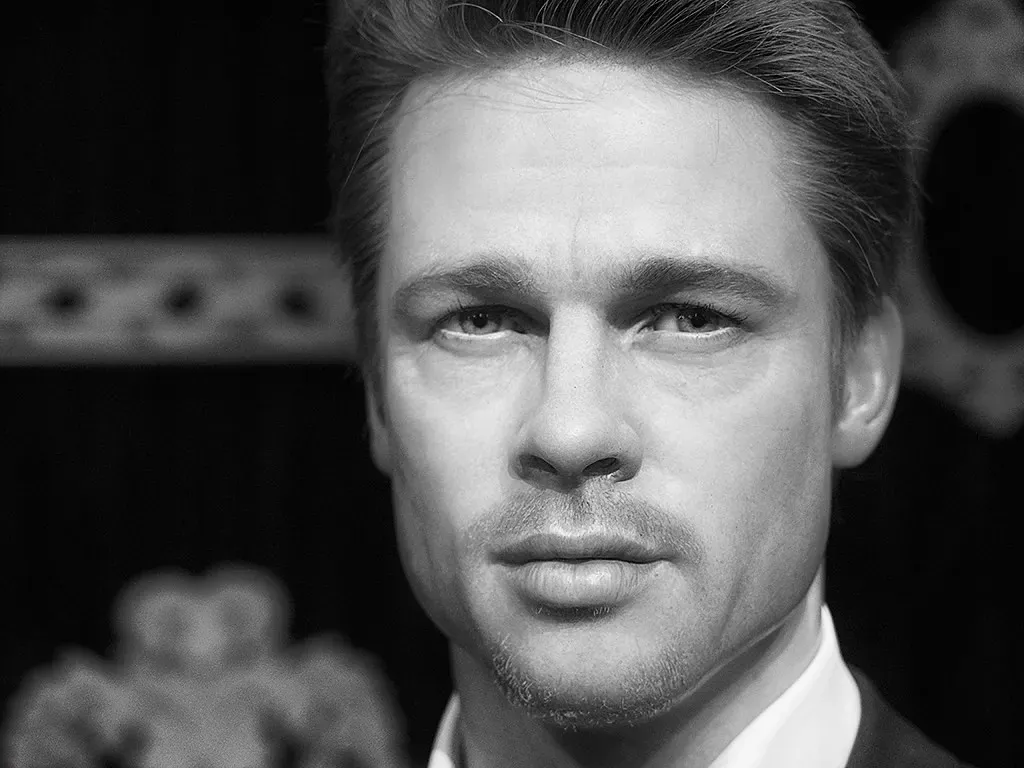
Andrew Dominik’s Jesse James is widely considered one of the crowning achievements of cinematographer Roger Deakins’ career. The Warner Bros. release was a massive box office bomb, grossing nearly $4 million in the U.S. on a $30 million production budget, and only mustering $15 million worldwide. Pitt plays the legendary outlaw as a man already exhausted by his own myth, restless, volatile, and strangely tender.
The film’s release came at a time when Westerns were no longer in fashion, and the two-hour and 40-minute runtime was a tough sell to audiences in 2007. Roger Deakins was nominated for an Oscar, as was supporting actor Casey Affleck. The film has since gained a quiet, devoted following among cinephiles who recognize it as one of the more meditative and beautifully acted American films of the 2000s.
Scarlett Johansson – Under the Skin (2013)
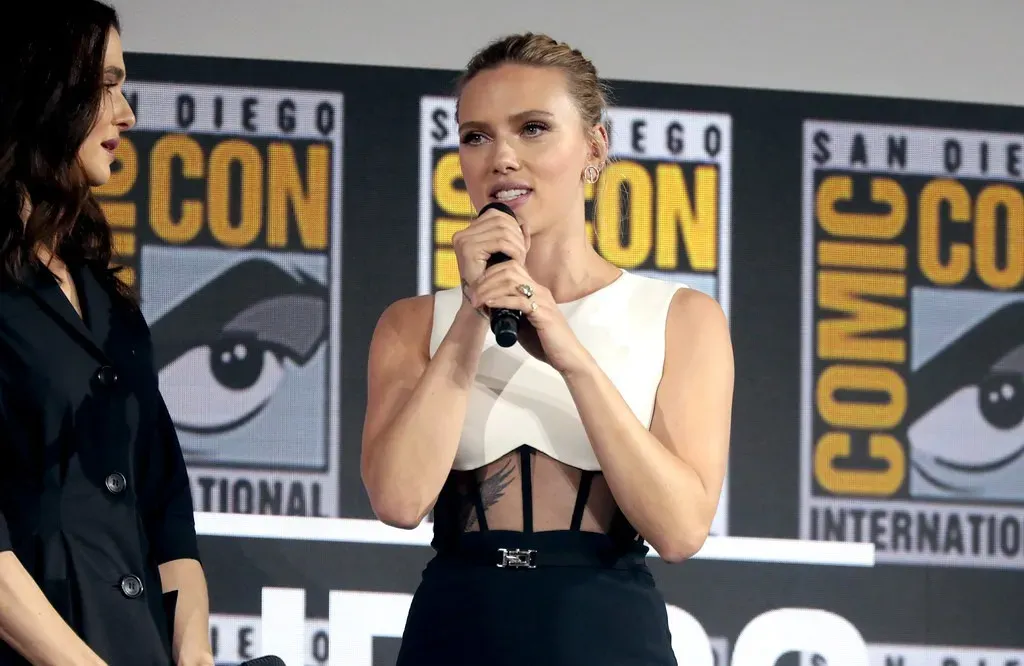
Nothing about Under the Skin is mainstream, so the film’s $2.6 million U.S. gross was not too surprising, even if the movie is widely considered to be one of the great films of the 2010s. Johansson plays an alien stalking the streets of Scotland in order to lure men to her home and harvest their bodies for her home planet. It’s a performance built almost entirely on physical presence and silence, a radical departure from anything audiences expected from her.
Large stretches of the film feel like a documentary, with Johansson being filmed incognito on the streets as she roams around in character. Other stretches feel like unforgettable montages of avant-garde horror. However you want to describe Under the Skin, it’s objectively unforgettable. Johansson committed to something deeply strange and deeply unsettling here, and the near-empty theatres that greeted it remain one of the more baffling disconnects between critical recognition and audience turnout in recent memory.
What connects all eight of these performances is something that box office figures simply can’t capture: the commitment of actors who believed in what they were making, even when the public wasn’t ready to meet them halfway. Film history is filled with films that flopped at the box office yet still managed to be good, and some of these films would receive critical re-evaluation in subsequent decades, revealing the extent to which box office numbers shouldn’t be the sole barometer by which movies are judged. The screen doesn’t lie, even when the ticket sales do.
Partner offer
Planning a trip to Vegas?
Compare hotel rates and show tickets on VEGAS.com.