There’s a particular kind of madness that takes over a film set when a director insists a moment has to look completely real, even if it lasts less time than it takes to read this sentence. Audiences rarely clock the months of quiet, unglamorous practice hiding behind a whip crack, a card trick, or a hand gliding across piano keys. What follows are eight cases where an actor put in serious, sometimes obsessive, work for a moment on screen that most viewers would blink and miss.
Daniel Day-Lewis learned to reload a flintlock rifle on the run for The Last of the Mohicans
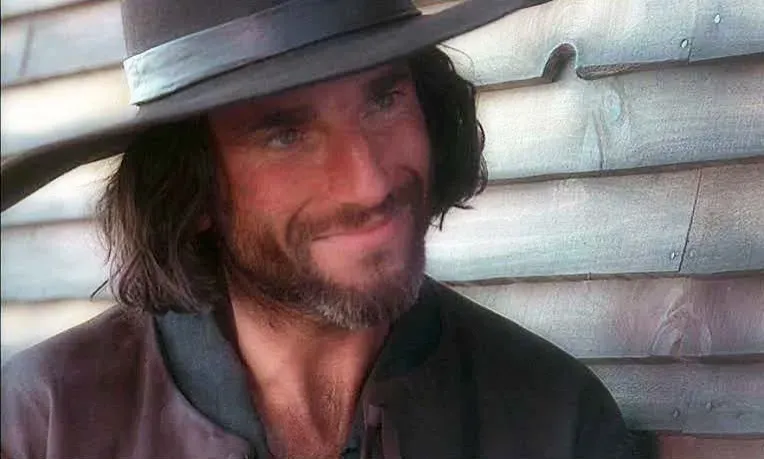
For the 1992 film’s opening deer hunt, Daniel Day-Lewis needed to convincingly fire and reload an eighteenth century flintlock rifle while sprinting through dense forest, a skill that real frontiersmen once had to train specifically to master because of how physically demanding it was. One specific skill Day-Lewis trained in was firing and reloading a flintlock rifle while running, taught to him by a historical re-enactor called Mark Baker. The result appears briefly during the film’s opening sequence, a fleeting burst of action that took an enormous amount of preparation to pull off convincingly.
What made the feat especially notable was just how rare it was. At the time the film was made, it was said that only three people in the world were capable of reloading a flintlock rifle while running. Day-Lewis reportedly carried that same rifle everywhere during production, treating it less like a prop and more like an extension of his own arm, all in service of a scene that lasts only a matter of seconds on screen.
Michelle Pfeiffer trained with a bullwhip expert for a single Catwoman moment
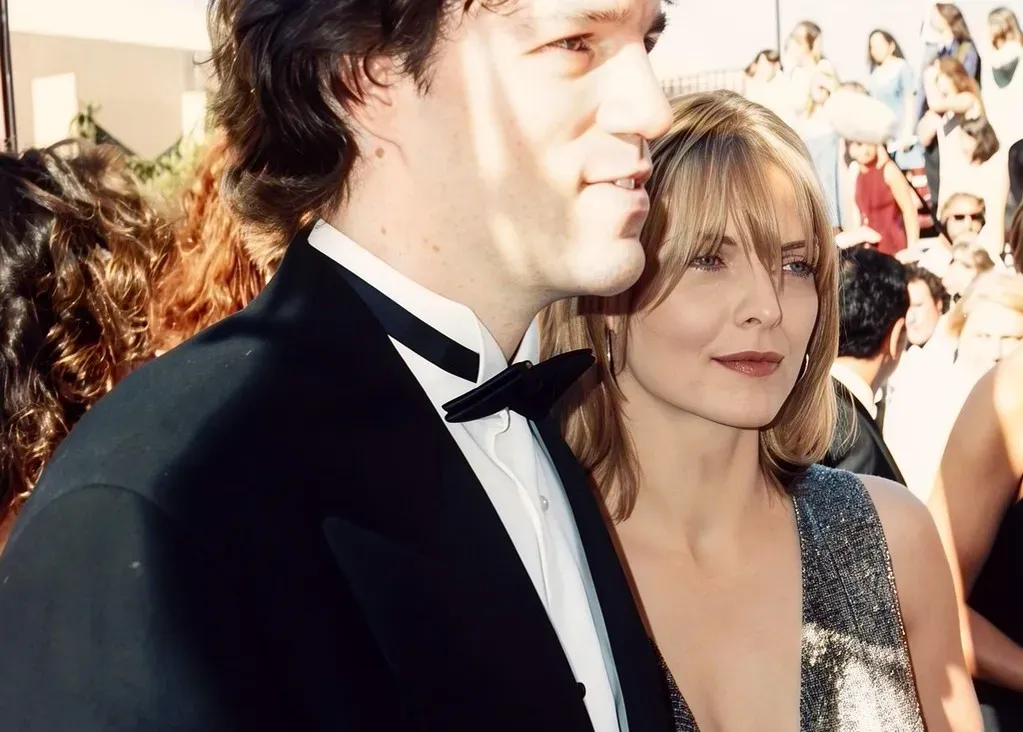
In Batman Returns, Selina Kyle’s transformation into Catwoman includes a striking moment where she uses a bullwhip with unsettling precision. Michelle Pfeiffer did not fake this one. Pfeiffer learned how to use the whip for her portrayal of Catwoman, training with Anthony DeLongis, and the scene where she whipped the mannequins’ heads off in one take was completed in one take.
A bullwhip looks simple in a trailer but is notoriously hard to control, requiring precise timing and wrist motion to snap it accurately at a target without injuring yourself or anyone nearby. Getting the shot in a single take meant there was no room for a second attempt to smooth over a mistake. It stands as one of the more understated examples of physical commitment from an era before digital effects could quietly clean up an imperfect swing.
Christian Bale and Hugh Jackman learned real sleight of hand for The Prestige
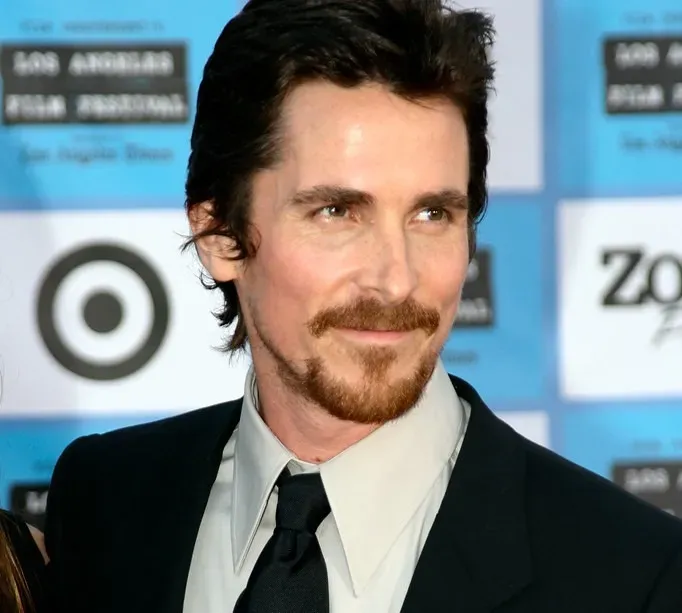
Christopher Nolan wanted his two leads to look like genuine Victorian stage magicians rather than actors pretending to be one, so he brought in professional magicians Ricky Jay and Michael Weber to coach Christian Bale and Hugh Jackman. The magicians trained Jackman and Bale for their roles with brief instruction in various stage illusions, giving the actors limited information, just enough to know how to pull off a specific scene. The approach was deliberately narrow, teaching each performer only what was needed for the shot in front of them.
The results were fittingly modest in scope but precise in execution. The most impressive trick Bale picked up was how to shuffle a deck of cards with one hand. Jackman similarly ended up learning a small flower production trick from a stand-in helper late in the shoot, a tiny flourish that appears fleetingly but had to look effortless.
Will Smith solved a real Rubik’s Cube without any camera trickery for The Pursuit of Happyness
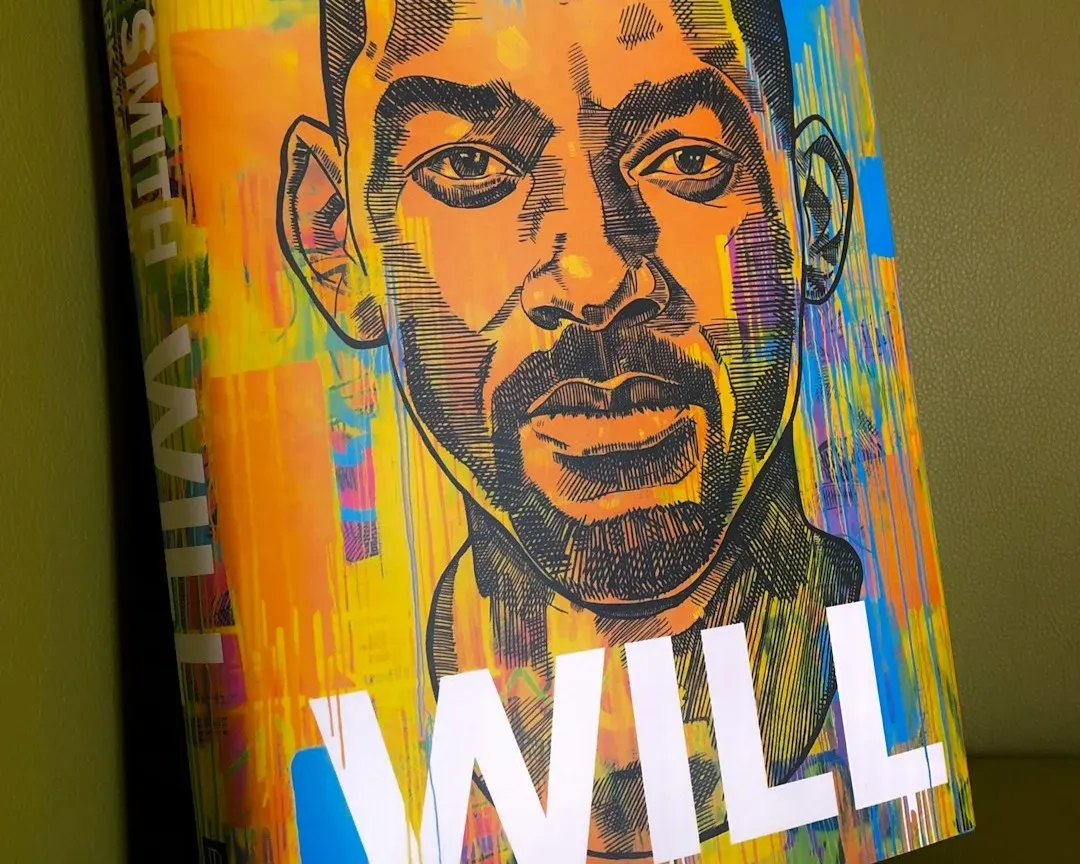
In one scene, Smith’s character Chris Gardner impresses a potential employer by solving a Rubik’s Cube during an elevator ride, a moment meant to signal quiet brilliance without a single line of dialogue. Rather than rely on a stunt double’s hands or a pre-solved prop, Smith actually learned to solve the puzzle himself under the guidance of a cube-solving coach. Reports at the time noted that after roughly ten hours of dedicated instruction, he could complete the cube unaided and on his own timing, a detail that mattered because the camera holds on his hands throughout the moment.
It is a small scene, easy to overlook next to the film’s more emotional beats, but it carries real weight because nothing about it was faked. The puzzle takes genuine spatial reasoning and muscle memory to solve quickly, and having Smith actually do it gave the moment an authenticity that a body double simply could not replicate.
Joseph Gordon-Levitt trained under Philippe Petit himself for The Walk
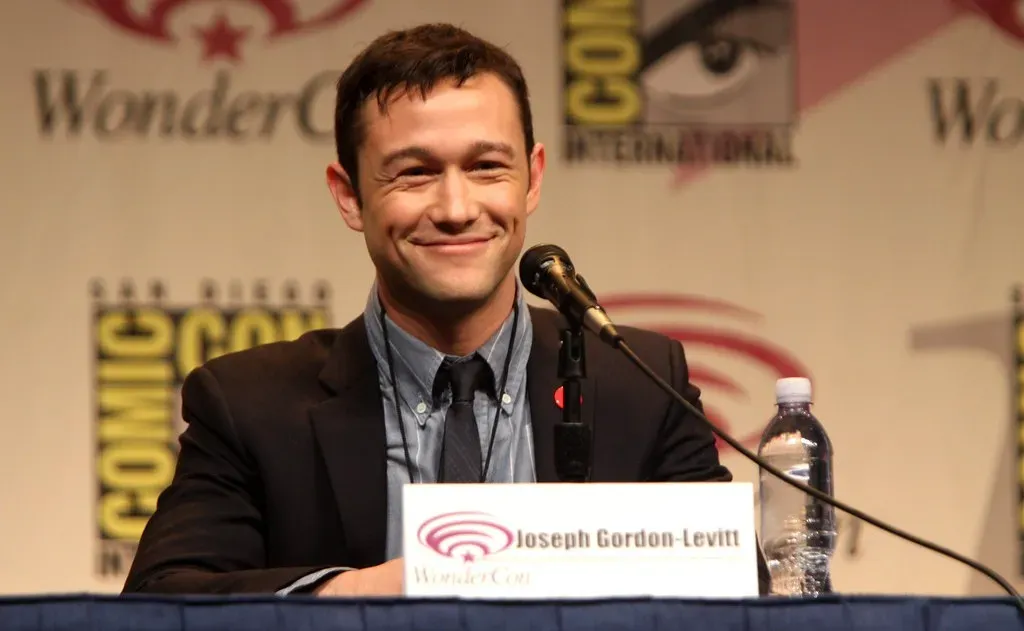
To play the real tightrope walker who crossed between the twin towers of the World Trade Center in 1974, Joseph Gordon-Levitt needed to look like he genuinely belonged on a wire hundreds of feet in the air. Petit personally taught Gordon-Levitt how to walk and move on a tightrope, starting with a line drawn on the ground, then a slightly raised bar, before working up to a tightrope at increasing heights. The progression was slow and methodical, treating balance as a skill built in careful stages rather than something an actor could fake with clever editing.
By the end of his training, Gordon-Levitt had come remarkably far from where he started. He was eventually doing tightrope walks by himself six to eight feet off the ground, and even though he had a harness for insurance reasons, Petit made him walk the high tightrope without one a few times. The film’s climactic walk sequence stretches on for several minutes, but the foundational skill behind it was built for the sake of looking convincing even in its briefest, most precarious seconds.
Kate Winslet trained to hold her breath for minutes to nail one underwater scene
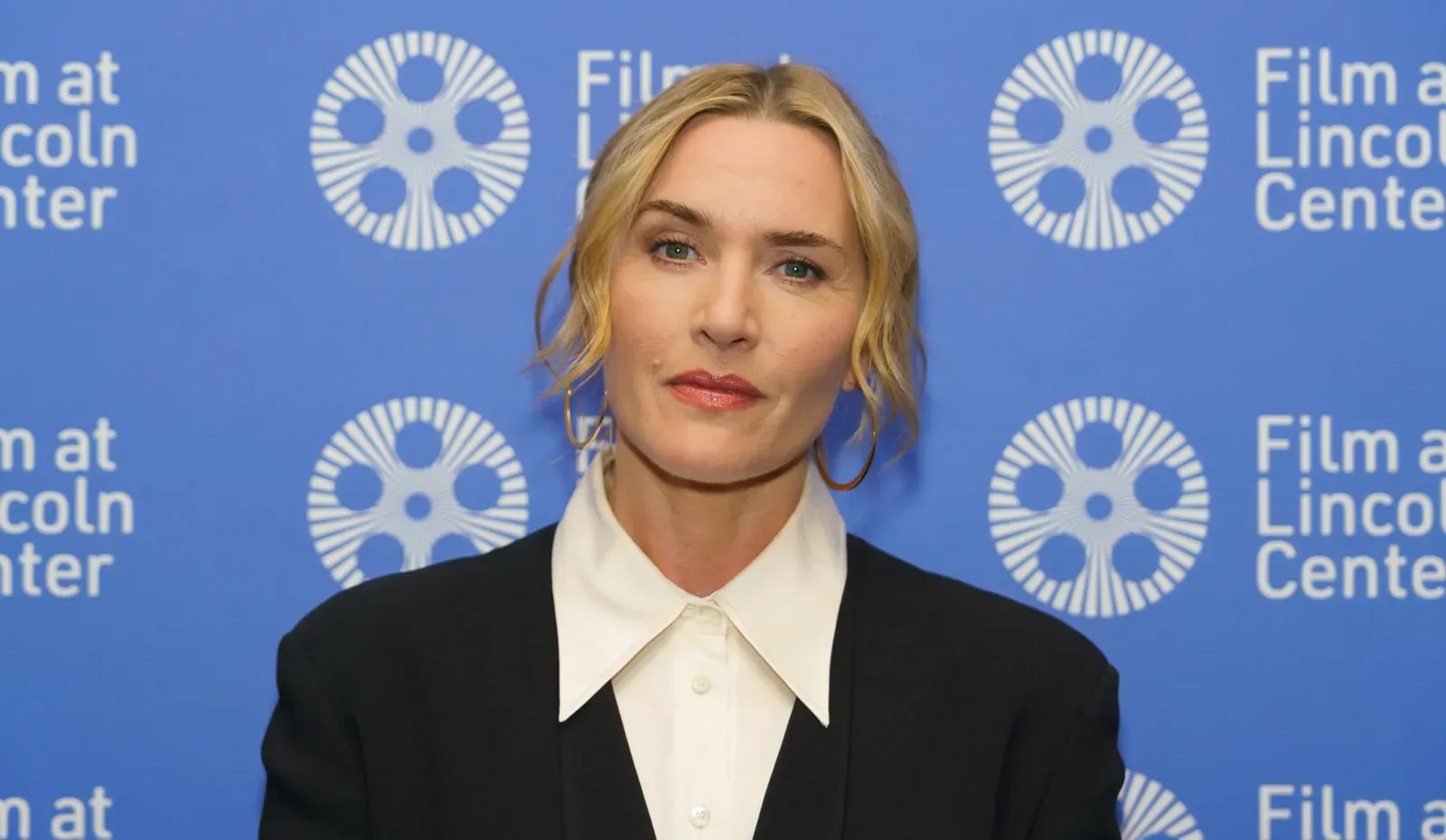
For Avatar: The Way of Water, Kate Winslet needed to perform an underwater sequence that required staying submerged and still for an extended stretch without visible strain. She learned to hold her breath underwater for a long time, eventually reaching seven minutes and fifteen seconds, breaking Tom Cruise’s previously held record for a person holding their breath for a movie. That kind of breath control demands serious physiological training, not just willpower, since the body naturally fights against prolonged oxygen deprivation.
The scene itself plays out on screen in a fraction of that time, but the training behind it reflects how far actors will go for underwater realism in big-budget filmmaking. James Cameron’s productions are known for pushing performers toward genuine physical feats rather than relying purely on digital doubles for underwater work. Winslet’s number remains one of the most talked about behind the scenes details from the film’s production.
Margot Robbie learned to actually skate Tonya Harding’s real Olympic routine for I, Tonya
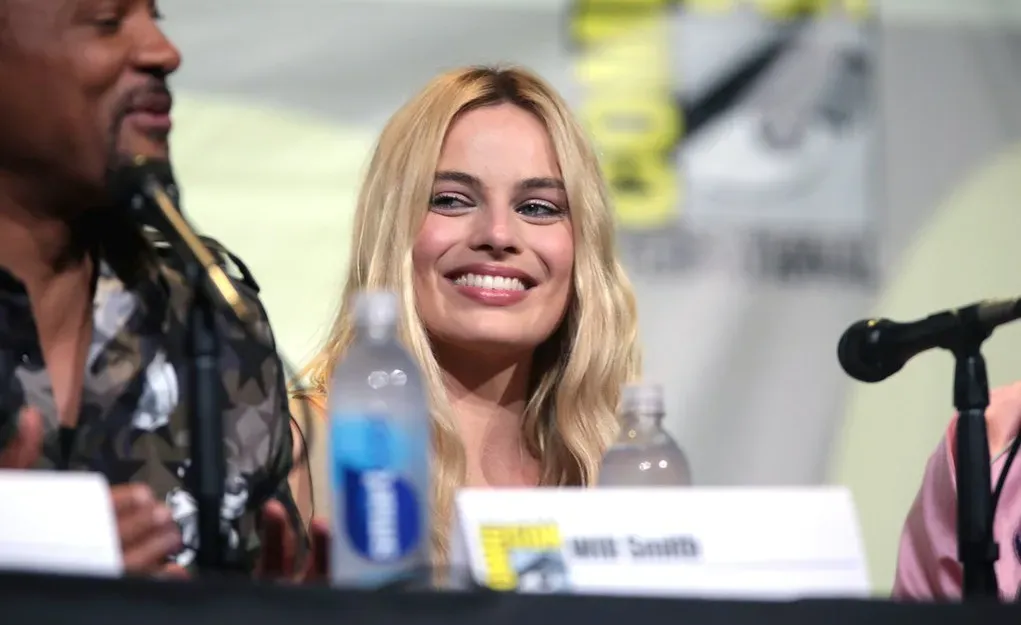
Playing disgraced figure skater Tonya Harding meant Margot Robbie had to look convincing on the ice, not just in wide shots but in moments where the camera lingers close on her form. Margot has said that just a few weeks before shooting she doubted she would ever get the moves down, until one day it simply clicked. Stunt doubles and visual effects handled some of the more technically extreme jumps, but a meaningful portion of the performance rested on Robbie’s own work on the ice.
Her progress ended up exceeding expectations by the time filming began. Margot was able to perform the entire first minute of Tonya’s actual 1994 Olympic routine herself, which is no small feat for someone who had not skated competitively before. That opening minute plays out as a continuous, unbroken display of skill, and having Robbie genuinely execute it gave the sequence a physical honesty that doubling alone could not have provided.
Ryan Gosling learned real jazz piano so unbroken takes in La La Land needed no double
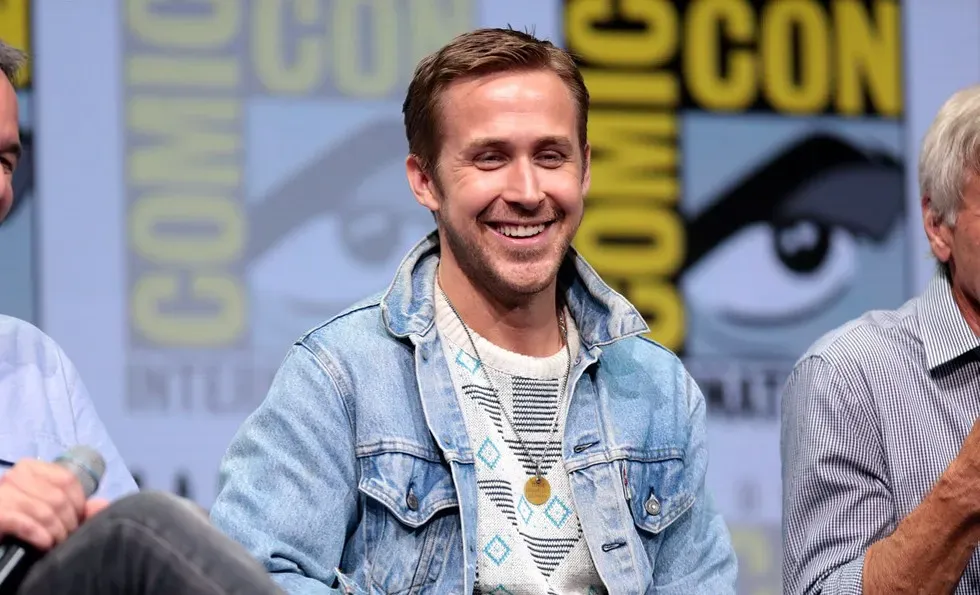
Damien Chazelle shot several of La La Land’s key musical scenes as continuous takes, which meant there was no room to cut away to a hand double or rely on trick editing during Ryan Gosling’s piano performances. Gosling spent three months learning how to play the piano for his Oscar nominated role. He had dabbled in piano before but had never approached the level of technical jazz playing his character Sebastian required.
The commitment held up under scrutiny once the film was finished. Chazelle confirmed there were no hand replacements and no piano double at all in any shot of the movie. The practice paid off most visibly in short, seemingly effortless close-up moments where the camera holds on his hands gliding across the keys, a detail that would have looked noticeably off with anything less than genuine skill behind it.
These moments share a common thread. Each one lasts only a sliver of a film’s total runtime, yet each demanded weeks or months of specialized training that most audiences never think to ask about. It says something about how seriously certain performers take the smallest details, treating a fleeting shot with the same discipline as a film’s biggest set piece.