Music has a long history of testing the limits of what broadcasters are willing to put on air. Sometimes it’s a lyric, sometimes it’s a political jab, and sometimes a song just gets caught in the wrong cultural moment. What follows is a look back at eight tracks that ran into trouble with radio programmers, government officials, or entire broadcasting corporations, and in nearly every case, the controversy only made the song more famous.
God Save the Queen by Sex Pistols
Released in May 1977 to coincide, deliberately or not, with Queen Elizabeth II’s Silver Jubilee, this Sex Pistols track was pulled from BBC airwaves almost immediately. On May 31, 1977, the song earned a total ban on radio airplay from the BBC, though the ban proved a powerful endorsement for the punk group. The Independent Broadcasting Authority followed suit, meaning commercial stations couldn’t touch it either.
The lyrics, which called the monarchy a “fascist regime,” were labeled by a BBC controller as an example of gross bad taste. The song was banned by the BBC and multiple radio stations after BBC Radio 2 controller Charles McLelland labelled it as bad taste. Despite the blanket ban, or maybe because of it, the single climbed to number two on the UK charts, kept from the top spot by Rod Stewart, a result many punk fans still view with suspicion.
Relax by Frankie Goes to Hollywood
This one has become something of a textbook case in how a ban can turn a struggling single into a chart-topper. According to Holly Johnson, it was DJ Mike Read’s producer who, on January 11, 1984, initially caused all the brouhaha by phoning Read and instructing him to pull the record from his breakfast show playlist, an action that resulted in the BBC implementing a complete ban. Before that moment, the song had been inching up the charts at a slow pace.
Once the ban hit, everything changed. The banned “Relax” rose to number 2 in the charts by January 17 and hit the No.1 spot on January 24. By that point, the BBC Radio ban had extended to Top of the Pops as well, which displayed a still picture of the group during its climactic No.1 announcement, before airing a performance by a non-Number One artist. The ban was eventually lifted later that year, but by then the song’s place in pop history was already secure.
Louie Louie by The Kingsmen
Few banned songs have a stranger backstory than this garage-rock staple. The trouble started in Indiana, where the FBI launched an extensive investigation into the song after Indiana governor Matthew Welsh declared it pornographic in early 1964 and asked the Indiana Broadcasters Association to ban it. The irony is that nobody could actually understand what singer Jack Ely was saying.
Federal investigators spent well over two years chasing a mystery that turned out to be nothing. Empowered by the law against Interstate Transportation of Obscene Material, the FBI spent more than two years investigating the words, and the finished report ran more than 140 pages long. In the end, the bureau concluded the recording was simply unintelligible at any speed, closing one of the more absurd chapters in FBI history.
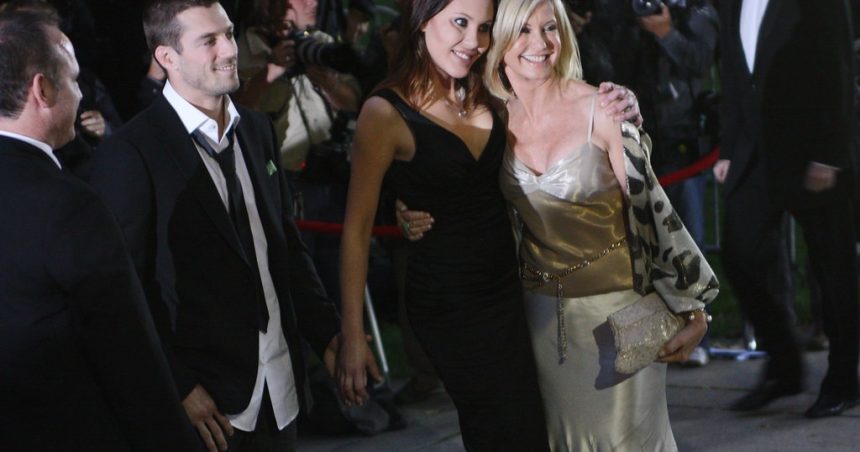
Physical by Olivia Newton-John
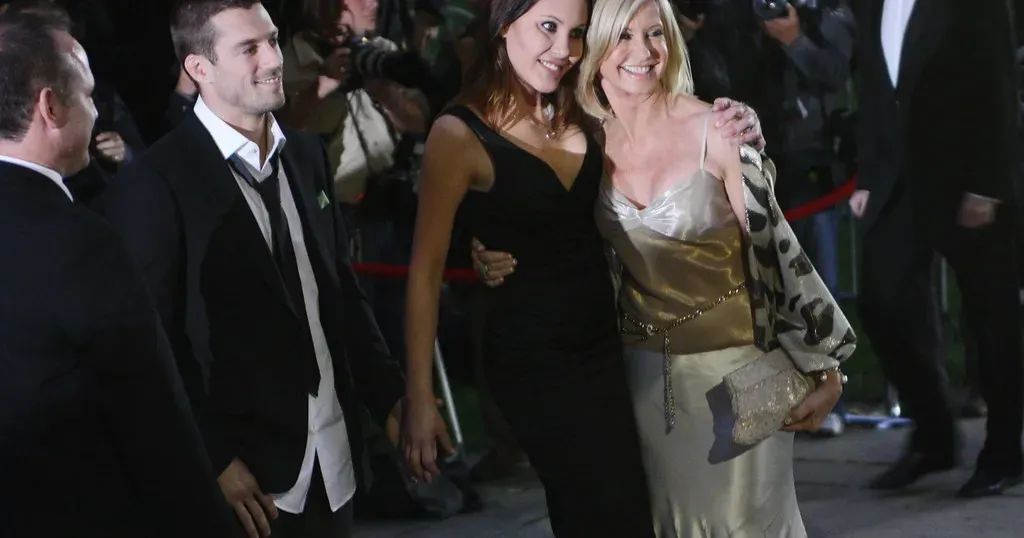
Even a song that would go on to become one of the best-selling singles of its decade wasn’t immune to censorship. In November 1981, two Utah radio stations, including one owned by the Mormon Church, banned the song for containing suggestive lyrics, with one station pulling it after complaints about the line “let’s get physical.” The double entendre, once it sank in with listeners, apparently proved too much for local programmers.
A program manager at the Salt Lake City station explained the reasoning at the time. The lyrics were called more suggestive than most songs, going the one additional step. None of that slowed the song’s momentum nationally, though. Two weeks after Billboard reported the ban, “Physical” took over the top spot on the charts, where it would stay for a total of ten weeks.
Partner offer
Cop Killer by Body Count

Ice-T’s metal band Body Count released this track in 1992 during one of the most racially charged years in recent American history. When the song came out, the verdict had yet to be handed down in the Rodney King case, where four white Los Angeles Police Department officers were caught on camera beating an unarmed Black man. The backlash reached the very top of government. The song’s lyrics about cop killing were criticized by President George H. W. Bush and Vice President Dan Quayle.
Radio stations across the country pulled the track, and the pressure eventually reached the label itself. The Texas Fraternal Order of Police threatened a boycott of Time Warner products unless the track was withdrawn. On July 28, 1992, Ice-T asked Time Warner to pull the song from the album, and the label complied, replacing it with a song called “Freedom of Speech.”
Ohio by Crosby, Stills, Nash & Young

Written within days of the Kent State shootings in May 1970, “Ohio” was a direct and furious response to National Guard troops killing four unarmed college students. The song’s lyrics named President Nixon outright, blaming his administration for the climate that led to the tragedy. That kind of pointed political attack made some radio programmers nervous, especially at stations with conservative ownership or advertisers who didn’t want to touch anything tied to an active national controversy.
Several AM stations across the country refused to add the song to their playlists, and some that did play it received complaints from listeners who saw it as anti-government propaganda rather than protest music. Despite that resistance, the song still climbed into the Billboard Hot 100 and became one of the defining protest anthems of the era. Its willingness to name a sitting president in a rock lyric was almost unheard of at the time, which is exactly why some stations wanted nothing to do with it.
The Pill by Loretta Lynn
Loretta Lynn built a career on writing frankly about working class women’s lives, and few of her songs pushed harder against Nashville convention than this one. Released in 1975, the track celebrated the birth control pill as a tool of liberation for women tired of endless pregnancies, a subject country radio was simply not ready to touch. Dozens of country stations across the South and Midwest refused to add it to rotation, viewing the subject matter as inappropriate for daytime airplay.
The controversy didn’t stop the song from becoming one of Lynn’s signature hits, reaching the top five on the country charts despite the resistance. It also became something of a rallying point in conversations about women’s health and reproductive freedom being discussed openly in mainstream music. Decades later, the song is still cited as one of the boldest moments in country music’s often conservative history.
WAP by Cardi B and Megan Thee Stallion
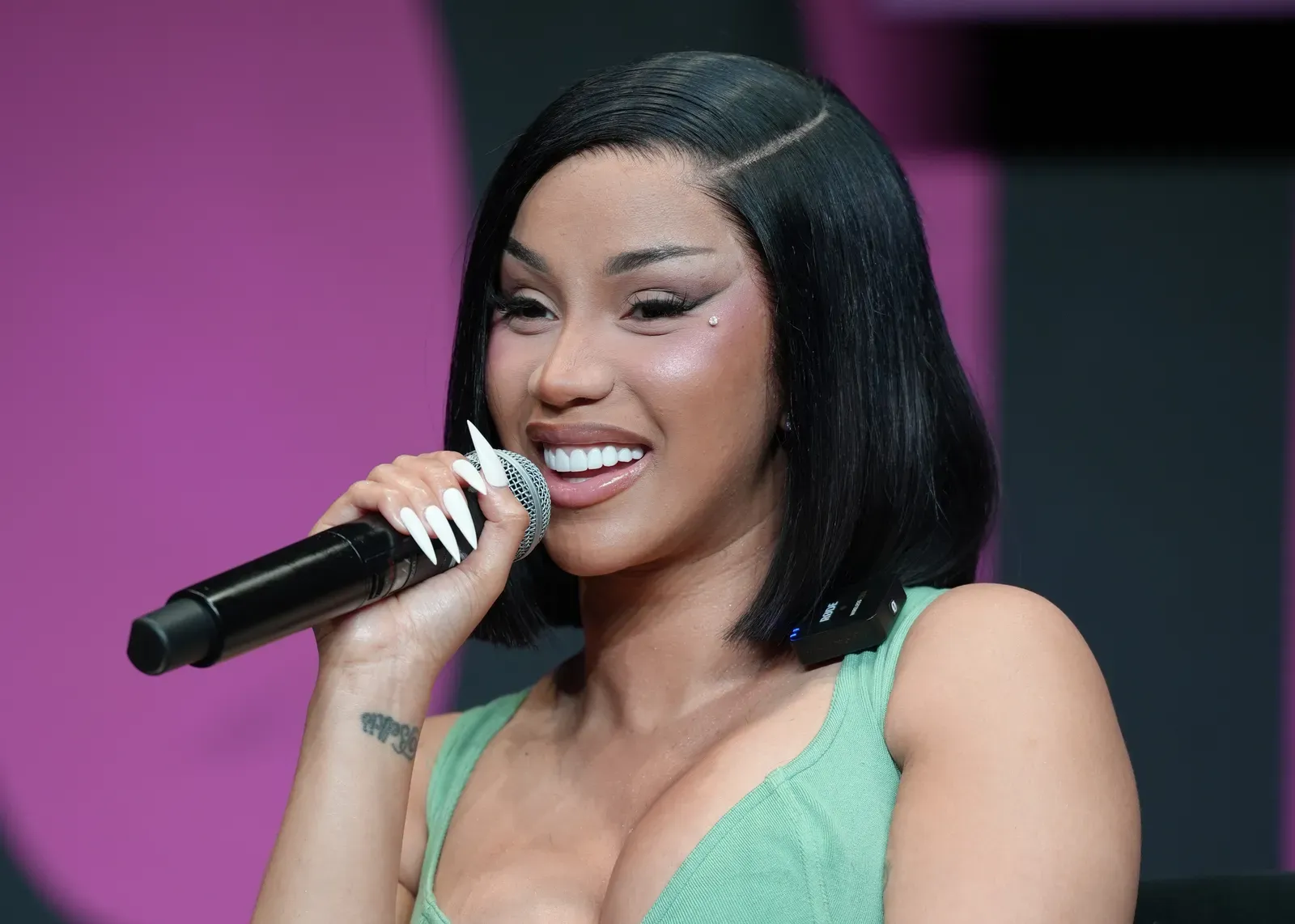
When this collaboration dropped in 2020, its explicit lyrics made it an instant lightning rod, and radio programmers around the world had to decide how to handle it. Many U.S. stations opted to play only a heavily edited version, stripping out or altering the song’s most graphic lines to make it suitable for daytime broadcast. Some markets went further and simply declined to add the track to rotation at all, citing its content as too explicit even in edited form.
Outside the United States, the reaction was sometimes stronger. The song’s video and lyrics drew official pushback in a handful of countries where authorities deemed the content obscene, leading to outright restrictions on its broadcast. None of that stopped the song from becoming a massive commercial success, debuting at number one on the Billboard Hot 100 and cementing itself as one of the most talked about releases of that year.
Looking back at these eight songs, a pattern emerges that has nothing to do with the decade or the genre. Whether it was punk rock aimed at the monarchy, a country ballad about birth control, or a hip hop collaboration built for shock value, controversy rarely killed a song’s chances. More often than not, a ban became free publicity, turning a risky record into something listeners went out of their way to hear.Partner offer
Planning a trip to Vegas?
Compare hotel rates and show tickets on VEGAS.com.