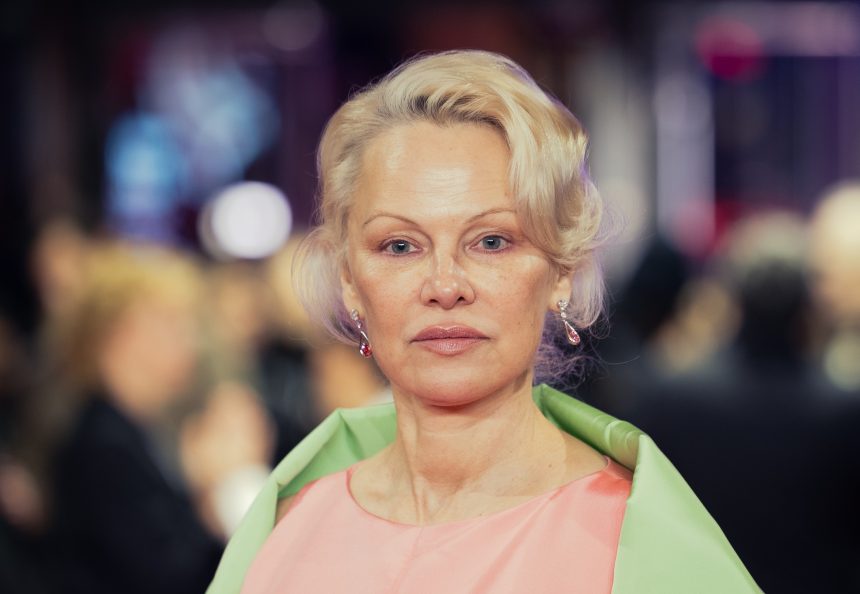
Hollywood loves a redemption arc, but the industry itself is rarely kind to the people living one. Careers stall, phones stop ringing, and reputations calcify around a single role or a single headline. Every so often, though, an actor who seemed permanently sidelined walks back into the spotlight and reminds everyone why they mattered in the first place. The following eight stories, spanning the last two decades but especially vivid in the past few years, show just how unpredictable a career arc can be.
Ke Huy Quan and the return nobody saw coming


Ke Huy Quan spent his childhood as one of the most recognizable faces in adventure cinema, playing Short Round in Indiana Jones and the Temple of Doom and Data in The Goonies. The opportunities dried up, Quan said, and he decided to abandon his acting career for work behind the camera. For nearly two decades he worked in stunt coordination and production rather than in front of the camera.
What brought him back was watching Crazy Rich Asians and realizing he wanted to be part of that wave of representation again. The actor previously told Variety that it was “Crazy Rich Asians” that motivated him to return to acting, saying that seeing his fellow Asian actors up on the screen made him want to be up there with them. That decision led him to Everything Everywhere All at Once, and eventually to the Oscar stage, where Ke Huy Quan won the Oscar for supporting actor for his work in ‘Everything Everywhere All at Once’ after a decades-long absence from screens.
Brendan Fraser and the weight of a decade away

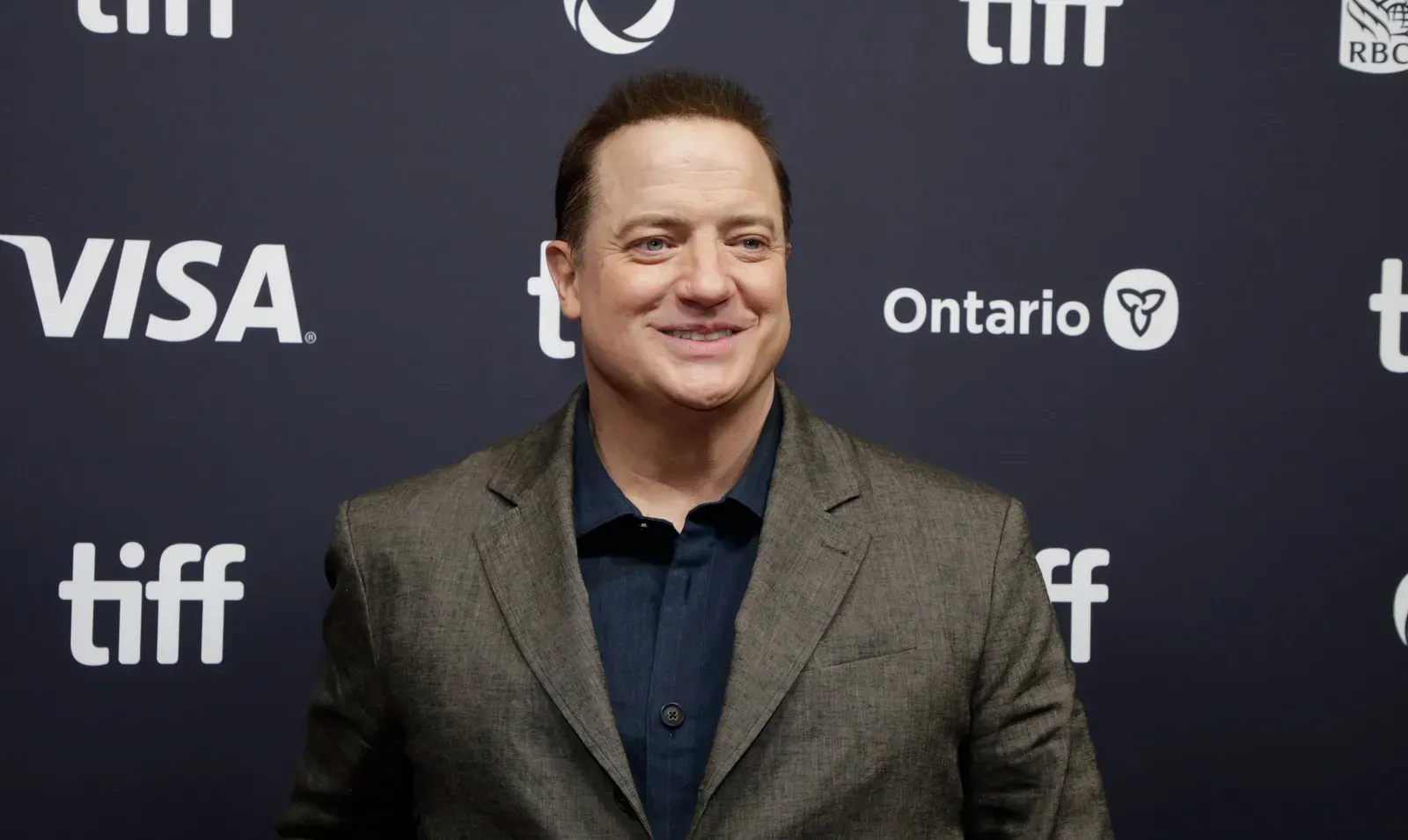
Fraser was one of the defining leading men of the late nineties and early two thousands, carrying the Mummy franchise and charming audiences in George of the Jungle. By the 2010s, though, he had largely vanished from major theatrical releases. Though Fraser had worked steadily in television and smaller movies in recent years, he hadn’t headlined a major theatrical release since 2010’s “Extraordinary Measures” with Harrison Ford.
His transformation into Charlie, a reclusive professor in Darren Aronofsky’s The Whale, changed everything. Brendan Fraser has scooped an Oscar for his first lead role in a major film for 12 years, in The Whale, capping a comeback for one of Hollywood’s former leading men who has admitted he was left “in the wilderness” for a decade. Even after the win, he has been candid that the comeback did not erase the years of self-doubt that came before it.
Demi Moore finally gets her first real trophy

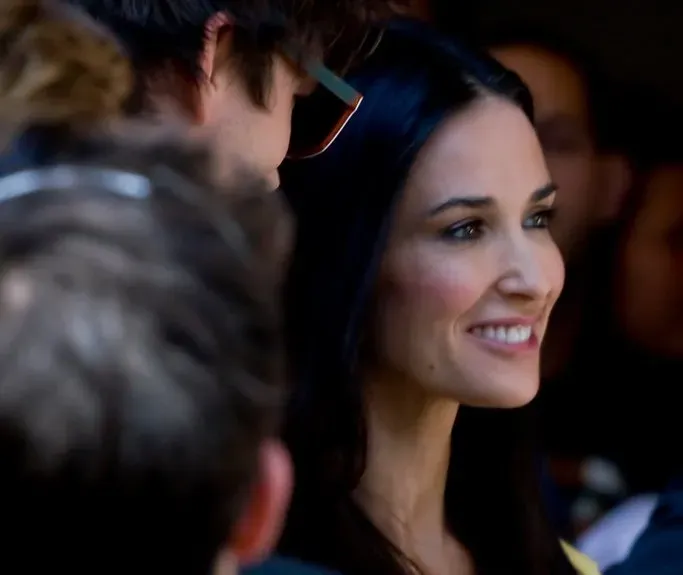
Moore was a certified A-lister in the eighties and nineties, breaking out in Ghost and later commanding a reported record paycheck for G.I. Jane. Then came Striptease, a critical failure that, by her own account, followed her for decades. Moore’s career started with a number of small film roles throughout the 1980s before her breakout as Molly Jensen in the blockbuster hit “Ghost” in 1990, but her leading role in “Striptease” in 1996 was poorly received, earning her a Golden Raspberry Award and a reputation as “box office poison.”
The horror satire The Substance changed the conversation entirely. Moore told the audience she had been doing this a long time, like over 45 years, and that this was the first time she had ever won anything as an actor. The role also earned her an Academy Award nomination for best actress, a milestone that once seemed unlikely for an actress written off decades earlier.
Pamela Anderson steps out of the tabloid frame

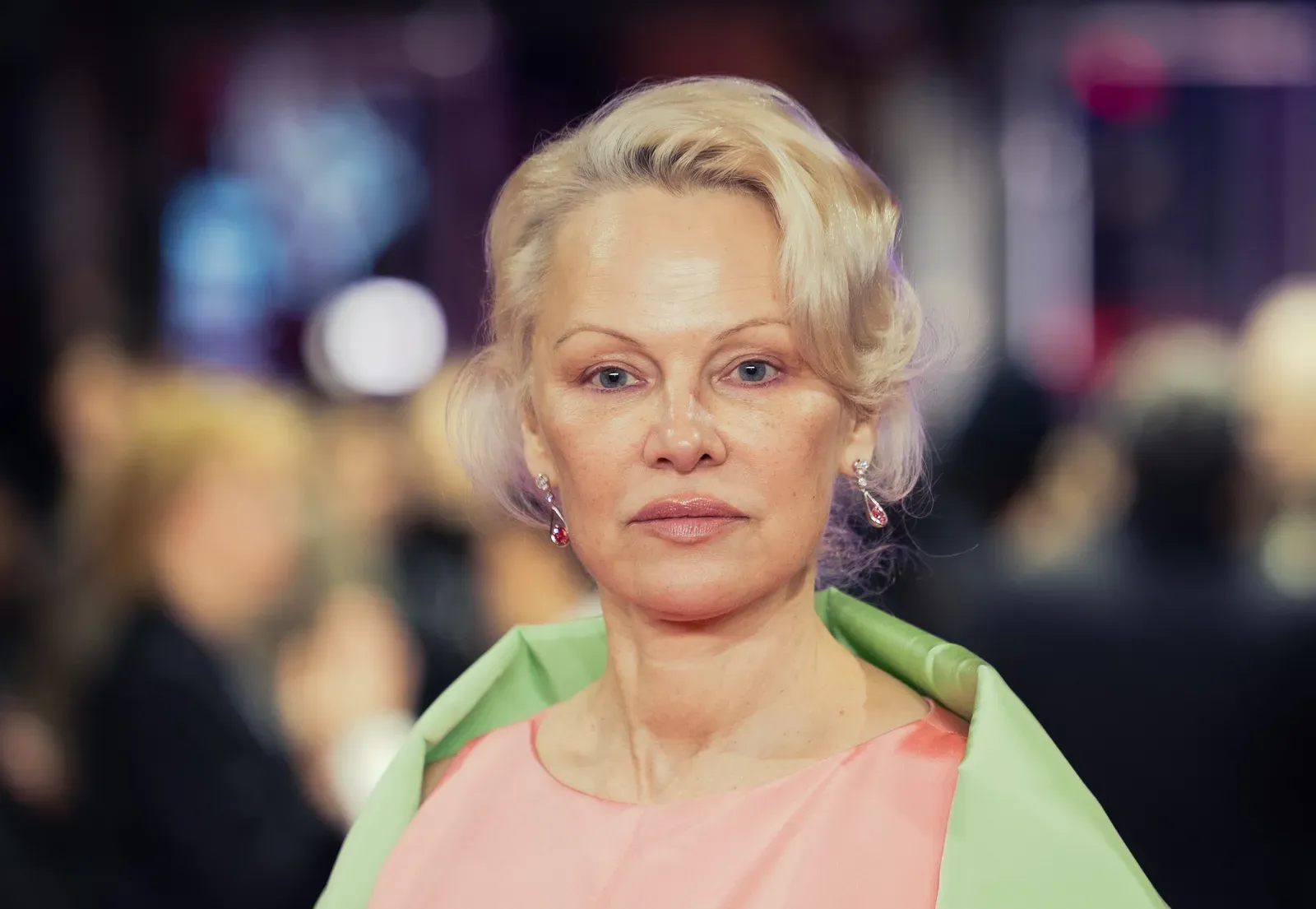
For most of her career, Anderson was defined by Baywatch, Playboy, and a stolen sex tape that turned her private life into public spectacle. Acting recognition rarely entered the equation. While Moore and Jolie were global movie stars in their primes, Anderson was mainly a TV starlet recognized as the hot chick from Home Improvement and Baywatch who gradually became less popular over time, without any critical or box office hits on her resume and no praise for her acting.
The Last Showgirl, directed by Gia Coppola, gave her a genuinely dramatic role as an aging Las Vegas dancer facing retirement, and critics noticed immediately. The Last Showgirl earned her critical praise, and she scored Gotham, Golden Globe and SAG Awards nominations for her work on the film. She has described the acclaim as particularly meaningful given how the Hulu series Pam & Tommy handled her story without her involvement.
Michael Keaton rediscovers his edge in Birdman

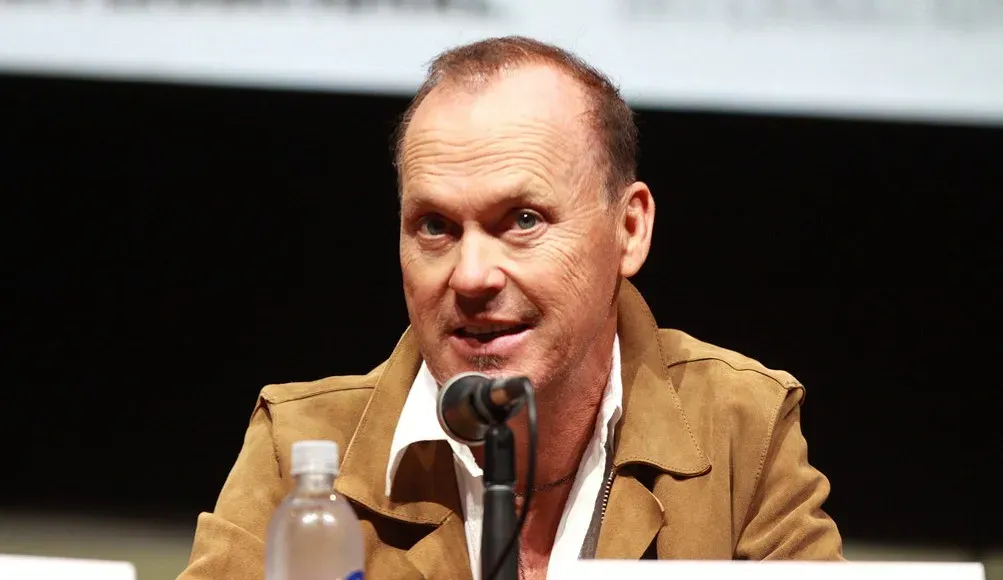
After a run of blockbuster success playing Batman in the late eighties and early nineties, Keaton spent much of the 2000s in smaller supporting roles that rarely tested his range. His career had settled into a comfortable but unremarkable rhythm. Then Alejandro G. Iñárritu cast him as a washed-up actor chasing relevance in Birdman, a role that mirrored Keaton’s own public narrative almost too neatly.
The film became one of the most talked about performances of 2014, earning Keaton a Golden Globe for best actor and an Academy Award nomination. Critics and audiences alike treated it as a genuine reintroduction to an actor many had quietly written off. It remains one of the more self-aware comeback stories in recent film history, precisely because the role leaned into the very perception it was trying to overturn.
Mickey Rourke finds himself in The Wrestler

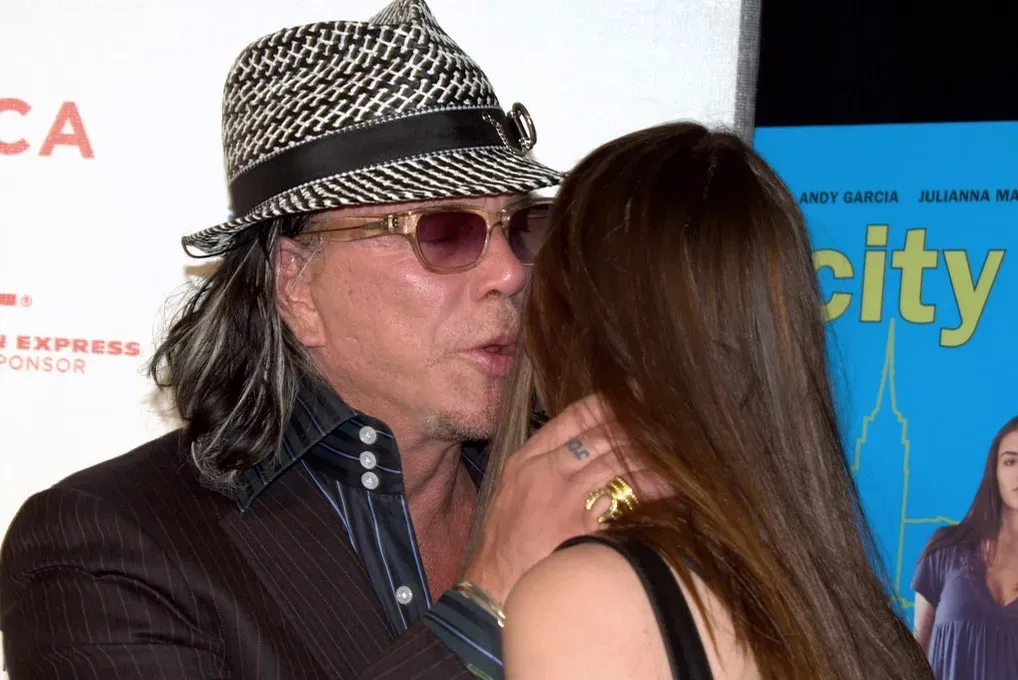
Rourke’s career trajectory in the eighties suggested he was headed for the top tier of American actors, with roles in films like Diner and Angel Heart building serious momentum. Personal struggles and a brief detour into professional boxing derailed much of that promise through the nineties. By the early 2000s he was largely absent from mainstream cinema.
Darren Aronofsky’s The Wrestler in 2008 changed that trajectory almost overnight, casting Rourke as an aging professional wrestler whose battered body and fading career echoed his own life story. The performance earned him a Golden Globe for best actor and an Oscar nomination, and it remains one of the clearest examples of an actor’s real life experience deepening a fictional role. It also reopened doors that had been closed for the better part of two decades.
Robert Downey Jr. rebuilds trust one role at a time

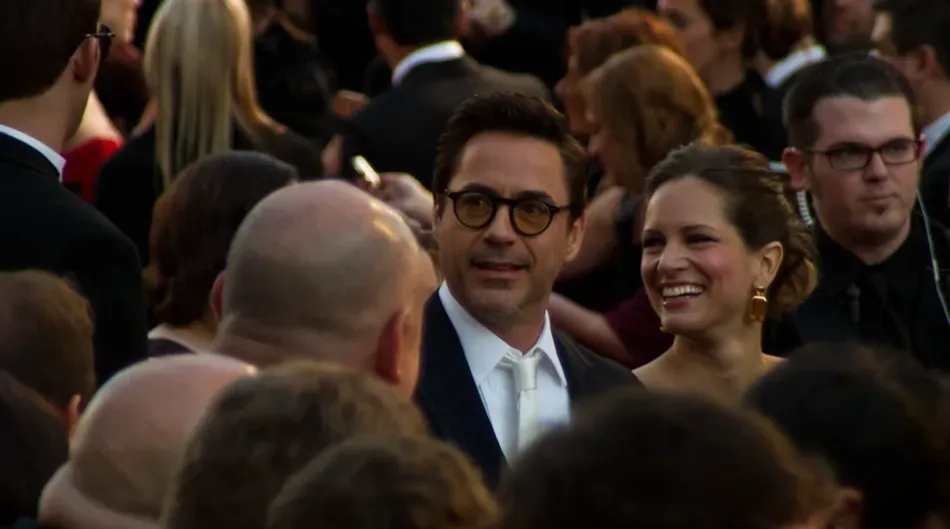
Few comeback stories in modern Hollywood are as well documented as Downey Jr.’s struggles with addiction and legal trouble throughout the nineties and early two thousands, which at one point made him nearly uninsurable for productions. Studios were reluctant to bet on him, regardless of his obvious talent. Getting cast in Iron Man in 2008 required Marvel executives to personally vouch for him and cover the added insurance costs themselves.
The gamble paid off in ways few could have predicted, turning Downey Jr. into the anchor of the Marvel Cinematic Universe for over a decade. His personal recovery and professional resurgence became intertwined in the public imagination, with Iron Man frequently cited as the role that gave him both a second chance and a new identity. It stands as one of the clearest examples of a single role completely resetting an actor’s trajectory.
Val Kilmer’s voice returns through unexpected means

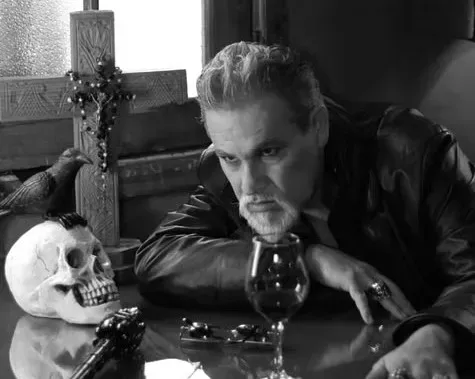
Kilmer was a major leading man through the eighties and nineties, known for Top Gun, Batman Forever, and Tombstone, before throat cancer treatment altered the course of his later life. The actor lost his ability to speak after going through throat cancer treatment in 2014. For years afterward, his public appearances became rare and his ability to work in film seemed limited.
His return in Top Gun: Maverick relied on a genuinely novel kind of comeback, one built with artificial intelligence rather than traditional recovery. Kilmer’s one emotional line of dialogue required a unique partnership with Sonantic, a voice synthesis company that fed hours of his archival recordings through AI to generate a vocal clone of the actor. Kilmer died in 2025, making that reunion with Tom Cruise’s Maverick one of the more poignant final chapters in any of these eight stories.
These eight paths look nothing alike, yet they share a common thread. None of these actors were rescued by nostalgia alone. Each returned with a performance sharp enough to justify the second look, proof that a quiet stretch in a career does not have to be the final word.