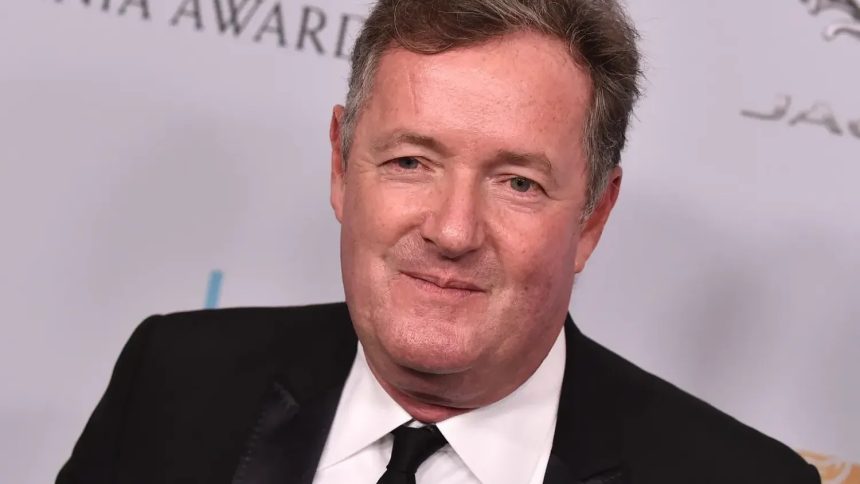
There’s a certain breed of media personality that audiences consistently push back against, critics regularly skewer, and yet television executives and digital platforms keep booking, promoting, and rewarding anyway. It’s one of the more baffling dynamics in modern media: the more polarizing a figure becomes, the more airtime they seem to receive. Whether the reasoning is ratings, clicks, controversy, or all three, the pattern repeats itself across cable news, morning TV, and digital streaming.
The six interviewers below aren’t hated because they ask tough questions. Good journalists are supposed to do exactly that. They’re on this list because their controversies go further, revealing patterns of bad faith, ethical breaches, questionable platforming, or sheer audience-alienating arrogance that makes many viewers wonder why these names keep appearing on their screens. Here’s a gallery-style look at the figures the public has soured on, and the reasons why.
Piers Morgan

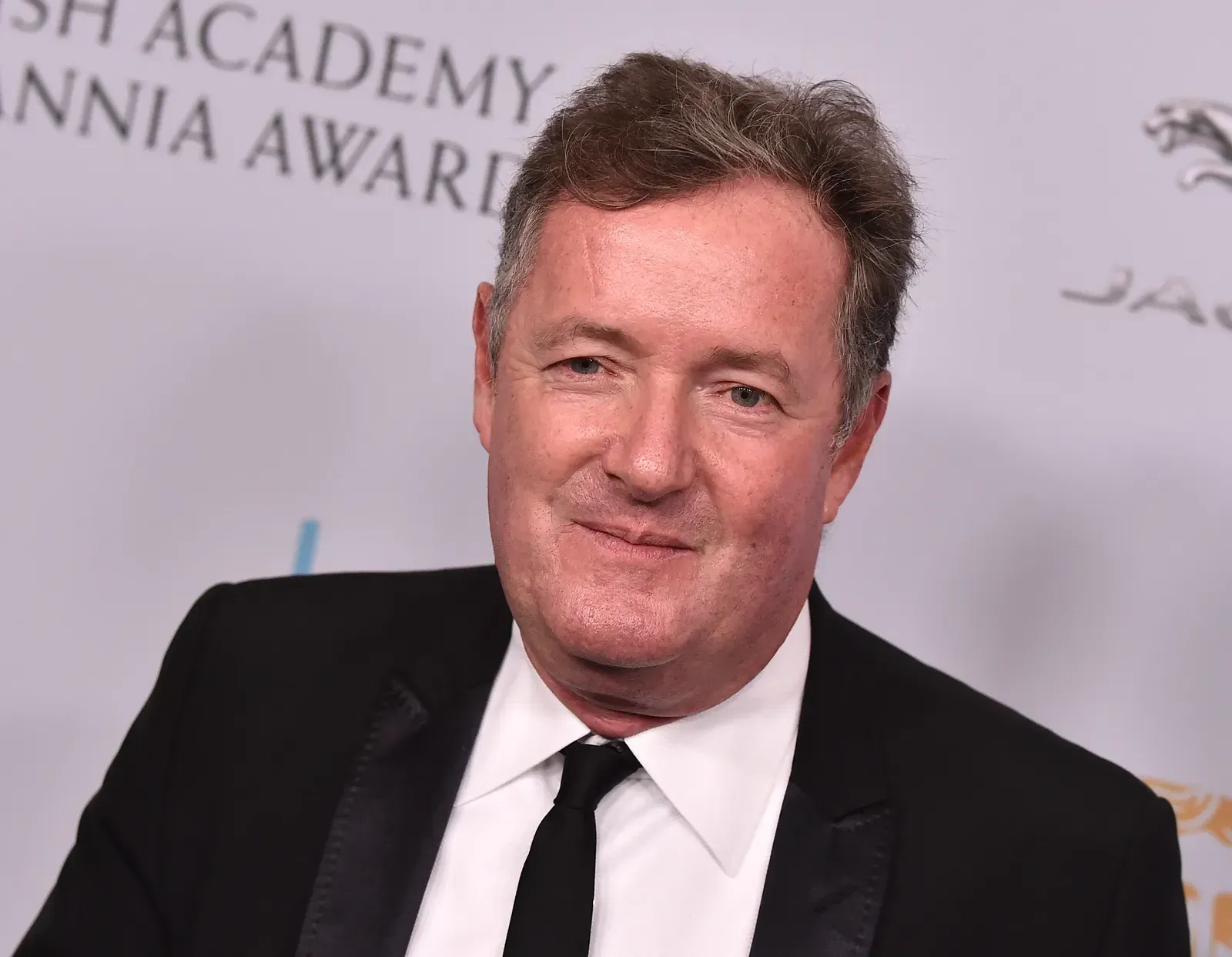
Few names in broadcasting generate such a reliable eye-roll as Piers Morgan. Despite being one of the most popular journalists and TV personalities, Morgan’s career has been riddled with controversies, and he has often been criticized for his controversial journalistic style and harsh remarks. His CNN show, Piers Morgan Live, replaced Larry King in 2011, but he reportedly failed to connect with the American audience and often faced criticism for his views, and the show received poor ratings before being axed in 2014. Still, platforms kept giving him new homes, including Sky News Australia and his YouTube channel, Piers Morgan Uncensored.
The criticisms of Morgan run broad and deep. His name was also connected to the phone hacking scandal involving the British media that came under investigation during Operation Weeting in 2011, and the findings of the Leveson Inquiry showed that Justice Sir Brian Leveson claimed Morgan was aware that phone hacking was taking place in the press. More recently, Morgan has been at the center of much debate around the war in Gaza, particularly for the harsh criticism he’s received for starting each interview with a Palestinian guest by asking, “Do you condemn Hamas?” He remains one of the most complained-about broadcasters in Britain, with thousands of Ofcom complaints logged against his interviews over the years.
Tucker Carlson

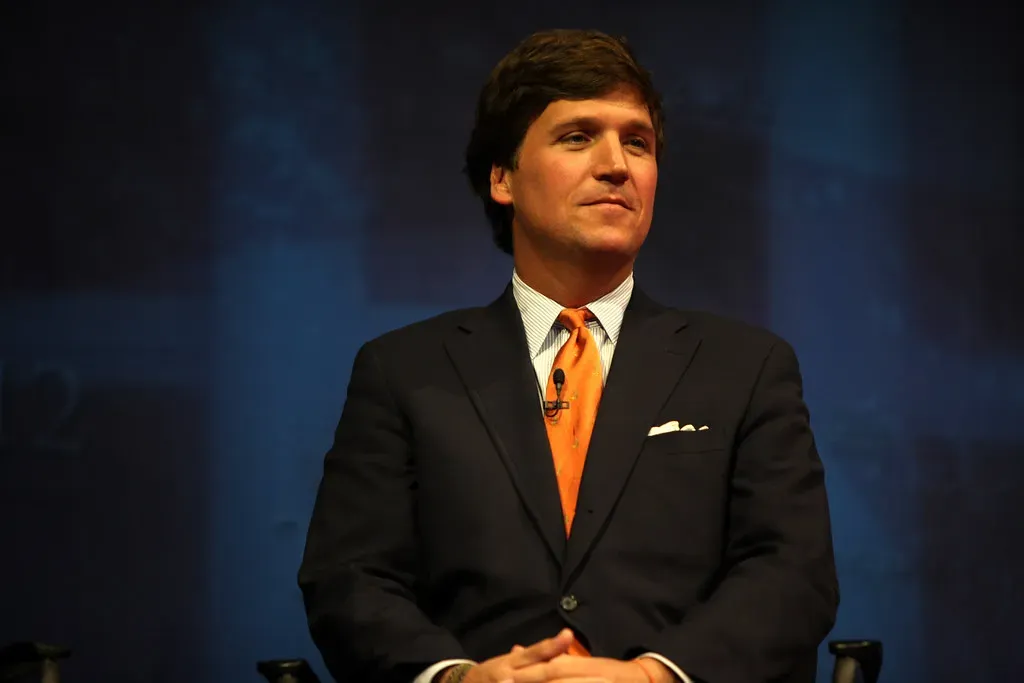
Tucker Carlson was one of cable news’s most watched hosts for years, but the backlash against him has intensified sharply since his departure from Fox News in 2023. Carlson was forced out of Fox News in 2023 shortly after its lawsuit with Dominion over false 2020 election fraud claims, then launched his own online show and platform, The Tucker Carlson Network. Rather than moderating his approach, Carlson leaned further into controversy. In September 2024, Carlson reached a turning point in platforming antisemitism when he interviewed Holocaust revisionist Darryl Cooper, stating that he “may be the best and most honest popular historian in the United States,” prompting condemnations from members of Congress and the Yad Vashem Holocaust memorial.
The platforming controversies kept coming. Carlson hosted Nick Fuentes, an avowed white nationalist who used the opportunity to claim that Jews were responsible for the world’s ills. Carlson later said he regretted the Fuentes interview because it was “a distraction” and dismissed the backlash as “hysterical.” Carlson regularly hosts guests who have espoused antisemitic rhetoric and heaps praise on them during softball interviews, often framing his role as “just asking questions,” which presents such figures as authoritative and allows him to deny personal endorsement. His audience remains large, yet the condemnations from across the political spectrum have been unusually forceful.
Megyn Kelly
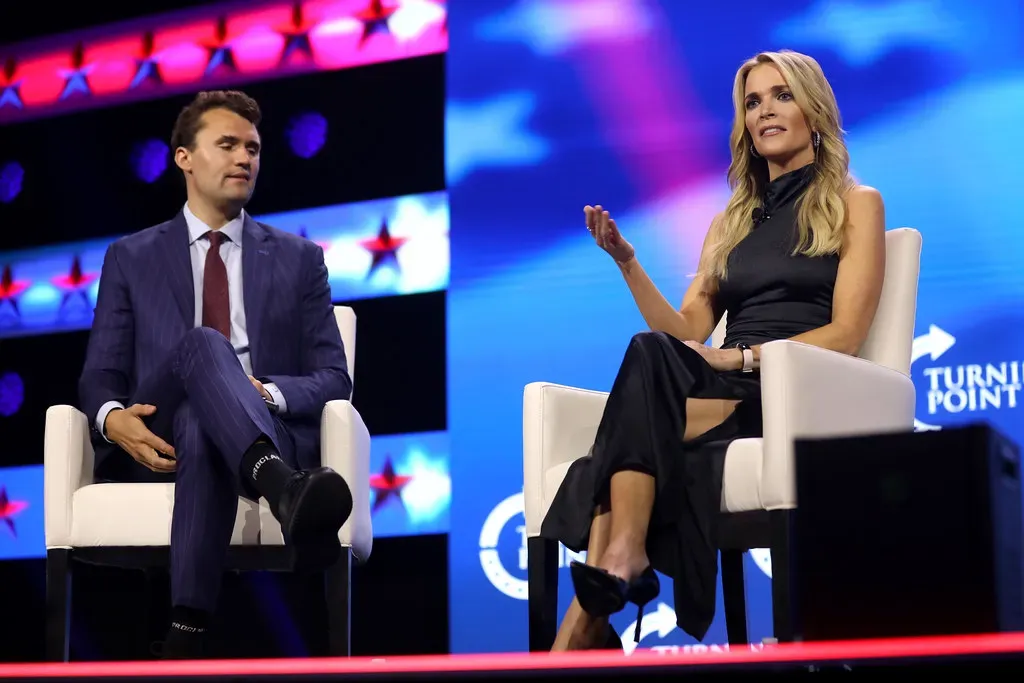
Megyn Kelly built a formidable reputation at Fox News, but the trajectory of her career since leaving has been defined more by controversy than by journalism. Kelly worked at Fox News from 2004 to 2017, where she hosted programs including America Live and The Kelly File, and at NBC News from 2017 to 2018, where she anchored Megyn Kelly Today. Her NBC chapter ended badly. Her time at NBC News came to an abrupt end after an October 2018 episode in which she defended the use of blackface in Halloween costumes. Her attempt to defend blackface sparked immediate backlash, and NBC severed ties days later, proving that even seasoned journalists can torpedo their careers with tone-deaf remarks.
Despite losing her prime network platform, Kelly kept finding new ones. She hosts The Megyn Kelly Show, a talk show and podcast that airs daily on SiriusXM and has over 4 million subscribers on YouTube. Critics frequently point to her tendency to conflate hard-hitting commentary with personal attacks, while supporters argue she remains one of the few interviewers willing to cross ideological lines. Still, the blackface episode and her long history of inflammatory comments on race and gender have left a significant portion of the public unwilling to give her the benefit of the doubt, regardless of the platform that keeps her microphone hot.
Matt Lauer

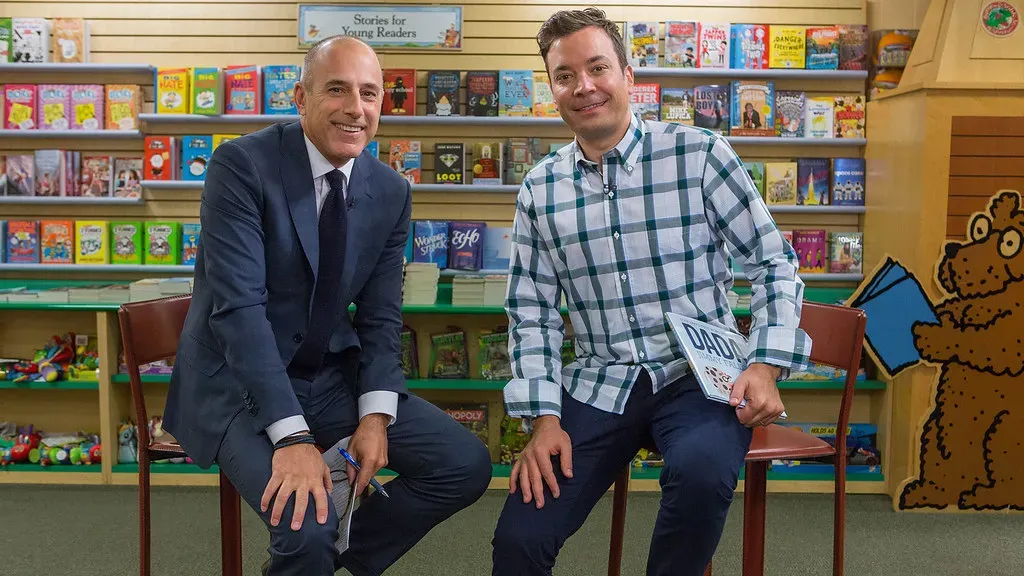
Before his dramatic fall, Matt Lauer was one of the most recognizable faces in American television. His run on NBC’s Today show made him a household name and earned him enormous salaries over the years. His interview style drew some criticism for being too soft with celebrities and too inconsistent with newsmakers, but it was not that which ultimately ended his career. In November 2017, NBC fired Lauer following a complaint about sexual misconduct, which opened the door to further allegations. Lauer said in a statement that some of the allegations were “untrue or mischaracterized” but that there was “enough truth in these stories to make him feel embarrassed and ashamed.”
What makes Lauer’s presence on this list notable is how sustained the institutional protection around him appeared to be, even as warning signs accumulated over time. Ann Curry, who departed Today under circumstances that many found suspicious, said in light of Lauer’s firing, “I would be surprised if many women did not understand that there was a climate of verbal harassment that existed.” The public’s frustration runs not just toward Lauer himself but toward a media machine that kept elevating him decade after decade. Despite the gravity of the allegations, the conversation about accountability within broadcast media continues well into the 2020s, and Lauer’s name keeps resurfacing as a case study in how institutions can protect powerful voices at the expense of others.
Diane Sawyer

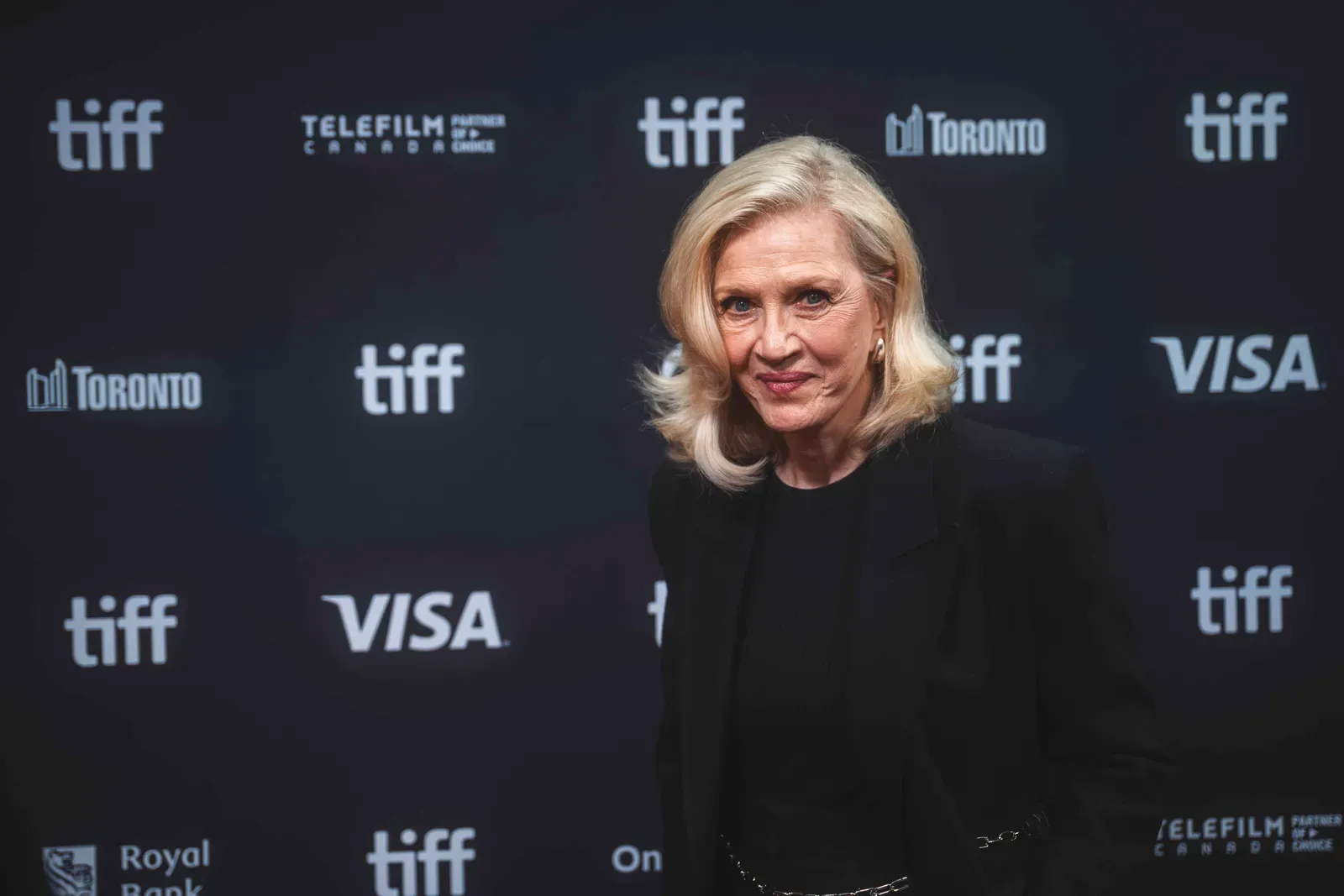
Diane Sawyer is one of the most decorated journalists in American television history, and for most of her career, that reputation was largely deserved. Yet certain interviews have left a lasting, uncomfortable legacy that even her defenders find hard to dismiss. In 2002, Sawyer accused Whitney Houston and her husband Bobby Brown of regularly partaking in recreational drugs, specifically crack cocaine. The interview sparked controversy among Houston’s fans the moment it aired and continued to spark outrage after her passing. Most notably, Houston’s fans felt that Sawyer’s interrogation tactics were unfair and that the interviewer intentionally tried to humiliate Houston by offering her a photo where she was visibly thin, intending to draw a response.
Critics argue that the Whitney Houston interview, rewatched widely in the years following Houston’s 2012 death, represents a broader problem with the era’s celebrity journalism: the use of a guest’s perceived vulnerability as a journalistic wedge rather than a bridge to genuine understanding. After pushing Houston by accusing her of having anorexia and bulimia, Sawyer moved the questioning to the topic of drug use. Viewers have since described the interview as a document of how the media of that era treated Black women celebrities, and Sawyer’s continued veneration by media institutions sits uncomfortably alongside that record. The discomfort is real, even if Sawyer’s defenders point to a very different body of work alongside it.
Barbara Walters

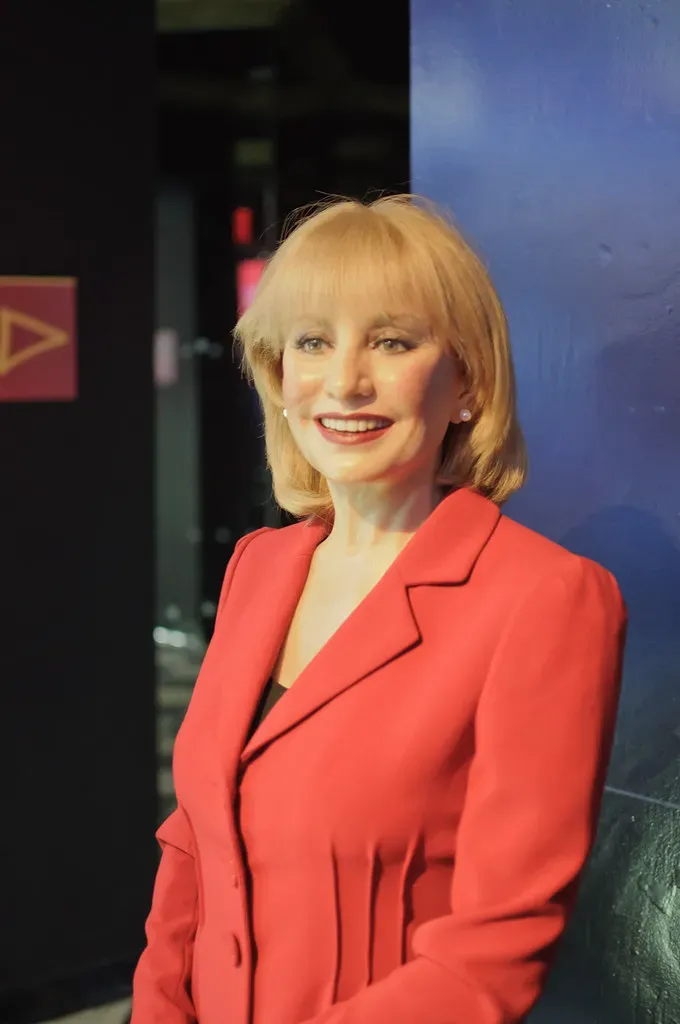
Barbara Walters was a trailblazer by any historical measure, the first woman to co-anchor a network evening news program in the United States. Her celebrity interviews were appointment television for decades. Yet a closer look at her canon reveals moments that have aged poorly and raised genuine ethical questions about power dynamics in the interview chair. Few interviews were as anticipated as her 1999 sit-down with Monica Lewinsky, the month after Bill Clinton was acquitted. Millions of viewers watched as Walters grilled Lewinsky on her affairs with married men, only revealing her own in an autobiography years later. The perceived hypocrisy of that approach was noted by critics at the time and revisited with far sharper language in subsequent years.
Beyond Lewinsky, Walters developed a reputation for asking deeply personal, sometimes invasive questions under the banner of emotional access. Over the years, the world witnessed its fair share of wild celebrity interview moments. Sometimes a seemingly harmless question morphs into an argumentative conversation, while other times interviewers step onto the stage prepared to ask the hard questions that onlookers secretly want answers to but don’t believe anyone is brave enough to ask. Walters often inhabited that second category, for better and for worse. Her institutional standing kept her celebrated long after specific interviews had raised questions about consent and coercion in the celebrity press, and her legacy remains genuinely complicated in a way that the media establishment has rarely reckoned with fully.
A Pattern the Media Refuses to Break

What connects these six figures is not simply personal wrongdoing or stylistic aggression. It’s something structural. Talk shows and interview programs have long been a staple of entertainment, but sometimes the quest for ratings or unfiltered honesty leads to moments that shock, offend, or haunt those involved. Networks and platforms know that controversy drives engagement. A hated interviewer generates almost as many clicks as a beloved one, and in today’s media economy, the distinction barely registers on a spreadsheet. The result is a rotating cast of familiar, polarizing faces who survive firings, scandals, and audience revolts to find the next platform waiting for them.
There’s a real cost to this pattern. Multiple celebrities have been banned from late-night shows over the years for being too candid on live television, while televised interview moments hold the possibility of revealing societal truths and injustices, along with the potential to spur difficult but necessary conversations among viewers. The irony is that the media’s tolerance for hated interviewers often crowds out the genuinely difficult conversations good journalism should enable. Audiences are not wrong to be frustrated. They’re watching a system that prioritizes recognizable provocation over meaningful accountability, and until the incentive structure changes, the most hated faces in media will keep showing up, mic in hand, right on schedule.