Fame in Hollywood rarely comes with a warranty. An actor can land the role that changes everything, only to spend years afterward trying to explain, distance themselves from, or quietly resent the very part that made them a household name. Sometimes it’s the material itself that rankles, other times it’s how a character was written, marketed, or remembered long after the cameras stopped rolling. The stories below trace eight cases where the role of a lifetime turned into something closer to a professional headache.
1. Alec Guinness and Obi-Wan Kenobi in Star Wars
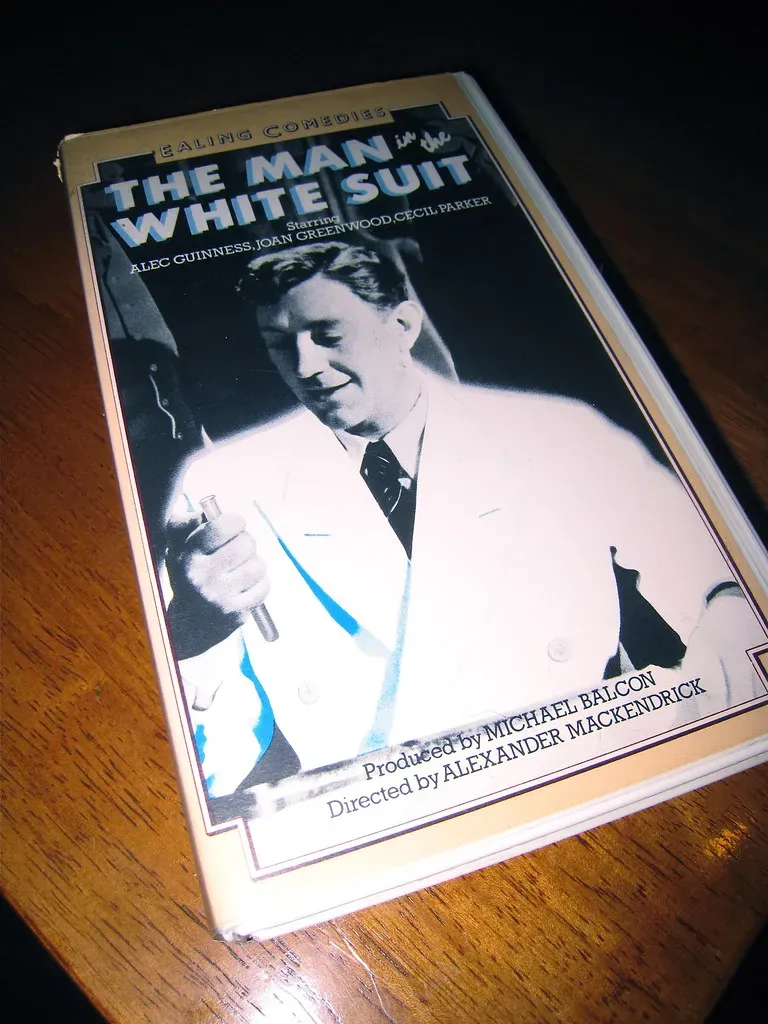
Alec Guinness became a global icon for playing Obi-Wan Kenobi in the original Star Wars trilogy, yet he never quite made peace with the part. Despite the immense success of the franchise, he famously found the dialogue to be underwhelming and juvenile. That frustration wasn’t just private grumbling either.
He even encouraged the director to kill off his character so he would not have to return for future installments. Guinness had built a formidable career in classical theater and prestige film long before Star Wars, and the actor struggled with the fact that he was best known for this role rather than his extensive work in classical theater. It’s a strange kind of regret, being immortalized by the very thing you saw as a footnote.
2. George Clooney and Batman in Batman & Robin
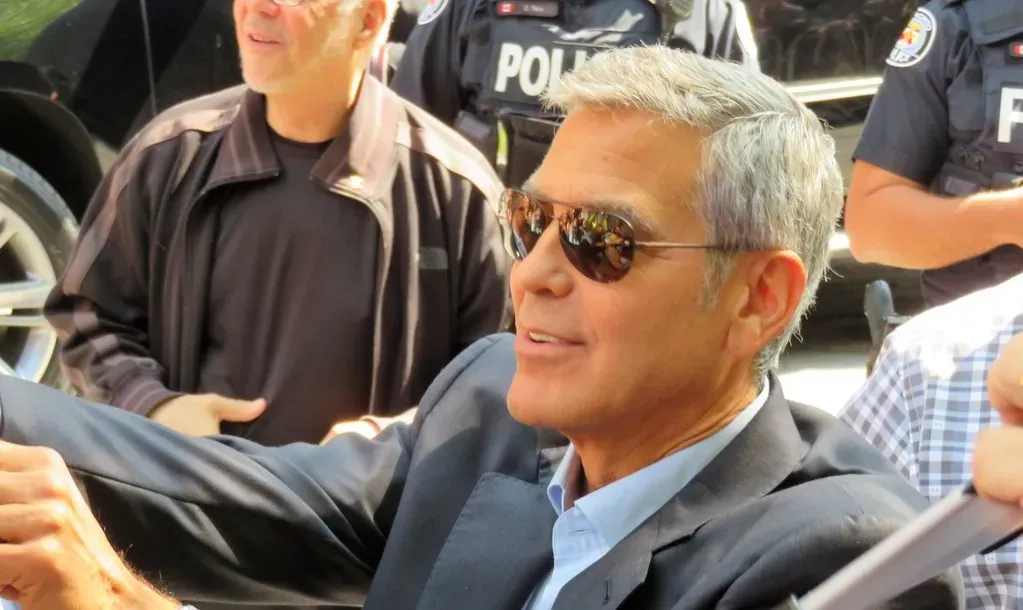
George Clooney has spent nearly three decades publicly disowning his single outing as the Caped Crusader. Speaking about the 1997 film, he once said “It’s really easy to pick: Batman & Robin. That’s not a joke.” The experience reshaped how he approached his career going forward.
He explained that up until that moment, he was an actor only concerned with finding work, but after the failure of that film creatively, he understood that he needed to take control of the films he made, not just the role. As recently as late 2025, Clooney was still bringing it up unprompted. He told reporters “Batman & Robin! I learned a lot [from] that one,” of the superhero film that was critically panned, earned 11 Razzie Awards nominations and currently holds a low review of 11% on Rotten Tomatoes, before adding that you don’t learn from succeeding, you learn from failing.
3. Katherine Heigl and Knocked Up

Katherine Heigl’s breakout comedy turned into a years-long public relations puzzle she’s still untangling. In a 2008 interview, she described the film as “a little sexist,” adding that “It paints the women as shrews, as humorless and uptight, and it paints the men as lovable, goofy, fun-loving guys. It exaggerated the characters, and I had a hard time with it on some days.” Those comments followed her elsewhere, damaging relationships with collaborators.
Years later she tried to clarify what she actually meant. She explained, “I liked the movie a lot, I just didn’t like me,” saying “She was so judgmental and kind of uptight and controlling and all these things.” The regret, it turned out, wasn’t really about the film at all but about how she played the character and how the fallout affected her standing in the industry.
4. Sean Connery and James Bond
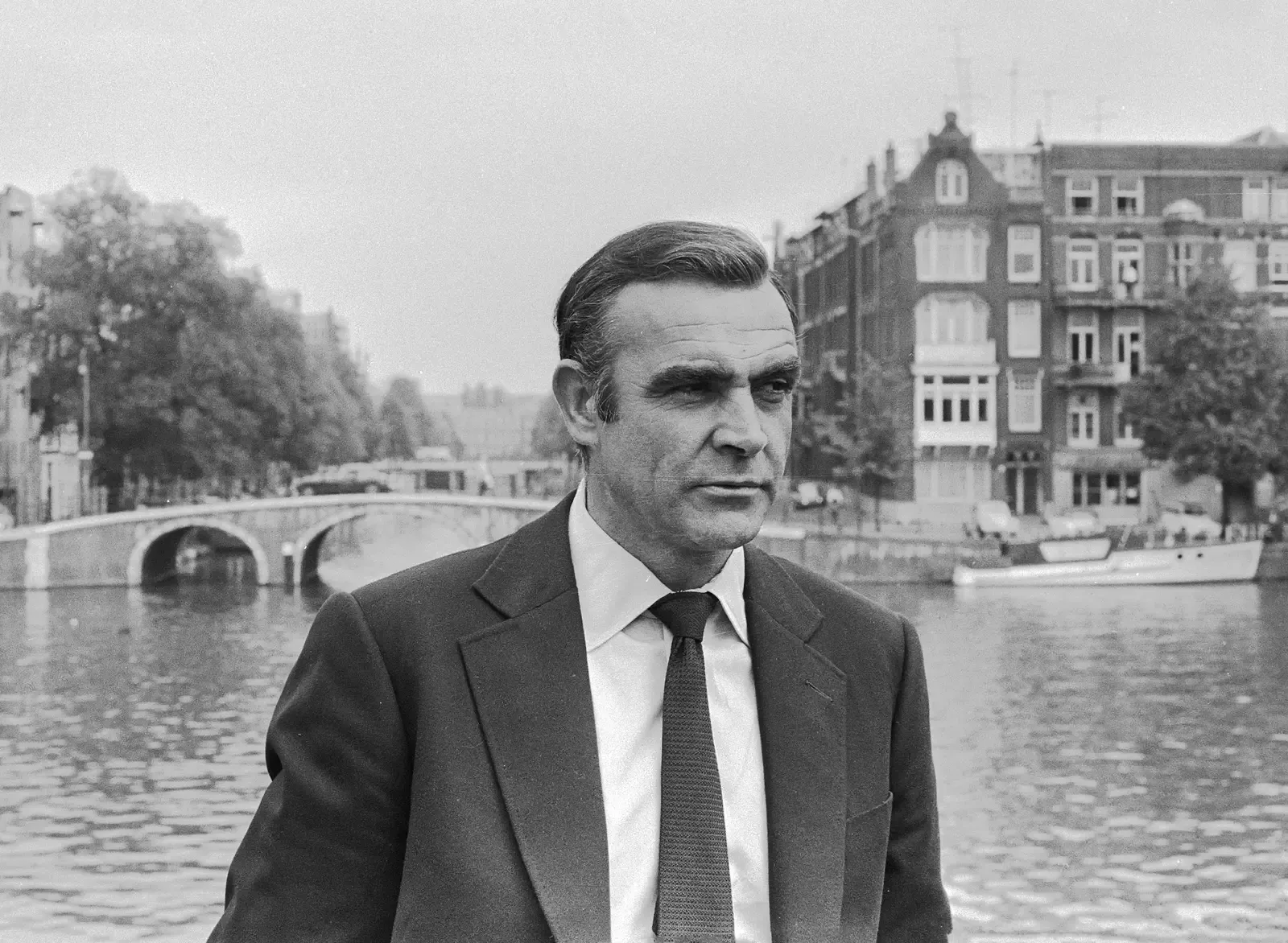
Sean Connery practically invented the modern screen version of James Bond, yet by the time his run in the franchise wound down, the affection had curdled. By the end of it, Sean Connery wasn’t exactly thrilled to have been James Bond, and the actor once said in an interview that he hated the character and wanted to kill him. It’s a striking admission from an actor whose name is still synonymous with the role decades after he stepped away from it.
Connery’s discomfort reportedly stemmed from feeling typecast and boxed in by a character that overshadowed the range he wanted to demonstrate elsewhere. He spent much of his later career deliberately picking projects far removed from spy thrillers, a clear sign that the Bond years left a more complicated legacy than the tuxedos and gadgets suggest. Even so, his portrayal remains the template against which every subsequent Bond is measured.
Partner offer
5. Idris Elba and Stringer Bell in The Wire
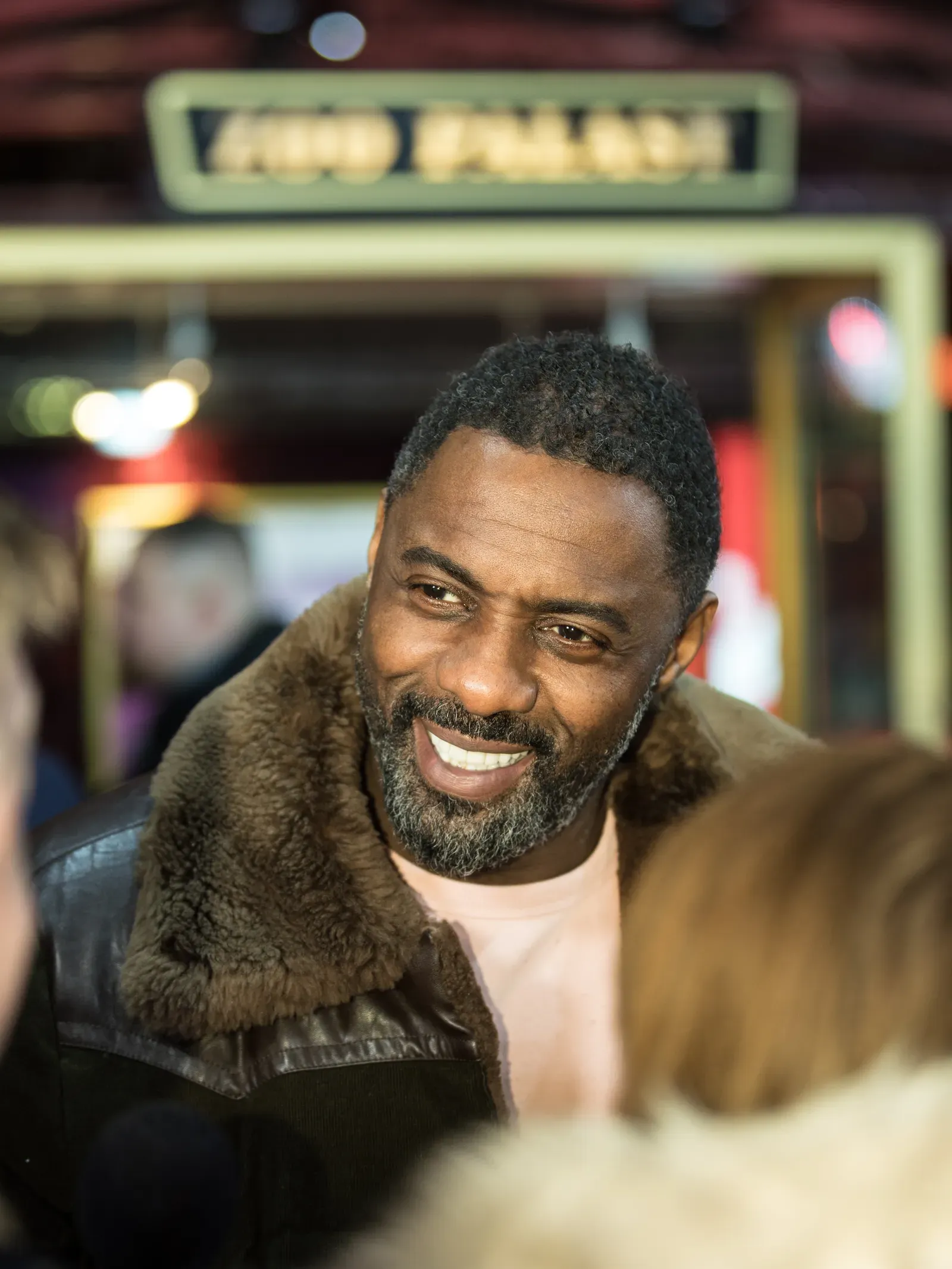
Idris Elba’s performance as Stringer Bell on The Wire is widely regarded as one of the finest in television drama, but the role came with an uncomfortable side effect. Idris Elba had a difficult time returning to his role as Stringer Bell in The Wire after the show became a massive hit, frustrated by the fact that people glorified a character who was a dangerous criminal and a drug dealer. Fans treated a calculating drug kingpin like a folk hero, which never sat right with him.
The actor wanted viewers to see the character as a villain rather than a hero to be admired, and has since used his platform to speak out against the romanticization of street life in media. It’s a reminder that great writing and great acting can sometimes produce a cultural response the creators never intended. Elba’s discomfort speaks less to regret over taking the job and more to frustration with how audiences chose to receive it.
6. Viola Davis and The Help
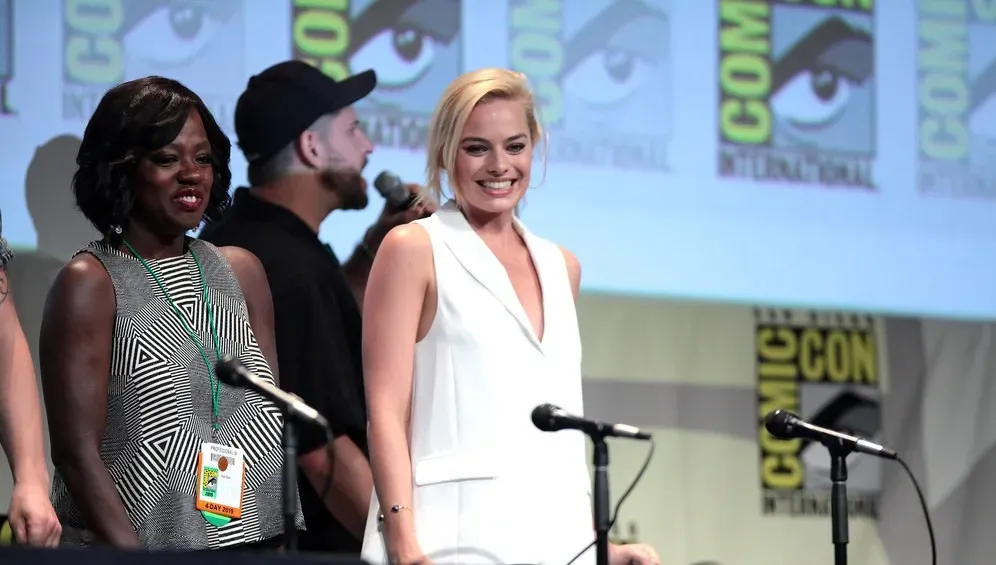
Viola Davis earned an Oscar nomination for The Help, yet she has been unusually candid about wishing she’d turned it down. Asked directly about it by The New York Times, she said “Almost a better question is, have I ever done roles that I’ve regretted? I have, and The Help is on that list.” That’s a rare level of honesty from an actor about her own award-nominated work.
Davis explained that while she had a “great experience” shooting the film with her colleagues, she felt the movie didn’t adequately focus on the Black women whose struggles were central to the story. She continued, “I just felt that at the end of the day that it wasn’t the voices of the maids that were heard. I know Aibileen. I know Minny.” Her regret wasn’t about her performance so much as the framing of the story itself, a distinction that says a lot about how seriously she takes the responsibility of representation.
7. Shia LaBeouf and Indiana Jones and the Kingdom of the Crystal Skull
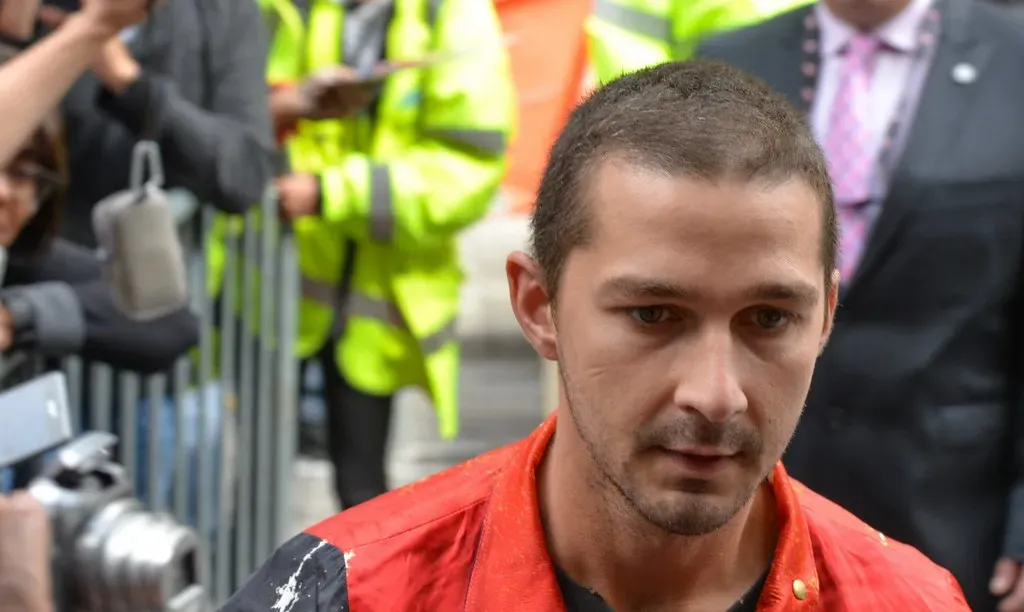
Shia LaBeouf stepped into the Indiana Jones franchise as Mutt Williams expecting it to cement his status as a leading man, but the fourth installment didn’t land the way anyone hoped. Shia LaBeouf has worked with Steven Spielberg on multiple films, but he wishes he hadn’t, and only enjoyed the process of making one of their collaborative projects, the first Transformers film. That’s a pointed way of saying Crystal Skull wasn’t the experience he’d signed up for.
The film was met with a lukewarm critical reception and fan disappointment, a stark contrast to the beloved original trilogy. LaBeouf’s frustration reportedly centered on the tone and execution of the project rather than any single scene, and he has largely avoided returning to the franchise in any meaningful capacity since. For an actor who entered the series hoping to inherit a piece of cinema history, the outcome fell well short of the mark.
8. John Boyega and Finn in Star Wars
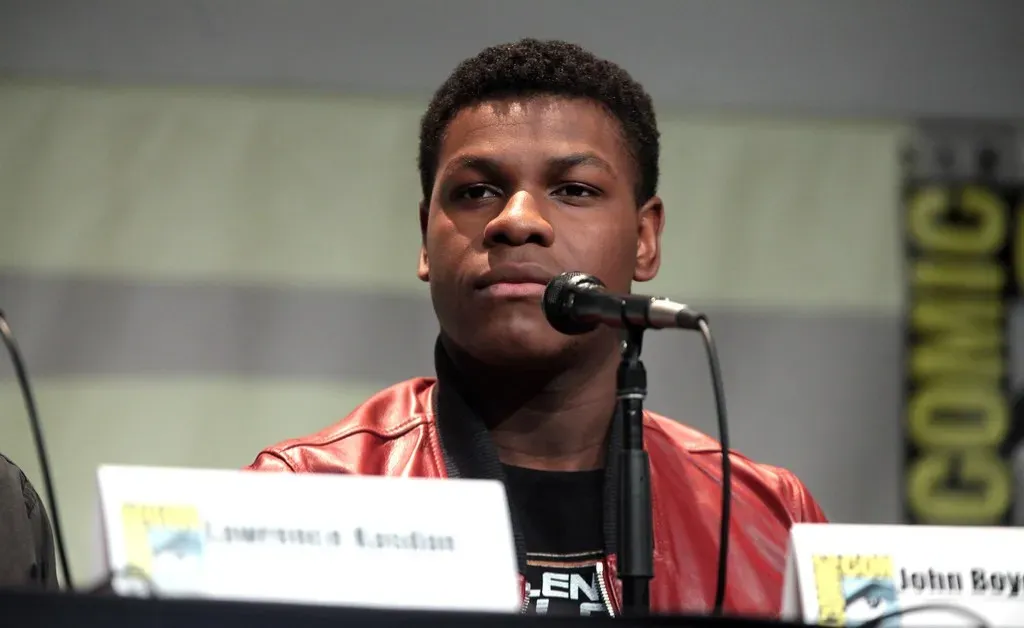
John Boyega’s casting as Finn in the Star Wars sequel trilogy was celebrated as a landmark moment, yet the role left him increasingly frustrated as the films progressed. In a candid 2020 interview, he said, “what I would say to Disney is do not bring out a Black character, market them to be much more important in the franchise than they are and then have them pushed to the side. It’s not good.” He argued the disparity in how storylines were developed was impossible to ignore.
He said of his white co-stars, “They gave all the nuance to Adam Driver, all the nuance to Daisy Ridley.” Boyega later distanced himself from the character entirely, telling SiriusXM in 2022 that “at this point I’m cool off it, I’m good off it” when asked about returning to the franchise. Interestingly, years later he confirmed to Variety that a Disney executive had reached out after his comments, leading to what he described as an honest and transparent conversation about his experience on the films.
Regret in Hollywood rarely means the role wasn’t worth taking. More often it reflects a mismatch between expectation and outcome, whether that’s a script that didn’t age well, a character misread by audiences, or a production that simply didn’t deliver on its promise. What ties these eight stories together is a willingness to say so publicly, even when the role in question is the reason millions of people know their names.Partner offer
Planning a trip to Vegas?
Compare hotel rates and show tickets on VEGAS.com.