Hollywood loves a good story, but there’s one kind it almost never tells: the story of what happened right before the cameras kept rolling with someone new. Casting changes mid-production are more common than audiences realize, and the silence around them is almost always deliberate. Studios have schedules, investors, and reputations to protect, and a chaotic behind-the-scenes narrative is rarely part of the plan. What’s striking isn’t that these swaps happened – it’s how quietly they were managed. Some replacements were so seamless that viewers never noticed. Others reshaped films so fundamentally that it’s almost impossible to imagine the finished product with the original actor still in it. Here are eight cases that tell a story studios preferred you never heard.
Eric Stoltz in Back to the Future (1985)

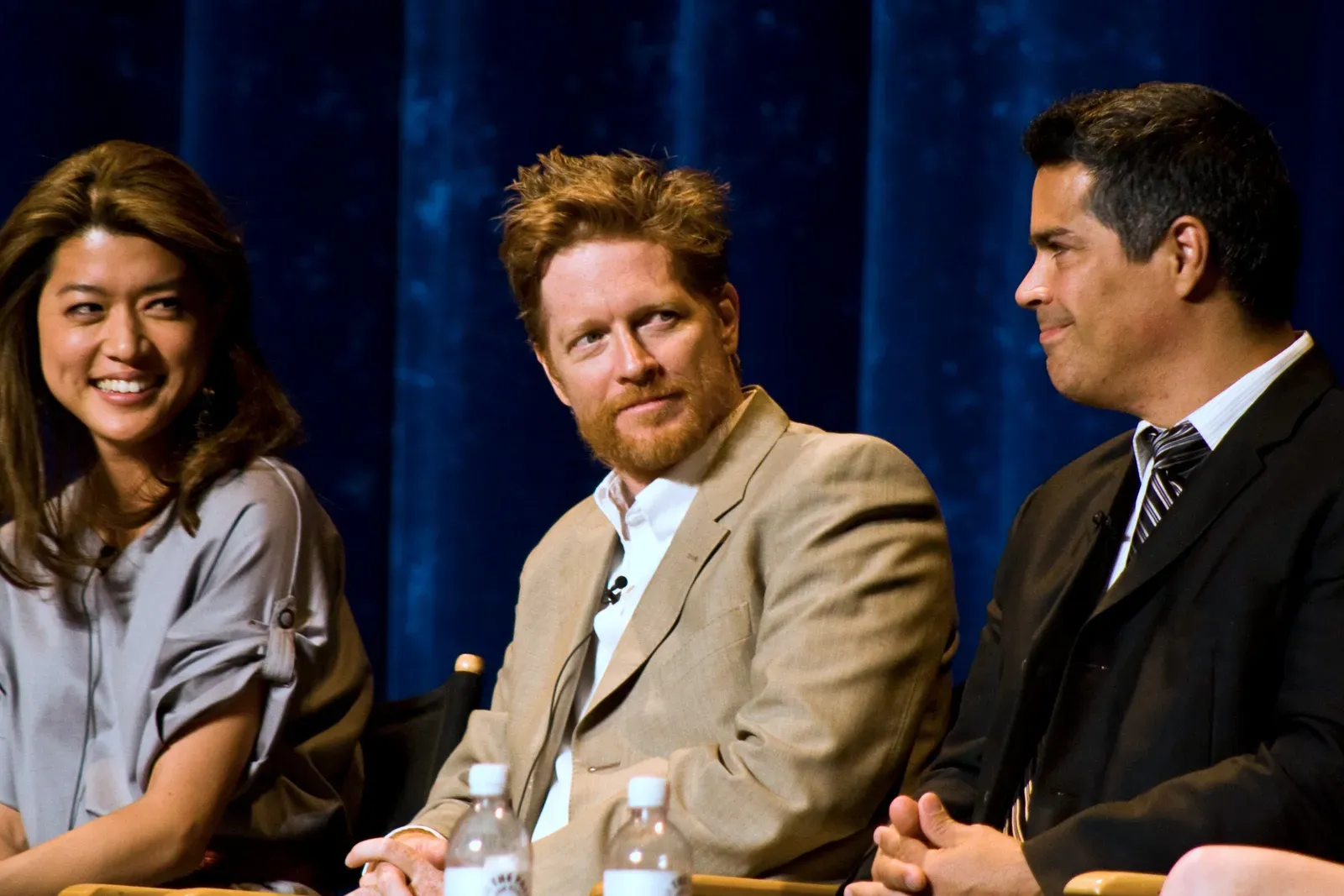
Eric Stoltz played the role of Marty McFly for six weeks before director Robert Zemeckis decided the actor’s performance was too dramatic for the intended tone. He had been unavailable due to his commitments to the sitcom Family Ties, which is why the studio had turned to Stoltz in the first place. It was a practical workaround that turned into a costly mistake.
A couple of weeks into filming, director Robert Zemeckis and writer Bob Gale made a deal with studio head Sid Sheinberg behind his back – they’d keep filming with Stoltz until they could bring in the lead actor they really wanted. The production eventually reached an agreement that allowed Fox to film the movie at night while working on his show during the day. No official statement was ever issued about why Stoltz was removed, and the studio let the finished film speak for itself.
Stuart Townsend in The Lord of the Rings (2001)


Stuart Townsend was originally cast as Aragorn and spent two months training for the role in New Zealand prior to the start of filming. However, after only four days of shooting, director Peter Jackson realized the actor was too young to portray the weathered and experienced Ranger of the North. It was an abrupt exit after months of preparation – and Townsend reportedly learned he had been replaced the day filming was set to begin in earnest.
Viggo Mortensen was quickly recruited as a replacement and joined the production without having read the source material. Mortensen famously committed to the role by performing his own stunts and carrying his sword everywhere to get into character. New Line Cinema said almost nothing about the switch publicly, and the transition was folded quietly into the larger chaos of one of cinema’s most ambitious productions.
James Purefoy in V for Vendetta (2005)

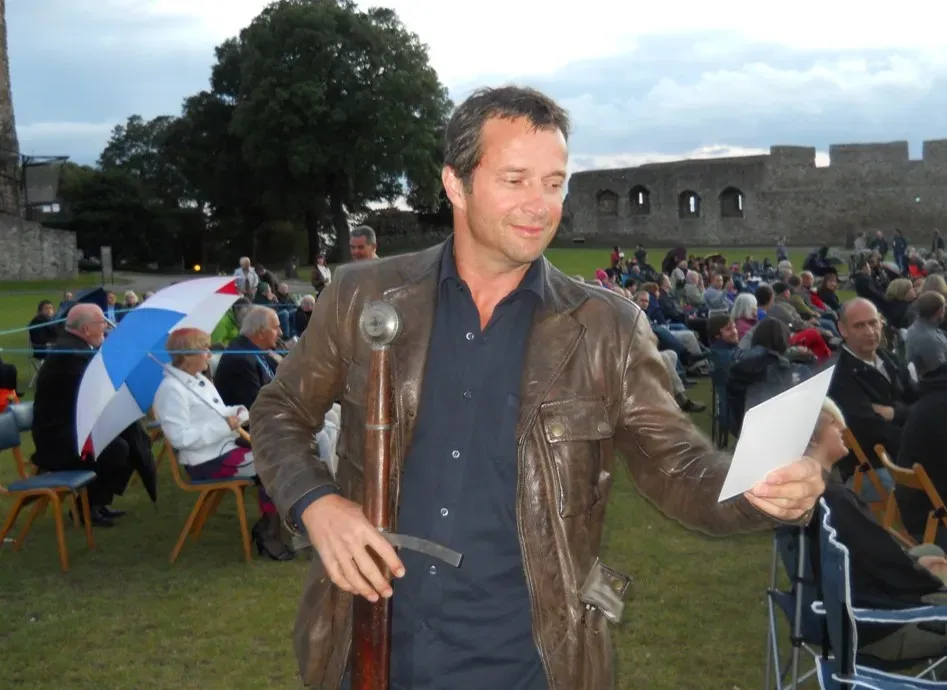
James Purefoy was the first actor cast as the masked revolutionary V and filmed approximately six weeks of footage for the production. He eventually stepped down from the role due to creative differences regarding the challenges of acting behind a static mask for the entire duration of the film. The real reason was that he felt he couldn’t express himself properly without his facial expressions.
Hugo Weaving was brought in as his replacement and provided the vocal performance for the character throughout the movie. Because V’s face is never revealed, the production was able to use some of Purefoy’s physical performance in the final cut while Weaving dubbed the lines. The transition was so smooth that most viewers were unaware of the mid-production swap. Warner Bros. offered no detailed public explanation, and most audiences never knew they were watching two different actors inside that mask.
Harvey Keitel in Apocalypse Now (1979)

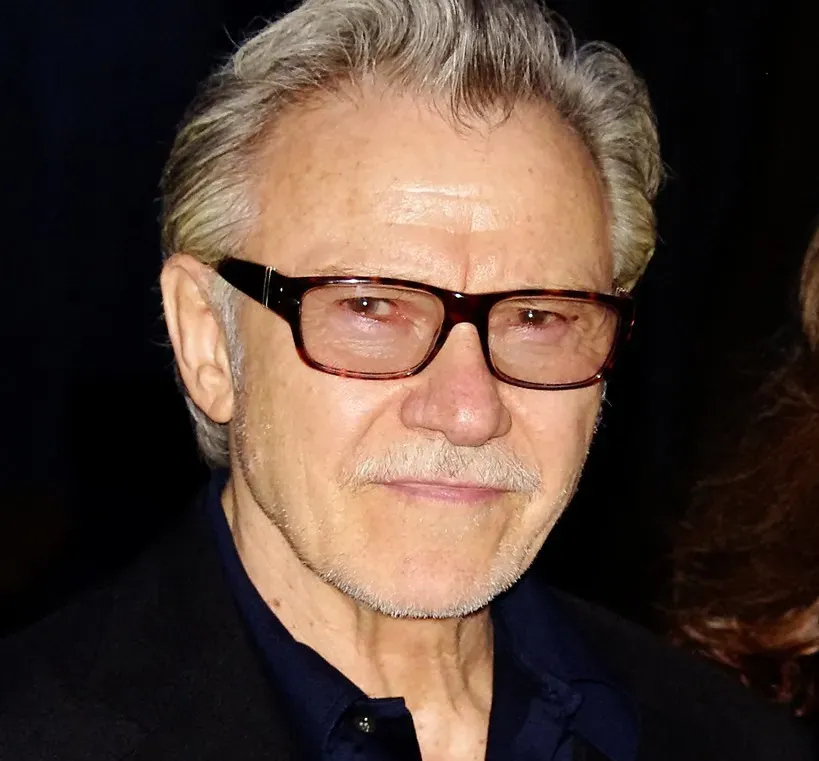
Francis Ford Coppola’s first choice for Captain Willard in Apocalypse Now was Martin Sheen, but since the actor had a scheduling conflict, Harvey Keitel was tasked with playing the role instead. After arriving on set, Coppola found that this casting choice wasn’t working for the character of Willard. Keitel’s portrayal lacked the passive feeling that the director envisioned.
The movie also navigated significant recasting, especially since they had to replace their lead actor midway through filming. Reportedly, Harvey Keitel was not happy filming in a real jungle. Eventually, Martin Sheen replaced him. Given how publicly turbulent the entire Apocalypse Now production already was, the Keitel replacement became just one more footnote in a shoot that generated its own mythology – and no studio statement was ever required.
Buddy Ebsen in The Wizard of Oz (1939)

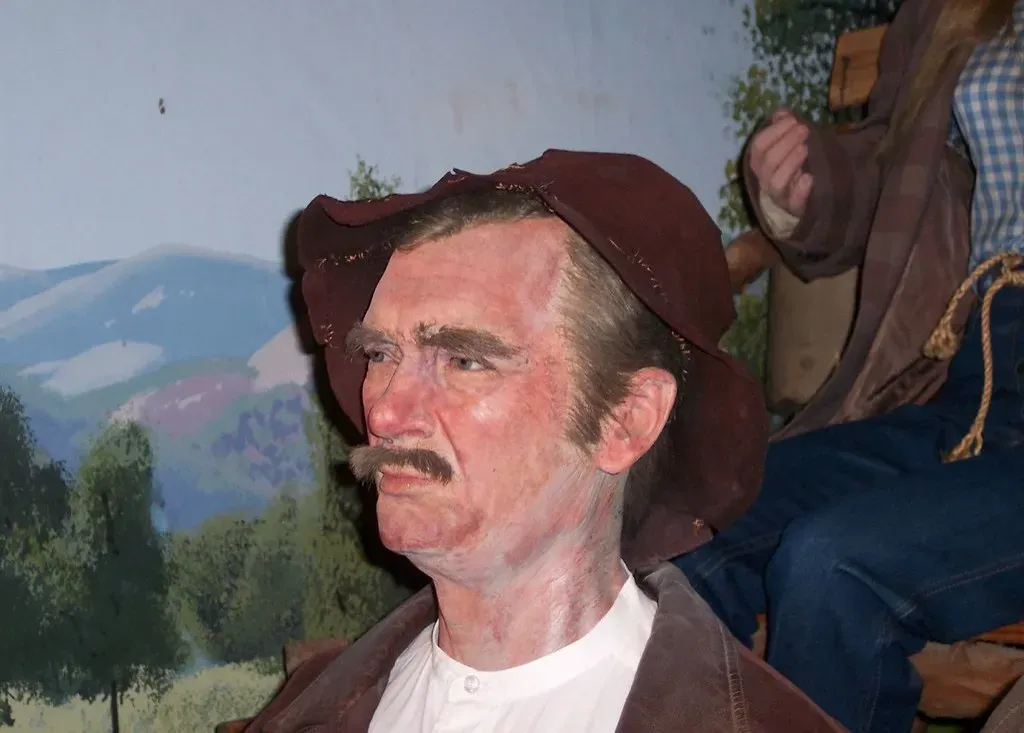
Buddy Ebsen was the original choice to play the Tin Man and had spent weeks recording songs and filming early scenes for the classic musical. He suffered a life-threatening allergic reaction to the aluminum powder used in his silver makeup, which led to his hospitalization. Ebsen was hospitalized for two weeks after inhaling the aluminum dust from the makeup. The public never learned the full extent of how serious the situation was during the film’s original release.
Jack Haley was hired as his replacement, and the production switched to using a safer aluminum paste for the character’s look. Although Haley is the actor seen on screen in The Wizard of Oz, Ebsen’s voice can still be heard in some of the group recordings. MGM quietly moved forward without ever acknowledging the health crisis on set, and for decades the story remained largely unknown outside Hollywood circles.
Ryan Gosling in The Lovely Bones (2009)

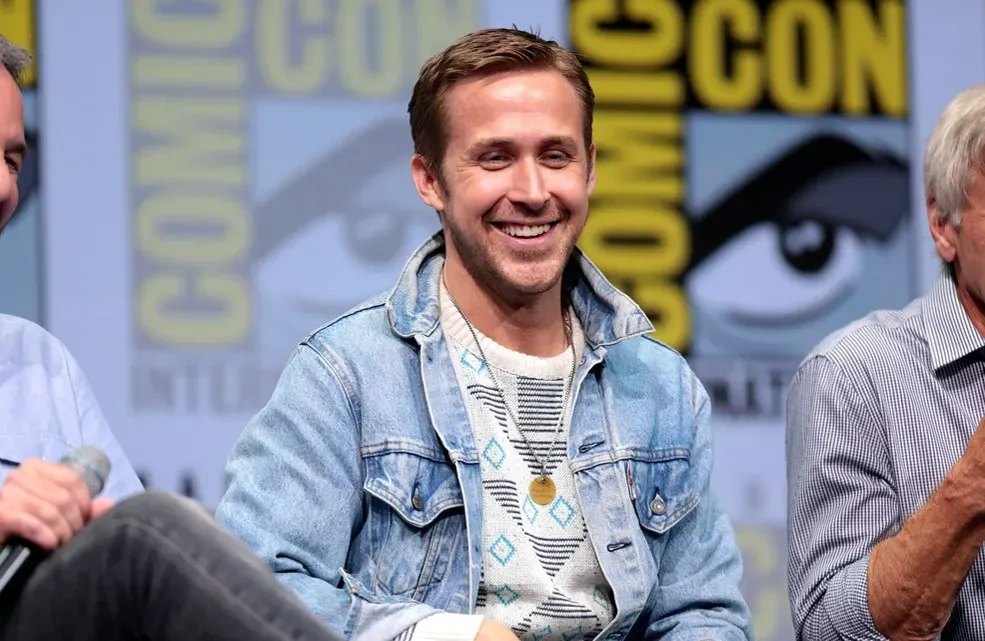
Ryan Gosling was initially cast to play the father of the abducted little girl at the movie’s center. The typically svelte actor had, without telling director Peter Jackson, put on 60 pounds for the role. Gosling felt that this was the right look for a man whose child was missing, but Jackson disagreed. Following the disagreement, Gosling was fired from the movie.
Mark Wahlberg replaced him, offering a different but effective take on the character. The studio’s official line was minimal. There was no press release explaining the creative dispute, no acknowledgment that Gosling had already committed to a significant physical transformation. The episode only became well known years later, mainly through Gosling himself discussing it in interviews.
James Remar in Aliens (1986)


James Remar’s time and removal on James Cameron’s Aliens was anything but good-natured. When Aliens began production, Remar had the role of Corporal Hicks, the character that would eventually be played by Michael Biehn. Remar was reportedly very difficult on set. He was eventually removed from the movie entirely because he was busted for drug possession.
The actor is now clean and regrets his actions. Yet this was all kept a secret for years from fans and the crew of Aliens. Remar was simply gone one day without explanation, with Biehn standing in his place. The production replaced him with Michael Biehn, who brought a gritty charm to the role, helping make the sci-fi sequel a hit. Cameron’s camp stayed silent, and Biehn’s performance was so effective that most viewers never thought to ask.
Dennis Hopper in The Truman Show (1998)

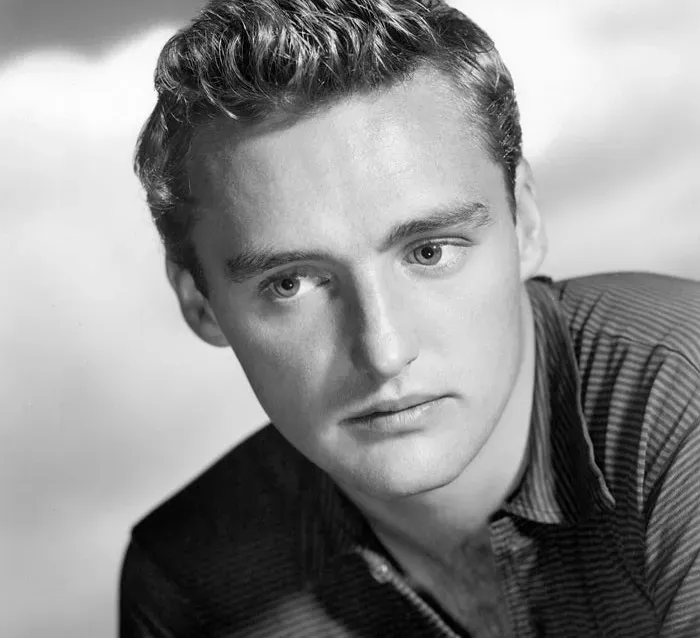
Dennis Hopper was originally cast as Christof, the god-like creator and director of Truman’s fake world. He actually began filming his scenes, but director Peter Weir realized within days that the performance wasn’t working for him. There were difficulties with his portrayal, with a possible allegation of forgetting his lines. Whatever the precise reason, the decision was made quickly and without fanfare.
Ed Harris replaced him, earning an Oscar nomination for his chilling portrayal of the reality TV mastermind. Paramount never issued a formal explanation for the switch, and Hopper himself gave only vague comments on the subject over the years. The role became one of Harris’s most celebrated performances, which made it all the easier for the studio to simply move on without looking back.
There’s a quiet pattern running through all eight of these cases. Filmmakers can backpedal on their decisions after starting shooting, mid-production, and even after the movie was filmed. There are several reasons for this, like schedule conflicts, financial disputes, creative differences, personal issues, or on-set behavior. What studios rarely add is the human cost on the other side of those decisions – the months of preparation, the physical transformations, and the careers quietly altered. The silence isn’t always cynical. Sometimes it’s contractual, sometimes it protects everyone involved. Still, it means that the version of a film audiences see carries stories they were never meant to know.