Remakes get a bad reputation, and often for good reason. Yet every so often, a new actress steps into a role that already belongs to someone else and somehow makes it feel like it was always hers. It isn’t about erasing what came before. It’s about finding something the first version missed, whether that’s emotional depth, cultural context, or just a different kind of energy that fits the moment. These eight performances did exactly that, and the evidence, from award nominations to the words of critics and even the original stars themselves, backs it up.
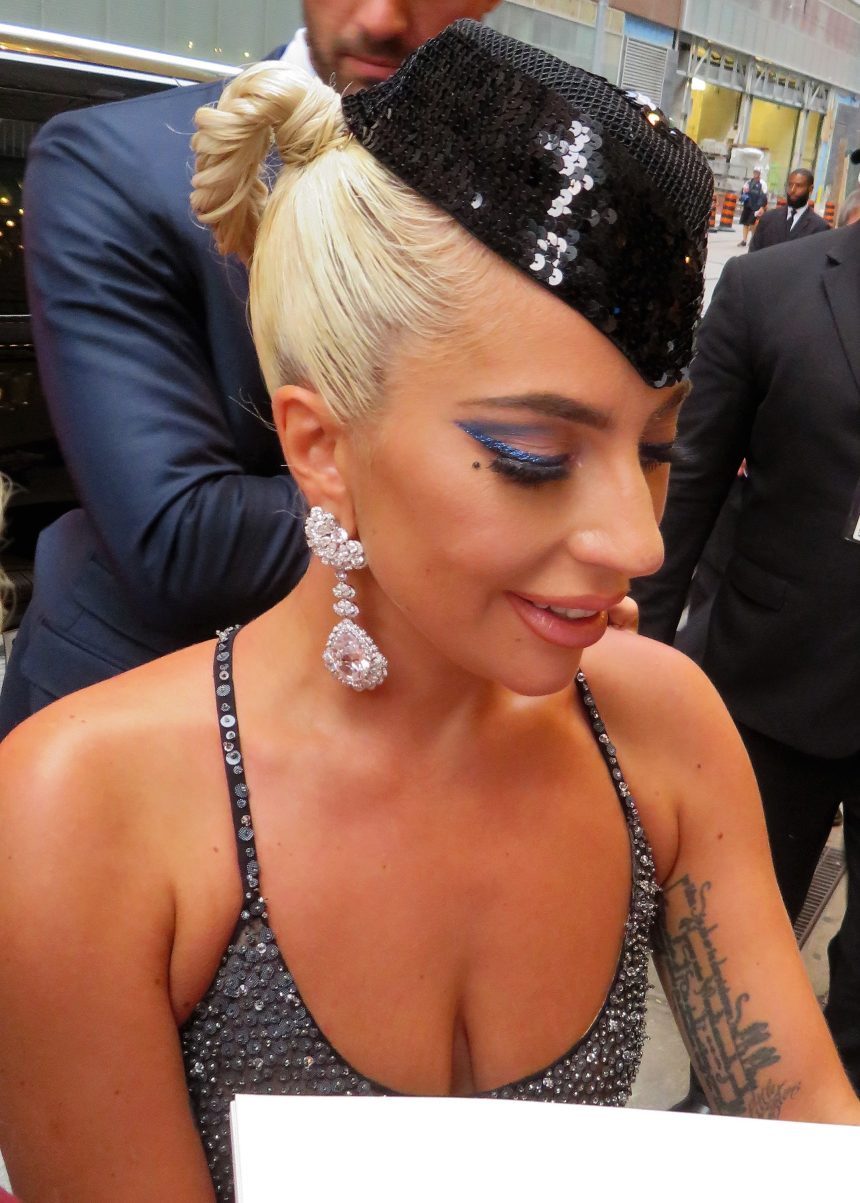
Lady Gaga reinvents Esther in A Star Is Born (2018)

By the time Lady Gaga took on the role of a rising singer swept into a doomed romance with a fading star, the story had already been told three times, first with Janet Gaynor in 1937, then Judy Garland in 1954, and Barbra Streisand in 1976. Each version had its champions, but Gaga brought something the earlier films lacked: a genuine music industry pedigree that made the transformation from unknown talent to superstar feel lived in rather than performed.
Her performance earned her a Best Actress nomination at the Academy Awards, putting her in rare company among the women who have played this role. Critics pointed to the raw, unguarded quality of her acting, something that felt less like a movie star playing an ingenue and more like watching an actual musician navigate fame for the first time. It’s a version of the story that finally matched the singer’s real gifts to the character’s arc.
Hailee Steinfeld outshines the original Mattie Ross in True Grit (2010)
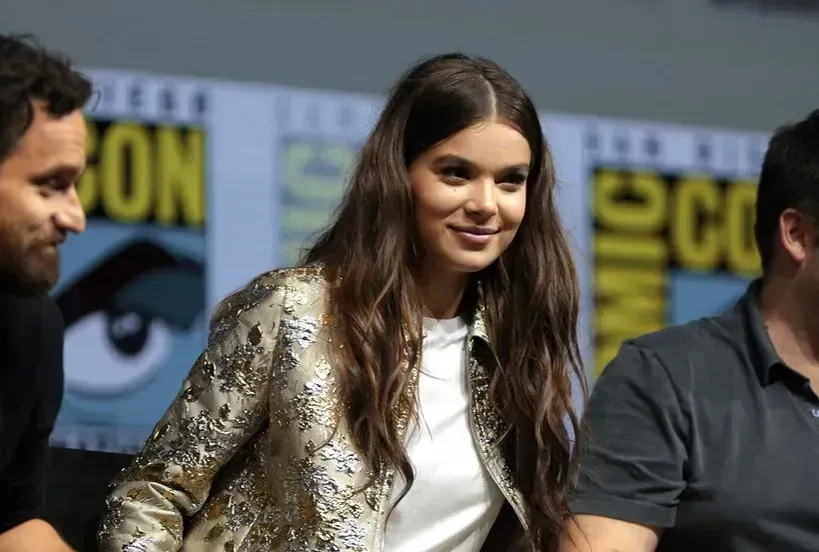
Kim Darby was twenty-one when she played the stubborn teenage Mattie Ross in the 1969 original, a performance that made her a star for a moment before her career faded. Four decades later, the Coen brothers cast an actual teenager, fourteen-year-old Hailee Steinfeld, and shifted the story’s center of gravity toward her character rather than John Wayne’s Rooster Cogburn. That change alone gave Steinfeld more room to work with than Darby ever had.
The result was a performance that Darby herself praised, saying, “I knew she was going to get Best Supporting Actress. I think she’ll win, too.” Steinfeld went on to earn an Academy Award nomination for the role, and one contemporary review noted that “Steinfeld’s performance is engaging and plays the role in a way that Kim Darby didn’t in 1969.” The two actresses even met at a screening, a rare moment of one generation’s Mattie Ross passing the torch to the next.
Naomi Watts brings new dread to The Ring (2002)
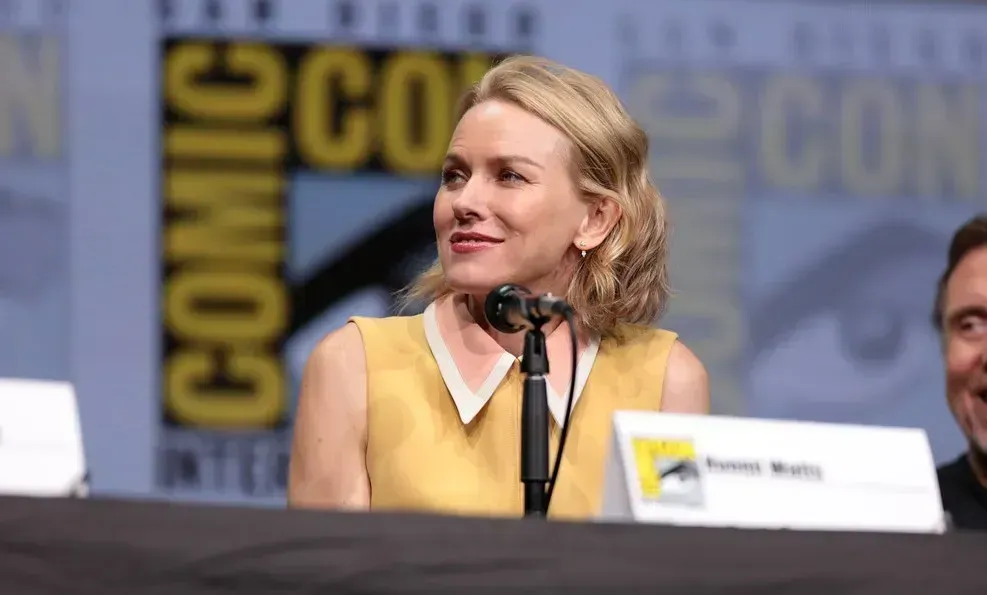
The American remake of the Japanese horror film Ringu had a tough job ahead of it. The original, starring Nanako Matsushima as journalist Reiko Asakawa, was already a cult favorite among horror fans by the time Hollywood came calling. Naomi Watts took on the investigative reporter role and gave it a grounded, anxious realism that helped the remake become a genuine commercial and critical success rather than a pale imitation.
Watts’s performance leaned into quiet desperation rather than screams, which suited the slow-building dread of the story. The film’s success helped kick off a wave of American remakes of Asian horror films throughout the 2000s, and Watts’s turn is frequently cited as one of the rare cases where the English-language version held its own against, and in the eyes of many Western critics, surpassed the film that inspired it.
Rooney Mara redefines Lisbeth Salander in The Girl with the Dragon Tattoo (2011)
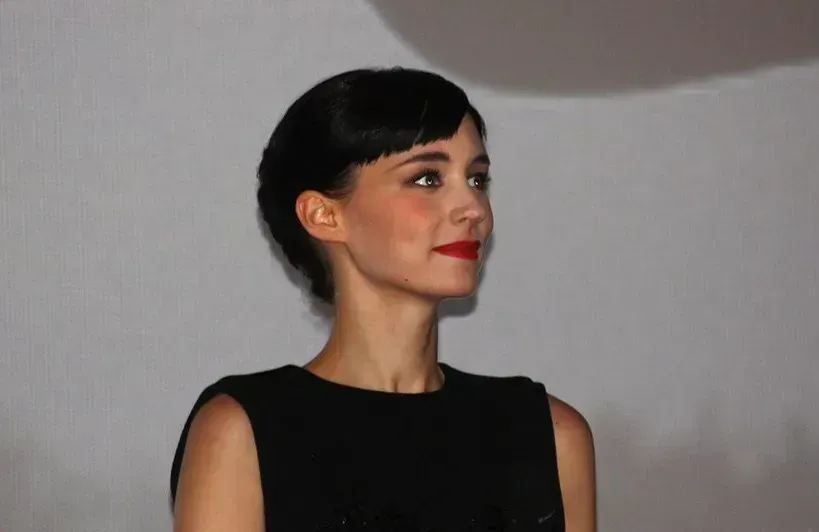
Noomi Rapace had already won acclaim, including Sweden’s equivalent of the Oscar, for playing hacker Lisbeth Salander in the Swedish trilogy based on Stieg Larsson’s novels. When David Fincher decided to remake the first book for American audiences, casting directors passed on bigger names like Natalie Portman and Scarlett Johansson, eventually landing on Rooney Mara after a long series of screen tests.
Mara’s commitment to the role, including physical transformations and a deep dive into the character’s psychology, earned her a Best Actress Oscar nomination. One fan review after watching both versions back to back put it plainly: “I actually thought her performance as Lisabeth was much better than Noomi Rapace. Even though I thought both were sufficient, there was something about Rooney Mara and her portrayal, how she saw the character, that made it more fun to watch.” It’s a rare case of an American remake earning respect rather than resentment from fans of the original.
Partner offer
Saoirse Ronan finds new fire in Jo March for Little Women (2019)
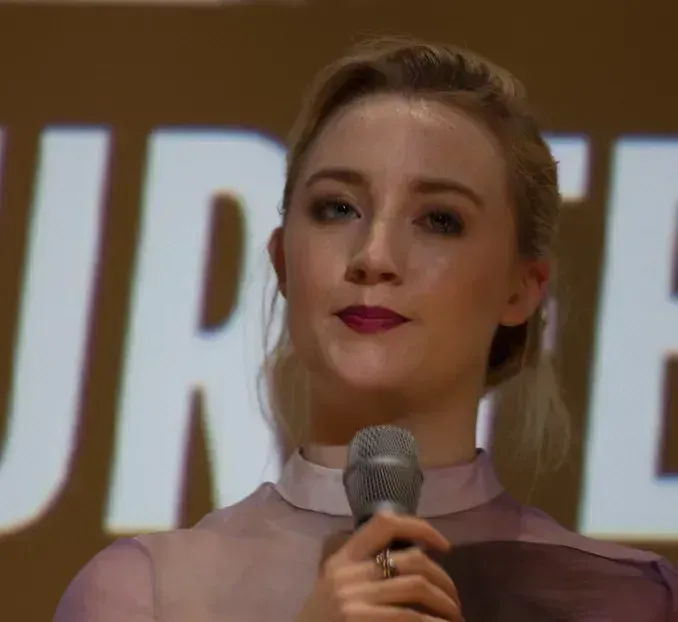
Louisa May Alcott’s novel has been adapted for the screen many times, with Katharine Hepburn’s 1933 take and Winona Ryder’s 1994 performance standing as the most beloved versions before Greta Gerwig’s 2019 film. Saoirse Ronan’s Jo March arrived with a restless, modern energy that matched Gerwig’s nonlinear retelling of the story, giving the character’s ambition and frustration a sharper edge than earlier versions allowed.
Ronan earned an Academy Award nomination for Best Actress for the role, her fourth Oscar nod before turning twenty-six. Critics praised how she balanced Jo’s stubborn independence with genuine vulnerability, making the character’s eventual softening feel earned rather than forced. For many viewers who grew up with the 1994 film, Ronan’s version became the one that finally captured Jo’s contradictions in full.
Ariana DeBose matches an Oscar-winning legacy as Anita in West Side Story (2021)
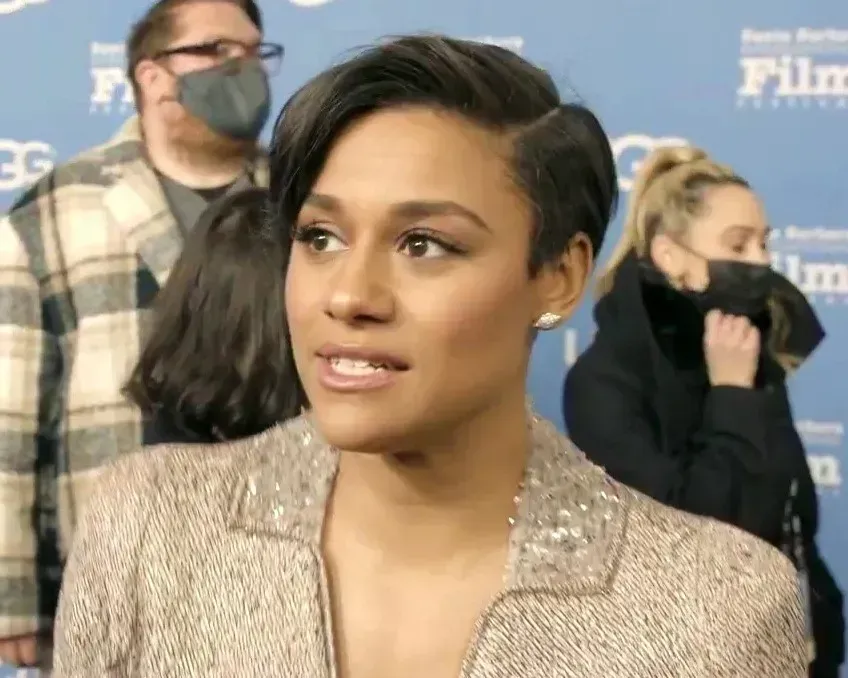
Rita Moreno’s performance as Anita in the 1961 West Side Story is one of the most celebrated in movie musical history, earning her the Academy Award for Best Supporting Actress and making her the first Hispanic woman to win an Oscar. Sixty years later, Steven Spielberg cast Ariana DeBose in the same role for his 2021 remake, with Tony Kushner’s script giving Anita more material and emotional range than the original screenplay had allowed.
DeBose went on to win her own Best Supporting Actress Oscar for the part, and Moreno and DeBose became the third pair of actors to win separate acting Oscars for portraying the same character. Moreno herself, watching from the sidelines as an executive producer on the new film, raved to Parade about watching Oscar front-runner DeBose take on the role of Anita, saying “It was weird and strange and wonderful. And she’s marvelous.” It’s a rare instance where the original star publicly cheered on her successor rather than bristling at the comparison.
Sophia Lillis breathes new life into Beverly Marsh in It (2017)
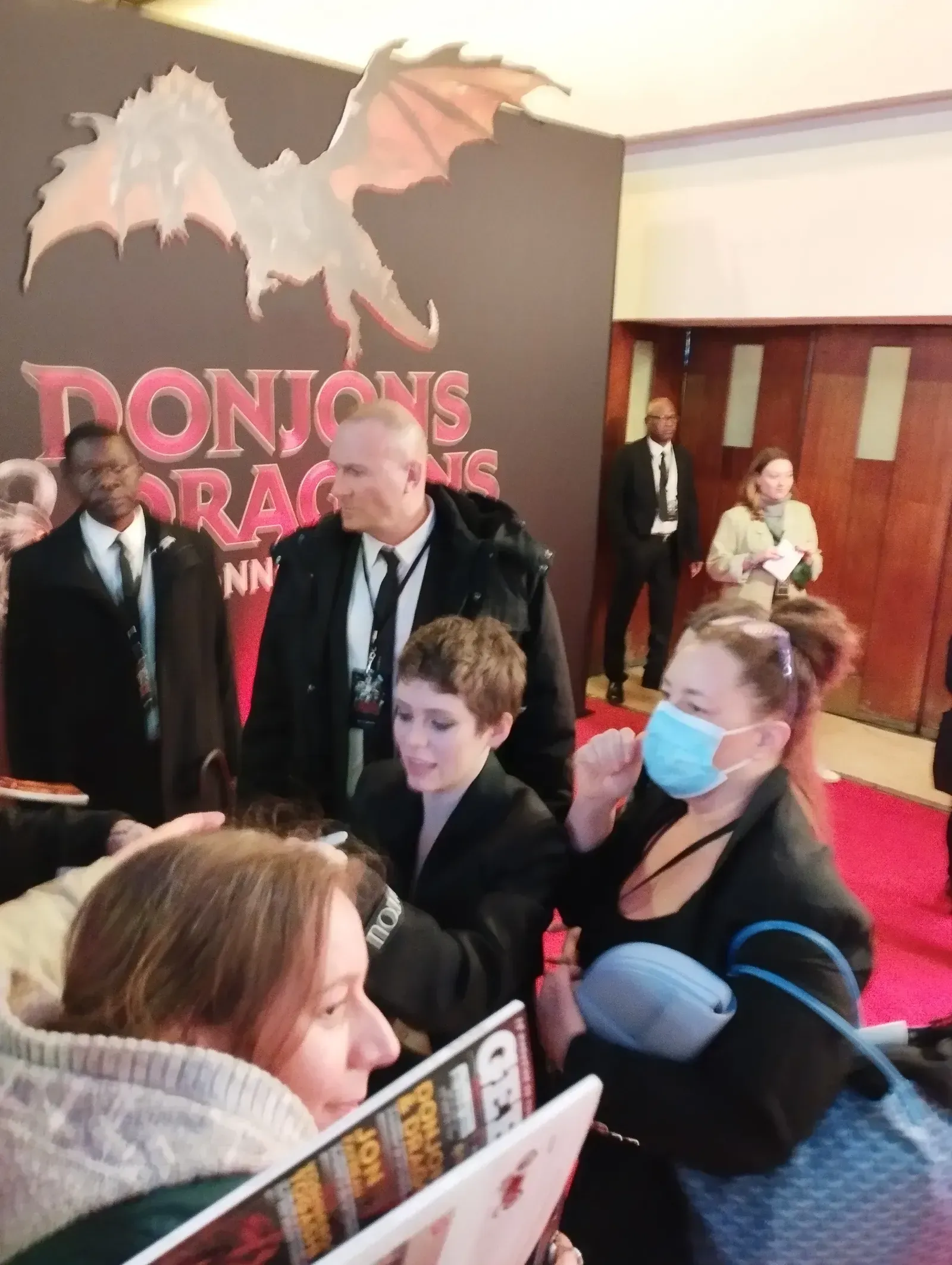
Stephen King’s novel It had already been adapted once, in a 1990 TV miniseries where Emily Perkins played the young version of Beverly Marsh. That portrayal was met with a relatively positive reception, but it existed in the shadow of network television constraints and a much smaller budget. When Andy Muschietti rebooted the story as a feature film in 2017, Sophia Lillis took on the role and turned Beverly into the emotional anchor of the entire Losers’ Club.
Lillis’s performance received widespread critical acclaim and established her as a rising star in Hollywood. She picked up nominations from multiple critics’ groups and youth-focused award shows, and the portrayal of Beverly in the 2017 film and its 2019 sequel was much more positively received than the original miniseries version. It’s the kind of reception that turned a supporting horror role into a genuine breakout moment.
Zendaya elevates Chani beyond her thankless 1984 counterpart in Dune (2021)
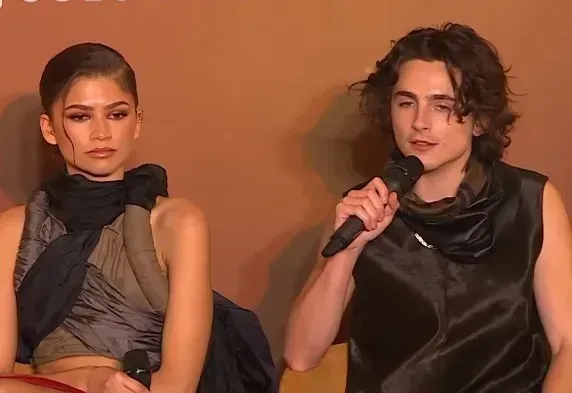
David Lynch’s 1984 adaptation of Frank Herbert’s Dune has its defenders, but few would argue that Sean Young’s Chani was one of its strengths. The character was largely reduced to a love interest with little independent motivation, a common fate for female roles in that era of big-budget science fiction. Denis Villeneuve’s 2021 version, working from a script that gave Chani far more agency, cast Zendaya in a smaller but sharper role that set up a much larger presence in the sequel.
Critics noticed the difference almost immediately. One review observed that “Zendaya brings more depth and pathos to Chani as an expository cameo in 2021 than Sean Young did with a whole supporting role in 1984.” Another comparison piece noted that “Zendaya’s Chani is likewise warier of this Paul Atreides kid,” a departure from Sean Young’s version, “who like many of the female parts in the original adaptation is underwritten and vacant.” With even less screen time than her predecessor, Zendaya still managed to make Chani feel like a person rather than a prize.
What ties these eight performances together isn’t just talent, though there’s plenty of that. It’s timing, too. Scripts get rewritten with more care, directors bring fresh perspectives, and the actresses themselves often arrive at a role with something to prove. None of this diminishes the originals, several of which remain rightly beloved. It just shows that a good character can survive more than one great performance, and sometimes the second one finds something the first simply couldn’t.Partner offer
Planning a trip to Vegas?
Compare hotel rates and show tickets on VEGAS.com.