There’s a quiet frustration that runs through a lot of serious film criticism right now. It’s the feeling of watching someone deliver a genuinely extraordinary performance, only to see the awards circuit look the other way, or worse, see that actor disappear into smaller projects for another year or two. Hollywood has always had a gap between talent and opportunity, but critics in the 2020s have been increasingly vocal about just how wide that gap has grown.
The eight performers on this list aren’t obscure. Most of them have awards nominations, critical praise, and recognizable faces. What they share is a pattern: turning up, delivering something remarkable, and somehow still not getting the sustained, leading-caliber opportunities their work clearly invites. Critics keep noticing. The industry, at least in terms of casting power, seems less certain.
Danielle Deadwyler – The Repeatedly Snubbed Force of Nature
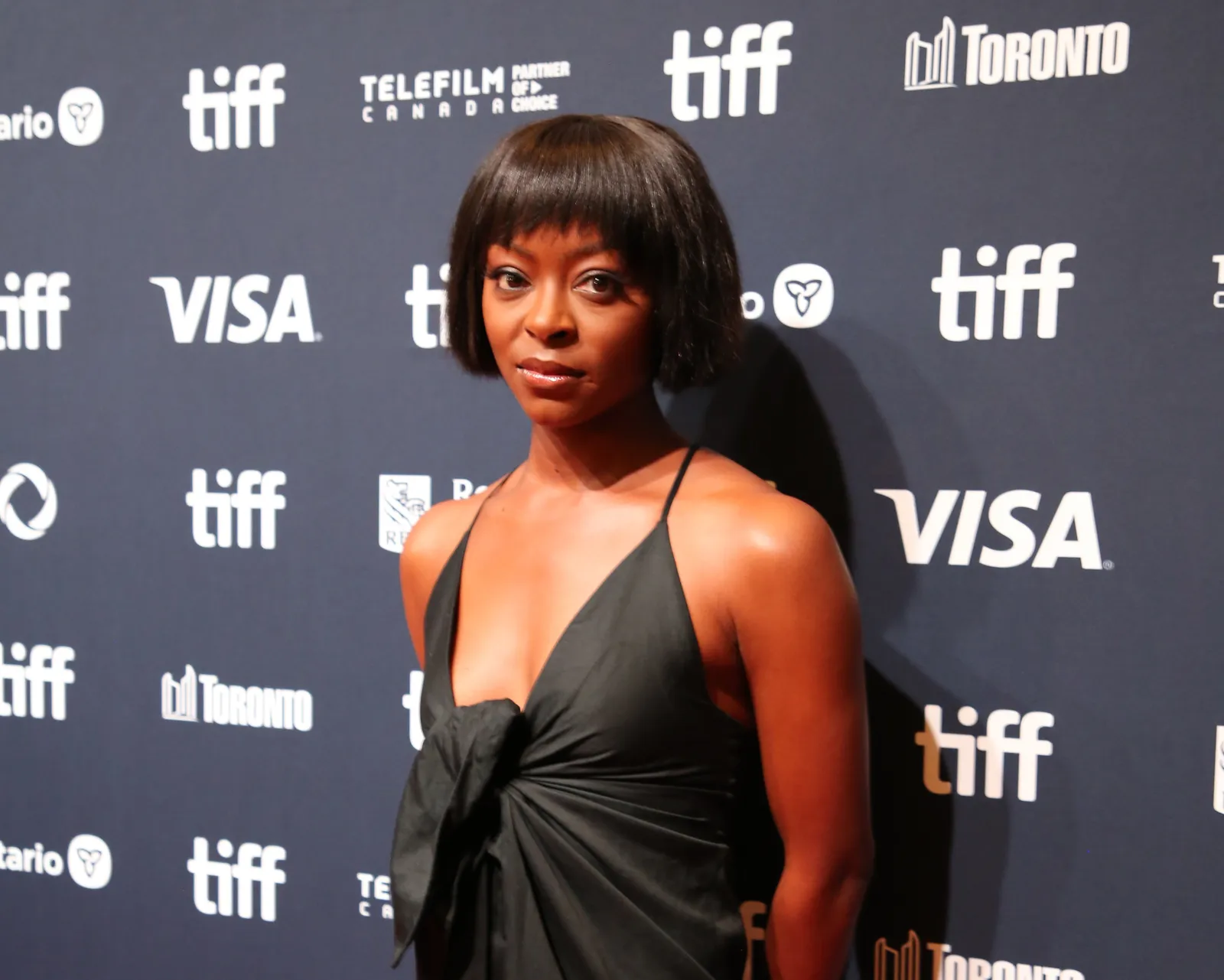
Deadwyler earned critical acclaim for her roles in The Harder They Fall (2021), as Mamie Till in Till (2022), and as a conflicted mother in The Piano Lesson (2024). She received BAFTA and Screen Actors Guild Award nominations for Till, and a second SAG nomination for The Piano Lesson. Despite that track record, the major awards kept passing her by.
Deadwyler was snubbed again at the Golden Globes, having also missed out on an Oscar nomination for her performance in Till in 2022. She feels one movie away from being a massive star, having already racked up heaps of critical acclaim for her work in titles like “The Harder They Fall” and “The Piano Lesson,” with her devastating performance as Emmett Till’s mother showing she can easily carry the emotional weight of an entire film. By 2026, things finally started to shift: Time magazine named Deadwyler one of the 100 most influential people in the world in 2025, and in February 2026 she was cast in a lead role for the upcoming reboot of The X-Files, produced by Ryan Coogler.
Saoirse Ronan – Four Nominations, Still Not Enough Roles
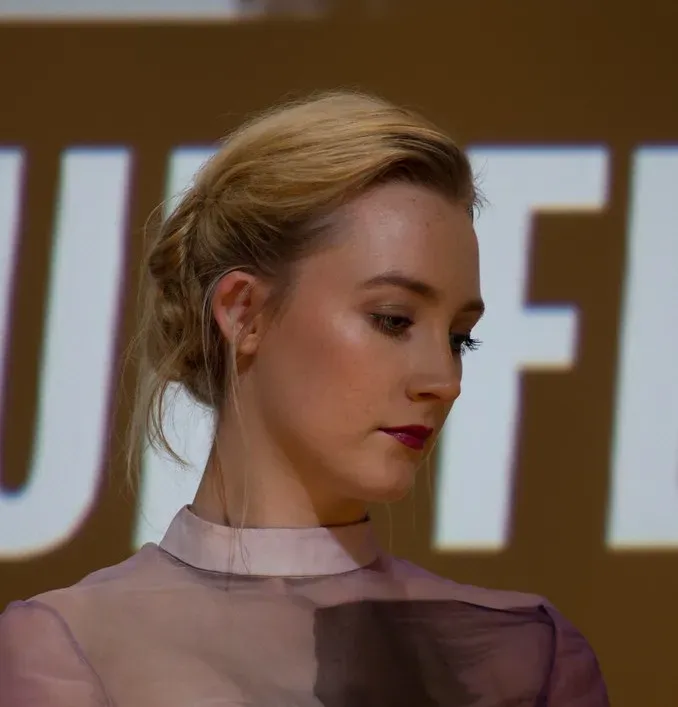
Ronan received critical acclaim and nominations for the Academy Award for Best Actress for playing an Irish immigrant in New York in Brooklyn (2015), the eponymous high school senior in Lady Bird (2017), which also won her a Golden Globe, and Jo March in Little Women (2019). That’s four Oscar nominations, a Golden Globe win, and the kind of range most actors spend entire careers chasing. In 2020, The New York Times ranked her tenth on its list of the greatest actors of the 21st century.
Ronan has earned ample critical acclaim and media attention for her performances in the past, though The Outrun has yet to generate as much buzz as previous projects despite her portrayal being just as brilliant. On Rotten Tomatoes, 82% of critics gave The Outrun positive reviews, with the critics’ consensus noting that the film “benefits from Saoirse Ronan’s deeply committed performance in the central role.” Still, the roles that match her ability remain surprisingly rare.
Guy Pearce – A Career-Long Underestimation
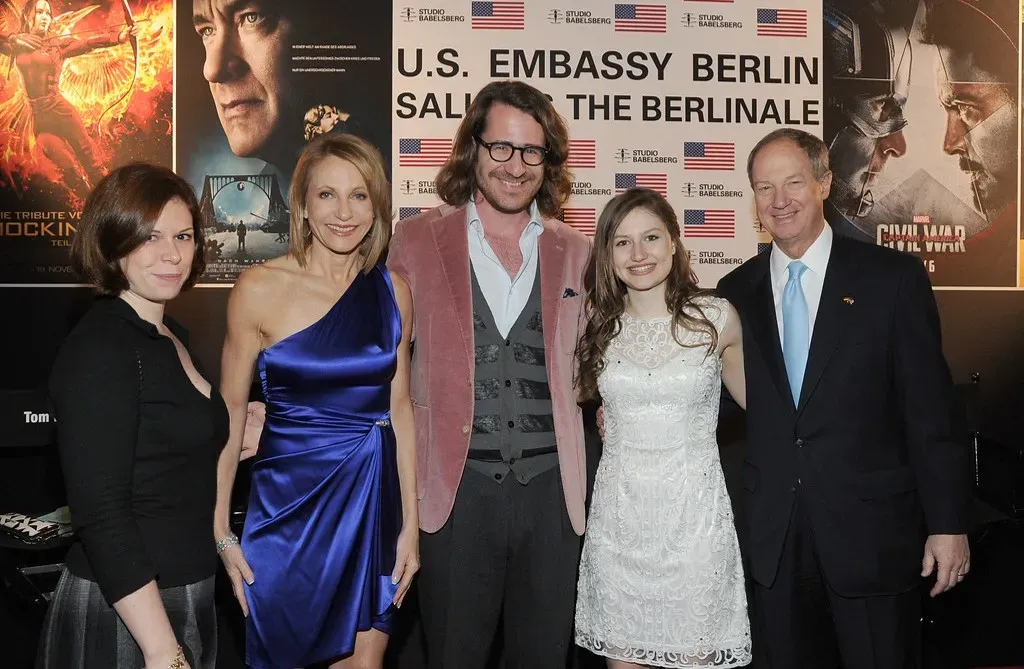
For decades, critics have championed Guy Pearce as an actor who never seems to get the recognition he deserves. His filmography is extraordinary by any standard, stretching from Memento to L.A. Confidential to The Hurt Locker, and yet his name rarely surfaces in the conversations about the great working actors of his generation. That looked to be changing following his performance in The Brutalist.
Pearce was nothing short of magnetic in The Brutalist, playing a devilishly charming yet predatory industrialist, and the seasoned screen veteran offered an acting masterclass that simply couldn’t be overlooked. It’s the kind of recognition that critics had been pushing for years. The fact that it took a three-and-a-half-hour epic about a Hungarian architect for audiences to pay close attention says everything about how quietly he’s operated – and how much he’s been capable of all along.
Jesse Eisenberg – More Than the Sidekick
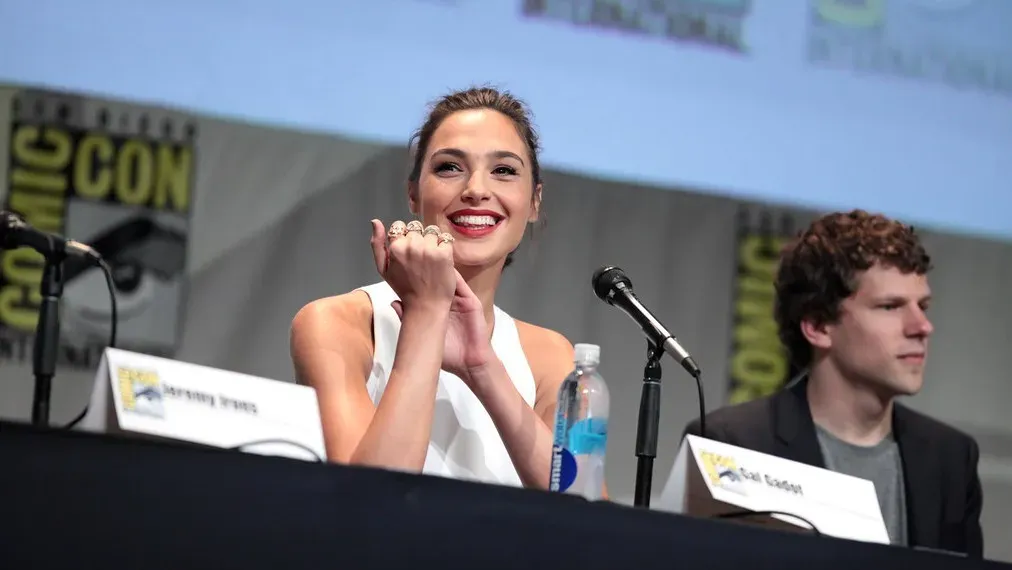
The Rotten Tomatoes critics’ consensus for A Real Pain notes that the film is “led by a scene-stealing turn from Kieran Culkin” and that Jesse Eisenberg plays to his strengths on either side of the camera. That framing captures Eisenberg’s problem neatly: he writes the film, directs it, co-stars in it, and still the conversation centers on his co-star. Eisenberg also deserves plaudits for his own role in A Real Pain, where being pragmatic, reserved, and shy doesn’t always get the praise it deserves, including one standout scene where his character David lays out his true feelings that was truly enthralling.
A Real Pain gave Kieran Culkin his first Oscar win, while Eisenberg’s own work in the film went largely unremarked upon by awards bodies. That pattern has defined much of his career. Capable of tremendous internal stillness on screen and real formal ambition behind the camera, he keeps delivering work that critics notice and industry momentum seems to just quietly move past.
Michael Stuhlbarg – The Invisible Scene-Stealer
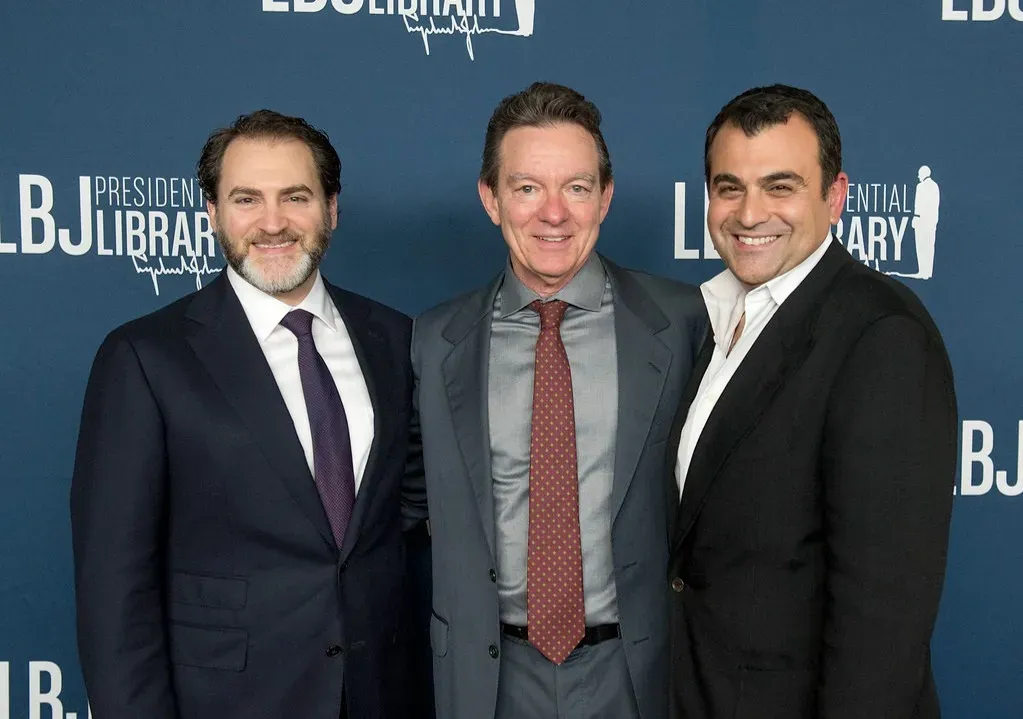
Across stage, film, and television, Michael Stuhlbarg has shown why he is considered an underrated performer, with two Screen Actors Guild Awards and nominations for two Primetime Emmy Awards, two Tony Awards, and a Golden Globe Award. His ability to disappear completely into a role is arguably what works against him in terms of wider recognition. When you’re that good at becoming someone else, audiences often forget who did the work.
Film critics have noted Stuhlbarg as a great overlooked supporting actor, even beyond his work in the celebrated A Serious Man. He appeared in The Amateur (2025) alongside Rami Malek, Laurence Fishburne, and Rachel Brosnahan, another ensemble where his talents risk being absorbed into the background. For critics who have tracked his career carefully, the consensus is clear: few actors working today bring this level of quiet precision to every single role, and almost none of them stay this invisible while doing it.
Naomi Scott – A Horror Breakthrough That Deserved More Follow-Through

The Rotten Tomatoes critics’ consensus for Smile 2 called it “blessed with a nerve-jangling star turn by Naomi Scott,” with writer-director Parker Finn broadening the film’s conceit into “a pop stardom nightmare.” That kind of consensus language, anchored around a single performance, is exactly the indicator that a star-making moment has arrived. Smile 2 was described as Naomi Scott’s start-making role as pop star Skye Riley, with Scott delivering a deep performance that elevated the film to the next level.
Scott came to mainstream attention through Power Rangers and Aladdin, roles that gave her visibility without much critical traction. Smile 2 changed the terms of that conversation. The question now, as of 2026, is whether the industry will respond with roles that genuinely test her range, or whether she’ll cycle back into the supporting tier while critics continue making the same argument on her behalf.
June Squibb – Hollywood Ageism at Its Most Glaring
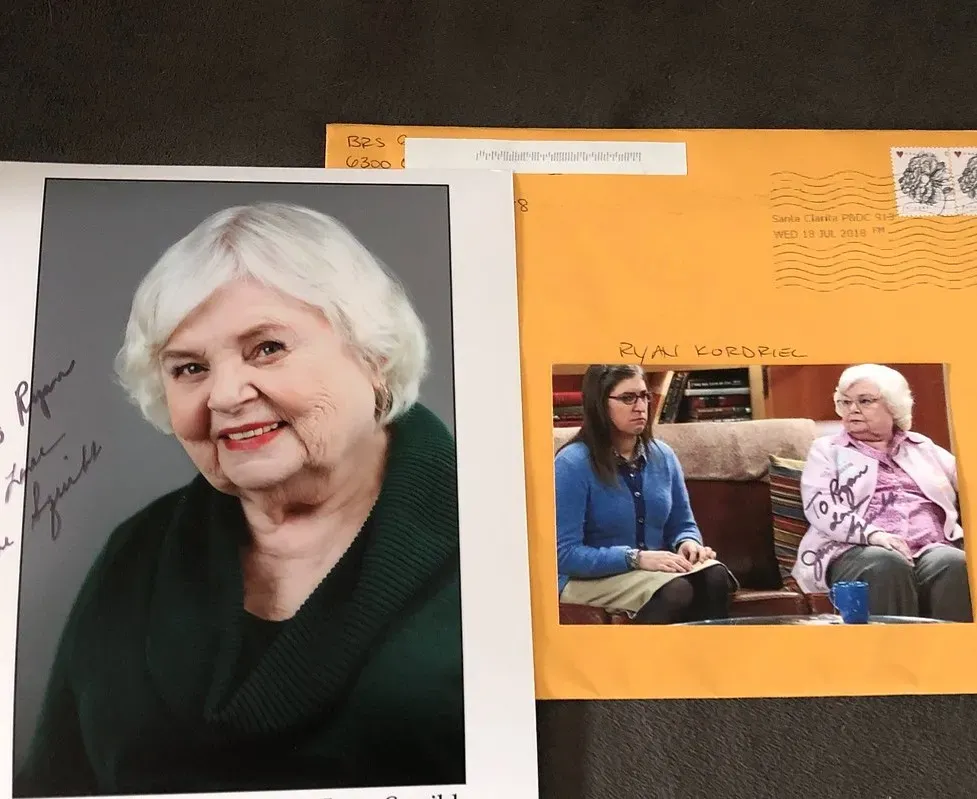
Thelma, a surprise hit comedy, is one of 2024’s best hidden gems, with June Squibb playing 93-year-old Thelma, a determined grandmother who embarks on a journey to locate and take back money stolen from her by a phone scammer, delivering a delightful watch as Thelma treks across Los Angeles. It’s not often that a character like Thelma is given the chance to take the lead in a story because of Hollywood’s problems with ageism, but Squibb delivers an engaging performance.
Critics felt Squibb was robbed of major nominations, with one film critic noting that Thelma marked the then 95-year-old character actor’s first starring role, and that she truly carried the film from start to finish, even doing some of her own stunts including the scooter scenes. The conversation around her performance became, almost inevitably, a conversation about the industry’s reluctance to center older women in mainstream stories. Squibb made the case for herself better than any awards campaign could have.
Yura Borisov – The Cannes-Acclaimed Name Hollywood Still Hasn’t Fully Embraced
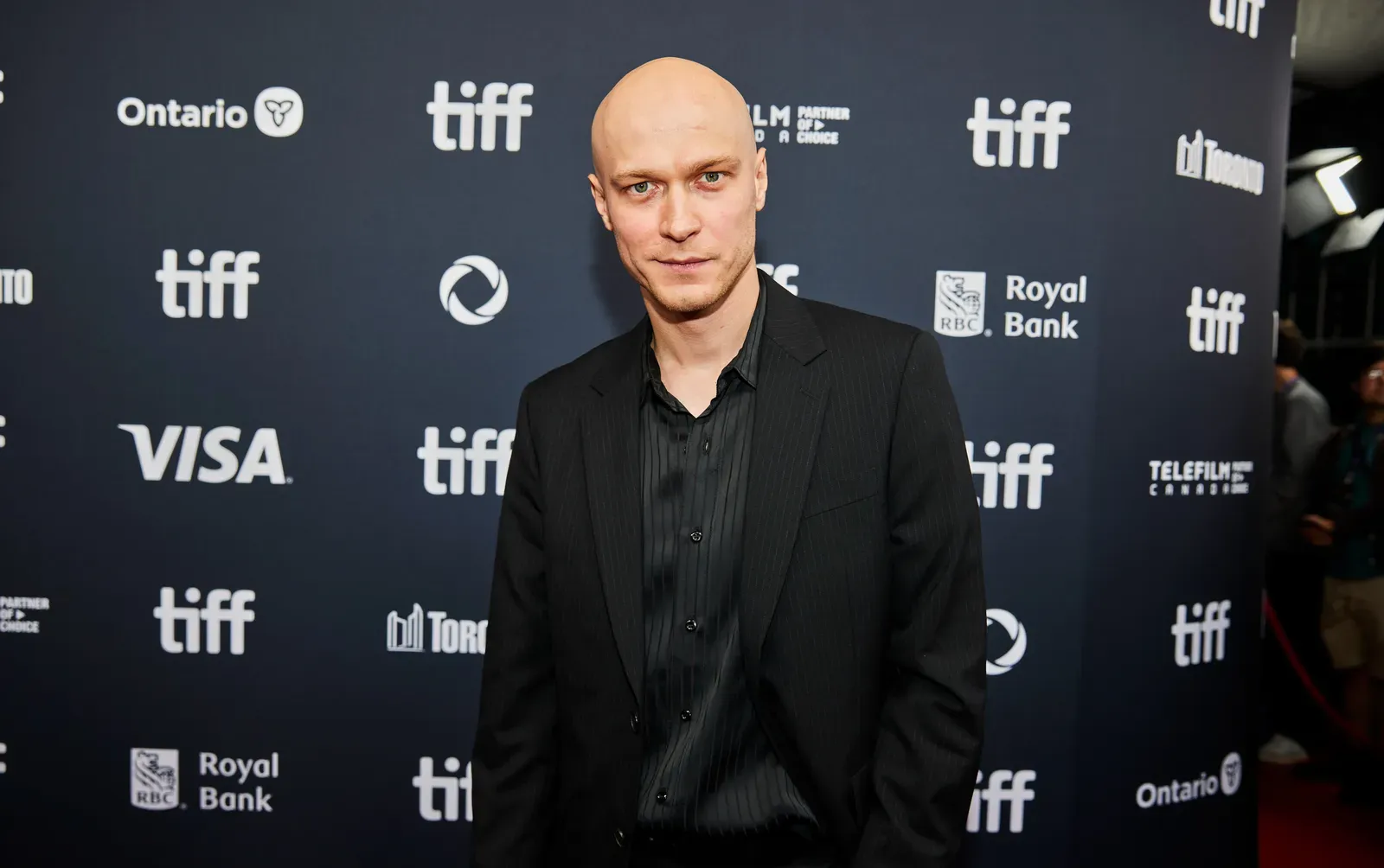
Borisov gained international acclaim for his role as the rough yet vulnerable miner Lyokha in Juho Kuosmanen’s Compartment Number 6 (2021), which won the Grand Prix at Cannes and earned a Golden Globe nomination for Best Motion Picture in a Non-English Language. His performance in Sean Baker’s Anora (2024) as a Russian emigrant in Brooklyn further elevated his global profile, earning him an Oscar nomination for Best Supporting Actor, the first for a Russian actor in over four decades.
That Oscar nomination represented a genuine breakthrough moment. Yet the structural path from art-house acclaim to sustained Hollywood opportunity remains genuinely difficult for international actors, regardless of the caliber of their work. In 2025, Borisov starred in the film Konchitsya leto, directed by Oscar-nominated Maxim Arbugaev, filming in the harsh conditions of Yakutia as a conflicted ex-convict. Critics who followed his arc from Cannes to the Academy Awards know what they’re watching: one of the most physically committed, emotionally honest screen performers of his generation, still navigating a system that wasn’t built with him in mind.