Studios used to be sterile rooms with foam on the walls and a clock over the door. Plenty of musicians have decided they’d rather record somewhere with a bit of history, a strange echo or a kitchen down the hall.
Churches offer stone, wood and a long natural reverb. Houses offer privacy, odd corners and a pace that no hourly studio rate allows. These eight albums show how different the results can be.
Cowboy Junkies, The Trinity Session

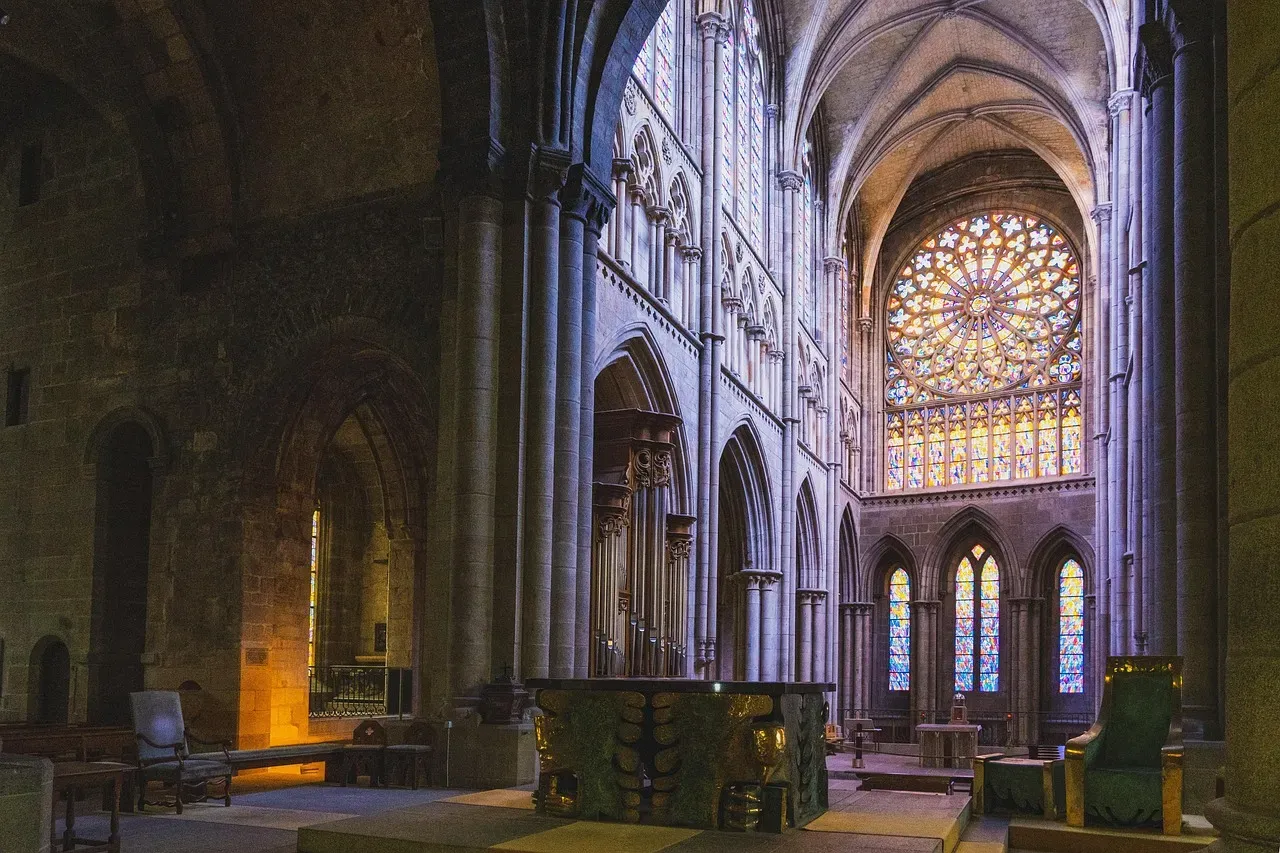
This Canadian band recorded the album in 1987 at the Church of the Holy Trinity in Toronto. The sessions were famously built around a single ambisonic microphone, with the musicians arranged around it and balanced by how close they stood.
The record came out in 1988 and has a hushed, room-filling quality that’s hard to fake. You can almost hear the building breathing between the notes. It remains one of the best known examples of a church acting as the main instrument in the mix.
Arcade Fire, Neon Bible

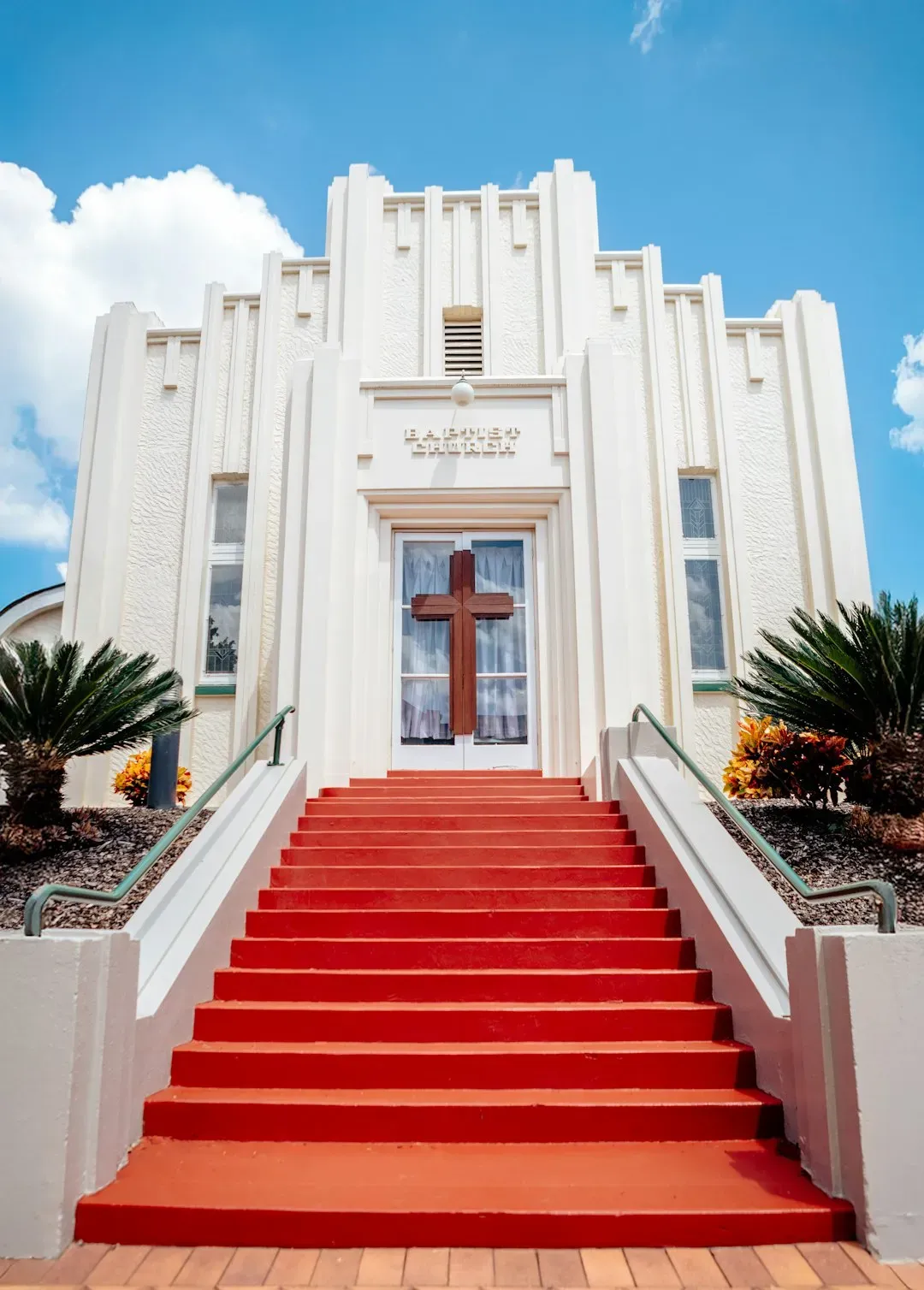
For their second album, Arcade Fire bought a former church in Farnham, Quebec, and turned it into their own studio. The album was released in 2007, and the building’s space shaped its big, swelling sound.
Using a church suited the record’s themes, which circle around faith, fear and media noise. The band also had the freedom to work on their own schedule, with no studio clock running. Neon Bible shows what a group can build when the room belongs to them.
Tori Amos, Boys for Pele

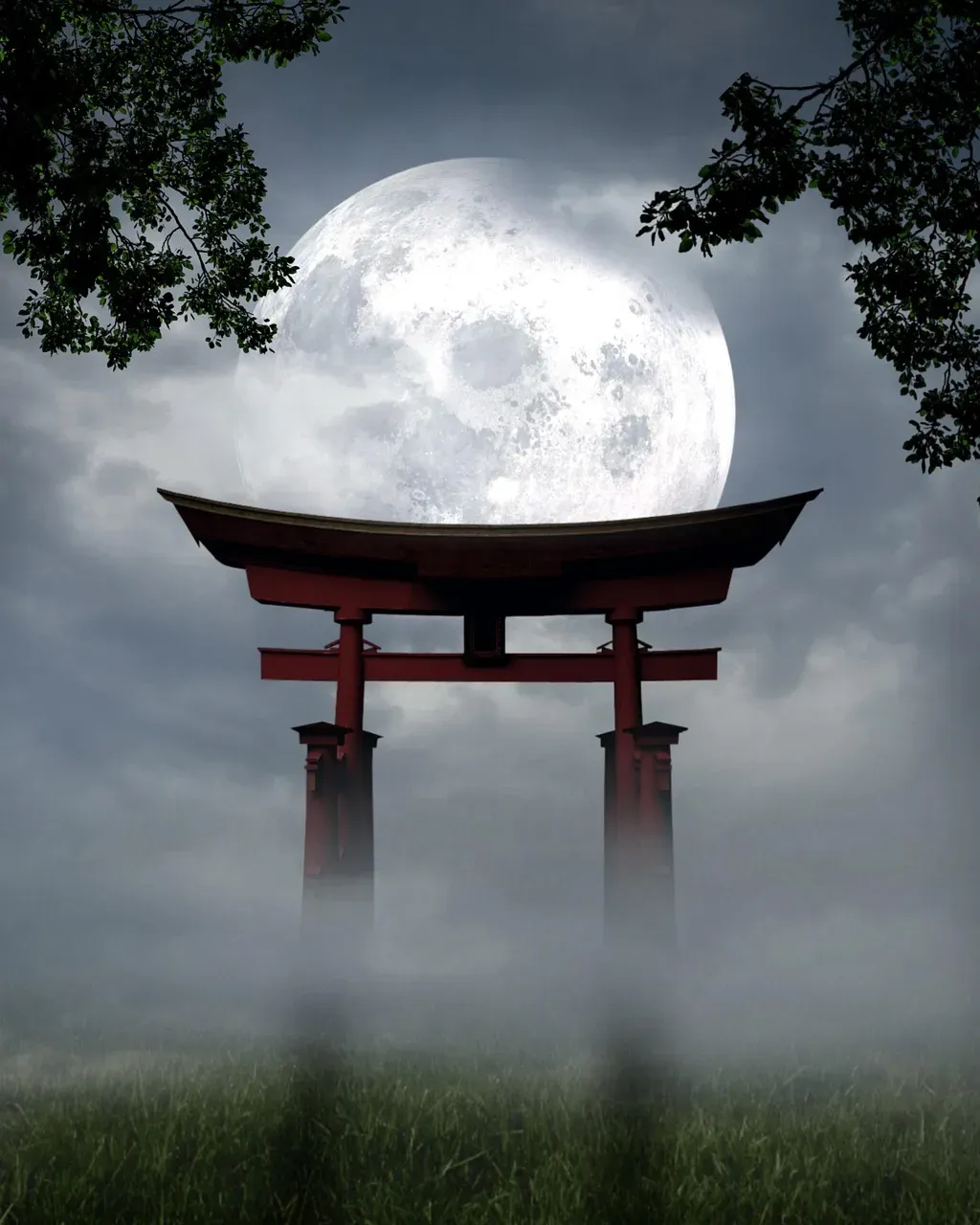
Tori Amos made Boys for Pele in 1996 in a converted church in Delgany, County Wicklow, Ireland. The album is heavy on harpsichord, piano and organ, instruments that suit a high, resonant room.
It’s a sprawling, strange record, and the setting fits it. Amos was working far from the usual studio machinery. Instead she had a building with its own character, and the music took on some of that atmosphere.
Beach House, Teen Dream

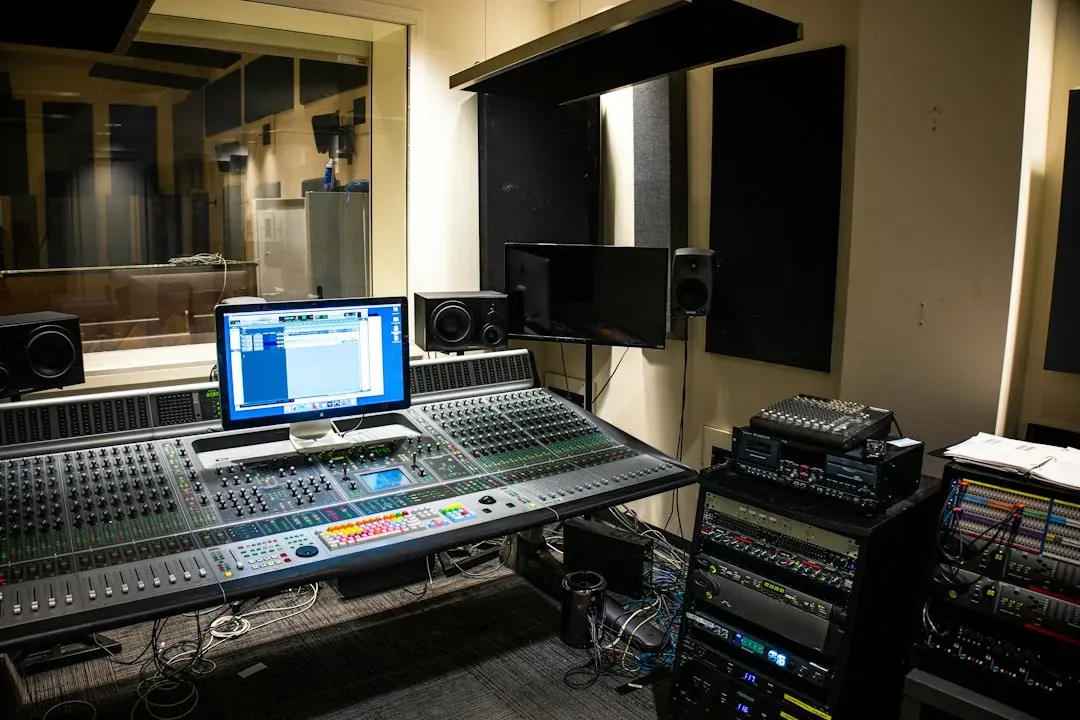
Beach House recorded their 2010 breakthrough at Dreamland Recording Studios in Woodstock, New York. Dreamland is housed in a church built in 1896, which gives the space its tall ceilings and warm wooden tone.
Partner offer

Teen Dream sounds lush without being cluttered, and the room has a lot to do with that. The reverb feels natural rather than added later. For many listeners, it’s the album where the duo’s dreamy sound became fully realized.
Led Zeppelin, Led Zeppelin IV

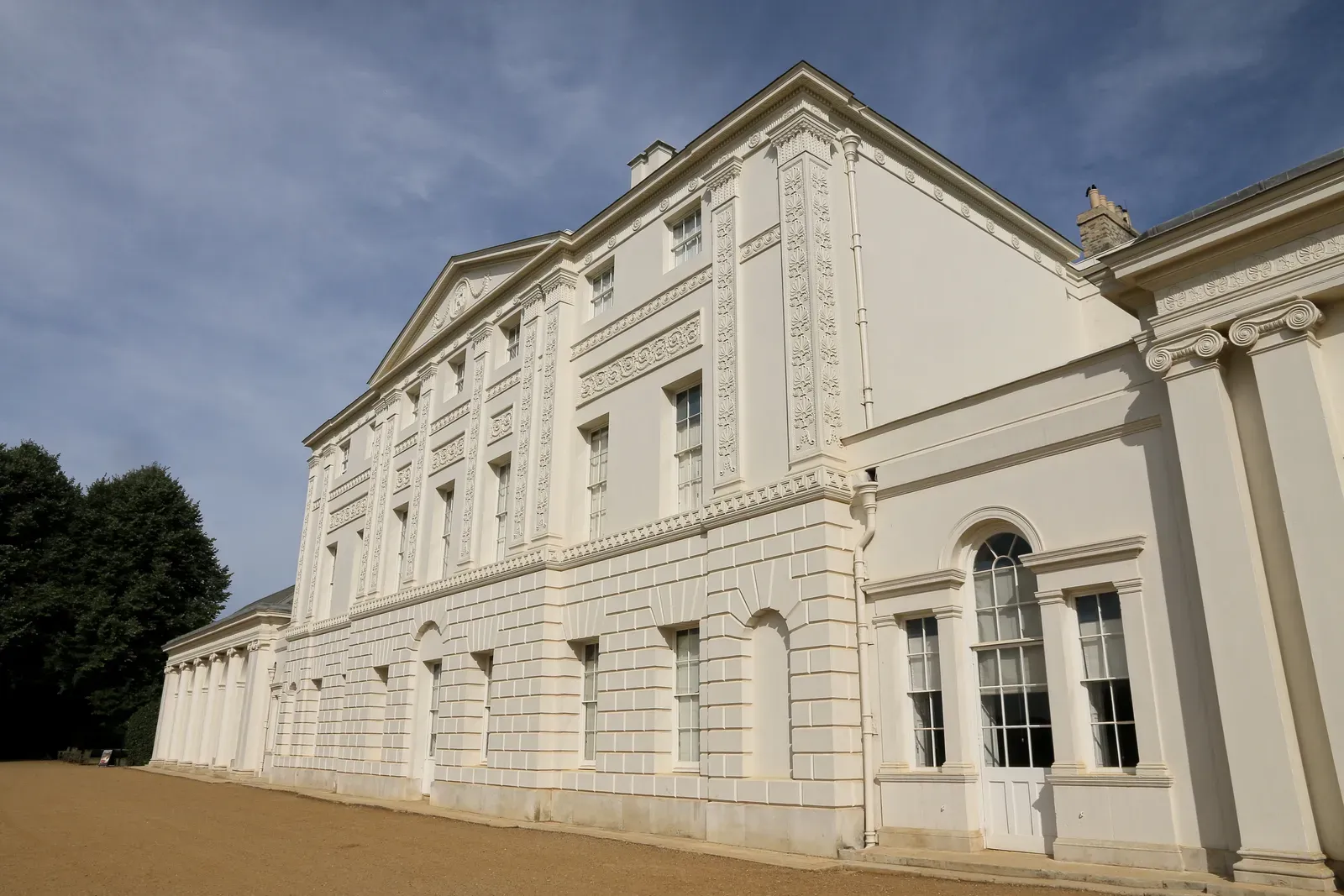
Much of Led Zeppelin IV was recorded in 1971 at Headley Grange, a former workhouse in Hampshire, England, that had become a rural residence. The band used the Rolling Stones Mobile Studio, parked outside, rather than a conventional London facility.
The house’s stairwell helped produce the huge drum sound on When the Levee Breaks. John Bonham’s kit was set up in the entrance hall, with microphones placed above him. It’s one of rock’s best known cases of an ordinary building doing extraordinary work.
Bruce Springsteen, Nebraska

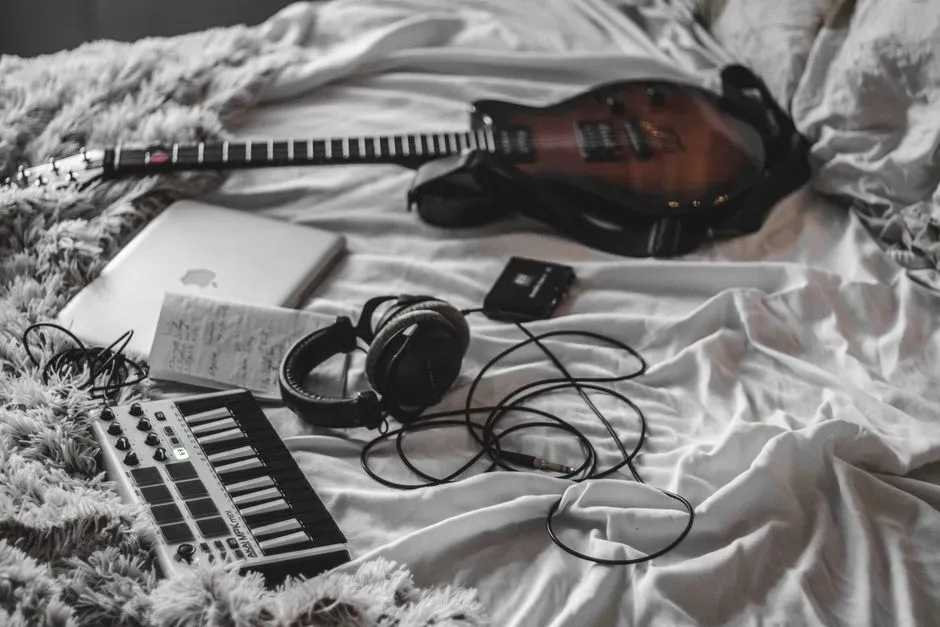
Springsteen recorded the demos for Nebraska at his rented home in Colts Neck, New Jersey, in early 1982. He used a four track cassette recorder, with the songs captured in a bedroom rather than a studio.
He tried to redo the songs with the E Street Band, but the stripped down home recordings had a mood he couldn’t reproduce. The album was released later in 1982 using those original tapes. The rough edges became part of its identity.
The Band, The Band

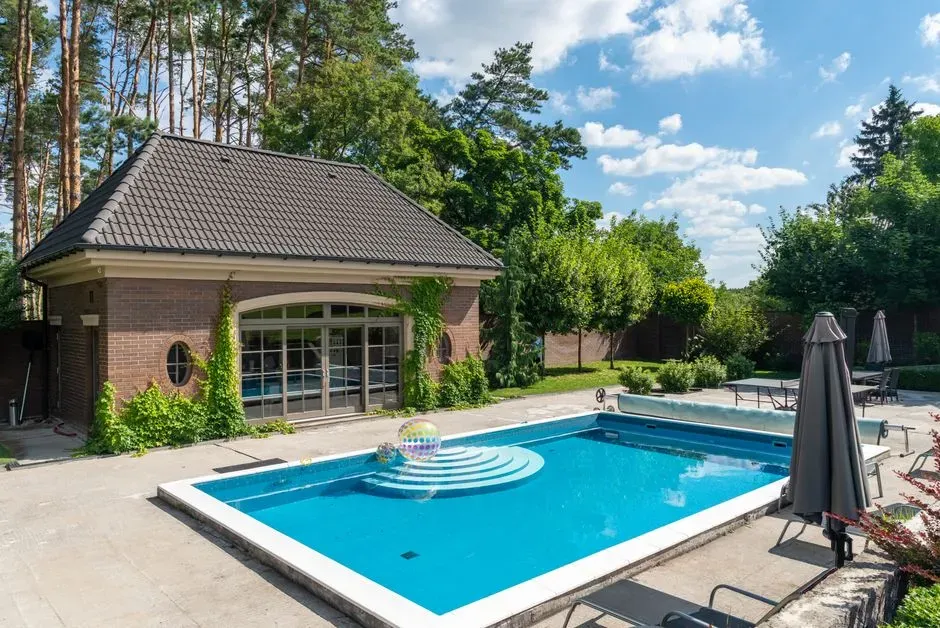
The group’s second album, released in 1969, was recorded in the pool house of Sammy Davis Jr.’s home in the Hollywood Hills. The space was set up as a makeshift studio, which gave the band a looser, more domestic working environment.
The songs have a lived in, rustic feel, and the relaxed setting suits them. It’s a good reminder that a studio doesn’t need to look like one. Sometimes a borrowed outbuilding does the job just as well.
Emmylou Harris, Wrecking Ball

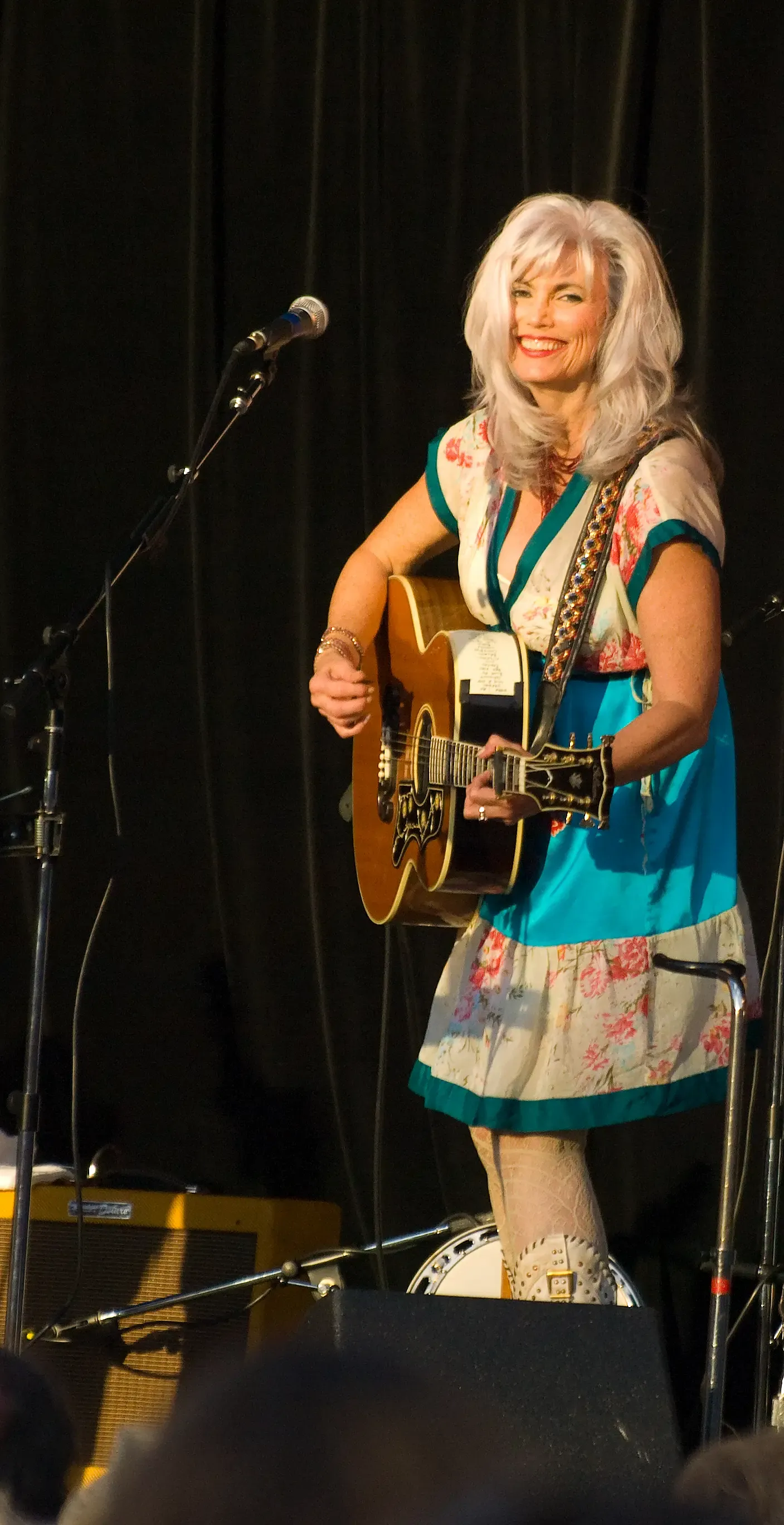
Wrecking Ball, produced by Daniel Lanois, was made largely at Kingsway Studio in New Orleans. Lanois had set up the studio in a large old house, so the sessions took place in a residential building rather than a purpose built facility.
The 1995 album pushed Harris toward a moodier, more atmospheric sound than her earlier country records. It won the Grammy for Best Contemporary Folk Album. The domestic setting gave the production a hazy, spacious character that still stands out.
Partner offer
Planning a trip to Vegas?
Compare hotel rates and show tickets on VEGAS.com.