


Casting is one of those things that audiences only really notice when it goes wrong. When it clicks, you forget you’re watching an actor entirely. When it doesn’t, no amount of visual effects, clever editing, or strong writing can fully paper over the cracks. The right performance can carry a mediocre script. The wrong one can sink a great concept before it even gets a chance.
Over the past decade, Hollywood has had no shortage of head-scratching decisions, from stars who were simply wrong for the role to choices that sparked genuine industry-wide conversations about representation. Some of these misfires cost studios enormous amounts of money. Others left talented actors with reputations that took years to recover. Here are eleven of the most glaring examples.
1. Jesse Eisenberg as Lex Luthor in Batman v Superman: Dawn of Justice (2016)

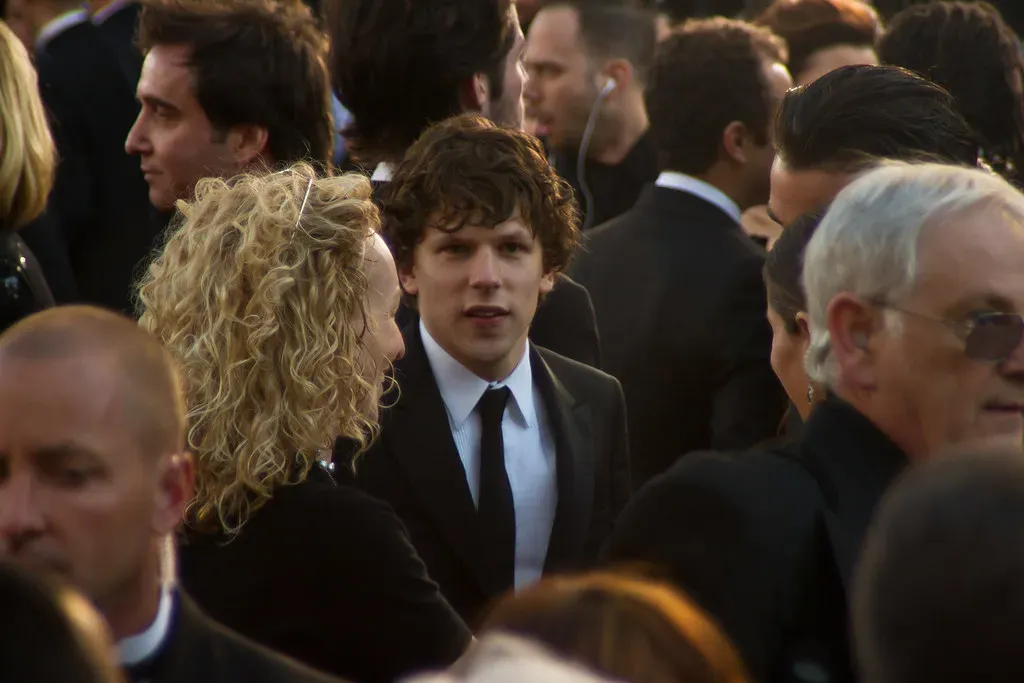
Eisenberg had built his career playing fairly neurotic characters in films like The Social Network, and fans were immediately skeptical when he was cast as Lex Luthor in Batman v Superman: Dawn of Justice. DC fans had been imagining actors like Bryan Cranston and Daniel Day-Lewis in the role, so Eisenberg came as an unwanted surprise.
The film scored four Razzie Awards, with Eisenberg’s Lex Luthor earning him a worst supporting actor Razzie. The damage lingered well beyond the release. Eisenberg himself reflected on how “poorly received” the film was and admitted the experience genuinely hurt his career, saying he had never confessed that before and found it embarrassing to acknowledge.
2. Jared Leto as the Joker in Suicide Squad (2016)
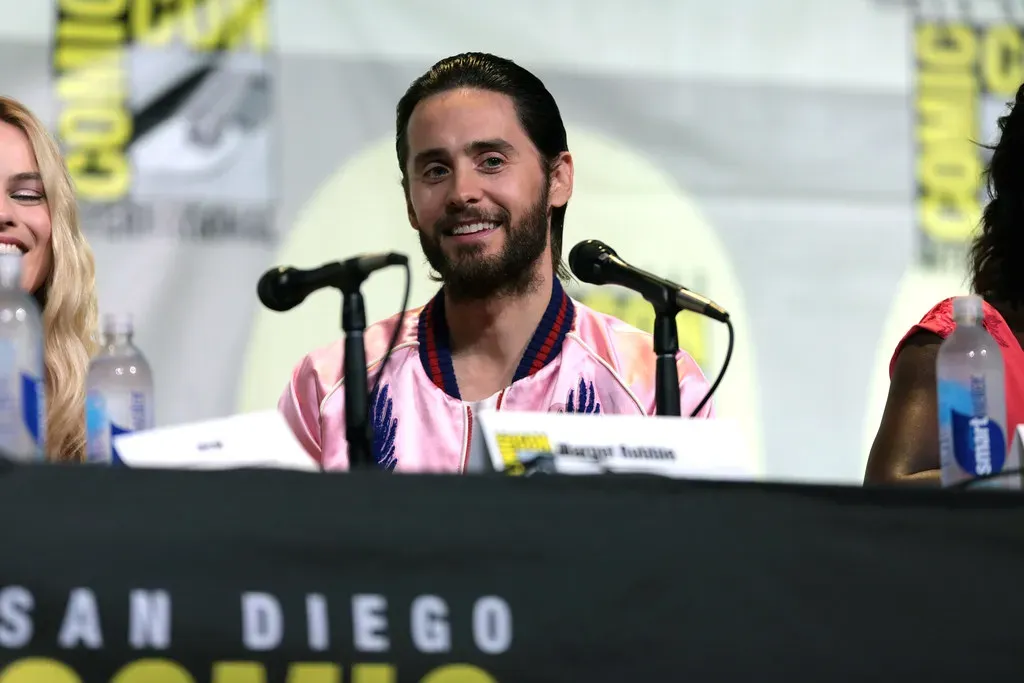
When Leto signed onto Suicide Squad, becoming the first actor to take the role on in cinema since the late Heath Ledger, expectations were extremely high, given the cultural magnitude of the part and the immense legacy Ledger had left behind. Leto infamously went full method, reportedly sending cast members inappropriate gifts he claimed were in character for the Joker, including live rats and other disturbing items.
Leto lacked the menace of Heath Ledger in The Dark Knight or the comedic charm of Jack Nicholson; instead, his version of the Clown Prince of Crime felt like a creepy, obnoxious distraction who barely had any screen time. It was not a surprise that Joaquin Phoenix ended up receiving far more acclaim when he took the role for himself in the 2019 spinoff film Joker, which won him the Academy Award for Best Actor.
3. Scarlett Johansson as Major in Ghost in the Shell (2017)

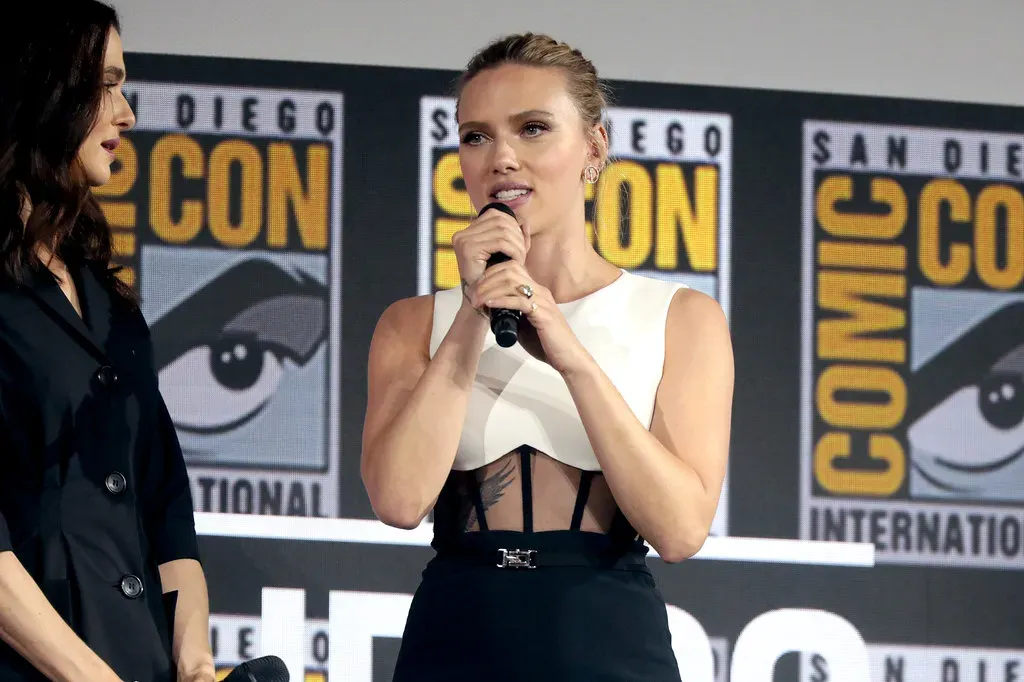
When it was announced that Scarlett Johansson would be playing Major Mira Killian in the Hollywood adaptation of Ghost in the Shell, a Japanese anime, people were immediately up in arms. The 2017 adaptation underwent major plot changes to accommodate the casting of a white woman in the lead role, including a twist at the end explaining that Johansson’s character was once a Japanese girl whose brain was transplanted into a robotic body.
Despite boasting star power in Johansson, the film’s box office of roughly $169.8 million was matched only by the lethargy of critics, who called it “flat, droning” and “lacking in soul.” Its failure marked a notable shift in the industry’s practice of whitewash casting, and Ghost in the Shell’s radioactive wreckage lingered as a warning that would reshape how studios approached representation decisions going forward.
4. Eddie Redmayne as Lili Elbe in The Danish Girl (2015)
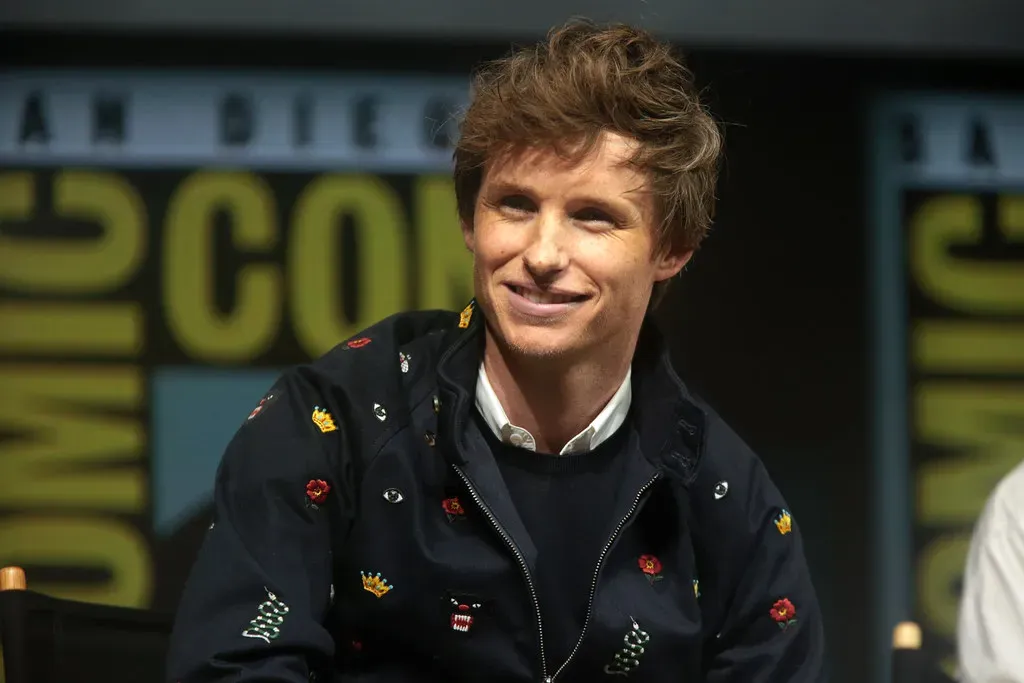
Tom Hooper’s biographical drama about the life of Lili Elbe, one of the first recipients of gender confirmation surgery, received a cold response at the casting of cisgender actor Eddie Redmayne to play the transgender Elbe. Hollywood hadn’t told many transgender stories at the time, and The Danish Girl could have been a rare opportunity for a trans actor to play a trans role in a major film.
Redmayne received an Oscar nomination for the performance, yet he later said taking the role was “a mistake.” Trans activists noted that trans actresses rarely get cast in major roles, especially in films about trans pioneers, and questions about who gets to tell transgender stories on screen became more heated throughout the film’s controversy. By the time the industry had shifted meaningfully on this question, the debate around Redmayne had helped accelerate that change.
5. Jennifer Lawrence as Joy Mangano in Joy (2015)
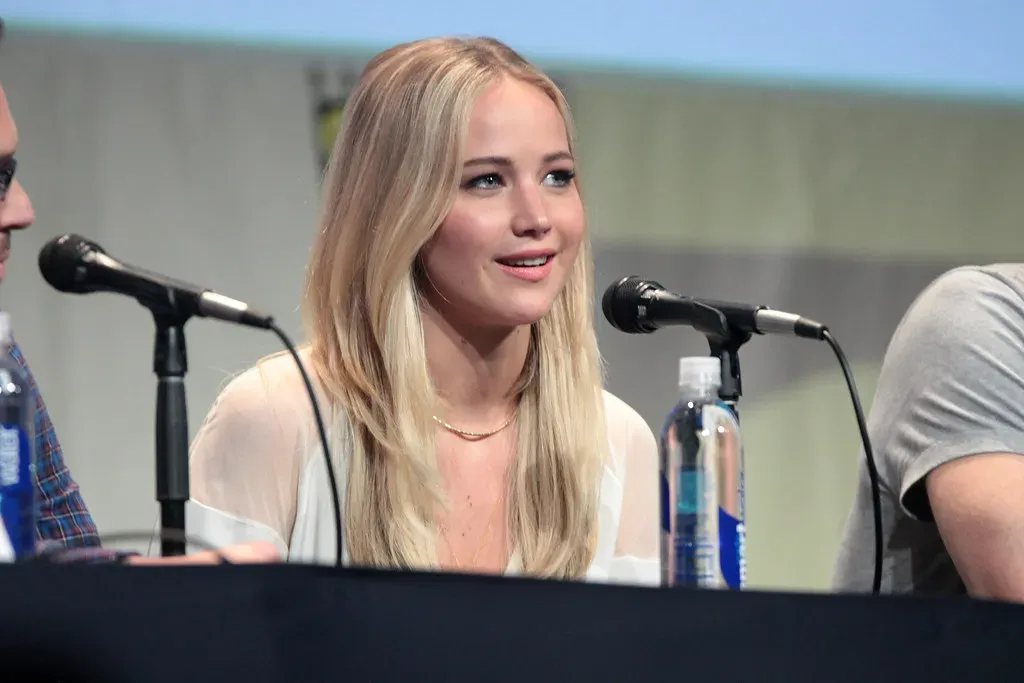
The 2015 film Joy focused on Joy Mangano, a 34-year-old single mom who overcame life’s obstacles, and the film centers on a woman in her mid-thirties – at one point shown in her forties – yet director David O. Russell gave the part to his frequent collaborator Jennifer Lawrence. Lawrence was a decade younger than her character at the time of the story, prompting one critic to write that she was totally miscast as a divorced mother of two who had been repeatedly beaten down by life.
Even Lawrence herself confessed she was too young for the role, but she justified it by saying Russell doesn’t worry about such questions. The film underperformed critically and commercially, leaving many to wonder what a more age-appropriate casting might have unlocked in the material. It’s a rare case where both the critics and the lead actress agreed something didn’t quite fit.
6. Emma Stone as Allison Ng in Aloha (2015)
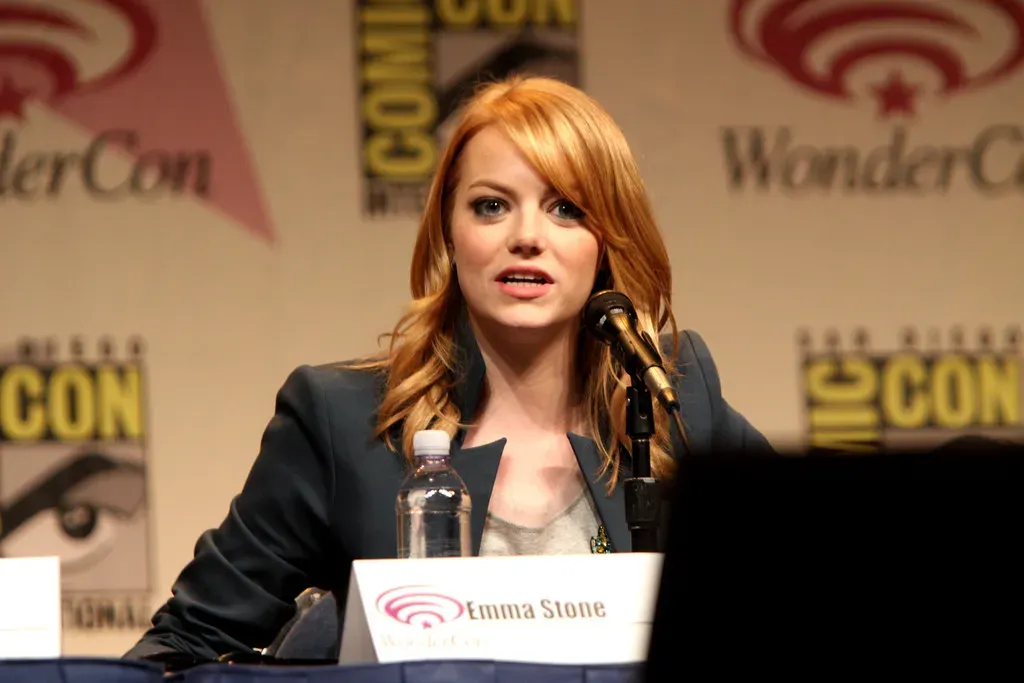
In Cameron Crowe’s Aloha, Emma Stone plays Allison Ng, an Air Force pilot of Hawaiian and Chinese heritage. Stone is neither, and both she and Crowe received widespread backlash for whitewashing, though Crowe attempted to clarify that Allison’s character, having a small portion of Hawaiian and Chinese backgrounds, was meant to be frustrated that she did not look like either ethnicity. The explanation did little to quiet critics, and it never quite worked on screen either.
Crowe offered a sincere apology for the frustration he caused, and Stone has publicly apologized several times for taking on the role, saying in a 2015 interview that she had become more aware of the widespread history of whitewashing in Hollywood since the scandal. The film was a commercial disappointment, and Aloha became a recurring reference point in broader conversations about representation that followed for years.
7. Ben Platt as Evan Hansen in Dear Evan Hansen (2021)

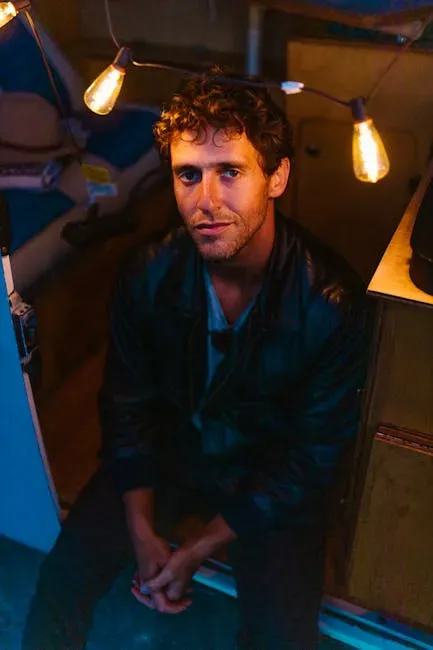
Although Ben Platt won several Tony Awards for his performance in the stage show of the same name, he was far too old to play the titular role in the cinematic version of Dear Evan Hansen. Casting Platt, an actor nearly in his thirties, as the main character in a coming-of-age drama set in a high school felt inauthentic and, to many viewers, borderline unsettling.
Platt had clearly aged out of the role, and it didn’t help matters that his father, Marc Platt, was one of the film’s producers. Platt experienced significant backlash, both for his unconvincing attempts to look younger and for the nepotism angle, and the pushback proved too big to ignore as the film bombed on both critical and commercial fronts.
8. Jared Leto as Milo Morbius in Morbius (2022)
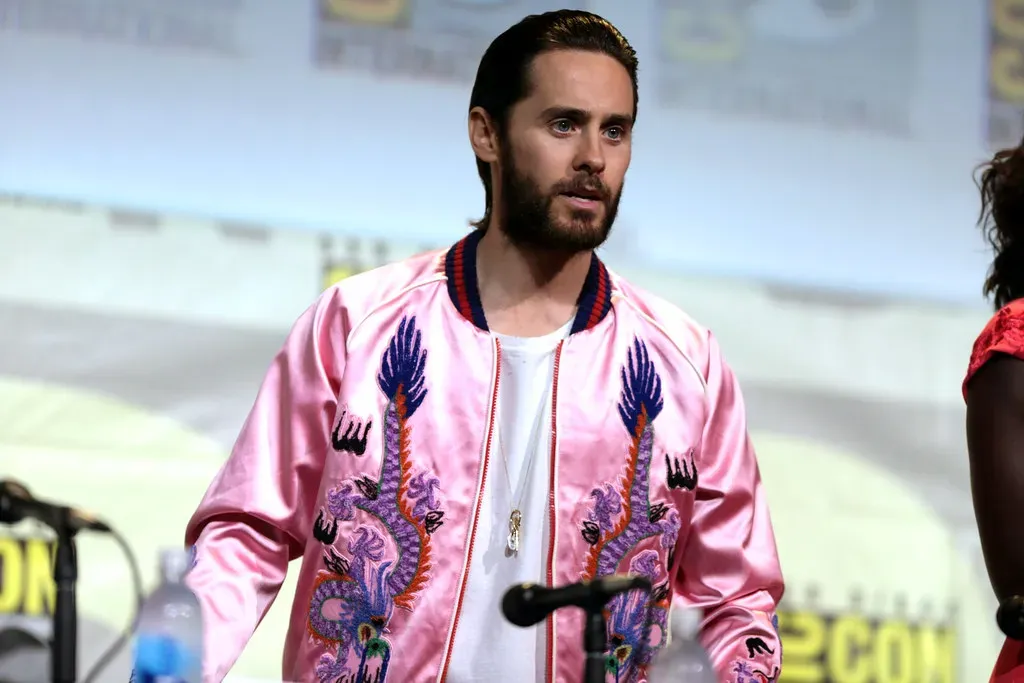
Morbius arrived with modest expectations and left with far less. Jared Leto headlined the Sony Spider-Man spin-off as Dr. Milo Morbius, a scientist who transforms into a living vampire, and the film became one of the most mocked superhero releases in recent memory. Critics pointed to a fundamental mismatch between Leto’s screen presence and the tone the film was trying to establish. The movie earned a Rotten Tomatoes score well below 20 percent from critics upon release, which is a remarkable number for a major studio tentpole.
The film notoriously inspired a viral internet moment when Sony re-released it in theaters following online mockery, only to see it perform even worse the second time. Based on Morbius, many critics observed it might be a good idea if Leto stays away from the comic book genre altogether. Coming so soon after Suicide Squad, the Morbius miscasting reinforced a clear pattern: Leto and superhero franchises were not a natural fit.
9. Dakota Johnson as Madame Web in Madame Web (2024)


Few casting choices in recent years generated the collective wince that came with Dakota Johnson as Cassandra Webb in Sony’s 2024 film Madame Web. The film was widely derided as one of the weakest entries in the superhero genre in years, with reviewers describing Johnson’s performance as flat and disconnected from the material. Johnson herself gave a remarkably candid press tour, making no effort to conceal her own skepticism about the project, which only amplified the film’s troubled reputation before it even hit theaters.
Dakota Johnson as Madame Web became one of several notable casting choices cited across multiple critics’ lists as among the most head-scratching decisions in recent Hollywood history. The film grossed a fraction of its production and marketing budget domestically, and Madame Web quickly became shorthand for everything studios can get wrong when they prioritize franchise infrastructure over character and casting compatibility.
10. Jared Leto as Paolo Gucci in House of Gucci (2021)
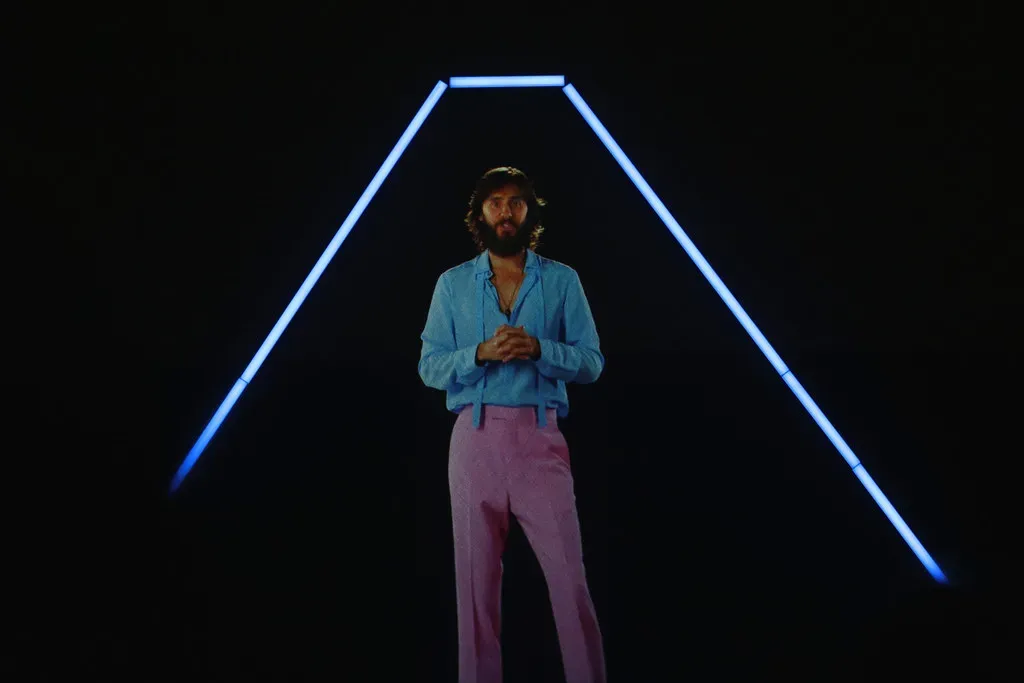
Ridley Scott’s House of Gucci had genuine star power, from Lady Gaga to Adam Driver to Al Pacino, but it was Jared Leto’s transformation into Paolo Gucci that divided audiences most sharply. Leto wore heavy prosthetic makeup and performed with an exaggerated physicality that many critics described as cartoonish rather than character-driven. His choices felt disconnected from the grounded performances around him, pulling the film’s tone in an odd direction every time he appeared on screen.
The performance became a flashpoint in debates about method acting excess and whether extreme physical transformation serves the story or distracts from it. While Leto received some recognition for sheer commitment, the consensus among critics was that the role exposed a recurring issue in his work: the technique overriding the performance. The contrast between his choices and those of his co-stars was stark enough to become one of the film’s most discussed talking points long after release.
11. Nicole Kidman as Lucille Ball in Being the Ricardos (2021)

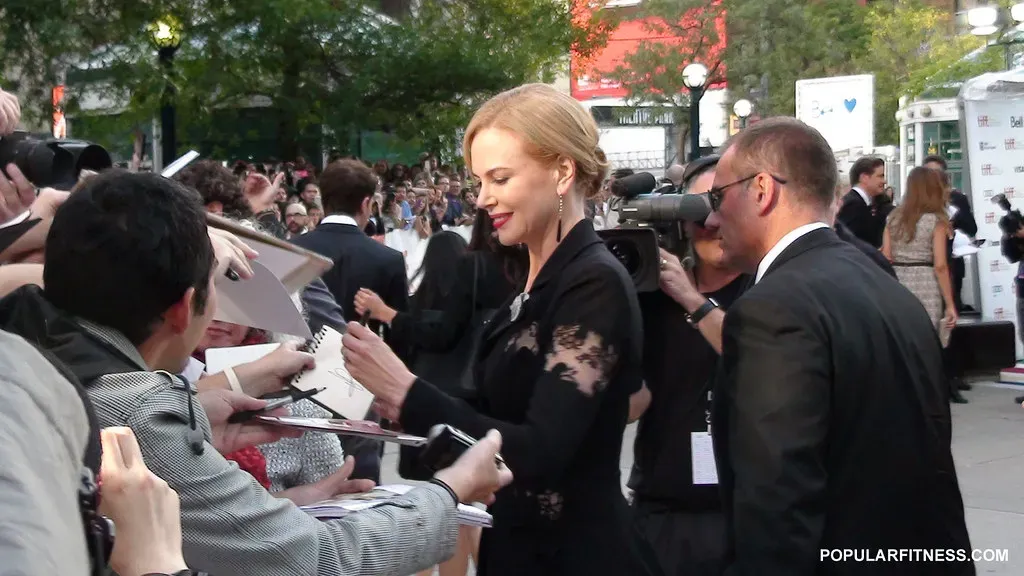
When the trailer for Being the Ricardos first dropped, Lucille Ball fans were not especially pleased. Many criticized the casting of Nicole Kidman, highlighting the fact that she looked nothing like Lucille Ball and didn’t even sound like her, and that wasn’t the only complaint they voiced. Ball’s physical comedy, her specific cadence, and her instantly recognizable screen persona are arguably among the most distinctive in television history, which made the burden of imitation extraordinarily high.
Kidman was nominated for an Academy Award for the role, which showed the performance had its defenders, but the broader audience reaction remained resistant throughout the film’s run. The casting raised a genuine question about whether a biopic of a beloved, widely remembered public figure requires a degree of physical resemblance that transcends pure acting ability. It was a debate that Being the Ricardos never quite resolved, and the film’s muted box office performance suggested audiences had already made up their minds.
What connects most of these miscasts isn’t a lack of talent on the actor’s part. In nearly every case, the performers involved were capable, respected, and in several instances award-winning. The problem tends to run deeper: a fundamental mismatch between the performer’s natural register and what the role actually demanded, sometimes compounded by studio pressure, nepotism, or the industry’s recurring reluctance to cast authentically. Casting right the first time remains, quietly, one of the hardest jobs in filmmaking.


