Some records exist for the singles, built around two or three hits with the rest padded out to fill space. Then there are albums that ask for something different: a full sitting, no skipping, no shuffle mode. These are records where the sequencing does real work, where one song sets up the next, and where pulling a single track out of context loses something the artist clearly intended to be there.
1. Pink Floyd, The Dark Side of the Moon (1973)

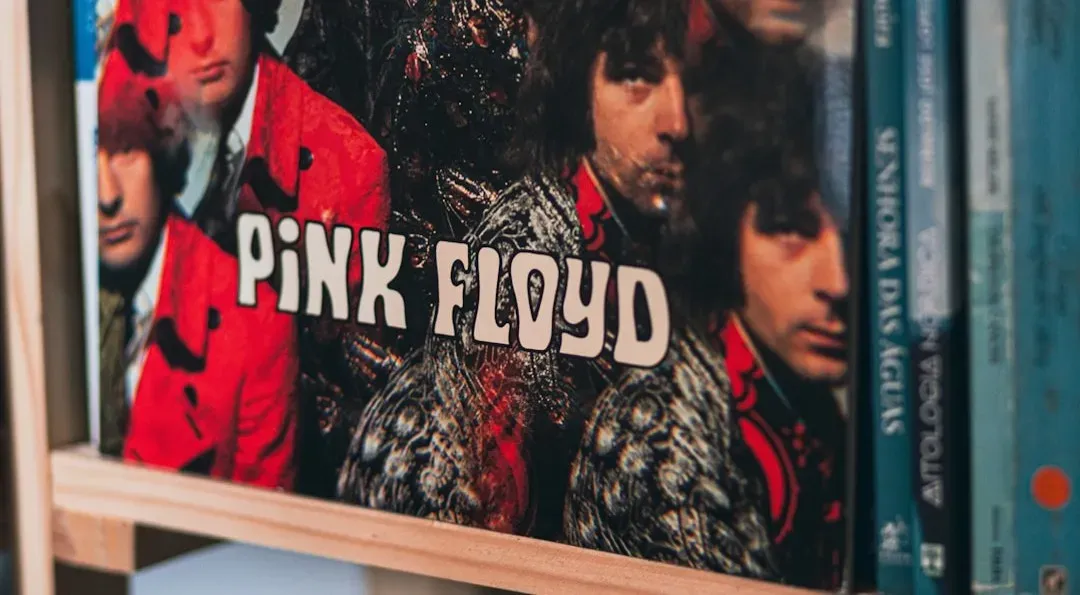
Few albums make the case for continuous listening as forcefully as this one. If ever an album was designed to be heard as one continuous musical whole, then Pink Floyd’s magnum opus The Dark Side of the Moon is surely it, with the concept deliberately constructed to flow through linking sound effects, disconnected voices and musical interludes. The band recorded it in sessions during 1972 and 1973, and it was conceived from the start as something unified rather than a collection of separate songs.
What makes the record hold together so well is the way it handles transitions. The first six songs flow into one another sonically, and so do the last four, which is quite a feat given the variety of tempos, keys, and emotional contents of the songs on the album. The first and last sounds heard on the album are a heartbeat, growing at the beginning and fading at the end, giving the record a life of its own and reinforcing Pink Floyd’s commitment to it being one cohesive piece of music. Pull “Time” or “Money” out on its own and you still get a great song, but you lose the arc from birth to breakdown to acceptance that the sequencing builds.
2. Marvin Gaye, What’s Going On (1971)

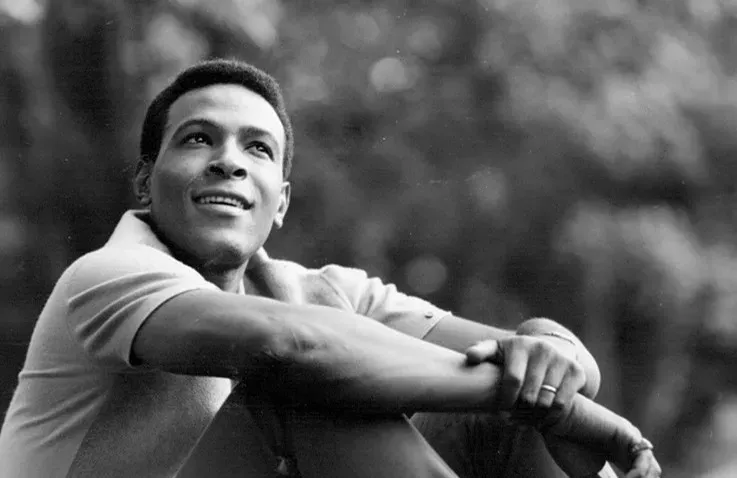
Motown was not exactly known for concept albums before this one landed in 1971. What’s Going On is a concept album with most of its songs segueing into the next and has been categorized as a song cycle. The narrative established by the songs is told from the point of view of a Vietnam veteran returning to his home country to witness hatred, suffering, and injustice. That framing gives the whole record a spine that individual tracks, however good, cannot replicate on their own.
The production choices reinforce the concept in a very literal way. The album’s uncommon production style removed standard breaks between each song, allowing them to flow uninterrupted from one to the next. It is a unified concept album consisting of nine songs, most of which lead into the next, and it has also been categorized as a song cycle, since the album ends on a reprise of the opening theme. Hearing “Mercy Mercy Me” without the tension that “What’s Going On” and “What’s Happening Brother” build beforehand changes how the ecological plea actually lands.
3. Fleetwood Mac, Rumours (1977)

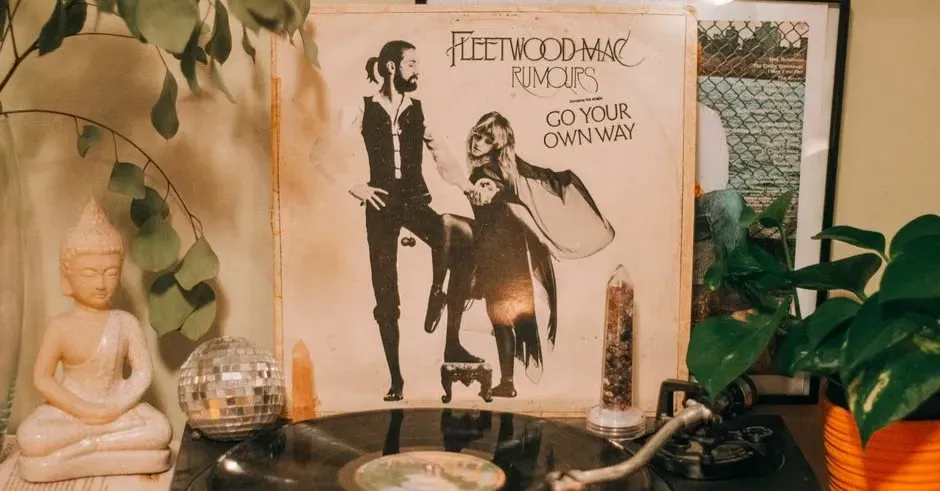
Rumours gets played constantly in isolated bursts on classic rock radio, which is a little ironic given how much of its power comes from context. The band recorded the album while three of its five members were going through breakups with each other, and that tangled emotional history bleeds across the tracklist in ways that reward front-to-back listening. Songs written as direct responses to one another, like Lindsey Buckingham’s sharper cuts answering Stevie Nicks’ softer ones, work as a kind of conversation when heard in sequence.
The album became one of the best selling records of its decade and has stayed in regular rotation for close to five decades now, but its reputation among musicians and critics rests heavily on how consistently strong it is from opener to closer. There is barely a weak transition or a filler track anywhere on it. Listened to as a whole, Rumours plays almost like a documentary of a band falling apart while somehow making some of the tightest pop rock of the era.
4. Radiohead, OK Computer (1997)

OK Computer arrived at a strange moment for Radiohead, right after the guitar driven success of The Bends, and the band used the album to build something closer to a mood piece than a hits collection. The record moves through anxiety about technology, alienation, and modern life in a way that depends on pacing. Tracks like “Airbag” and “Paranoid Android” work as standalone pieces, but the slow build through “Exit Music (For a Film)” into “Let Down” and then the disorienting “Karma Police” only makes full sense as a sequence.
Critics at the time and since have consistently pointed to the album’s sense of unity as one of its defining traits, distinguishing it from more scattered guitar rock records of the same period. The closing stretch, ending with “The Tourist,” was reportedly sequenced deliberately to slow the listener down after the tension of the earlier tracks. That kind of intentional pacing is exactly what gets lost when the album is broken into individual streams rather than heard as one sitting.
5. Kendrick Lamar, To Pimp a Butterfly (2015)

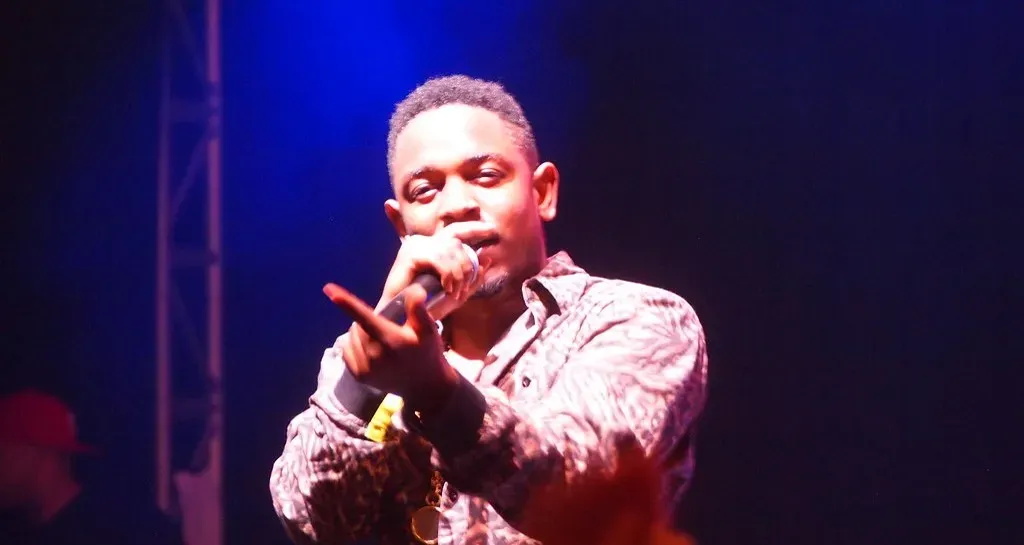
This is an album built around a recurring spoken word poem that threads through nearly every track, changing slightly each time it reappears. To Pimp a Butterfly is the most layered and complex creation in Kendrick’s catalog, an even more theatrical experience that shoots off into many different narratives and stories, all threaded together with a spoken word poem that prefaces or concludes almost every track, each time with an added stanza that relates to the song you are about to hear. Skipping around the tracklist means missing how that poem accumulates meaning.
Partner offer

The album closes with “Mortal Man,” a conversation Lamar constructs with the late Tupac Shakur using archival interview audio, and the album ends with this track, which in terms of narrative sets up the story and could come at either the beginning or the end. That kind of structural ambiguity only registers if a listener has gone through the whole record first. Interludes like “For Sale?” and “For Free?” carry more weight in sequence too, since there’s too much legitimate content in these interludes to dismiss them as skits, and either way, they land as serious highlights within the fuller listen.
6. Beyoncé, Lemonade (2016)

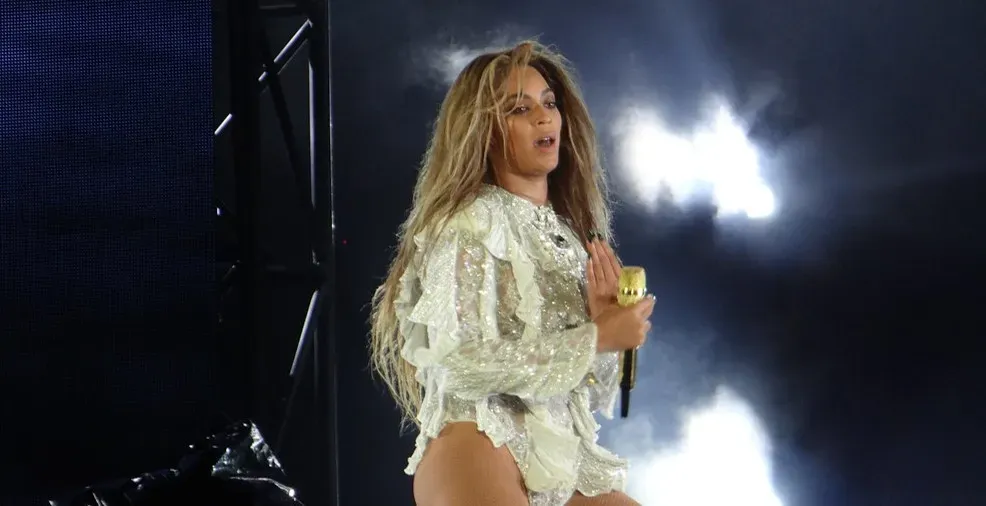
Lemonade was released as both a standard album and a visual film, and the two formats reinforce each other in ways that make the individual songs feel incomplete on their own. The film is divided into eleven chapters titled Intuition, Denial, Anger, Apathy, Emptiness, Accountability, Reformation, Forgiveness, Resurrection, Hope, and Redemption. That structure maps directly onto the emotional arc of the songs, moving a listener through suspicion, rage, grief, and eventually reconciliation.
Lemonade traces a story of infidelity and reconciliation, starting with Beyoncé questioning her relationship before the evidence of unfaithfulness becomes conclusive, followed first by protest and then anger. Hearing “Pray You Catch Me” open the record and “Formation” close it out, with the anger of “Don’t Hurt Yourself” and the tenderness of “Sandcastles” in between, only makes emotional sense as a progression. Cherry pick “Formation” for its cultural moment and you get a great single, but you miss the personal journey that gives the whole record its shape.
7. Kanye West, My Beautiful Dark Twisted Fantasy (2010)

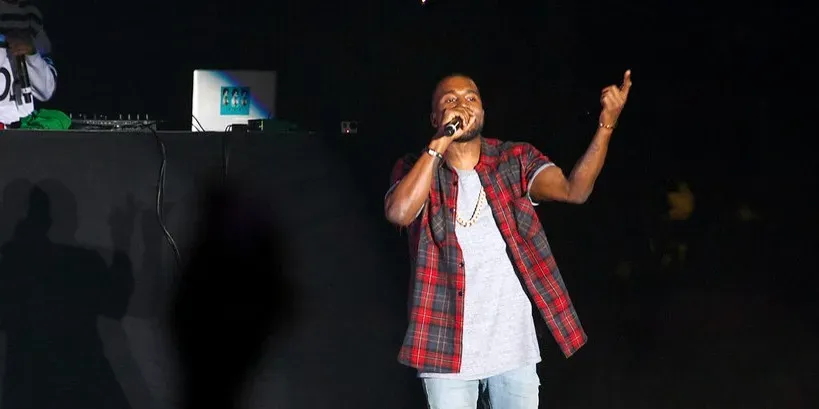
Kanye West built this album, released in 2010 following a rough public period for him, as a sprawling, maximalist statement rather than a tight pop record. Tracks stretch past six or seven minutes with multiple movements inside them, guest verses arrive and depart across the runtime, and the whole thing feels engineered as a single continuous experience rather than a set of discrete songs. “Runaway,” with its extended piano outro, only really works as a turning point when it lands after the manic energy of “All of the Lights” and before the comparatively stripped down closer “Who Will Survive in America.”
The album has held up as one of the most acclaimed hip hop records of its decade, and much of that reputation comes from how ambitious and unified the whole project feels rather than any single hit driving it. Nicki Minaj’s verse on “Monster” gets isolated constantly online, but the song itself sits inside a run of tracks building toward a very specific emotional peak. Take it out of that context and it is still a great verse, but it loses the buildup that the surrounding tracklist provides.
8. Frank Ocean, Blonde (2016)

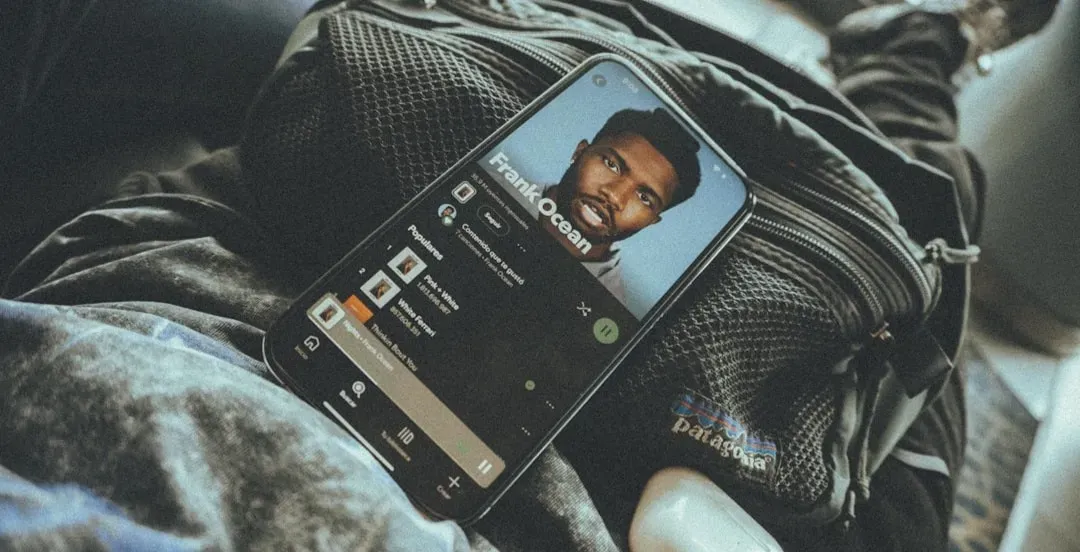
Blonde arrived as a quieter, more introspective follow up to Frank Ocean’s 2012 debut Channel Orange, trading big hooks for something closer to a mood diary. The production is often sparse, sometimes barely there, with pitched vocals and ambient interludes that would sound strange as standalone streams but make complete sense inside the flow of the record. Tracks like “Solo” and “Self Control” build a specific emotional register that carries through into songs like “Godspeed” near the album’s end. The record’s structure resists easy singles in a way that was unusual for a major label release at the time. There was no obvious radio hit pushed ahead of the album, and Ocean has largely let the record speak for itself rather than promoting individual cuts. Heard straight through, Blonde plays less like a collection of songs and more like a single extended meditation on memory, identity, and growing up, which is exactly why pulling individual tracks out tends to flatten what makes it distinctive. These eight records share a common thread: each one was built with intention around sequence, not just quality of individual songs. Streaming culture has made it easy to cherry pick a hit and move on, but albums like these were designed for a different kind of attention, the kind that rewards sitting with a full runtime and letting the transitions do their work.
Partner offer
Planning a trip to Vegas?
Compare hotel rates and show tickets on VEGAS.com.