Everyone loves to think they’re an Oscars expert, especially after a few decades of watching the ceremony unfold every spring. But Best Picture trivia has a funny way of humbling even devoted film fans, because the real stories behind these wins are often stranger, older, or more recent than most people remember. Below are ten questions that test genuine knowledge rather than surface-level guesses, along with the answers and the context that makes them interesting.
1. Which film became the first ever to win Best Picture?

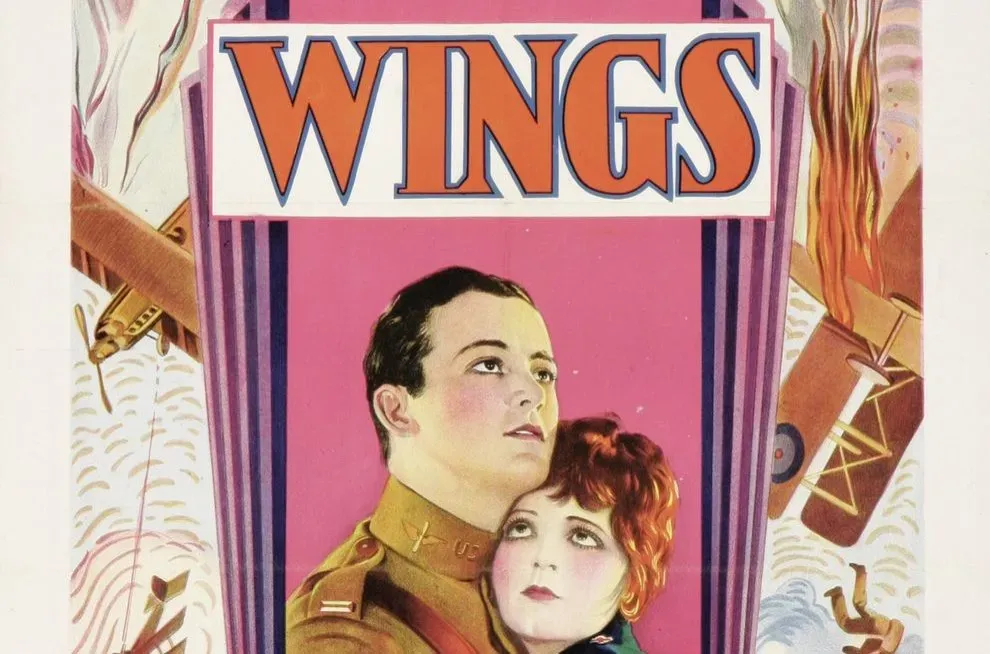
The very first Academy Awards ceremony took place in 1929, honoring films released during 1927 and 1928. The winner was Wings, a silent World War I aviation drama that remains the only fully silent film to ever take the top prize.
It’s a detail that surprises a lot of casual fans, since silent cinema feels like ancient history compared to the modern telecast. Wings set a precedent that took decades to repeat in any form, and its win is a reminder of just how different the earliest ceremonies looked compared to today’s glitzy affairs.
2. What was the most recent film to win Best Picture at the 98th Academy Awards?


Paul Thomas Anderson’s One Battle After Another, which was nominated in 13 categories, dominated the show, taking home six awards, including the coveted best picture. The film beat out stiff competition from Ryan Coogler’s Sinners, which had made history with sixteen nominations of its own.
Paul Thomas Anderson’s One Battle After Another won best picture at the 98th Academy Awards, capping a ceremony that also saw the film take home best adapted screenplay and best director. It capped what many critics called one of the tightest Best Picture races in recent memory.
3. Which film won Best Picture the year before that, at the 97th Academy Awards?


Anora won best picture at the 97th Academy Awards, closing out a fairy-tale night for Sean Baker’s raw and irreverent tale of a Brooklyn sex worker. The low-budget indie had a scrappy origin story that made its Oscar sweep feel especially unlikely.
Baker’s latest film cost just six million dollars to make, a statement-making moment for Neon. Sean Baker, who directed, edited, wrote and co-produced Anora, won four Oscars at that ceremony, an unusually broad sweep for one person on a single project.
4. Which director has won Best Director for a Best Picture winner while also writing and editing it?


Sean Baker’s 2025 win for Anora checked several boxes at once, since he directed, wrote, and edited the same film that took Best Picture. That kind of triple threat is rare in Oscar history, and it places him in a small club of filmmakers who controlled nearly every creative lever on a winning production.
Most Best Picture winners are the product of large creative teams with separate directors, writers, and editors working in tandem. Baker’s hands-on approach, built from years of making low-budget, character-driven films, made his sweep feel personal rather than industrial.
5. What is unusual about how many Best Picture winners have also won Best Director in the same year?

It might seem obvious that the top prize and the directing award would usually go together, but that’s not always the case. In the last ten years, only seven films have won both awards in the same year.
That means roughly a third of recent Best Picture winners saw their director lose or go unnominated in the directing category. It’s one of those quirks that keeps trivia nights lively, since fans often assume the two awards are practically inseparable when they aren’t.
6. Which 2026 Best Picture nominee made history with the number of nominations it received?


Ryan Coogler’s Sinners made Oscar history with sixteen nominations, following One Battle After Another with four awards. That nomination count placed Sinners among the most nominated films of any given year, an impressive feat for a genre film blending horror and musical drama.
Ryan Coogler’s period vampire thriller, which celebrated the origins of Blues music and southern Black culture, earned four awards, including a history-making win in the best cinematography category. Its cinematography win, for Autumn Durald Arkapaw’s work, was itself a notable moment for the category.
7. Which studio dominated the 98th Academy Awards in terms of total wins?

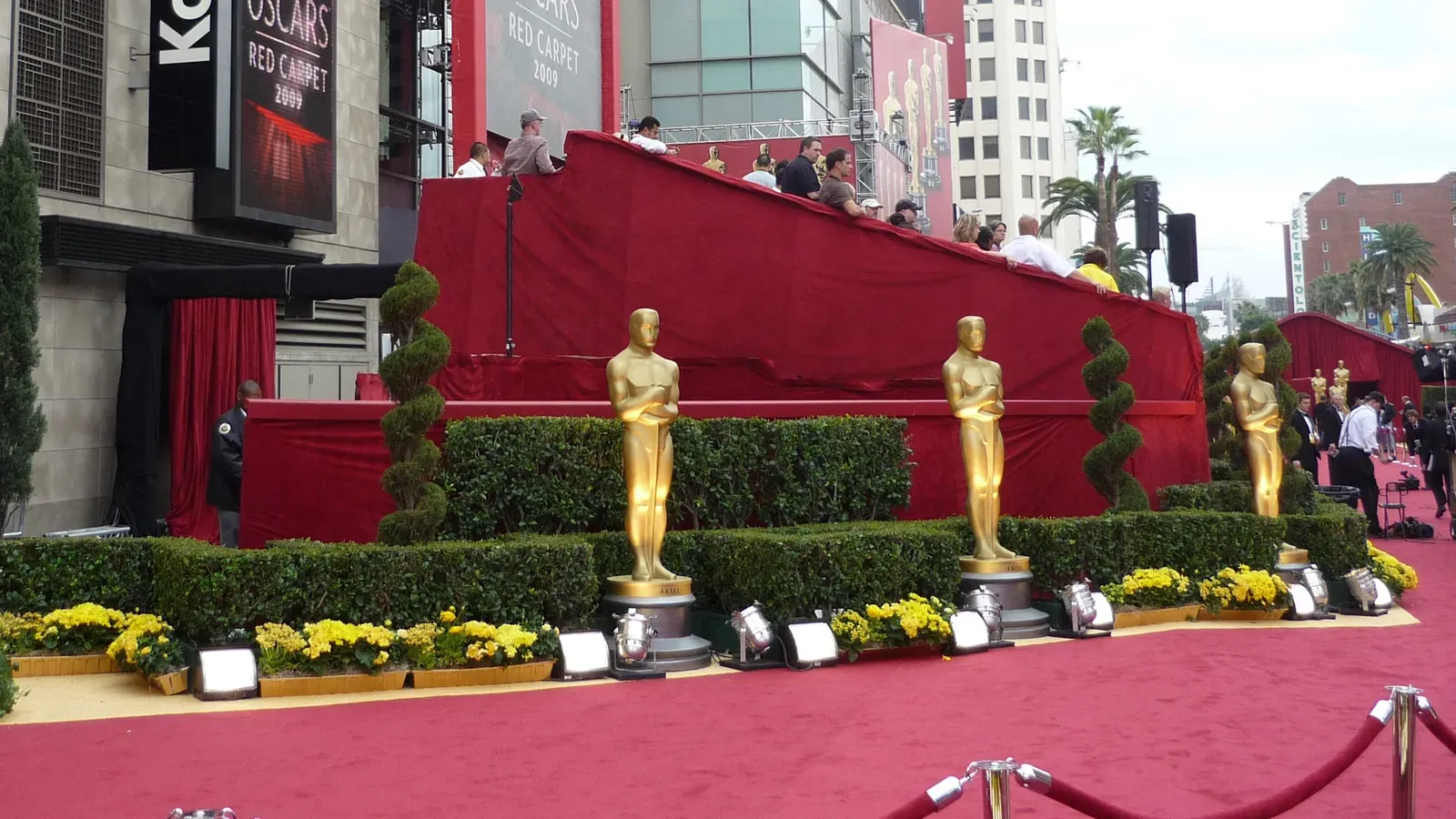
Warner Bros. won big at the ceremony, taking home eleven total Oscars, six for One Battle After Another, four for Sinners, and one for Weapons. That kind of studio dominance is relatively rare in an era when awards contenders are often scattered across a dozen different distributors.
Netflix followed with seven wins, including three for Frankenstein and two for KPop Demon Hunters. The split between a legacy studio and a streaming giant reflected how much the industry’s power balance has shifted over the past several years.
8. How many Best Picture nominees competed at the most recent ceremony, and which films made the cut?


The 98th Academy Awards featured a competitive slate that included Bugonia, F1, Frankenstein, Hamnet, Marty Supreme, One Battle After Another, The Secret Agent, Sentimental Value, Sinners, and Train Dreams. That’s ten films, matching the expanded field the Academy has used for well over a decade now.
The mix ranged from big studio blockbusters like F1 to smaller international entries like The Secret Agent and Sentimental Value. It’s a lineup that shows how wide the Academy’s tastes have become, spanning action spectacle, literary adaptation, and quiet international drama in the same year.
9. Which Best Picture winner in recent years had one of the smallest production budgets ever to take the top prize?


Anora’s six million dollar budget made it one of the leaner Best Picture winners of the modern era, especially when compared to the tens or hundreds of millions often poured into award contenders. Its win proved that Academy voters can still be swayed by scrappy, character-focused storytelling over scale and spectacle.
The film’s success also gave a boost to Neon, the distributor known for backing unconventional projects. It was a reminder that Best Picture wins don’t always follow the money, sometimes they follow the story.
10. What is a common misconception about how the Best Picture winner is chosen?


Many casual fans assume the film with the most nominations automatically wins, but Oscar history repeatedly disproves that idea. At the 98th ceremony, Sinners entered with sixteen nominations, more than any other film, yet it was One Battle After Another that ultimately claimed Best Picture.
The Academy’s preferential voting system for Best Picture, which asks voters to rank their choices rather than pick just one, often produces results that don’t match simple nomination counts. It’s a structural quirk that has surprised prediction markets and pundits more than once in recent years.
Final Thoughts