Hollywood casting decisions often look inevitable once a film becomes a hit. It’s hard to picture anyone but the actor who ended up on screen, delivering the lines that became part of pop culture. Yet behind almost every iconic performance sits a paper trail of contracts, screen tests, and scheduling conflicts that came dangerously close to putting someone else in the part entirely. Some of these near misses came down to a single injury on a movie set. Others hinged on an actor’s gut feeling about a script, or a network unwilling to loosen its grip on a contract. Looking back at these eight stories offers a reminder of just how much chance plays into the films we now consider classics.
1. Indiana Jones in Raiders of the Lost Ark
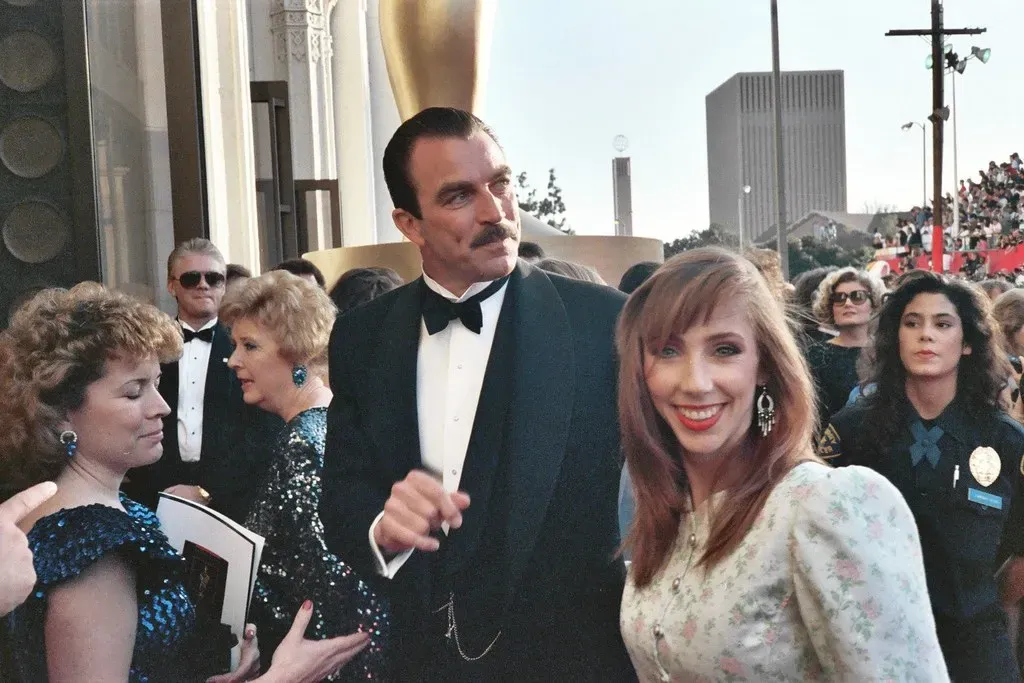
Long before Harrison Ford cracked his whip on screen, Tom Selleck was actually offered the role and wanted it. According to Selleck, he was offered the role and wanted it, but he had done a pilot of Magnum, and Steven Spielberg and George Lucas kept the offer out to him. The problem was CBS, which had already invested in Selleck as the lead of Magnum, P.I. and refused to let him juggle both projects.
Spielberg and Lucas held their offer out to Selleck for over a month while they waited for CBS’s decision, but the network decided to go forward with Magnum, its highest-tested pilot, and wouldn’t agree to delay it so Selleck could do Raiders first. Harrison Ford has since confirmed the story himself, noting that Selleck was unable to get out of that contract, adding that he became the second choice and was very grateful for Tom. Selleck went on to headline Magnum, P.I. for eight seasons and won an Emmy for the role, so the trade off wasn’t exactly a loss.
2. Forrest Gump

The story of John Travolta and Forrest Gump has floated around for years, though it’s worth noting the details are murkier than the popular version suggests. Travolta has repeatedly discussed roles he passed on that went to Tom Hanks and Richard Gere, and multiple outlets have long reported that he turned down the Forrest Gump offer to star in Quentin Tarantino’s Pulp Fiction instead. Travolta chose Vincent Vega, a decision that revived his career after a rough stretch in the 1980s.
That said, the film’s own producer has pushed back on the narrative. Producer Wendy Finerman addressed the rumor directly, and the claim has been described as one persistent Internet rumor, reported by the BBC, with Finerman saying she doesn’t recall it happening that way. Whichever version is closer to the truth, Hanks ended up winning an Oscar for the role, and Travolta has said he has no regrets about the path his career took instead.
3. Wolverine in X-Men
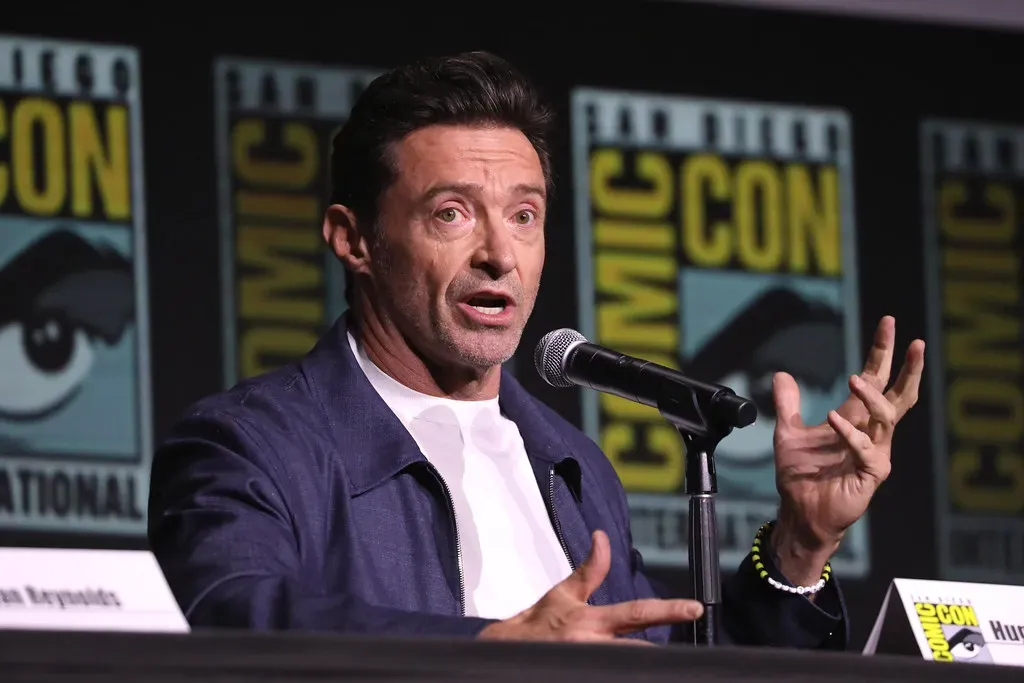
Before Hugh Jackman ever put on the claws, the role belonged to Scottish actor Dougray Scott. Twenty five years ago, Jackman was cast in a role that changed the arc of his career, becoming Wolverine in the 2000 movie X-Men, but he wasn’t the first actor chosen for the part, which originally went to Dougray Scott of Ever After fame. Scott had to withdraw because of a scheduling clash on another blockbuster entirely.
That other film was Mission: Impossible II, and Scott has said the decision wasn’t really his to make. He recalled that Tom Cruise didn’t let him do it, explaining that while filming the sequel, Cruise told him he had to stay and finish the film, even after Scott offered to do both. Jackman stepped in only weeks before filming began and went on to play the character in nine films, a run that reshaped his entire career.
4. Neo in The Matrix
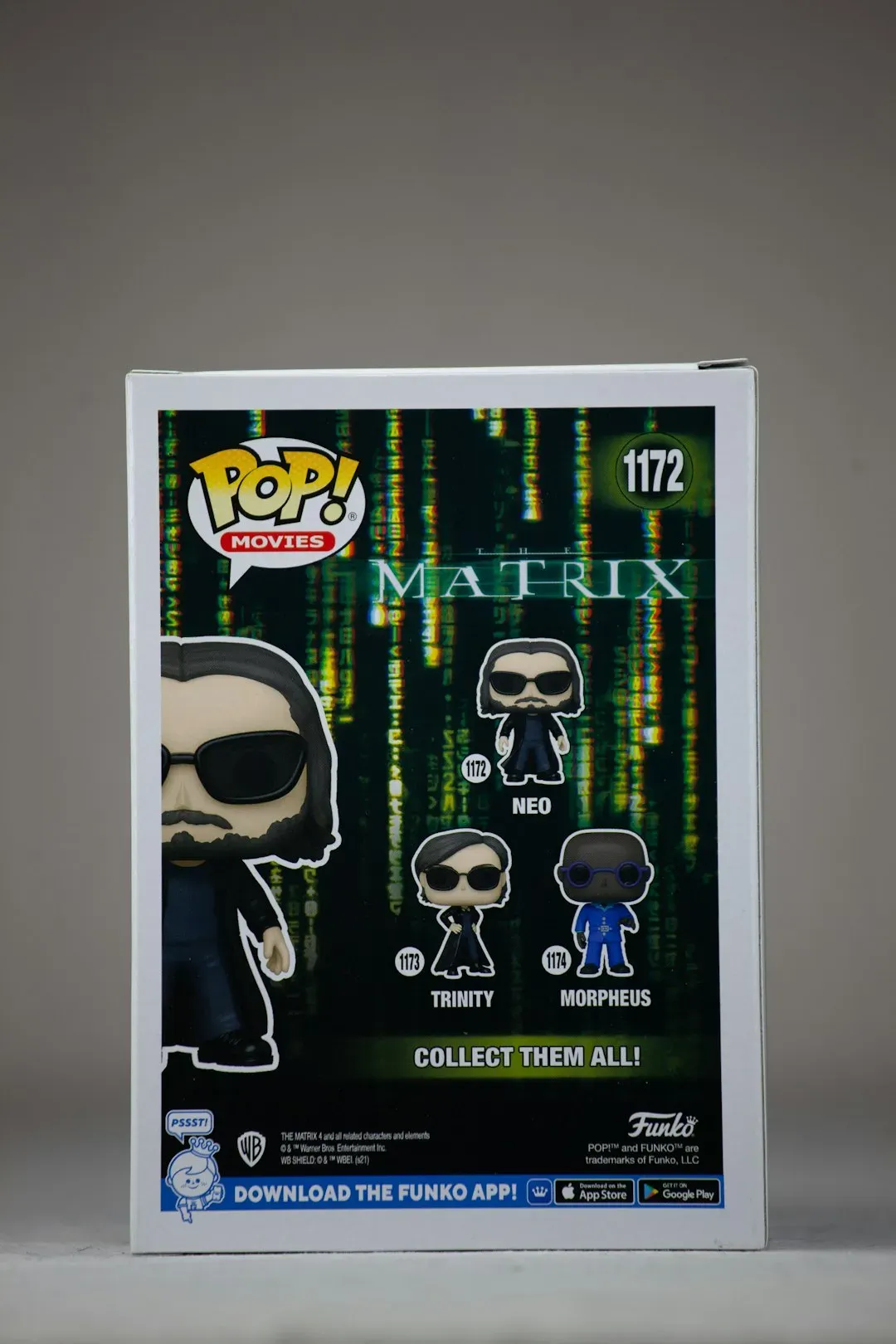
The Wachowskis originally pitched their groundbreaking sci-fi script to Will Smith, not Keanu Reeves. Smith has openly discussed turning it down, later explaining in a podcast interview that so yeah, I had Neo, so it was going to be me, and Val Kilmer was Morpheus. He chose the Western comedy Wild Wild West instead, a decision that didn’t pan out nearly as well critically.
Smith has been remarkably candid about why the switch worked out for the better. He’s said he wouldn’t have been right for the role, admitting that Keanu was absolutely a perfect Neo. Reeves has publicly thanked Smith for the decision, calling the role life changing both personally and creatively.
5. Jack Dawson in Titanic
Matthew McConaughey came remarkably close to playing Jack Dawson opposite Kate Winslet, to the point where he actually screen tested with her. Winslet later revealed the audition herself, saying she auditioned with Matthew, calling it weird since she’d never said that in public before, adding it was completely fantastic. McConaughey was the studio’s top pick at the time, though director James Cameron had also been eyeing other actors like Billy Crudup.
According to a memoir from the film’s late producer Jon Landau, the audition hit a snag over McConaughey’s accent. Landau wrote that after McConaughey performed the scene in his natural drawl, Cameron asked him to try it a different way, and McConaughey allegedly responded that no, that was pretty good, thanks. McConaughey has since called it a near miss he genuinely thought was going to happen, though his own career turned out just fine, Oscar included.
6. Tony Stark in Iron Man
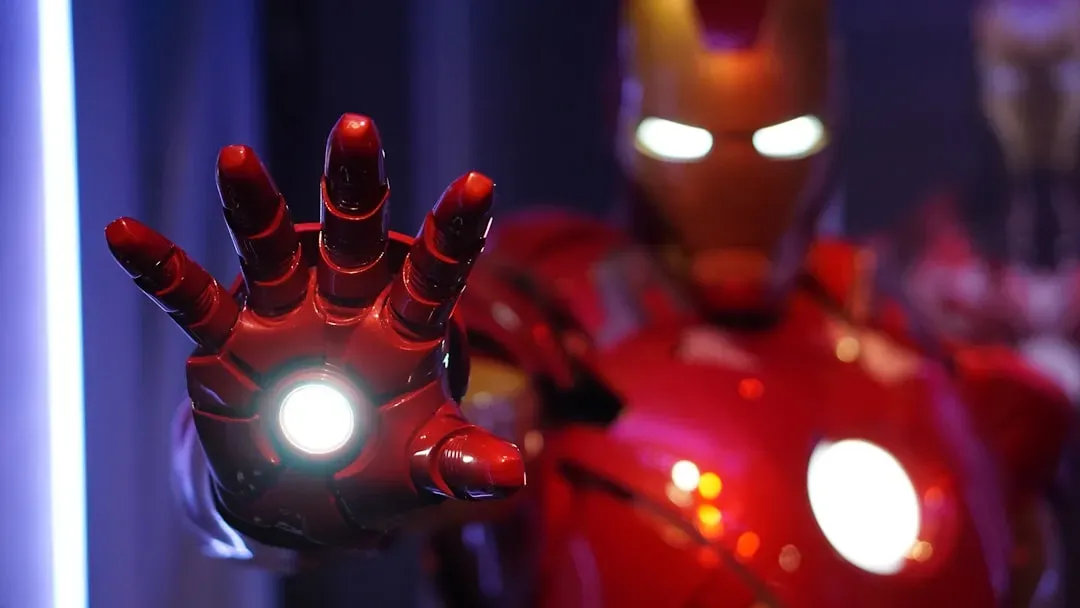
When Marvel Studios began developing Iron Man as its first in house production, executives leaned toward a more established box office name rather than the actor who eventually defined the role. Tom Cruise’s name circulated during early development discussions, reflecting the studio’s instinct to play it safe with an untested franchise built around a lesser known comic book character. Director Jon Favreau, however, pushed hard for Robert Downey Jr., convinced that the actor’s off screen unpredictability actually matched Tony Stark’s personality on the page.
Studio backing for Downey Jr. wasn’t immediate, partly because of his well publicized struggles years earlier, which made some executives nervous about insuring the production around him. Favreau’s persistence eventually won out, and the gamble paid off in a way few could have predicted. Iron Man launched what became the Marvel Cinematic Universe, and Downey Jr.’s take on Stark is now almost impossible to separate from the character himself.
7. Han Solo in Star Wars
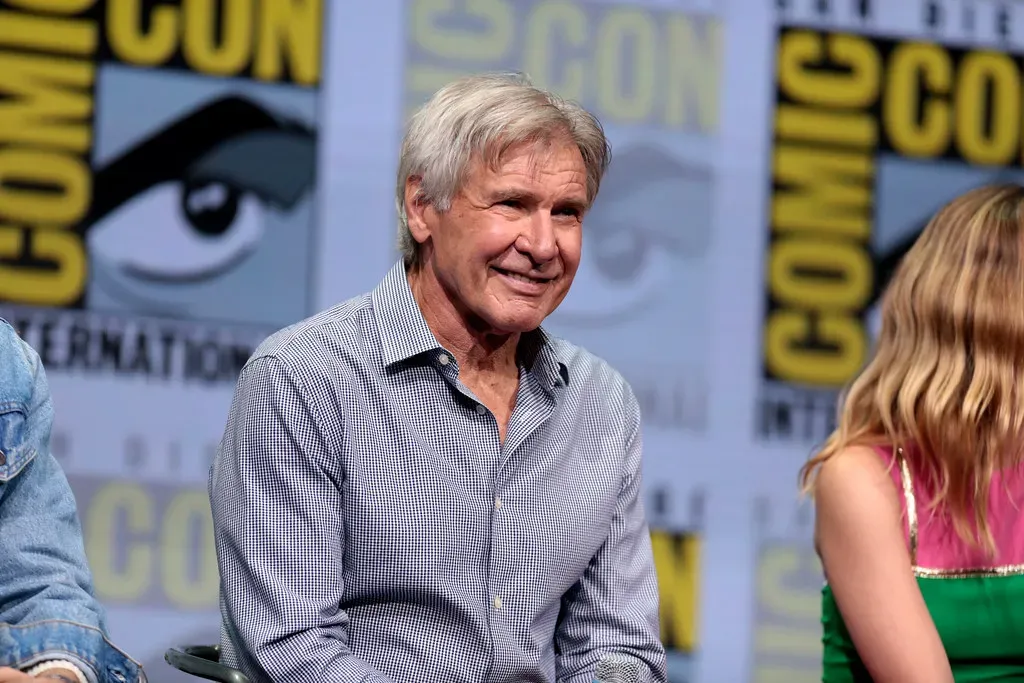
George Lucas auditioned a long list of actors before settling on Harrison Ford for the roguish smuggler who would become one of cinema’s most quoted characters. Al Pacino was among those considered for the part, reportedly passing on it during the casting process for the original Star Wars. Kurt Russell also read for the role early on, back when he was still primarily known for Disney family films rather than leading man parts.
Ford, notably, was already helping other actors read for the role behind the camera as a favor to Lucas, since the two had worked together on American Graffiti. It was during those reading sessions that Lucas reportedly saw something in Ford’s own delivery that convinced him he’d found his Solo without needing to look further. The rest, as often happens in these stories, became film history almost by accident.
8. Rocky Balboa in Rocky
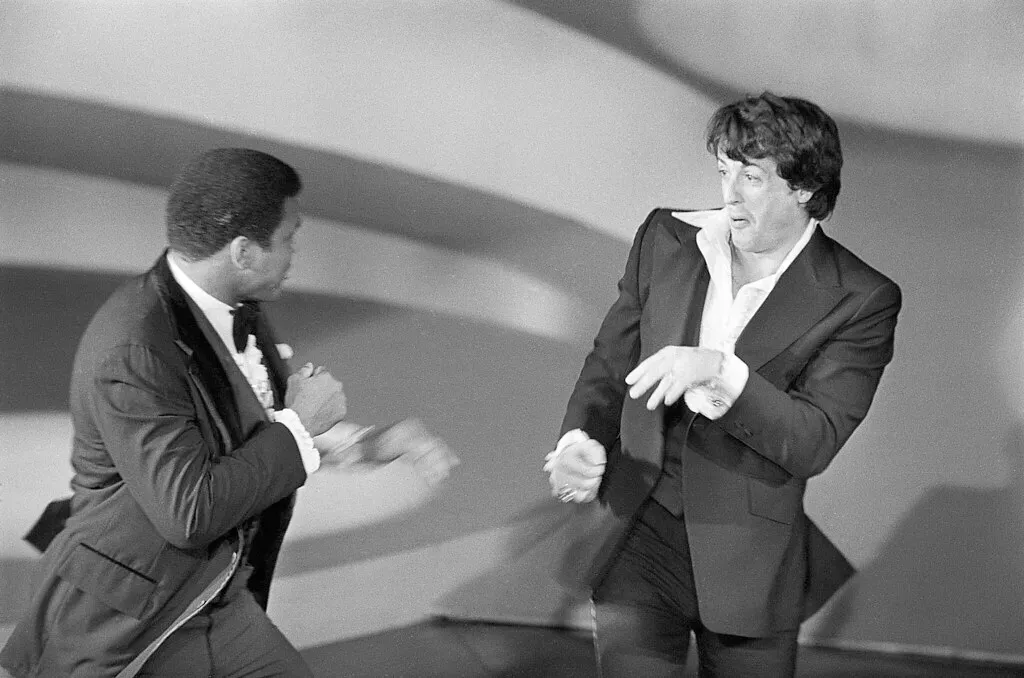
Sylvester Stallone wrote the original Rocky screenplay specifically to star in it himself, viewing the project as his one shot at breaking through as a leading man rather than a jobbing character actor. United Artists, however, wanted a recognizable box office draw for the lead and reportedly pushed for stars like Burt Reynolds or Ryan O’Neal to headline instead. Stallone refused to sell the script unless he was guaranteed the starring role, a bold stance for a relatively unknown actor at the time.
The studio eventually relented, agreeing to a modest budget in exchange for letting Stallone star in his own creation. Rocky went on to win Best Picture and turned Stallone into a genuine movie star practically overnight. It remains one of the clearest examples in Hollywood history of an actor betting on himself and winning.
Looking at these stories together, a pattern starts to emerge. Studios often gravitate toward the safer, more bankable name, while the roles that end up defining careers frequently go to actors who weren’t anyone’s first choice on paper. Scheduling conflicts, injuries, and a director’s stubborn instinct have shaped film history just as much as any casting director’s shortlist ever could.