A famous name on a cover is a powerful thing. It can also be a burden, especially when a writer wants to try a new genre or test whether readers will accept the work without the reputation attached.
Some of the biggest names in publishing have kept a second identity in reserve. The reasons range from strategy to curiosity, and a few of these disguises lasted for years before anyone noticed.
Stephen King as Richard Bachman
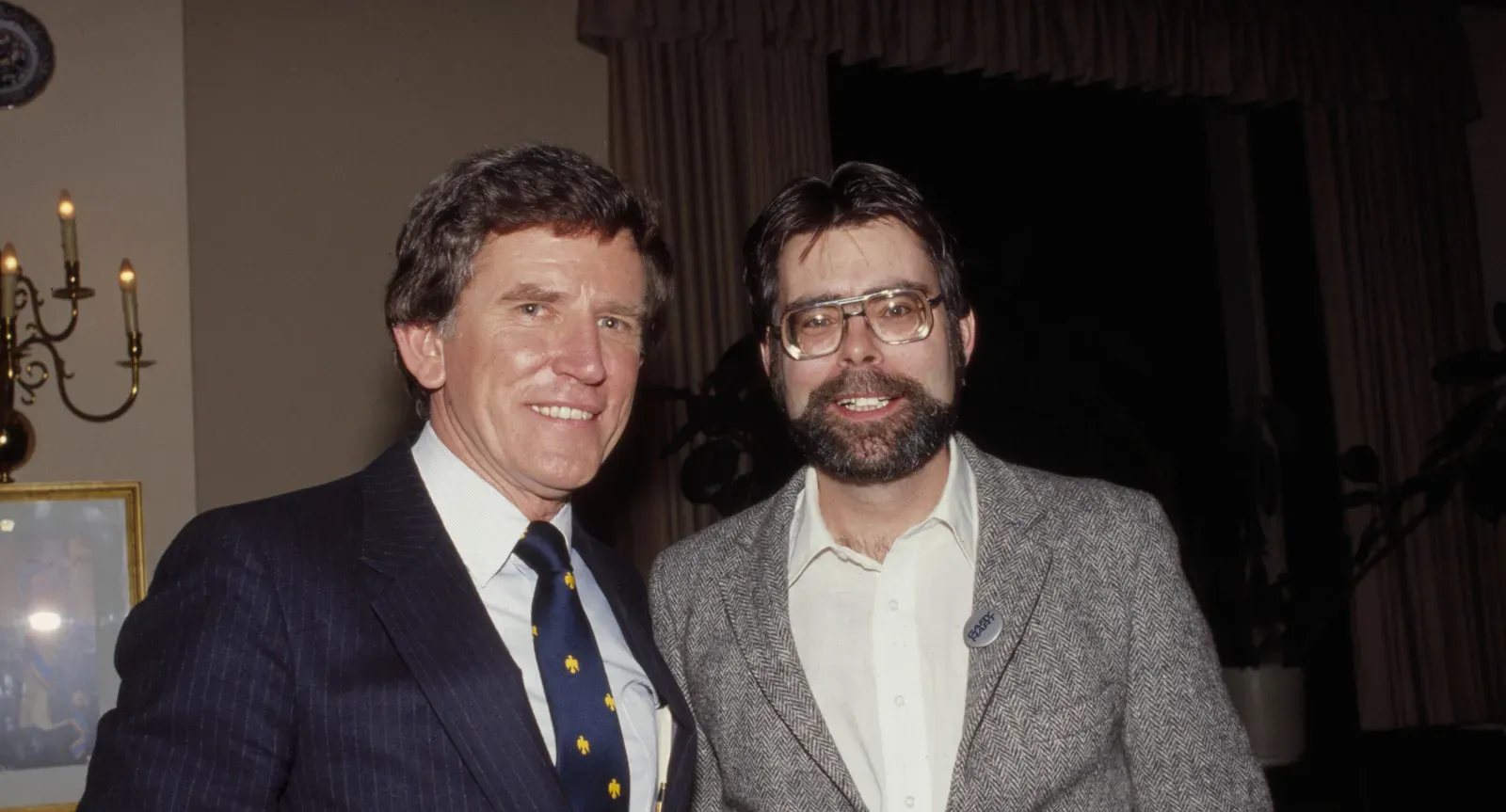
King started publishing as Richard Bachman in the late 1970s. The reason was practical: his publisher worried that readers wouldn’t buy more than one King book a year. Early Bachman titles included Rage, The Long Walk, Roadwork, and The Running Man.
The secret ended in 1985, when a bookstore clerk named Steve Brown spotted clues in the writing and checked copyright records at the Library of Congress. King’s name turned up there. The early Bachman novels were collected as The Bachman Books, and King later used the alter ego as a plot device in The Dark Half.
J.K. Rowling as Robert Galbraith
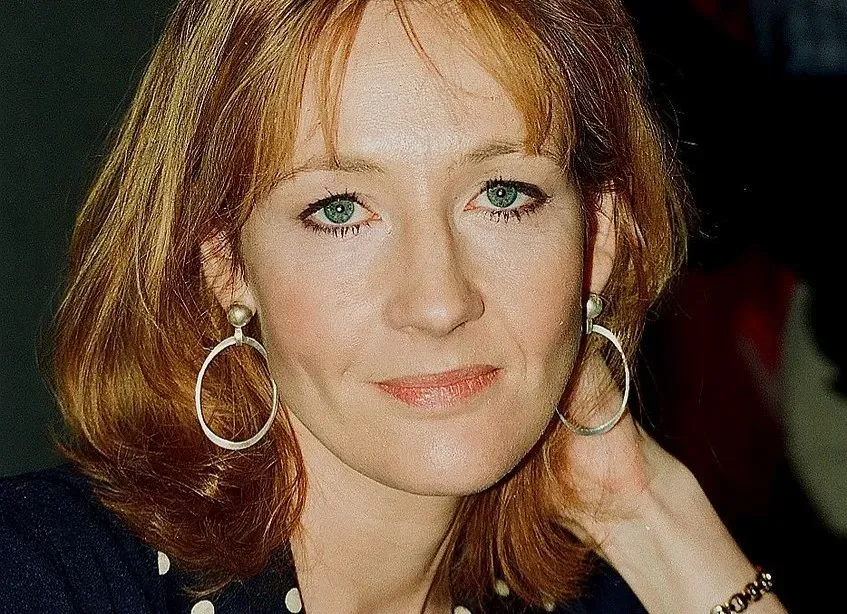
After Harry Potter, Rowling wrote a crime novel under the name Robert Galbraith. The Cuckoo’s Calling came out in 2013, and she has said she wanted to work without the weight of expectation. It sold modestly at first and received solid reviews.
That July, The Sunday Times reported that Galbraith was Rowling, and sales climbed sharply. The Cormoran Strike series has since continued, with the seventh novel, The Hallmarked Man, published in 2025. The books were also adapted into the BBC series Strike.
Nora Roberts as J.D. Robb
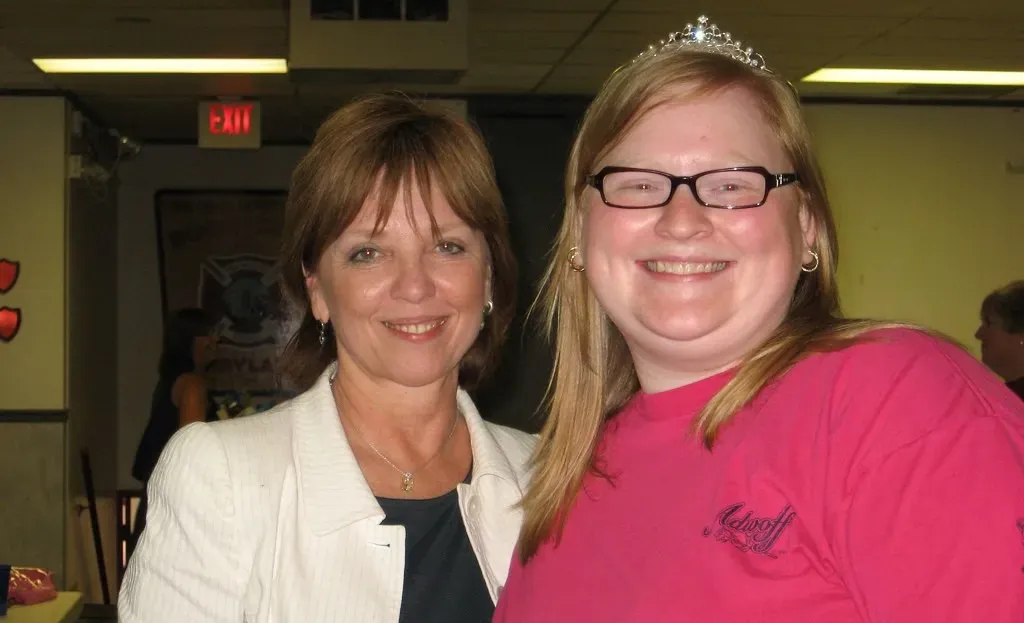
Nora Roberts was already one of the best known romance writers in the world when she launched J.D. Robb. The first book, Naked in Death, appeared in 1995 and set a murder mystery in a near future New York. Its heroine is Lieutenant Eve Dallas.
Roberts openly acknowledged the connection after a few years, and the In Death series now runs to more than fifty novels. It’s a rare case where the pseudonym built an enormous readership of its own. Many fans know the Robb books as a separate franchise from her romance titles.
Agatha Christie as Mary Westmacott
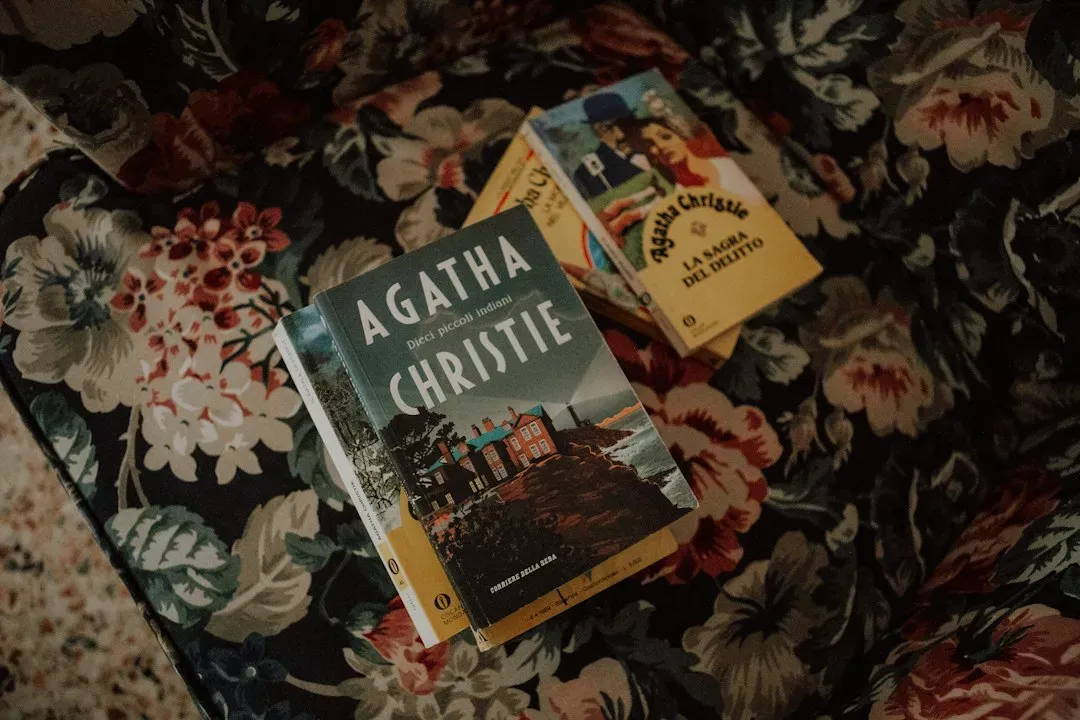
Christie is remembered for Poirot and Miss Marple, yet she also wrote six novels as Mary Westmacott. The first was Giant’s Bread in 1930. These books are emotional dramas about relationships, not puzzle mysteries.
She kept the name private for years, and the link became public in 1949. Christie later described the Westmacott books as among her most personal work. They remain an interesting counterweight to the crime fiction that made her famous.
Anne Rice as Anne Rampling and A.N. Roquelaire
Rice, famous for Interview with the Vampire, used two separate pseudonyms for very different projects. As Anne Rampling she published the novels Exit to Eden and Belinda, both erotic fiction. Exit to Eden was later adapted into a 1994 film.
As A.N. Roquelaire she wrote the Sleeping Beauty trilogy, an erotic retelling of the fairy tale. Rice kept these identities apart from her gothic fiction, and they were later publicly connected to her. The split shows how one author can run several distinct brands at once.
John Banville as Benjamin Black

Banville is a literary novelist who won the Booker Prize in 2005 for The Sea. In 2006 he began publishing crime fiction as Benjamin Black, starting with Christine Falls. The novels follow Quirke, a pathologist in 1950s Dublin.
The pen name let him separate his slower, more ornate literary work from faster, plot driven books. His identity was never a deep secret, since publicity openly linked the two names. The Black novels have since been adapted for television as Quirke.
Ruth Rendell as Barbara Vine
Rendell was already established as a crime writer, known for the Inspector Wexford series, when she created Barbara Vine. The first Vine novel appeared in 1986. These books lean toward psychological suspense and family secrets, with less emphasis on police procedure.
Rendell said the alter ego gave her room for a different tone, and Vine novels won major crime fiction awards. Her connection to the name was publicly known from early on. She continued writing under both names until her death in 2015.
Dean Koontz and His Many Pseudonyms

Koontz wrote a remarkable number of early books under other names, including Leigh Nichols, Brian Coffey, David Axton, and Owen West. In the 1970s and 1980s he was a prolific writer, and the extra names helped him place several books a year. Leigh Nichols was used for novels such as The Key to Midnight and The House of Thunder.
Once his own name became a major draw, many of these titles were reissued under the Koontz byline, sometimes with revisions. That makes his back catalogue unusual, because some of his old pseudonymous books now sit beside his best known work on the shelf. For readers curious about his early career, the pseudonyms are a good place to start.