A book deal feels like the finish line from the outside. For many writers, it has been more like a starting gun, with the rent, the commute, and the staff meetings carrying on as before.
The authors below all went on to sell widely. Each one kept working a regular job for some time after a first book reached readers, and their reasons ranged from caution to plain necessity. The details come from well documented author biographies.
Stephen King

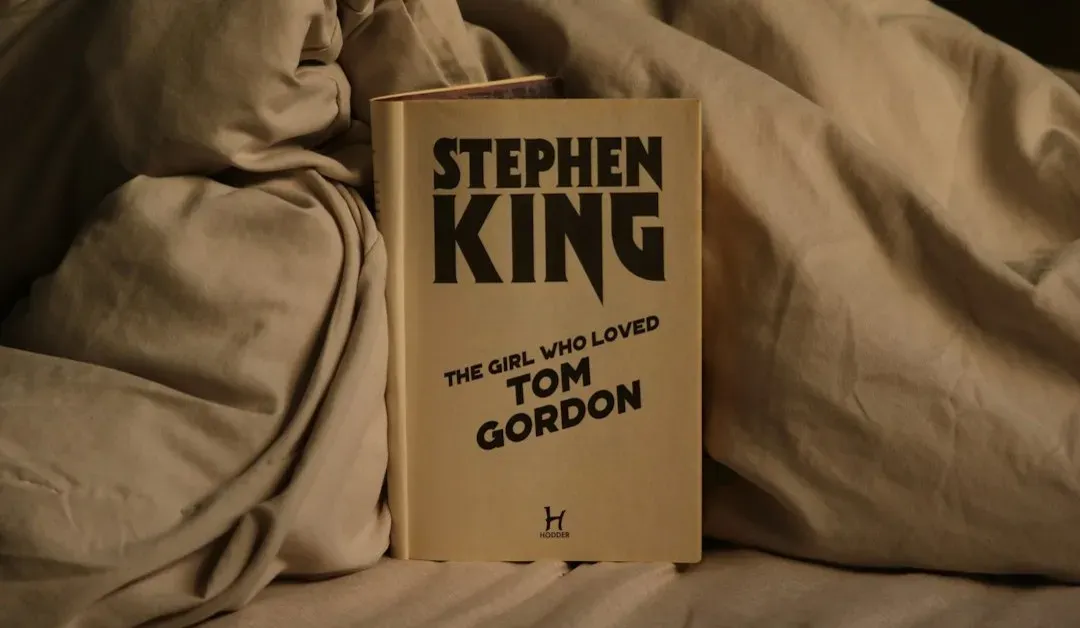
King sold Carrie in the early 1970s while he was teaching English at Hampden Academy in Maine. The hardcover advance was modest, so he kept going to class and grading papers. Money was tight, and he and his wife Tabitha were raising young children.
Things changed when the paperback rights sold for a much larger sum, and he left teaching to write full time. By his own account in his memoir On Writing, the day job didn’t disappear the moment a publisher said yes. It disappeared when the numbers finally made sense.
Toni Morrison


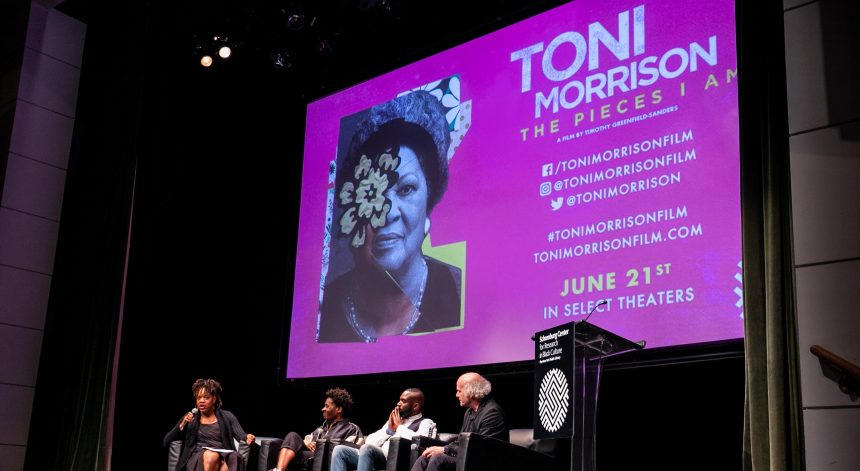
Morrison published The Bluest Eye in 1970 while working as an editor at Random House. She had been writing in the margins of her life, early in the morning, before her two sons woke up. The book earned modest sales at first, and she didn’t treat it as a ticket out of her job.
She stayed at Random House into the early 1980s, helping publish other writers while building her own career. Her later novels, including Song of Solomon and Beloved, came out while she balanced editing, teaching, and writing. She went on to win the Nobel Prize in Literature in 1993.
John Grisham

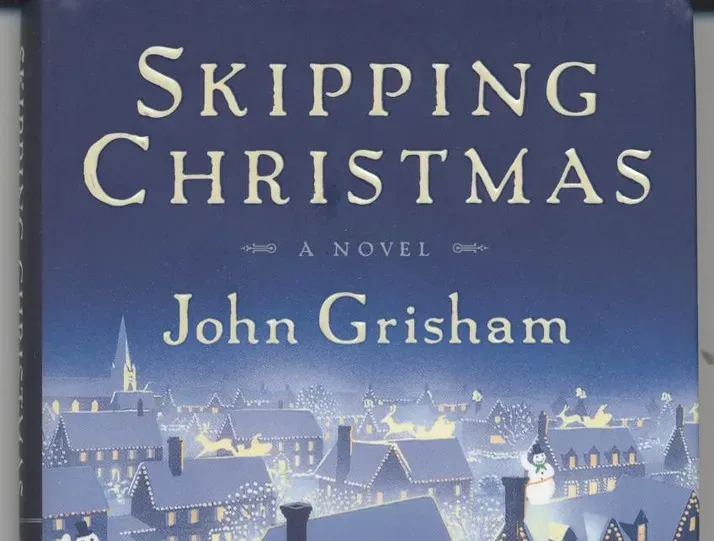
Grisham was a practicing lawyer in Mississippi and a state legislator when A Time to Kill appeared in 1989. The first printing was small, and the book didn’t make him rich. He kept going to court and kept writing in the early morning hours before work.
His next novel, The Firm, became a major bestseller in 1991, and that was the turning point. He stepped away from his legal practice and from politics to write full time. Since then he has sold hundreds of millions of books worldwide.
Scott Turow

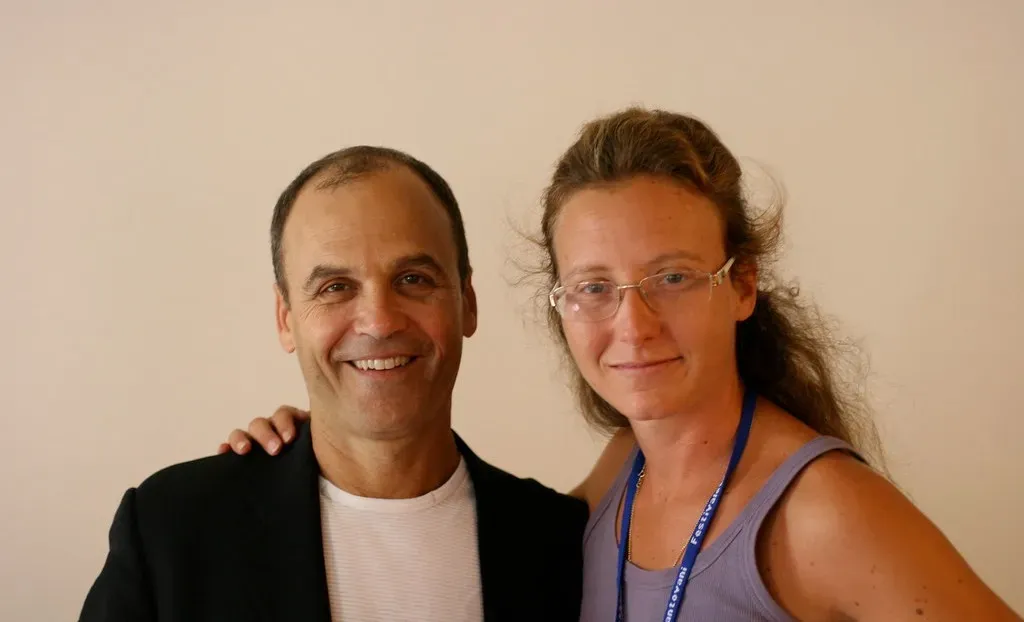
Turow is a lawyer who wrote on the side, and he has never fully put the law down. He drafted Presumed Innocent in snatched moments, including during his commute, while working as a federal prosecutor in Chicago. The novel came out in 1987 and became a huge hit.
Partner offer

Even after that success, he continued working as a practicing attorney and later became a partner at a major law firm. He has also served as president of the Authors Guild. For him, the day job wasn’t a stepping stone but a lasting second career.
Haruki Murakami


Before he was a global literary name, Murakami ran a small jazz bar in Tokyo. He wrote his debut novel, Hear the Wind Sing, after an idea struck him at a baseball game, and it won a new writer prize in 1979. The book was published, but he kept pouring drinks and managing the club.
He kept the bar going for a couple more years while writing his next novels. Eventually he sold it and committed to writing, and he later built the disciplined daily routine he’s known for, including long distance running. The bar years are often described as the quiet foundation of his career.
Richard Adams


Adams was a British civil servant when Watership Down was published in 1972. The story began as tales he told his daughters on a car trip, and publishers rejected it many times before it found a home. Once it appeared, it quickly became a bestseller and won major children’s literature awards.
Even so, he kept working in his government department for a couple of years. He retired from the civil service in 1974 to write full time. His story is a reminder that overnight success can still come at a desk job.
Anthony Trollope

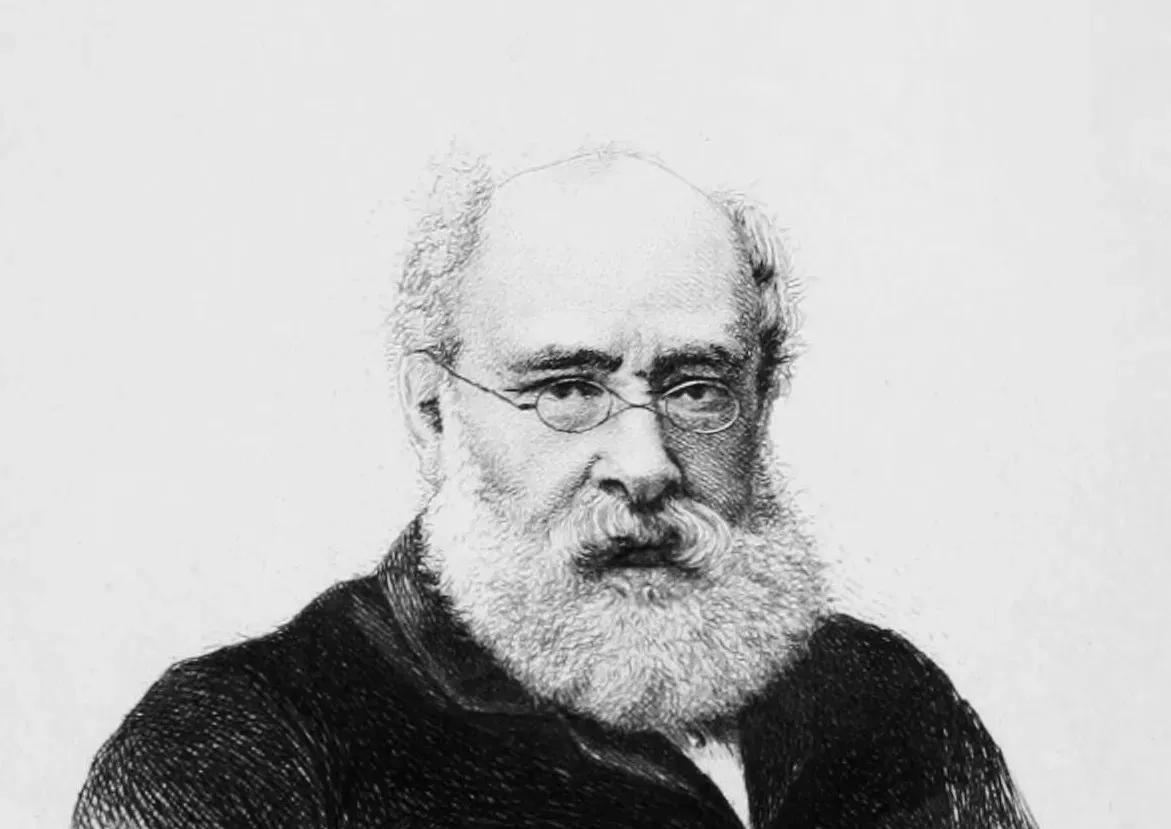
Trollope is perhaps the most famous example of a writer who never really quit his day job until late in life. He worked for the British Post Office for around three decades and published his first novel in 1847. He wrote early in the morning, setting himself a strict quota of words before heading to work.
His career at the Post Office was far from ceremonial. He traveled widely for it and is often credited with helping introduce the pillar box in Britain. He resigned in 1867 after producing a long list of novels, including the Barsetshire series.
Khaled Hosseini

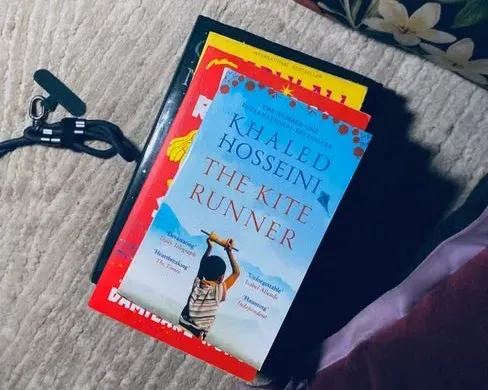
Hosseini was a practicing physician in California when The Kite Runner was published in 2003. He had written much of it before and after hospital shifts. The book started slowly, then spread largely through word of mouth and became an international bestseller.
He continued to practice medicine for a period after publication, balancing patients with book tours and a growing readership. Eventually the demands of writing and his humanitarian work took over. His follow up, A Thousand Splendid Suns, also sold in huge numbers.
Partner offer
Planning a trip to Vegas?
Compare hotel rates and show tickets on VEGAS.com.