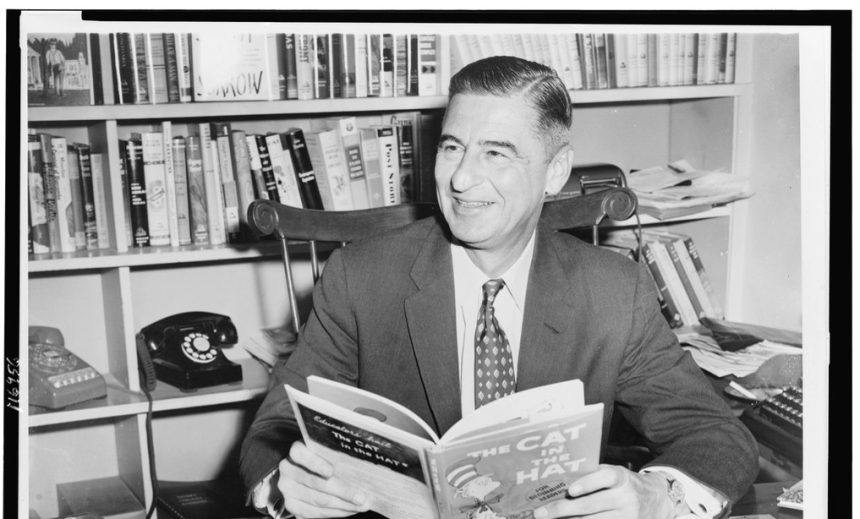
Pen names are older than the novel itself, and they’re still everywhere. Some writers wanted privacy, others wanted to dodge the prejudices of their era, and a few simply wanted a fresh start.
The seven authors below used false names for very different reasons. Their choices say a lot about publishing, gender, and reputation, and the history here is well documented.
Mary Ann Evans, Who Became George Eliot

Mary Ann Evans published her novels as George Eliot, starting with fiction in the late 1850s. She was already a respected editor and translator, so she knew how the literary world judged women writers.
A male name helped her work be taken seriously rather than lumped in with lighter romances then associated with women. Privacy mattered too, since her personal life was unconventional by Victorian standards and she wanted her books judged separately from it.
Samuel Clemens, Who Became Mark Twain

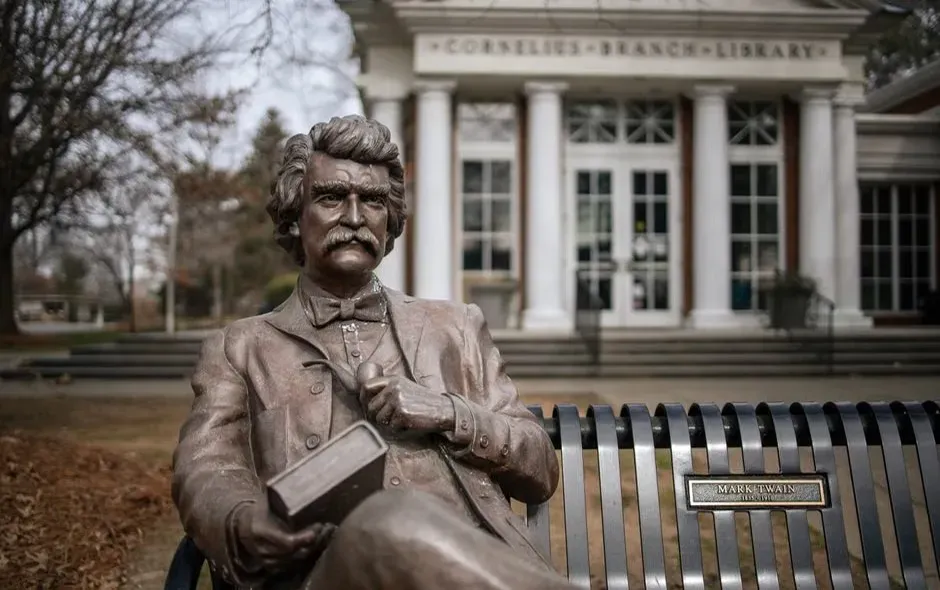
Samuel Clemens adopted Mark Twain in the early 1860s while working as a journalist in Nevada. The name comes from a riverboat term for a water depth of two fathoms, a nod to his years as a Mississippi steamboat pilot.
It gave him a distinct comic persona separate from the man himself. That persona became so successful that the pen name eventually eclipsed his birth name in public life.
Charlotte Brontë, Who Became Currer Bell

Charlotte Brontë and her sisters Emily and Anne published under the names Currer, Ellis, and Acton Bell. Their initials matched their real ones, which kept the disguise close to home.
Charlotte later explained that they avoided female names because they suspected women authors would be treated with prejudice by critics. Jane Eyre appeared in 1847 under Currer Bell, and it was a huge success before her identity became known.
Partner offer

Eric Blair, Who Became George Orwell

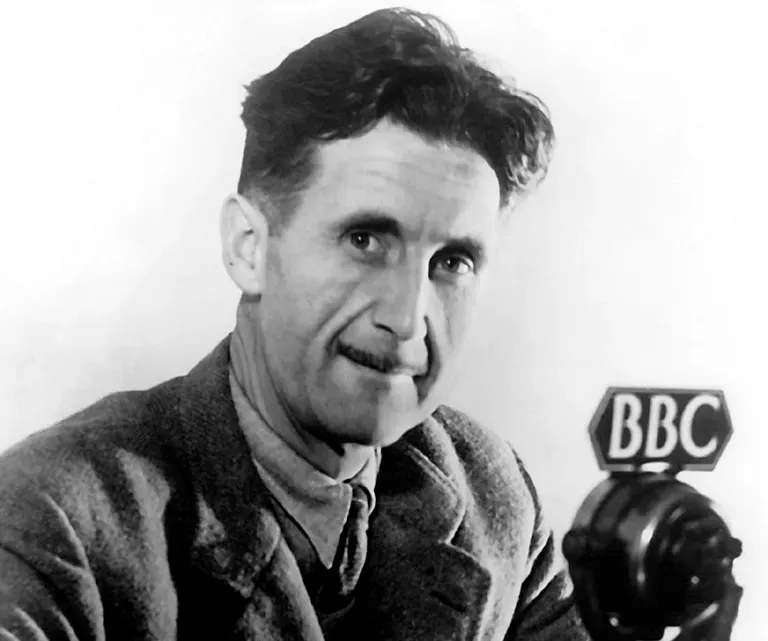
Eric Arthur Blair published his first book, Down and Out in Paris and London, in 1933 under the name George Orwell. He reportedly worried the book would embarrass his family, given its account of poverty and life on society’s margins.
He chose Orwell, after a river in England, and kept the name for the rest of his career. Animal Farm and Nineteen Eighty-Four later made it one of the most recognized pseudonyms in literature.
Theodor Geisel, Who Became Dr. Seuss

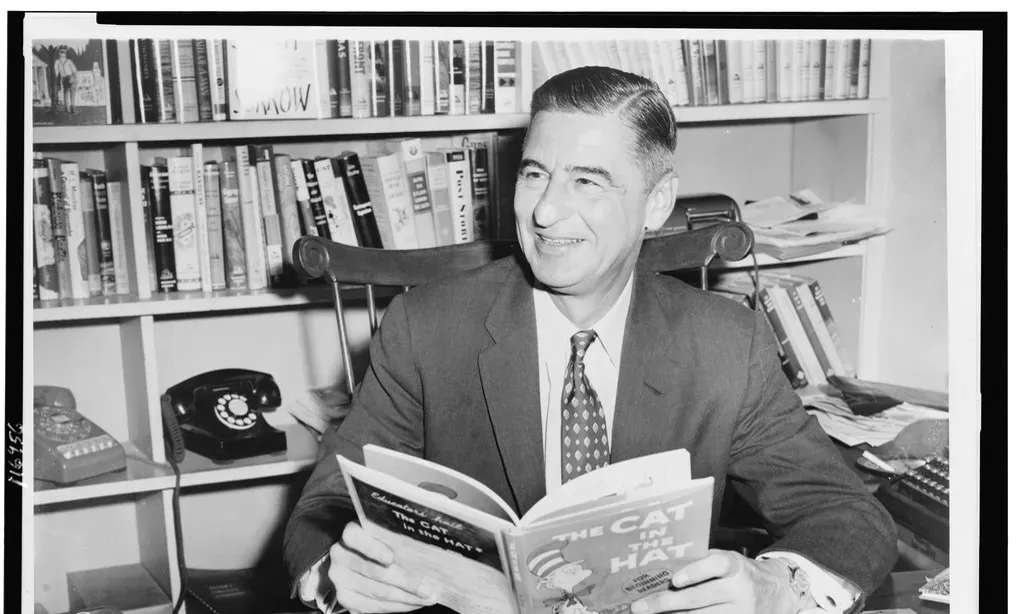
Theodor Seuss Geisel began using Seuss while at Dartmouth, after he was punished for breaking campus rules and barred from writing for the humor magazine. He kept contributing under a pseudonym to get around the ban.
He later added the Dr. title, reportedly as a joke related to his father’s hopes that he’d become a doctor. The name stuck for his famous children’s books, starting with And to Think That I Saw It on Mulberry Street in 1937.
Joanne Rowling, Who Became J.K. Rowling and Robert Galbraith

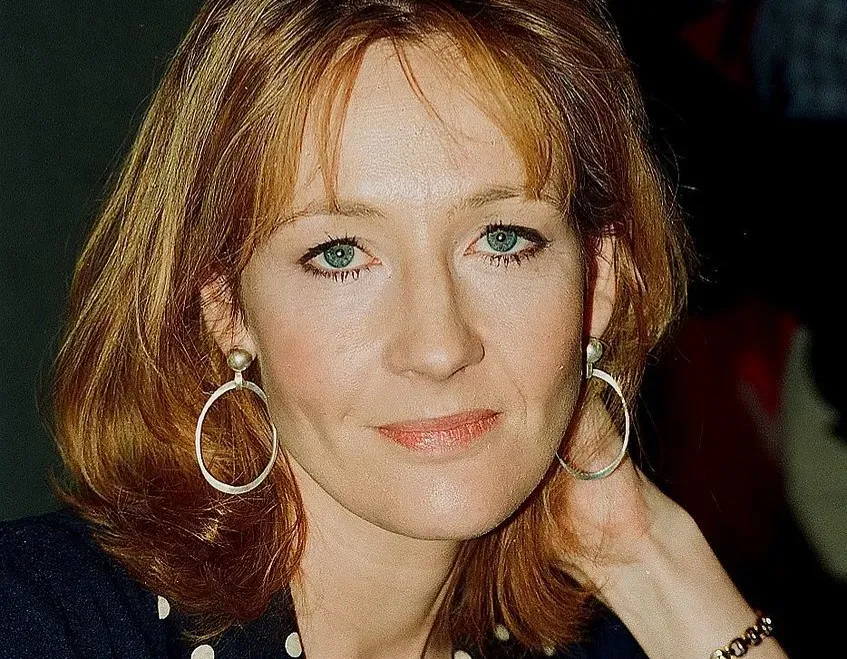
Rowling’s publisher reportedly suggested initials for the first Harry Potter book because boys might be less likely to pick up a book by a woman. She has no middle name, so she borrowed K from her grandmother Kathleen.
In 2013 she published a crime novel, The Cuckoo’s Calling, as Robert Galbraith to be judged without the weight of Potter fame. Her identity leaked within months, but she continued the Cormoran Strike series under that name.
Stephen King, Who Became Richard Bachman

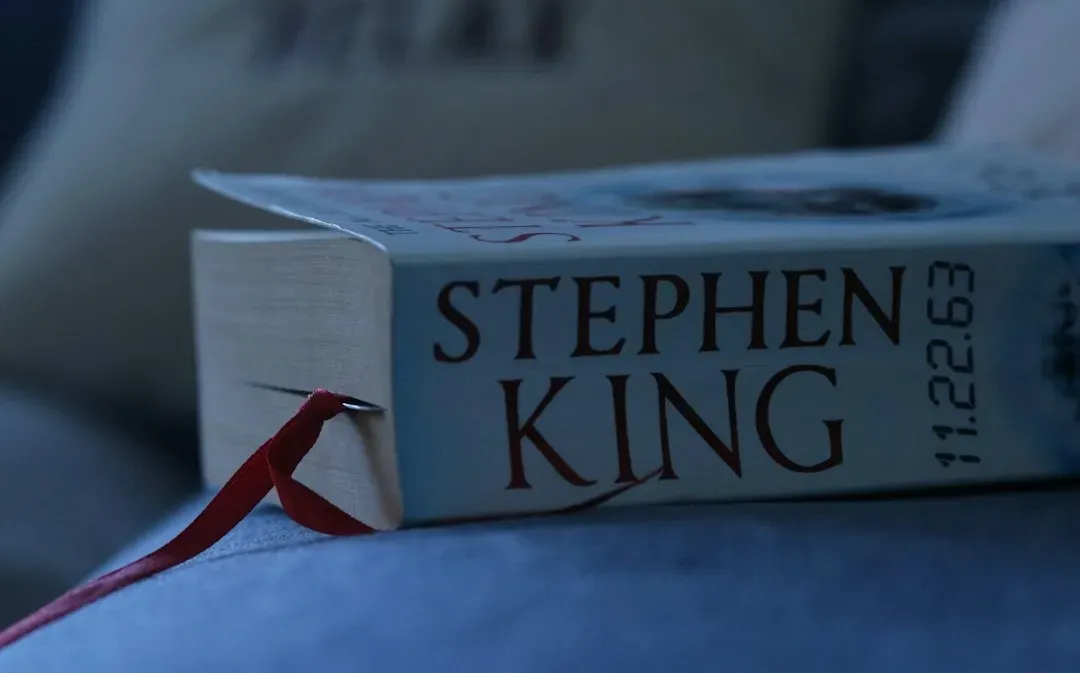
Stephen King launched Richard Bachman in the late 1970s. At the time, publishers believed an author should release only one book a year, and King was writing faster than that.
The Bachman books, including Rage and The Long Walk, let him publish extra work and test whether his success was talent or just his name. A bookstore clerk discovered the connection in the mid 1980s, and King retired the pseudonym soon after.
Partner offer
Planning a trip to Vegas?
Compare hotel rates and show tickets on VEGAS.com.