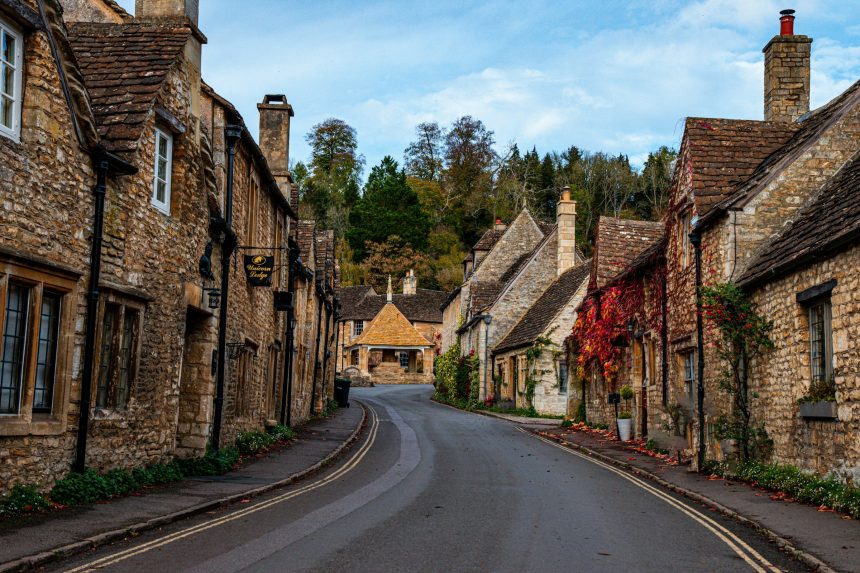
Many cosy British mysteries lean on the same idea: a quiet village where everyone knows everyone, which makes a body on the green feel all the more shocking. The villages are often invented, with names like Causton, Kembleford or Great Slaughter. The cameras, though, usually point at real places.
Some of those places welcome visitors, and a few have changed because of the attention. Here are eight series where you can match the screen to a real map reference.
Midsomer Murders
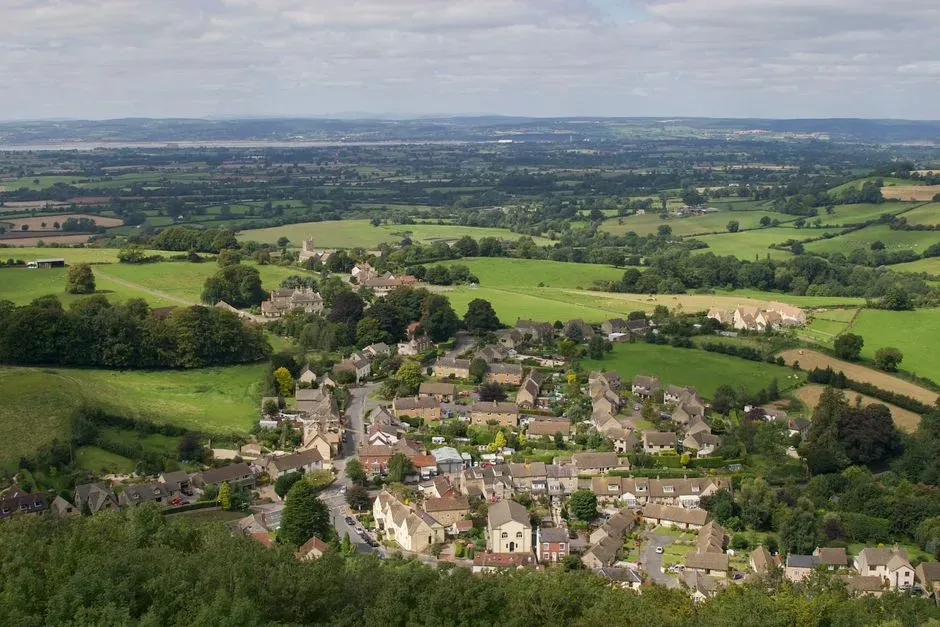
ITV’s long running series started in 1997 and follows detectives through the invented county of Midsomer. It draws on Caroline Graham’s novels about Chief Inspector Barnaby. The county doesn’t exist, but the filming does happen in real countryside.
Most of the production has taken place across Buckinghamshire and Oxfordshire. Turville in the Chilterns is among the best known villages, with its church and flint cottages. Wallingford in Oxfordshire has often stood in for the show’s fictional town of Causton.
Father Brown
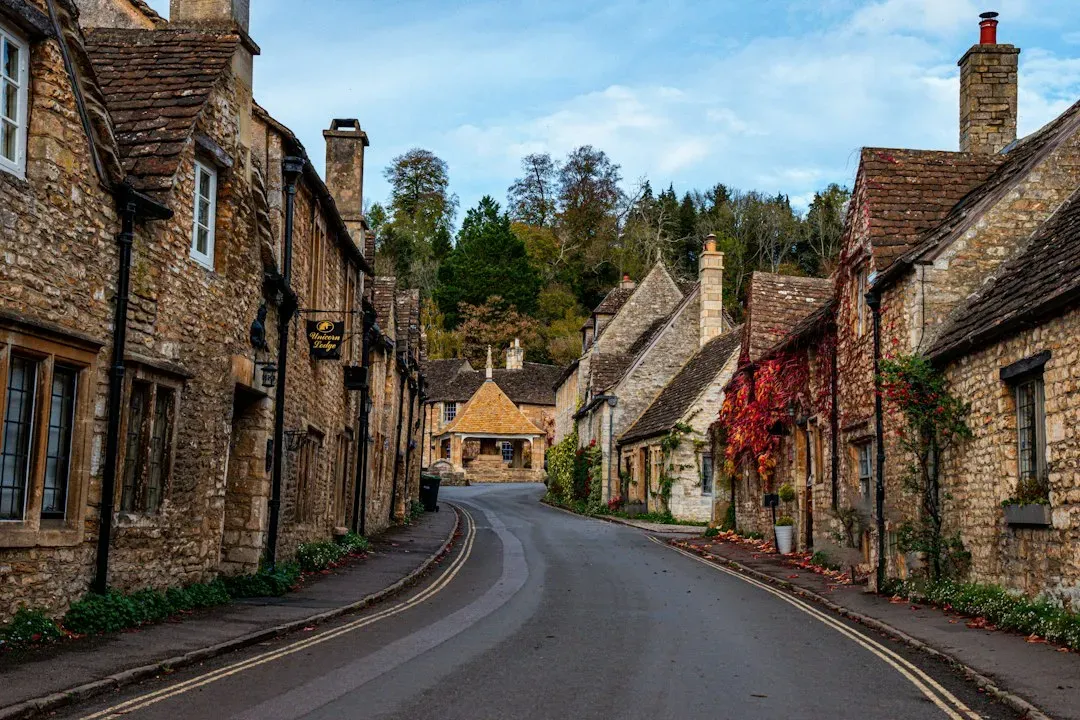
The BBC series began in 2013 and adapts G.K. Chesterton’s stories about a priest with a sharp eye for human nature. It is set in the 1950s in the fictional village of Kembleford. Its warm, honey coloured look comes from the Cotswolds.
Blockley in Gloucestershire has long been the main stand in for Kembleford. Other Cotswold villages and country houses appear around it. If you walk through Blockley today, you’ll find the sort of stone cottages and narrow lanes that make the show’s setting so believable.
Sister Boniface Mysteries
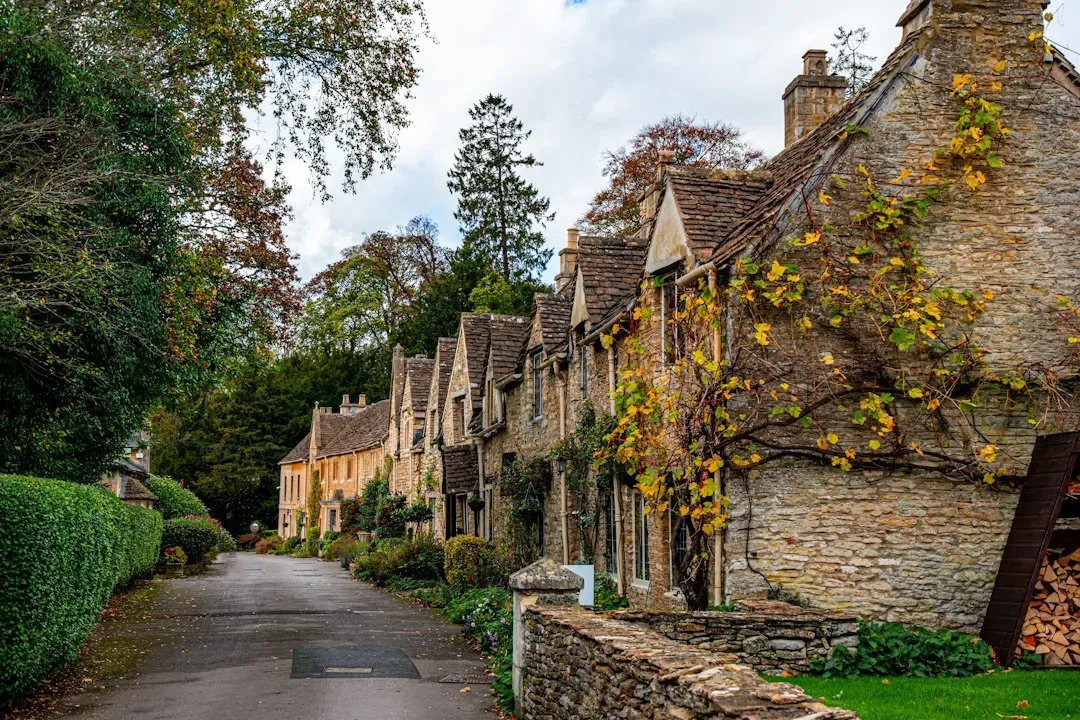
This spinoff of Father Brown follows a scooter riding nun who helps the police with forensic science. It’s set in the village of Great Slaughter in the Cotswold district of Gloucestershire. The tone is lighter than most mysteries, and the series has run for several seasons since its 2022 debut.
The filming locations are spread across the region. The village hall used in series two is in Great Barrington, Gloucestershire. The Spitfire pub is the Bakers Arms in Broad Campden. Meanwhile, St Vincent’s Convent is really Princethorpe College, near Rugby in Warwickshire.
Grantchester
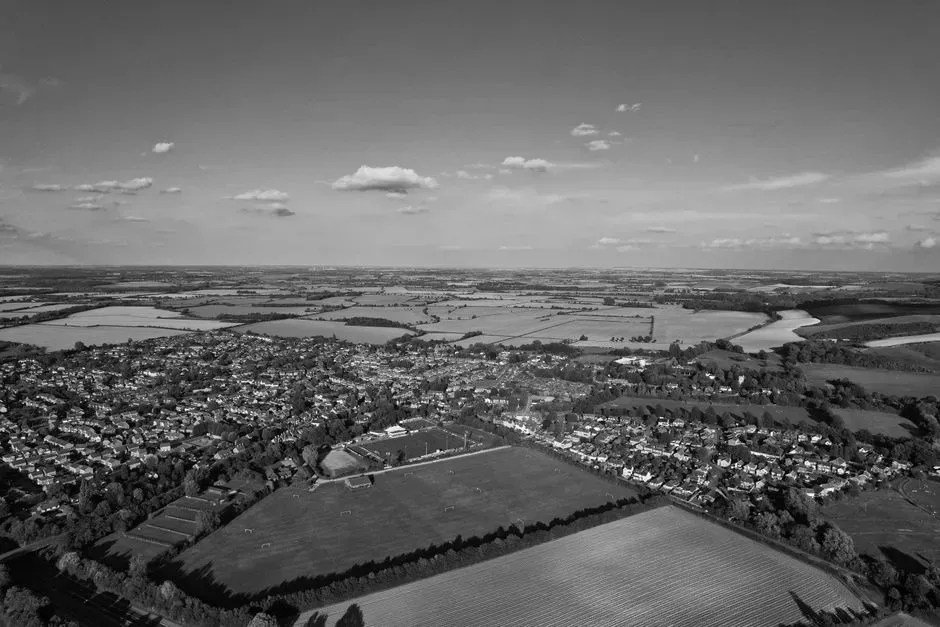
Grantchester began on ITV in 2014 and is based on James Runcie’s books about a clergyman who investigates crimes in the 1950s. The title village is a real one, just outside Cambridge. Few mysteries are named so plainly after their setting.
Grantchester sits beside the River Cam and is known for its meadows and its orchard tea garden, long popular with Cambridge visitors. The show also borrows other villages and locations in the area to build its version of the 1950s. Even so, the village itself is the reason many viewers go looking for it.
Broadchurch
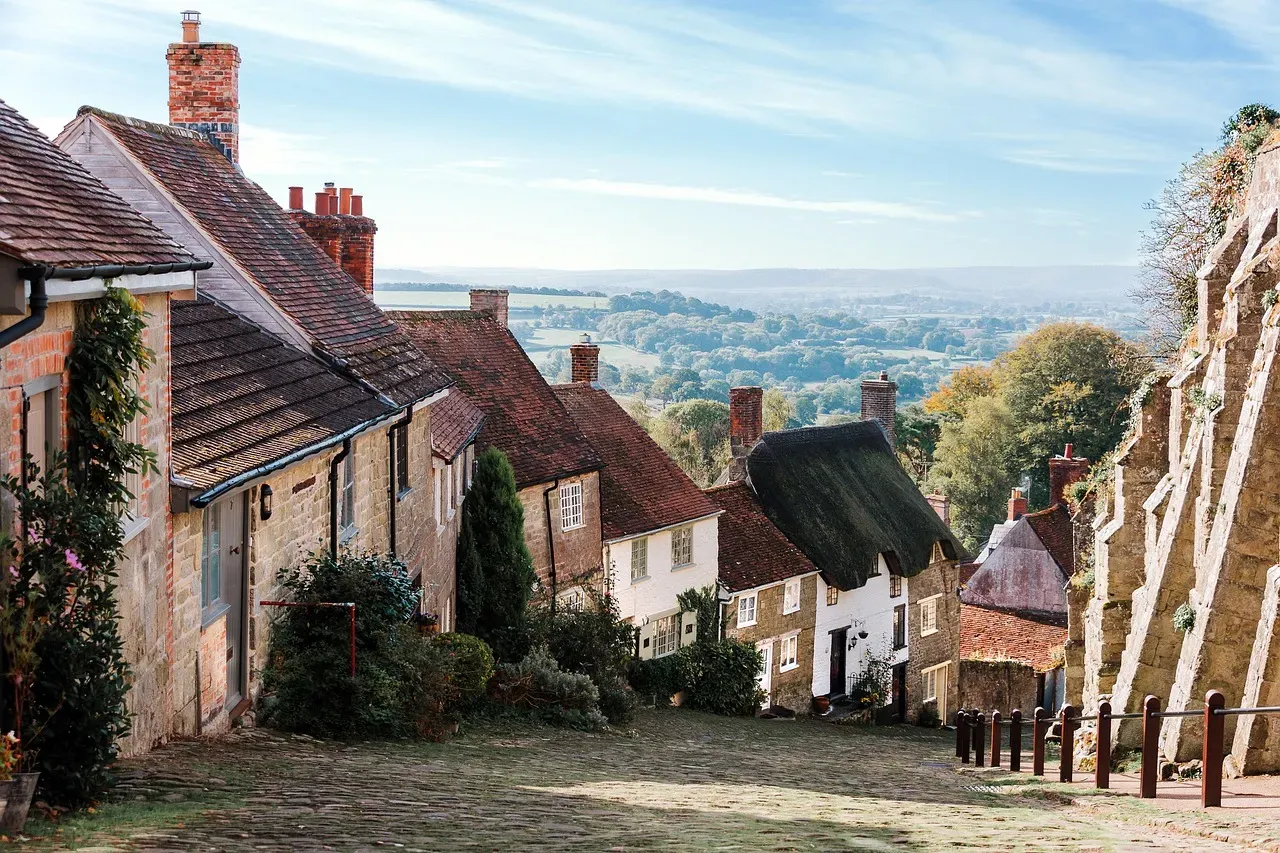
Broadchurch ran on ITV from 2013 to 2017, and it was darker than most of the entries here. It tells a story of grief in a small coastal community, and the landscape does a lot of the work. The fictional town is a composite, but its look comes from one real spot.
That spot is West Bay in Dorset, a harbour village on the Jurassic Coast. The golden East Cliff above the beach became one of the show’s defining images. Visitors still come to West Bay to see it, and the coastline is a World Heritage Site in its own right.
Heartbeat
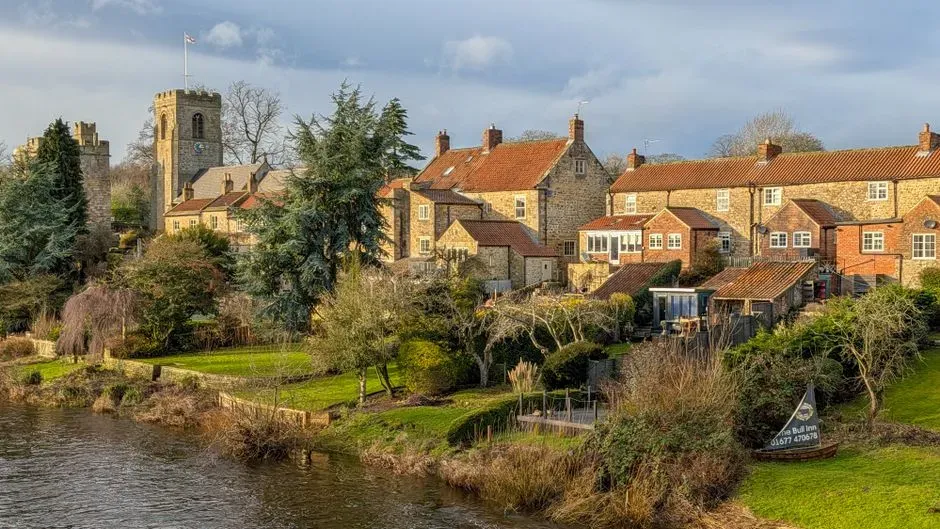
Heartbeat aired on ITV from 1992 to 2010 and mixed rural policing with mysteries set in the 1960s. Its fictional Aidensfield stood on the edge of the North York Moors. Not every episode was a whodunit, yet crime and puzzles ran through the series.
The real village was Goathland in North Yorkshire. The local hotel played the Aidensfield Arms, and the village has welcomed fans ever since. Goathland station also appears in the Harry Potter films, so the village has a double claim to screen fame.
Agatha Raisin
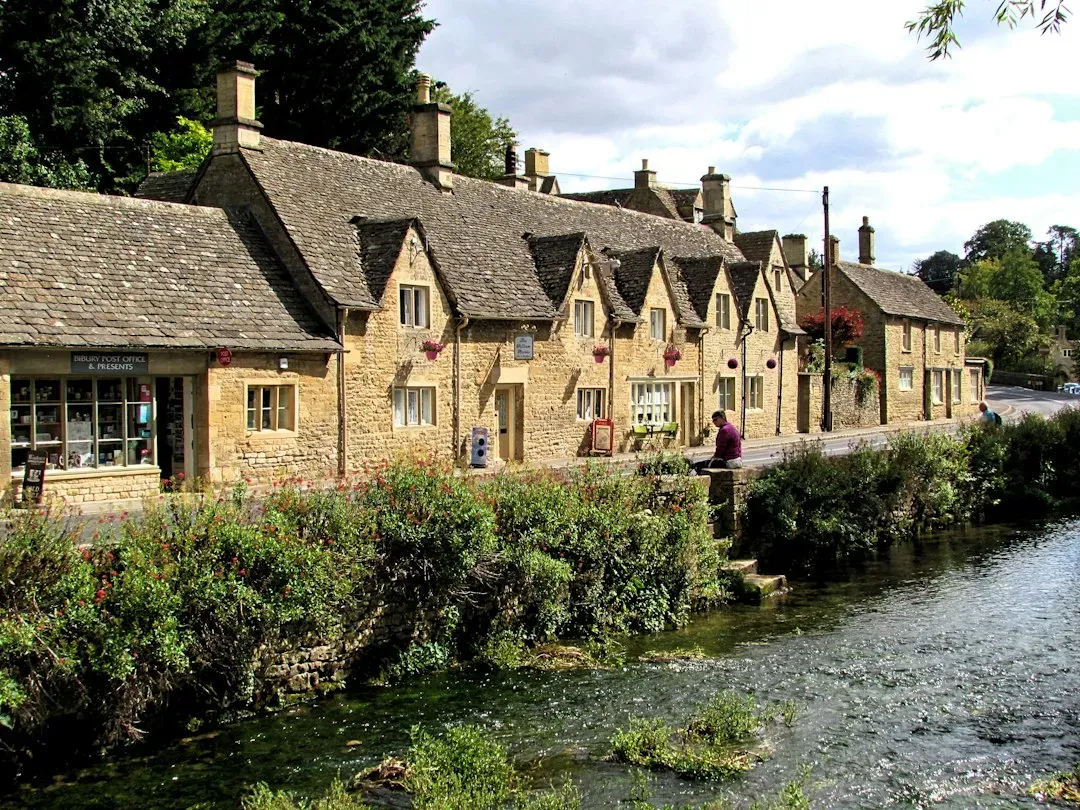
Agatha Raisin is based on M.C. Beaton’s novels about a former public relations executive who retires to the Cotswolds and keeps stumbling into murder. Sky One launched the television version in 2014, and it later moved to other platforms. The fictional village of Carsely is the base for her nosy investigations.
The production used honey stone Cotswold villages and countryside to stand in for the books’ setting. That choice matters, since the series depends on a sense of gentle small village life. The contrast with the crimes is where much of the humour comes from.
Miss Marple
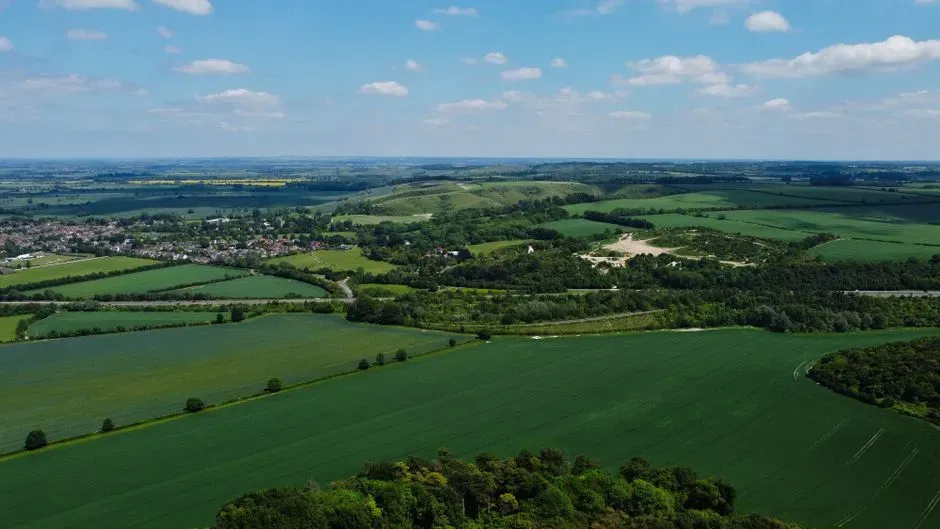
Agatha Christie’s St Mary Mead is fictional, yet the BBC’s 1984 to 1992 adaptations with Joan Hickson gave it a real face. That series starred Hickson and aired from 1984 to 1992. Nether Wallop in Hampshire doubled as St Mary Mead.
The village is still easy to recognise. It’s full of cottage gardens and thatched cottages. Dane Cottage on Five Bells Lane was used as Miss Marple’s home during filming.