Most picture books are a partnership between two people. One writes the words, another draws the world around them. A smaller group of creators did both jobs, and the pages they made often have a rhythm that’s hard to fake.
When the same hand controls the text and the images, a joke can land in a drawing instead of a sentence. A pause can happen in white space. Here are eight authors who worked that way, and what each one left on the shelf.
Beatrix Potter
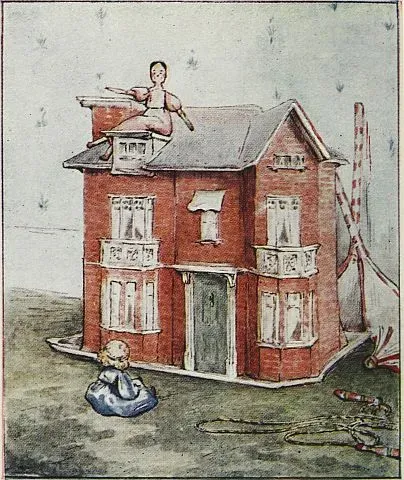
Beatrix Potter published The Tale of Peter Rabbit privately in 1901, after publishers turned it down. Frederick Warne and Company then issued a trade edition in 1902. She painted the watercolors herself, drawing on years of studying animals and plants closely.
That training shows. Her rabbits, hedgehogs and ducks look like real creatures dressed in small clothes. Potter later used her book earnings to buy farmland in England’s Lake District, and she left much of it to the National Trust when she died in 1943.
Maurice Sendak

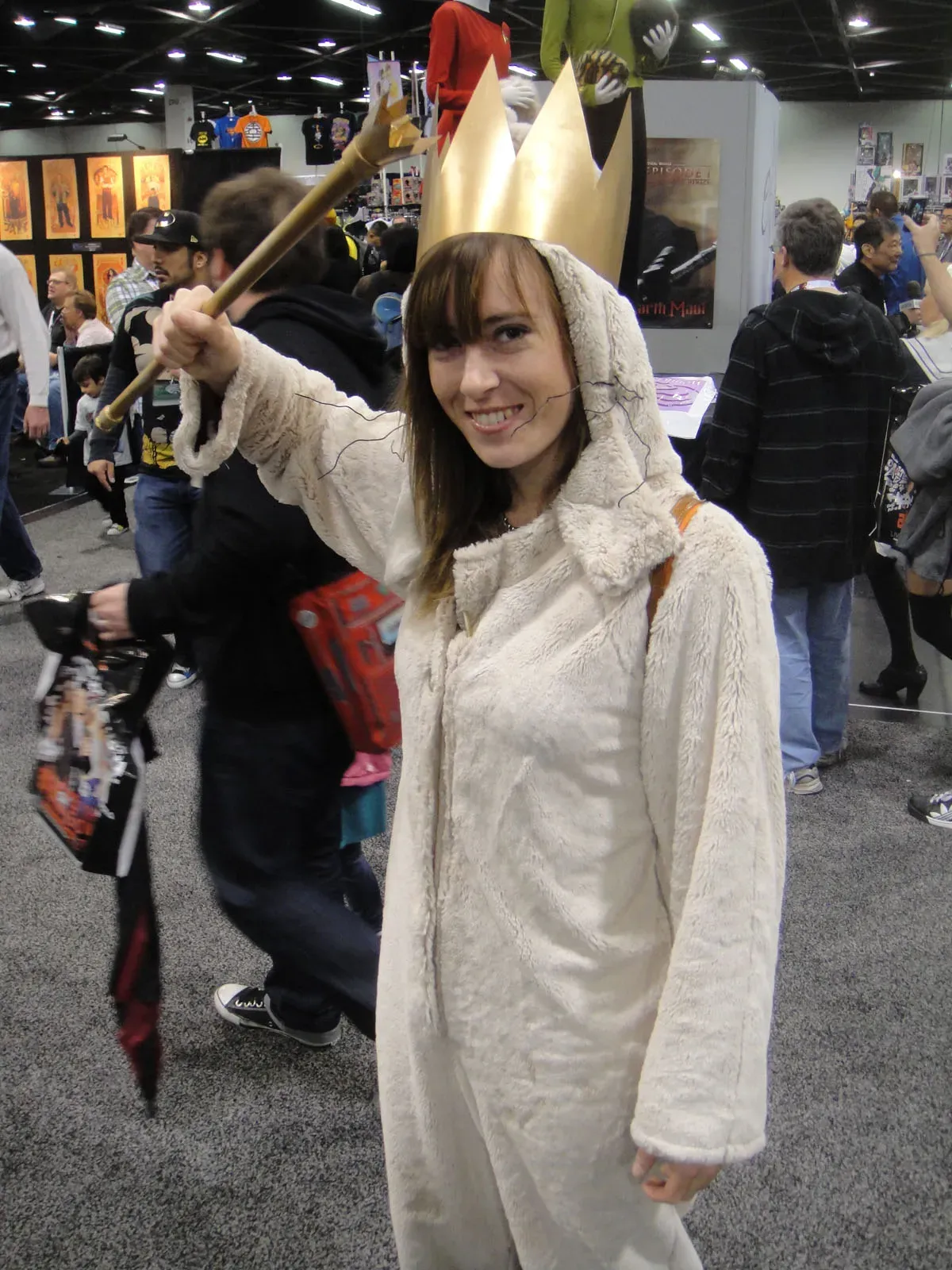
Where the Wild Things Are appeared in 1963 and won the Caldecott Medal the following year. Maurice Sendak wrote and drew it, using fine pen lines and crosshatching that gave the monsters a strangely tender look. The pictures grow larger as Max’s imagination takes over, until the text briefly steps aside.
He followed with In the Night Kitchen in 1970 and Outside Over There in 1981. Sendak received the Hans Christian Andersen Award in 1970 and the Astrid Lindgren Memorial Award in 2003. He died in 2012, and his books are still widely read.
Dr. Seuss

Theodor Seuss Geisel began his picture book career with And to Think That I Saw It on Mulberry Street in 1937. His loose, springy drawings and invented creatures became unmistakable. The Cat in the Hat followed in 1957, written for beginning readers using a limited list of words supplied by his publisher.
Three of his books earned Caldecott Honors: McElligot’s Pool, Bartholomew and the Oobleck, and If I Ran the Zoo. In 1984 he received a special Pulitzer Prize citation for his contribution to children’s education and enjoyment. He died in 1991.
Eric Carle

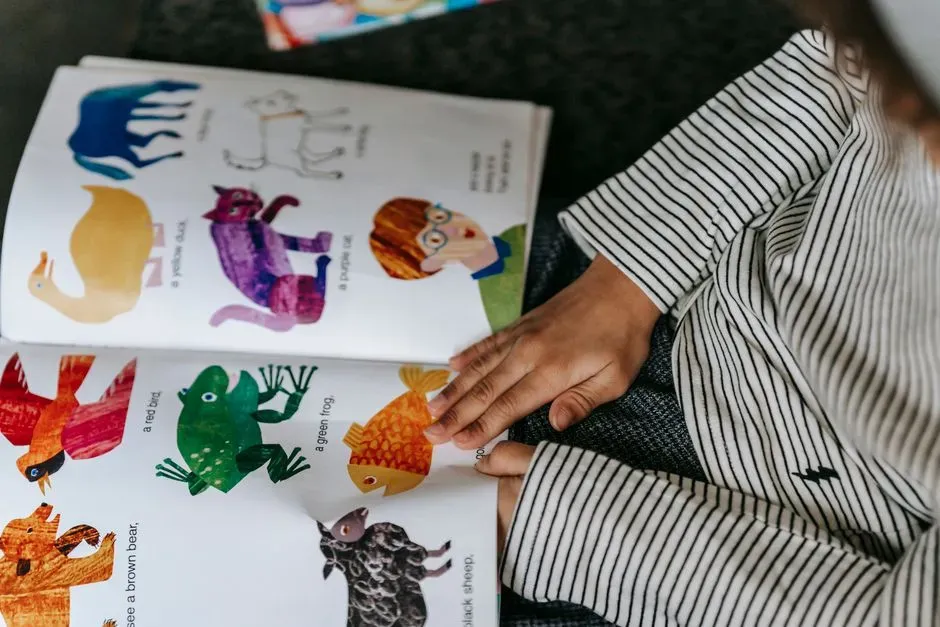
Eric Carle published The Very Hungry Caterpillar in 1969. He made the pictures by painting sheets of tissue paper and then cutting and layering them into collages. The die cut holes in the pages let small fingers follow the caterpillar’s path through the food.
Partner offer

The book has been translated into dozens of languages and has sold tens of millions of copies. Carle died in 2021. The Eric Carle Museum of Picture Book Art, which he cofounded, opened in Amherst, Massachusetts, in 2002.
Shel Silverstein
Shel Silverstein’s The Giving Tree came out in 1964, and its simple black line drawings carried the story as much as the words did. He later turned to poetry collections, including Where the Sidewalk Ends in 1974 and A Light in the Attic in 1981. Each poem sat beside his own scratchy, humorous sketches.
Those drawings often finish the joke or twist the meaning. Silverstein also wrote songs and cartoons for adult audiences, which helps explain the dry wit in his children’s work. He died in 1999, and his collections remain staples in classrooms and libraries.
Mo Willems

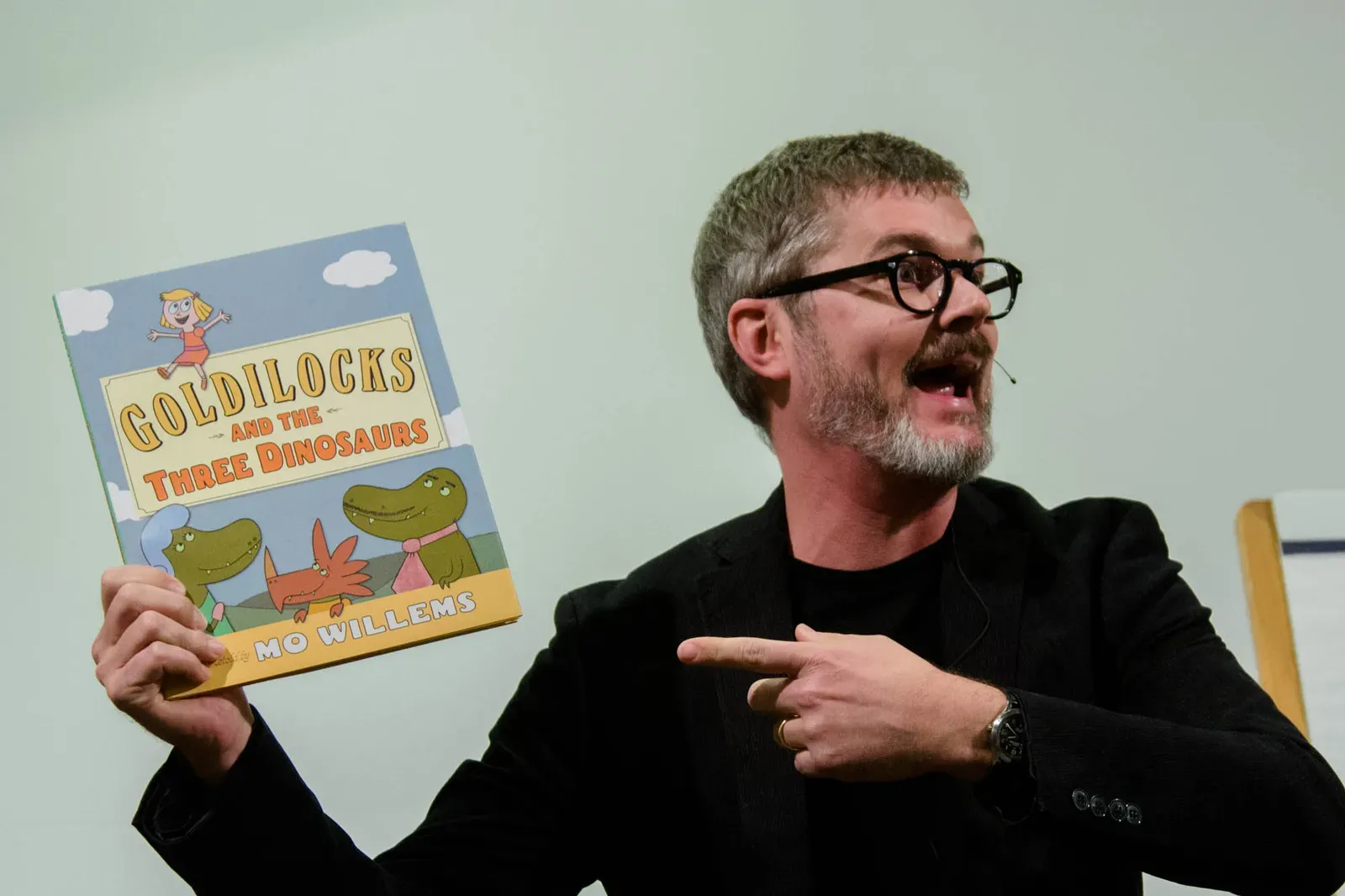
Mo Willems made his picture book debut with Don’t Let the Pigeon Drive the Bus! in 2003, and it earned a Caldecott Honor. Knuffle Bunny earned another Caldecott Honor a couple of years later. His drawings use bold outlines and few details, so a pigeon’s tantrum reads instantly from across a room.
He also created the Elephant & Piggie early reader series, which won the Geisel Award more than once. Before that, Willems worked as a writer on Sesame Street and collected Emmy Awards for it. In 2017 he became the first Education Artist in Residence at the Kennedy Center.
Tomie dePaola

Tomie dePaola wrote and illustrated Strega Nona, the story of a grandmotherly witch and her runaway pasta pot, in 1975. It received a Caldecott Honor the next year. His soft, folk art style, with warm colors and patterned borders, gave the tale a village feel that suited its Italian setting.
Over his career he made well over one hundred books, many of them drawn from his own childhood in Meriden, Connecticut. His novel 26 Fairmount Avenue earned a Newbery Honor in 2000. He died in 2020.
Oliver Jeffers


Oliver Jeffers was born in Australia and raised in Belfast, Northern Ireland. His early picture books, including How to Catch a Star in 2004 and Lost and Found in 2005, pair a small, round-headed boy with deadpan text and sparse, painterly scenes. Stuck, from 2011, pushes that humor further, as a boy keeps throwing objects into a tree to free a kite.
His 2017 book Here We Are began as notes for his newborn son about life on Earth. The pictures mix watercolor, collage and printed textures. Jeffers shows that a contemporary author illustrator can keep the old picture book tradition alive while experimenting with materials.
Partner offer
Planning a trip to Vegas?
Compare hotel rates and show tickets on VEGAS.com.