Walk into a bookshop and the shelves feel neatly sorted. Thrillers sit in one corner, literary novels in another, and picture books near the floor where small hands can reach them. Plenty of writers have wandered across those lines, though, often for very personal reasons.
Some wrote for their own kids. Others simply wanted to try a different kind of storytelling. Here are eight children’s books from authors better known for what they wrote for grown-ups.
Haroun and the Sea of Stories by Salman Rushdie
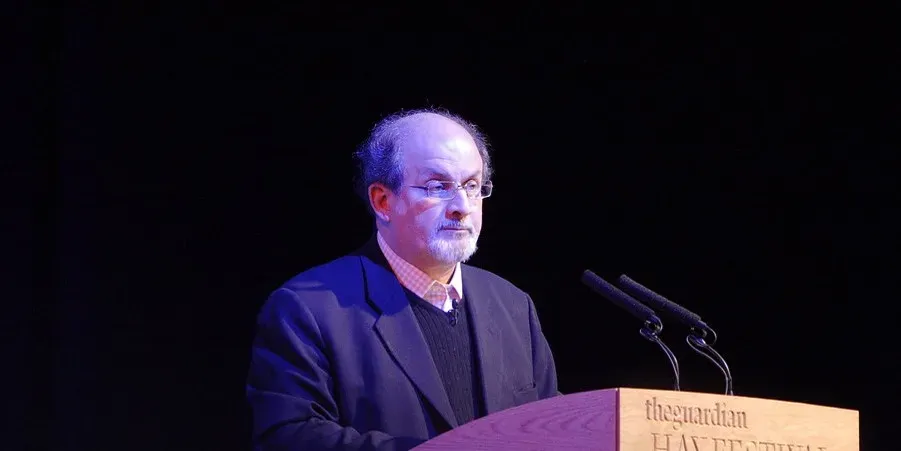
Rushdie is best known for Midnight’s Children, a sprawling novel that won the Booker Prize. Haroun and the Sea of Stories, published in 1990, is a much shorter fantasy about a boy whose storyteller father suddenly loses his gift for talking. It was written for his son Zafar.
The timing matters. Rushdie wrote it while living under a fatwa issued in 1989 after The Satanic Verses, so the book carries a quiet argument about why stories deserve protection. Kids can enjoy the puns and adventure, while adults will notice the deeper layer.
The Eyes of the Dragon by Stephen King
Stephen King built his career on horror, so a fairy tale from him raised eyebrows when The Eyes of the Dragon appeared in 1987. He wrote it for his daughter Naomi, who hadn’t been drawn to his scarier books. The story follows a prince, a wicked royal magician named Flagg, and a kingdom called Delain.
Though it has a gentler tone, it isn’t toothless. King doesn’t shy away from betrayal and imprisonment, and Flagg is a villain who shows up elsewhere in his fiction. Readers of The Stand will recognize the name.
The Daydreamer by Ian McEwan

Ian McEwan is known for dark, precise novels such as Atonement and Amsterdam. The Daydreamer, from 1994, is his only novel for younger readers. It centers on Peter Fortune, a boy whose imagination keeps pulling him out of the ordinary world.
Each chapter plays with a strange idea, such as a boy swapping places with his baby cousin or a doll that comes to life. Anthony Browne illustrated the first edition. The book is a good example of McEwan’s careful prose, only turned toward childhood curiosity.
Hoot by Carl Hiaasen

Hiaasen made his name with comic crime novels set in Florida, full of greedy developers and eccentric locals. Hoot, published in 2002, keeps that setting but trades the adult mayhem for a middle grade mystery. A new kid named Roy Eberhardt gets tangled up in a plan to protect burrowing owls from a pancake house construction site.
The book earned a Newbery Honor in 2003, which is a fairly rare feat for a writer crossing over from adult fiction. It was also adapted into a feature film in 2006. Hiaasen followed it with several more environmental adventures for young readers.
Theodore Boone: Kid Lawyer by John Grisham

Grisham’s legal thrillers, including The Firm and A Time to Kill, made him a household name. In 2010 he launched the Theodore Boone series with Kid Lawyer, starring a thirteen year old who knows the local courthouse better than most adults. When a murder trial hits his town, Theodore ends up holding information that could matter.
The plotting feels familiar, only scaled down for younger readers. There’s no graphic violence, and the focus stays on fairness, evidence, and doing the right thing. It also became the first of a multi book series.
The Big Box by Toni Morrison and Slade Morrison
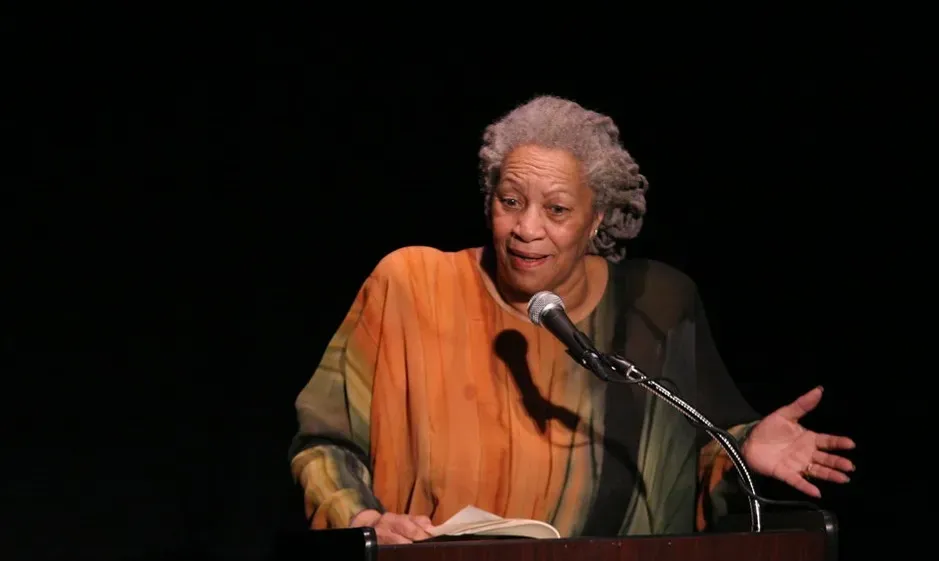
Toni Morrison won the Nobel Prize in Literature in 1993 for novels like Beloved and Song of Solomon. In 1999 she published The Big Box with her son Slade, with illustrations by Giselle Potter. It’s a picture book told in verse about three children who are put in a box because adults think they can’t handle freedom.
The book is short, but its themes about control and trust are anything but simple. Morrison wrote several children’s titles with Slade, who died in 2010. Together they worked from the idea that young readers can handle serious ideas.
Zlateh the Goat by Isaac Bashevis Singer

Singer wrote in Yiddish and won the Nobel Prize in Literature in 1978, mostly for adult fiction about Jewish life in Poland and America. Zlateh the Goat and Other Stories, published in 1966, gathers folktales set in Eastern European villages. The title story follows a boy and a goat who survive a blizzard together in a haystack.
Maurice Sendak illustrated the collection, and it received a Newbery Honor in 1967. Singer wrote many other children’s books, so this wasn’t a one time detour. It remains one of the best known examples of a Nobel laureate writing for kids.
Chitty Chitty Bang Bang by Ian Fleming

Ian Fleming created James Bond, so a whimsical story about a flying car feels like a surprise. He wrote Chitty Chitty Bang Bang as a bedtime story for his son Caspar and published it in three volumes in 1964, the year he died. John Burningham illustrated the first edition.
The book follows the Pott family and their magical car, which gets them into scrapes with gangsters. Many people know the story through the 1968 film musical, which departs from the book in several ways. Roald Dahl worked on the screenplay, which adds another curious link between children’s and adult writing.