
Publishing has always involved a lot of educated guessing, and editors get it wrong more often than they’d like to admit. Some of the most widely read books of the past century spent months or years collecting polite refusals first.
The rejection counts below come from author interviews, publisher histories and long repeated accounts. Exact numbers sometimes vary between sources, so treat them as approximate. Here are seven novels that found their audience after a rough start.
Harry Potter and the Philosopher’s Stone by J.K. Rowling
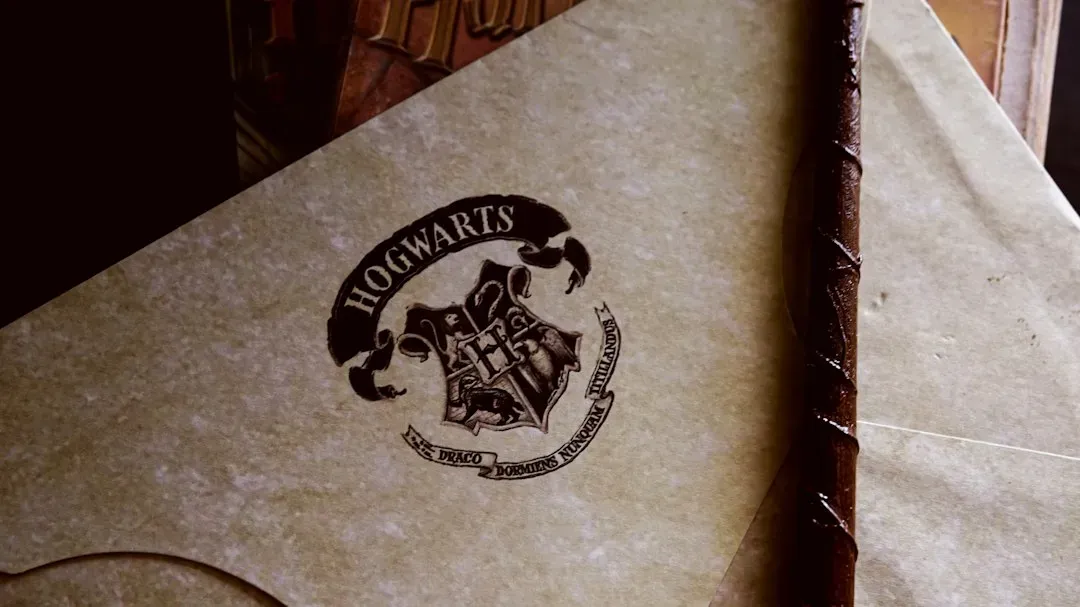
Rowling’s first Harry Potter manuscript was reportedly turned down by about twelve publishers before Bloomsbury took a chance on it. The offer came with a modest advance of around two thousand five hundred pounds. Children’s books were not seen as big money then, and a long fantasy about a boy wizard didn’t look like an obvious exception.
Bloomsbury’s chairman has said that his young daughter read the opening chapter and demanded the rest, which helped push the decision. The book came out in 1997 in the UK. The series has since sold hundreds of millions of copies worldwide and has been translated into dozens of languages.
Carrie by Stephen King
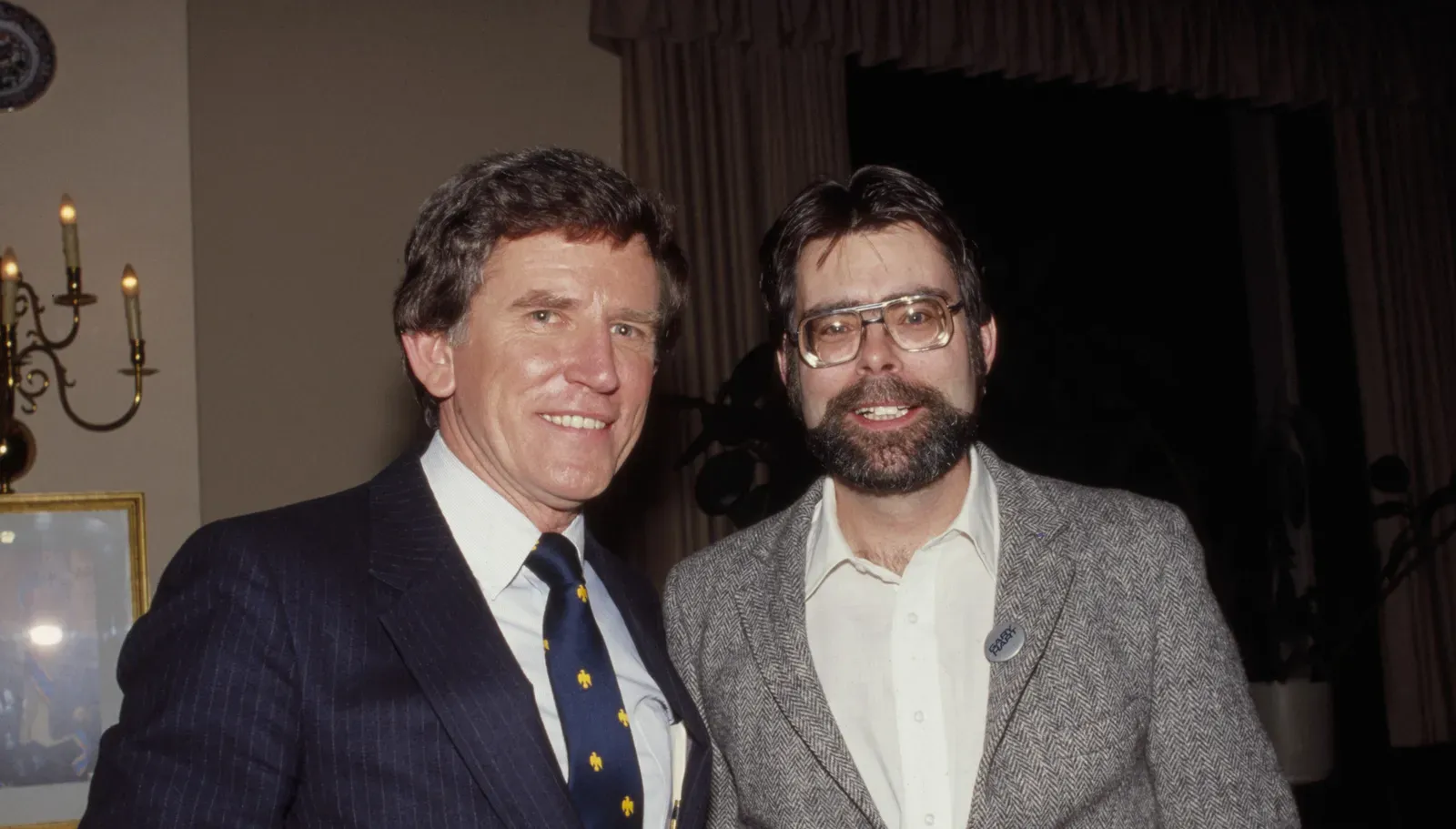
King has said he got around thirty rejections for early work, and Carrie nearly ended up in the bin. He grew frustrated with the story and threw the pages away. His wife, Tabitha, pulled them out of the trash and urged him to keep going.
Doubleday published the novel in 1974. The paperback rights later sold for a large sum, reportedly four hundred thousand dollars, which allowed King to leave his teaching job. It became the first of dozens of books that made him one of the best known novelists alive.
A Wrinkle in Time by Madeleine L’Engle

L’Engle’s science fantasy for young readers is often said to have been rejected by more than two dozen publishers. Editors found it hard to classify. It was too odd for a typical children’s list, and it had themes some thought too difficult for the audience.
Farrar, Straus and Giroux finally published it in 1962. The book won the Newbery Medal in 1963 and has stayed in print for decades. Disney released a film adaptation in 2018, which shows how long the story kept its reach.
Dune by Frank Herbert

Herbert spent years researching and writing his desert planet epic, and it was long, dense and unlike most science fiction of the era. Accounts commonly say that around twenty publishers passed on it. Many worried about the length and the heavy world building.
Chilton, a company better known for auto repair manuals, published it in 1965. Dune won the Hugo Award and shared the first Nebula Award for best novel. It’s now frequently described as one of the best selling science fiction novels ever, and recent film adaptations have brought it to a new generation.
The Help by Kathryn Stockett

Stockett has said she was turned down by agents sixty times over roughly three years. Her story of Black maids and white employers in 1960s Mississippi was a hard sell, and she kept revising it between refusals. Persistence was the whole strategy.
The agent who finally said yes, Susan Ramer, sold the book, and it was published in 2009. It stayed on best seller lists for a long time and sold millions of copies. A 2011 film adaptation earned several Academy Award nominations.
Lord of the Flies by William Golding

Golding’s tale of schoolboys stranded on an island was reportedly rejected by more than twenty publishers. Some editors found it too bleak and unlikely. It was submitted under a different working shape than the one we know now.
Faber and Faber accepted it, and it was published in 1954. Sales started slowly, then climbed as schools adopted it as a set text. Golding went on to win the Nobel Prize in Literature in 1983, and the novel remains a fixture on reading lists.
Watership Down by Richard Adams

Adams first told the story of a group of rabbits to his daughters on a car journey. When he wrote it down, around thirteen publishers or agents reportedly passed on it. A novel of that length about rabbits, with a serious tone, confused people who expected a children’s picture book.
Rex Collings, a small publisher, took it on, and it appeared in 1972. The book won the Carnegie Medal and the Guardian Children’s Fiction Prize. It has sold in huge numbers since and has been adapted for film, television and animation.