Some movie lines are so famous that nobody checks them anymore. We repeat them at parties, quote them in speeches, and print them on mugs. Somewhere along the way, a few of them quietly changed.
The cause is usually simple. Parodies, trailers and impressions smooth out awkward phrasing, and memory fills in the rest. Here are eight famous lines and what was actually said on screen.
Casablanca: Play It Again, Sam

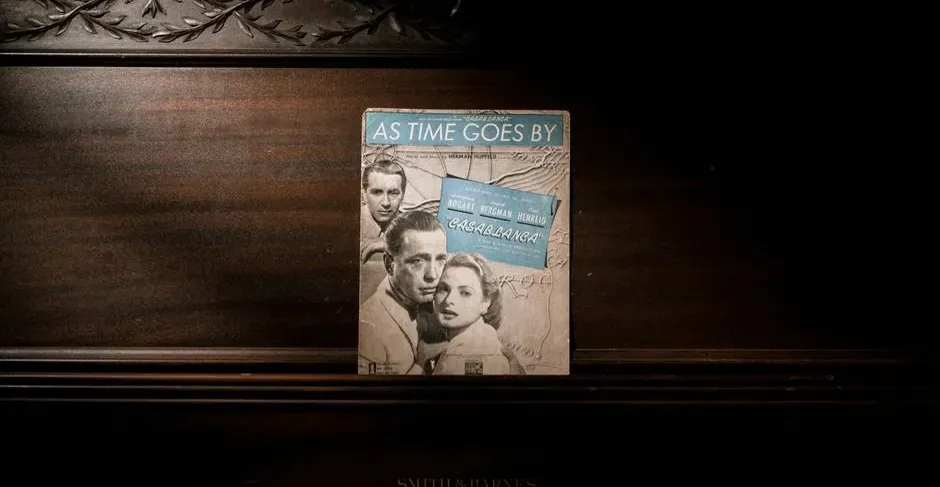
This is probably the most famous misquote in film history. In Casablanca (1942), nobody says “Play it again, Sam.” Ilsa asks the pianist to play the song “As Time Goes By,” and she uses a slightly different wording from the one we know.
Later, Rick tells Sam to play it, and again the phrasing is shorter and blunter than the legend suggests. The version we all know got a big push from later spoofs. Woody Allen’s 1972 film took the misquote as its title, which helped lock it into popular memory.
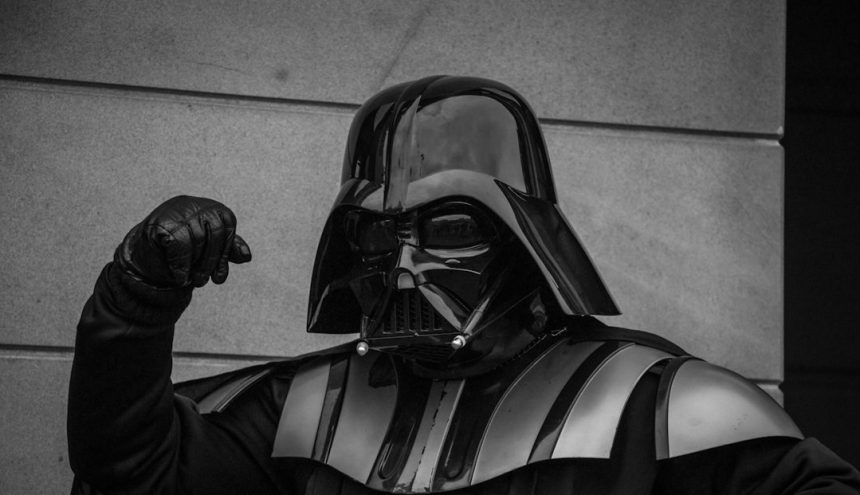
The Empire Strikes Back: I Am Your Father

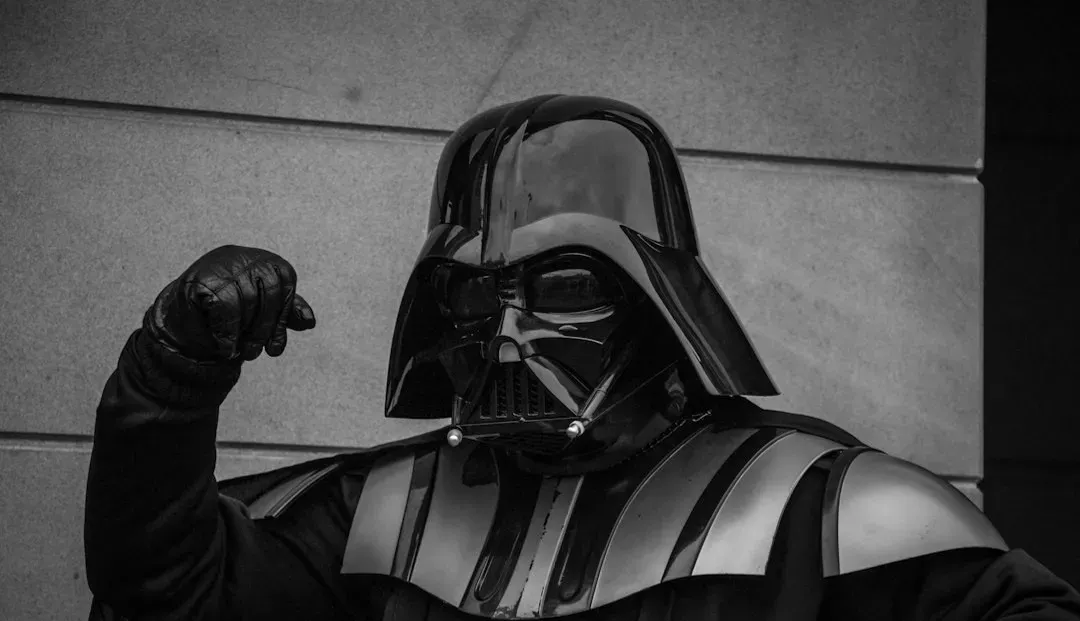
The reveal in The Empire Strikes Back (1980) is one of cinema’s great twists. Darth Vader does not begin with Luke’s name, though. His line is a flat declaration with no name attached, and it follows Luke’s accusation that Vader killed his father.
The version with “Luke” at the front is a product of imitation. It sounds more dramatic and rolls off the tongue more easily, so parodies adopted it. Watching the scene again shows how much the original relies on restraint.
The Silence of the Lambs: Hello, Clarice


People often have Hannibal Lecter greeting Clarice Starling with a casual “Hello.” In The Silence of the Lambs (1991), his greeting is more formal and old fashioned. He says “Good evening,” and that suits the character’s polished menace.
The shorter “Hello” has been repeated in countless impressions of Anthony Hopkins. Those impressions have drifted away from the script. The original wording fits Lecter better, because he is always courteous.
Jaws: We’re Going to Need a Bigger Boat

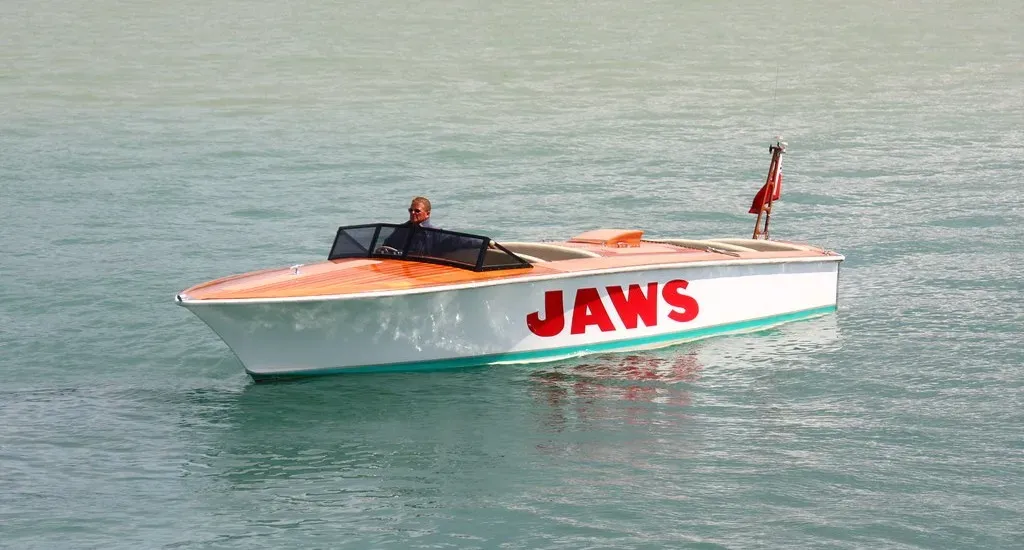
When Chief Brody sees the shark in Jaws (1975), he mutters a line that has become shorthand for being outmatched. Many people recall it as “We’re gonna need a bigger boat.” Brody actually says “You’re gonna need a bigger boat,” and he says it almost under his breath, to Quint.
Partner offer

The change from “You’re” to “We’re” sounds minor, yet it shifts the meaning. In the film, it’s a stunned remark to someone else, not a group plan. The line was reportedly improvised, which may explain why it feels so offhand.
Sunset Boulevard: Ready for My Close Up

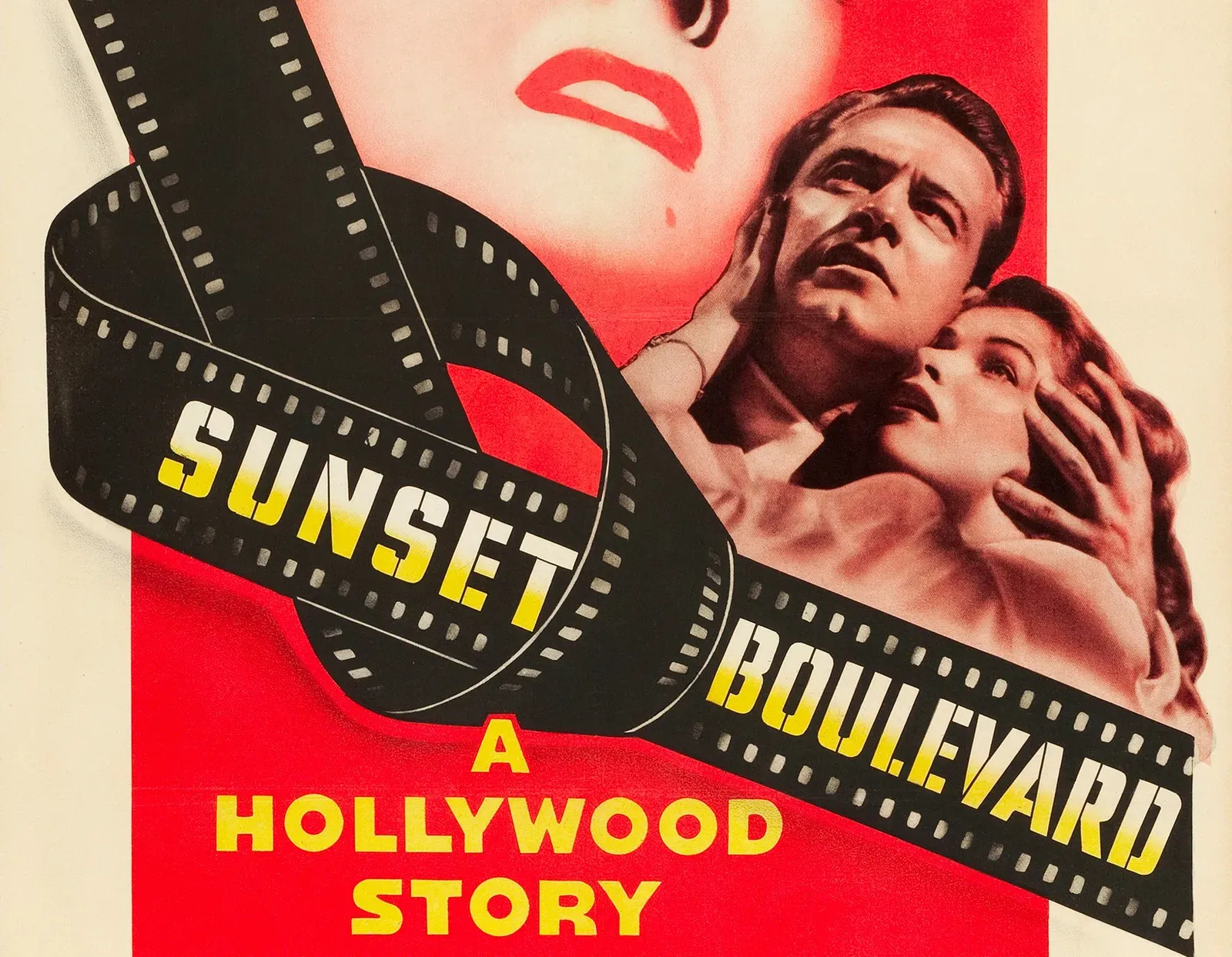
Norma Desmond’s last scene in Sunset Boulevard (1950) is often paraphrased as a simple “I’m ready for my close up.” The real line addresses the director directly. She says “All right, Mr. DeMille,” before announcing that she’s ready.
That small opening matters, because it shows she is lost in her own fantasy. She believes she’s on a film set, speaking to Cecil B. DeMille, when she is actually surrounded by police. Dropping the address removes the tragic detail.
Snow White and the Seven Dwarfs: Mirror, Mirror on the Wall


Ask most people for the Evil Queen’s line and they will say “Mirror, mirror on the wall.” In Disney’s 1937 film, she addresses the mirror differently. She calls it a “Magic Mirror” before asking her question.
The doubled “mirror, mirror” comes from the way the phrase has been repeated in later retellings and parodies. Many versions of the fairy tale use similar wording, so the two have blended together. The animated film itself uses a different opening.
Field of Dreams: If You Build It, They Will Come

Field of Dreams (1989) gave business culture one of its favorite slogans. The whisper Ray Kinsella hears says “he will come,” not “they will come.” The singular pronoun points to one person, a point that matters to the emotional core of the story.
The plural version sounds like a business promise, so it spread widely as a motto for building audiences and customers. In the film, though, the voice refers to a specific person tied to Ray’s own past. That makes the original line more personal than the slogan suggests.
Wall Street: Greed Is Good

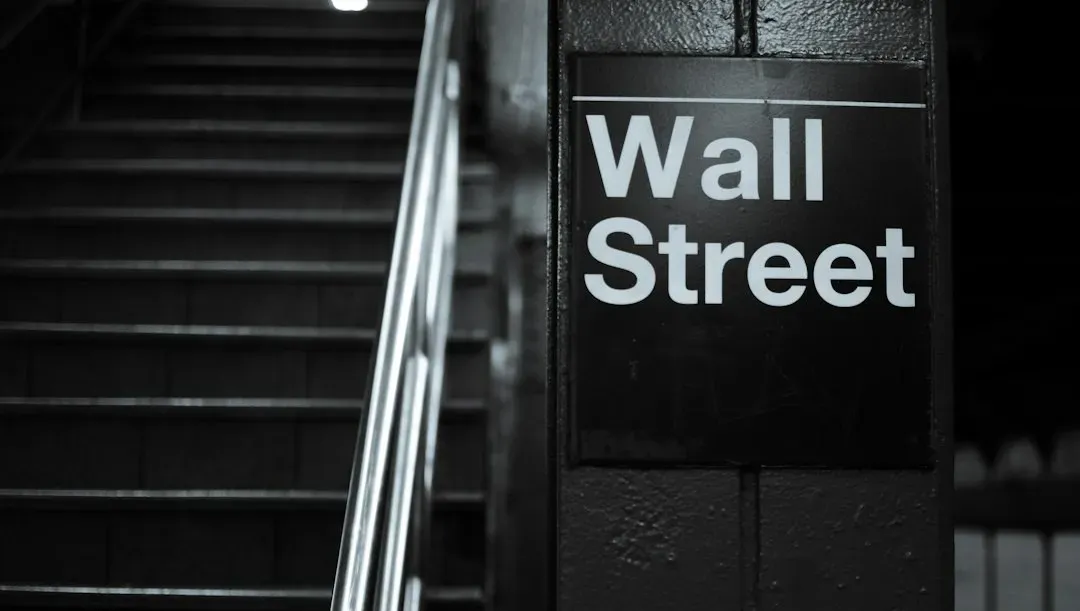
Gordon Gekko’s speech in Wall Street (1987) is often boiled down to three words. The actual line is longer, with a qualifier in the middle. He says that greed, “for lack of a better word,” is good.
Gekko delivers it to shareholders of a company he wants to take over, and he continues with a case for greed as a driving force. The shortened version became a catchphrase for the era, and the film’s critics and fans both repeat it. Still, the extra clause shows a character who is selling an argument, not just stating a slogan.
Partner offer
Planning a trip to Vegas?
Compare hotel rates and show tickets on VEGAS.com.