Most readers today pick up a classic novel as a neat, complete volume. One cover, one story, all at once. What many people don’t realize is that some of the most beloved books in literary history were never meant to be read that way. They arrived in pieces, week by week, month by month, keeping readers in suspense the same way a binge-worthy TV show does today.
During the 19th century, people read serialized novels the way we watch episodic TV. Momentum was built with each installment and readers tuned in each week or month to find out what happened after the last cliffhanger. Honestly, there’s something almost magical about that idea. Let’s dive in.
The Pickwick Papers by Charles Dickens (1836)
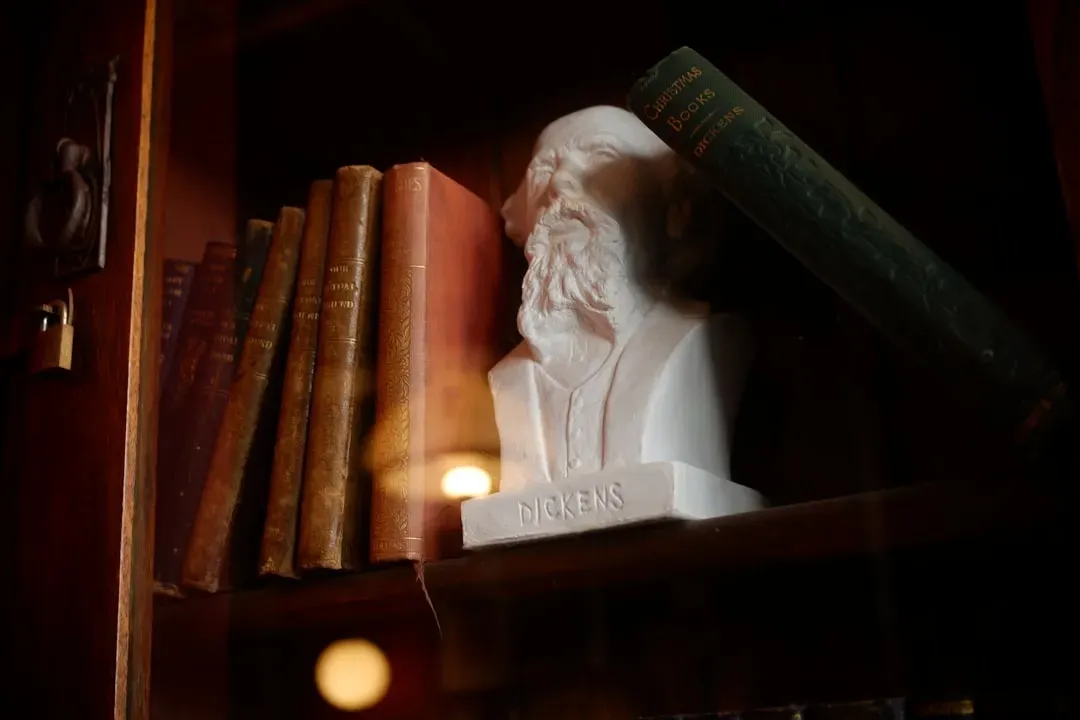
If there is one novel that truly launched the serialization craze, it is this one. Charles Dickens is often credited with kick-starting the serial novel craze during the Victorian era with The Posthumous Papers of the Pickwick Club. The Pickwick Papers, as it was more commonly known, was published as a series of 19 installments from 1836 to 1837.
Pickwick Papers was a smashing success. Chapman and Hall had published only 1,000 copies of the first installment, but they printed 100 times as many of the final installment. Charles Dickens was a household name, and though plenty of novels had been serialized in the past, the incredible popularity of Pickwick Papers made publishers think about serial novels in a new way.
Dickens’s literary success began with the 1836 serial publication of The Pickwick Papers, a publishing phenomenon that sparked Pickwick merchandise and spin-offs. Within a few years, Dickens had become an international literary celebrity, famous for his humour, satire and keen observation of character and society. Think of it like the Marvel Universe of its time, except the “episodes” were printed on cheap paper and cost a shilling each.
The Count of Monte Cristo by Alexandre Dumas (1844)
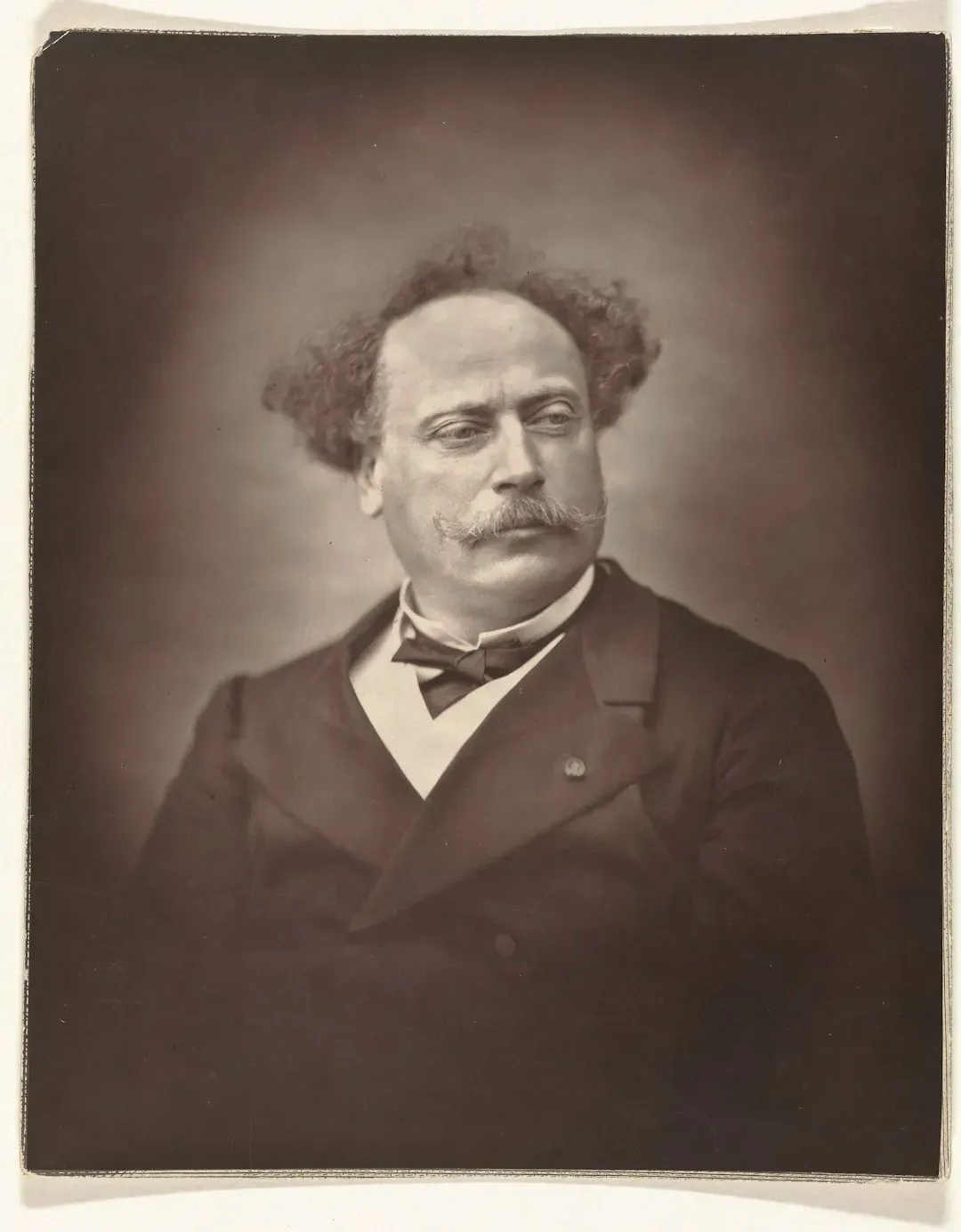
Here’s a fun fact that changes how you read this epic revenge story. The Count of Monte Cristo was originally published in the Journal des Débats in eighteen parts. Serialization ran from 28 August 1844 to 15 January 1846. That’s over a year of readers waiting to find out whether Edmond Dantès would finally get his revenge.
The Count was , which attributed to the fact as to why there are so many plot twists, turns and cliffhangers in this story. Dumas had to hold his readers’ interest, so that the newspaper would keep on publishing his book. It’s no wonder the novel reads like a soap opera at times. That was entirely intentional.
Alexandre Dumas wrote at an incredible pace, oftentimes writing with his partner twelve to fourteen hours a day, working on several novels for serialized publication at once. However, not every writer could keep up with the serial writing pace. The sheer scale of Dumas’s output remains staggering even by today’s standards.
Uncle Tom’s Cabin by Harriet Beecher Stowe (1851)
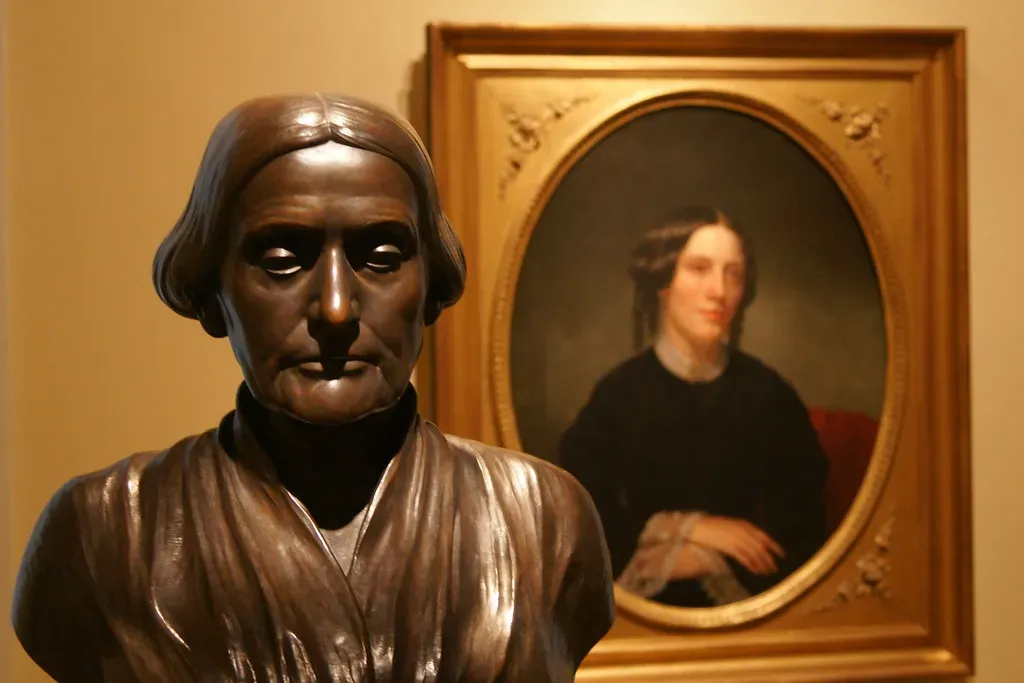
This is arguably the most politically explosive novel ever to arrive in installments. One of the first monumental American works to be released in serial format was Uncle Tom’s Cabin by Harriet Beecher Stowe. The novel was published over a 40-week period, starting with the June 5, 1851 issue, in The National Era, a weekly abolitionist newspaper.
A large part of the appeal for writers at the time was the broad audiences that serialisation could reach, which would then grow their following for published works. Stowe’s story spread through homes, churches, and reading circles in a way that a standalone book might never have managed. It built its audience week by week, like a slow-burning fire.
Serialisation was so standard in American literature that authors from that era often built installment structure into their creative process. Stowe is perhaps the most vivid example of how that structure could transform not just a story, but an entire national conversation about slavery and justice.
Madame Bovary by Gustave Flaubert (1856)
![Madame Bovary by Gustave Flaubert (1856) (Môsieur J. [version 9.1], Flickr, CC BY-SA 2.0)](https://nvmwebsites-budwg5g9avh3epea.z03.azurefd.net/lasvegasnews/01f666137151d0bbff49a252382b3c51.webp)
It’s hard to imagine one of the most finely crafted novels in the French language arriving in newspaper installments, but that is exactly what happened. Gustave Flaubert’s Madame Bovary was serialised in La Revue de Paris in 1856. The story of Emma Bovary’s restless desires and doomed ambitions captivated and outraged readers in equal measure.
The serialization caused immediate controversy. Tolstoy arrived in Paris in February 1857, less than a month after Flaubert and the editors of La Revue de Paris had been taken to court for “outrage to public and religious morals and to morality.” A novel serialized in a literary journal facing obscenity charges is the kind of drama that only adds to a book’s legend.
Production in book form soon followed and serialisation was one of the main reasons that nineteenth-century novels were so long. Authors and publishers kept the story going if it was successful since authors were paid by line and by episode. Flaubert, though famously meticulous, still operated within this commercial ecosystem, whether he liked it or not.
Great Expectations by Charles Dickens (1860)
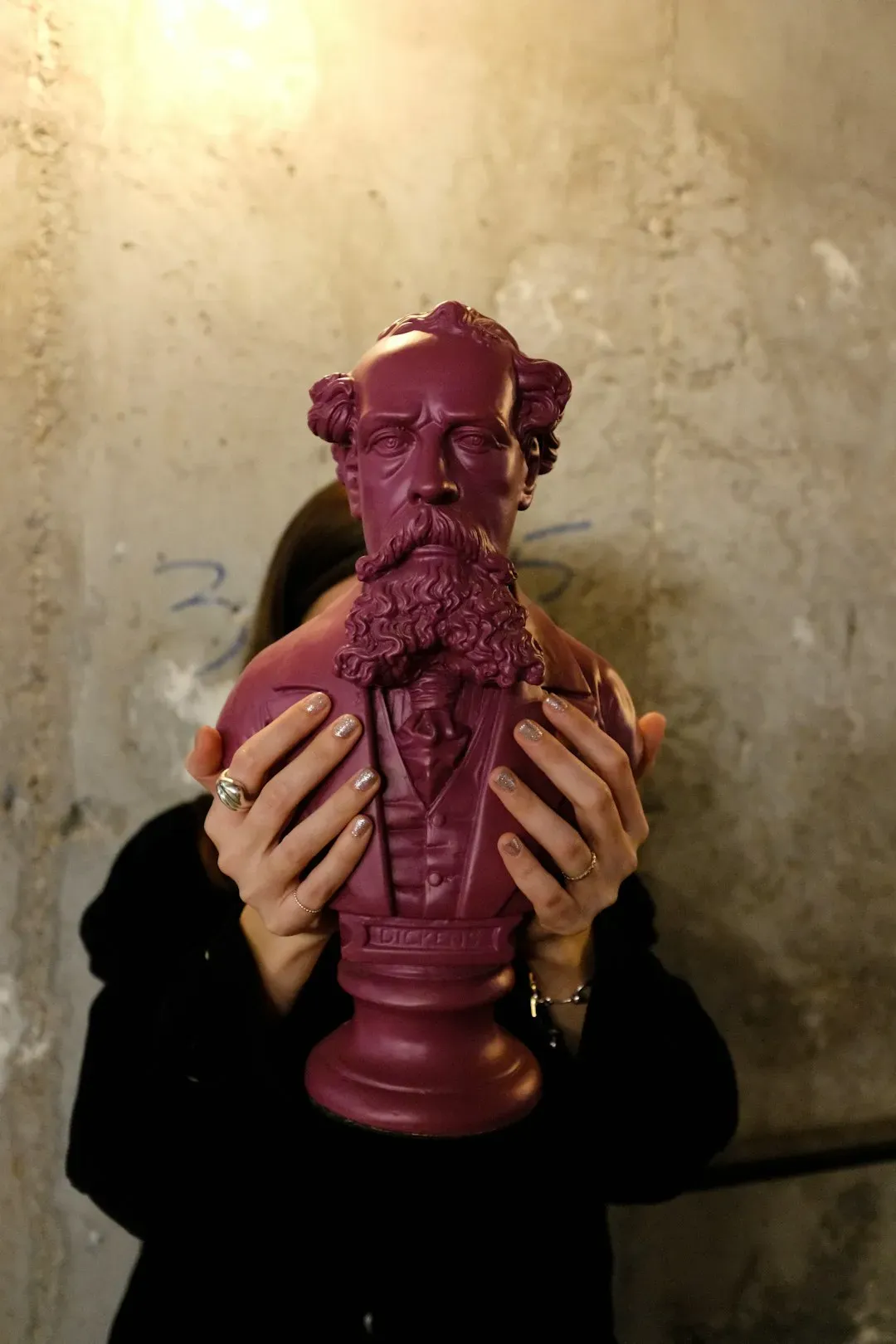
Yes, Dickens makes the list again. Let’s be real, he practically owned serialized fiction. Charles Dickens published all of his novels, including Great Expectations and Little Dorrit, in serial form first. He went on to edit several literary magazines and even publish his own literary magazine, All the Year Round, which featured many serial novels that are now famous.
The installment format allowed Dickens to evaluate his audience’s reaction, and he often modified his plot and character development based on such feedback. For example, when his wife’s podiatrist expressed distress at the way Miss Mowcher in David Copperfield seemed to reflect her own disabilities, Dickens improved the character with positive features. Essentially, Dickens was crowdsourcing character development long before social media made that a thing.
His novels, most of them published in monthly or weekly instalments, pioneered the serial publication of narrative fiction, which became the dominant Victorian mode for novel publication. Cliffhanger endings in his serial publications kept readers in suspense. Great Expectations, with its shocking plot twists around Pip’s benefactor, is a perfect example of that craft in action.
The Woman in White by Wilkie Collins (1859)
Wilkie Collins was not just a passenger on the serialization train. He helped drive it. One of the first ghost and detective novels, The Woman in White was in 1859 in Dickens’ magazine All the Year Round. It ran in the same publication as some of Dickens’s own work, which tells you something about its quality and its audience.
Some serial novels, like The Woman in White by Wilkie Collins, were written specifically for that format. Collins understood the rhythm of installment fiction instinctively. Each section ended on a note of tension or mystery that made waiting for the next one genuinely difficult. Readers reportedly wrote letters demanding to know what happened next.
Other famous writers who wrote serial literature for popular magazines were Wilkie Collins, inventor of the detective novel with The Moonstone; Anthony Trollope, many of whose novels were published in serial form in Cornhill magazine; and Sir Arthur Conan Doyle, who created the Sherlock Holmes stories originally for serialisation in The Strand magazine. Collins was in extraordinary company, and he earned his place among them.
Crime and Punishment by Fyodor Dostoevsky (1866)
I know it sounds crazy, but one of the most intense psychological novels ever written was first experienced by Russian readers in monthly magazine installments. Both Leo Tolstoy’s Anna Karenina and Fyodor Dostoevsky’s Crime and Punishment were originally published in a Russian literary journal called ‘The Russian Messenger.’ The journal was published in the 19th and early 20th centuries in Russia, and the journal serialized many of the most famous works of Tolstoy, Dostoevsky, Ivan Turgenev, and Nikolai Leskov, among others.
The practice spread across Europe and into the Americas, where daily, weekly, and monthly periodicals saw the first publication of Harriet Beecher Stowe’s Uncle Tom’s Cabin (1852), and Fyodor Dostoevsky’s The Brothers Karamazov (1880) and Crime and Punishment (1866), as well as countless others. The Russian literary world embraced serialization just as enthusiastically as its British and French counterparts.
Imagine reading Raskolnikov’s tortured internal monologue in monthly doses, then waiting weeks for the next chapter. It must have been a genuinely unsettling experience. Dostoevsky’s talent for suspense was almost perfectly suited to a format that made readers wait and worry. That tension was baked into every installment by design.
Anna Karenina by Leo Tolstoy (1875)
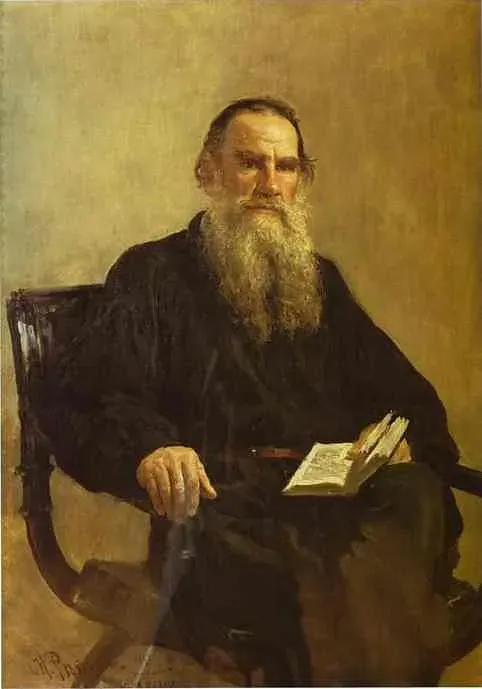
Tolstoy himself called this his first true novel, and it arrived the same way so many great 19th-century works did, in pieces. Anna Karenina is a novel, first published in book form in 1878, by the Russian author Leo Tolstoy. Often considered to be among the greatest works of world literature, Tolstoy himself called it his first true novel. It was initially released in serial installments from 1875 to 1877, all but the last part appearing in the periodical The Russian Messenger.
By the time he was finishing up the last installments, Tolstoy was in an anguished state of mind having come to hate it but finished it unwillingly. There is something deeply human about that. Even a genius can grow exhausted by his own creation, especially when he’s been writing it in public, under pressure, month after month.
Instead of being read in a single volume, a novel would often be consumed by readers in installments over a period as long as a year, with the authors and periodicals often responding to audience reaction. For Anna Karenina, that meant Russian readers lived with Anna’s tragedy for years before they ever held the complete story in their hands. In a strange way, that slow unfolding may have made the emotional impact even more powerful.
The Broader World of Serial Publishing
Serialised fiction surged in popularity during Britain’s Victorian era, due to a combination of the rise of literacy, technological advances in printing, and improved economics of distribution. Most Victorian novels first appeared as installments in monthly or weekly periodicals. It was not just a niche trend. It was the dominant form of literary culture for nearly a century.
Publishing works in serialized form gave authors a much wider readership since even poorer readers could afford short volumes. Publishers of course enjoyed the corresponding greater profits. The economics made sense for everyone involved. Writers got paid regularly, publishers reduced their financial risk, and readers got literature they could actually afford.
For the latter half of the 19th century and well into the 20th century, serialization was a legitimate and even preferred method for publishing a novel. Indeed, for much of the Victorian era, a novel was seen as “lesser” if it couldn’t secure a spot in one of the popular magazines and had to be published as a book first. That’s a complete reversal of how most people think about book publishing today.
Why Serialization Still Matters Today
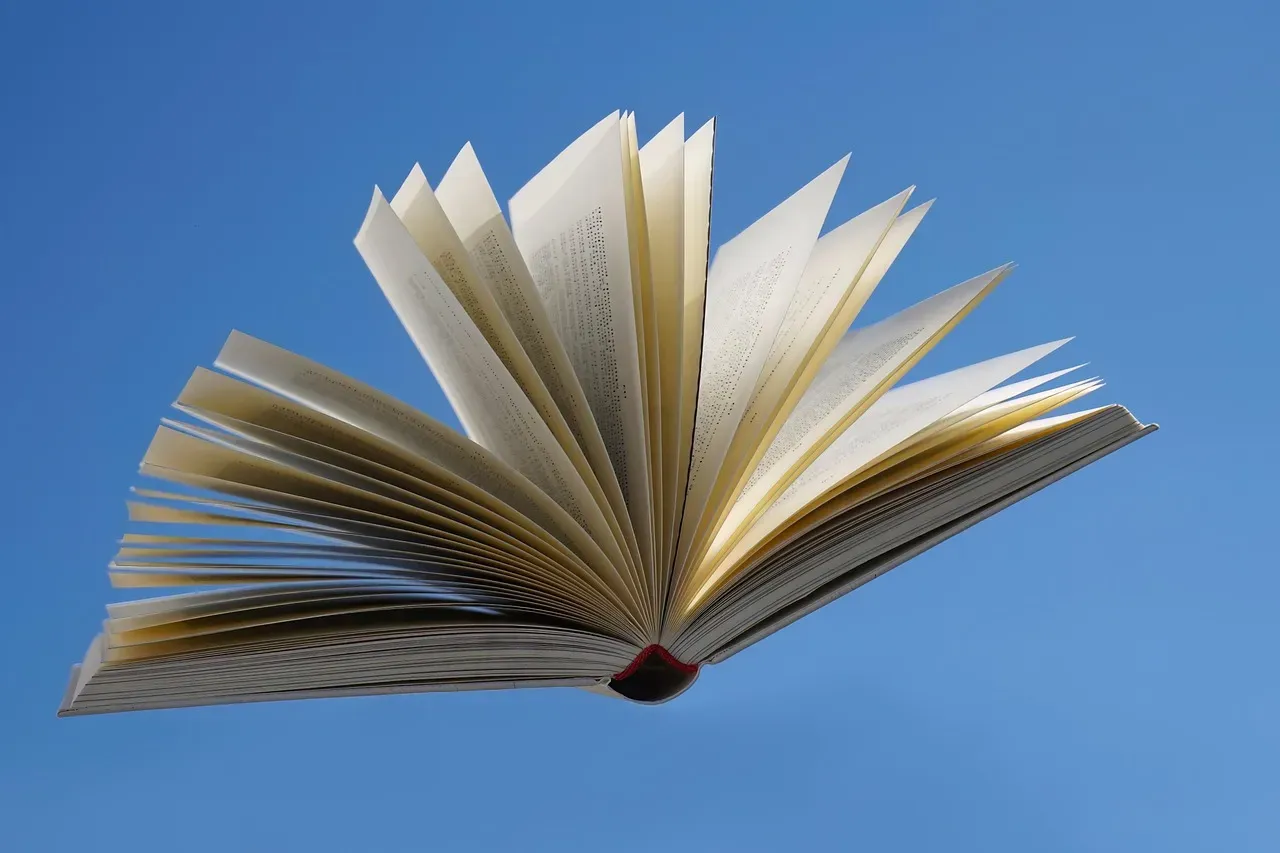
The echoes of the serialized novel are everywhere in modern culture. At the helm in popularising cliffhangers and serial publications in Victorian literature, Dickens’s influence can also be seen in television soap operas and film series. Every season finale cliffhanger you’ve ever shouted at owes something to that Victorian publishing tradition.
Over the past few years, there has seemed to be a growing consensus that the serial novel is making, or is soon due to make, a comeback. It does seem inevitable that there will be more successful cases as publishing moves from centralized traditional publishing houses to self-publishing, especially online. Moreover, the growth of online literary magazines and sequential publishing platforms like Wattpad will almost certainly increase the interest in and availability of serial literature.
The novels on this list were not just great stories. They were cultural events, arriving in installments that people debated, discussed, and eagerly anticipated. Today, we binge-watch entire series in a single weekend and often lose that feeling of shared anticipation. There is something the serialized novel offered that is genuinely hard to replicate. What do you think? Would you read a great novel one chapter per month if it meant sharing the experience with the world in real time?