Scrolling through Airbnb listings can feel a little like reading a real estate brochure written by a very optimistic person on their best day. Everything is “charming.” Everything is “vibrant.” Every location is somehow both “tranquil” and “close to everything.” Honestly, it’s an art form, and not always in a good way.
The truth is, listing language has become its own dialect. Hosts who know their neighborhood has a noise problem have learned, consciously or not, to dress it up in words that sound appealing rather than alarming. And for unsuspecting guests, that gap between the listing and the reality can mean lying awake at 2 a.m. while a bar empties out beneath the window. Let’s dive in.
Why Noise Is the #1 Airbnb Complaint in the First Place

Industry research consistently shows that short-term rental neighbors worry about one thing more than any other: noise. Neighbor concern about noise ranks higher than concerns about parking, trash, smoking, or general safety. That’s a remarkable stat, and it tells you something important about the scale of the problem.
Noise is one of the most frequent and challenging complaints related to short-term rentals. Unlike traditional long-term tenants, short-term Airbnb guests are often on vacation and may not be as mindful of their noise levels. It’s not necessarily malicious. It’s just that vacation mode and residential neighborhood norms don’t always mix.
Surprise fees, misleading photos, last-minute cancellations, and stricter house rules are increasingly common complaints on the platform. Noise-related disappointment sits right alongside these as a consistent sore point. And it almost always starts with the listing language itself.
“The Neighborhood Is Vibrant and Full of Character”
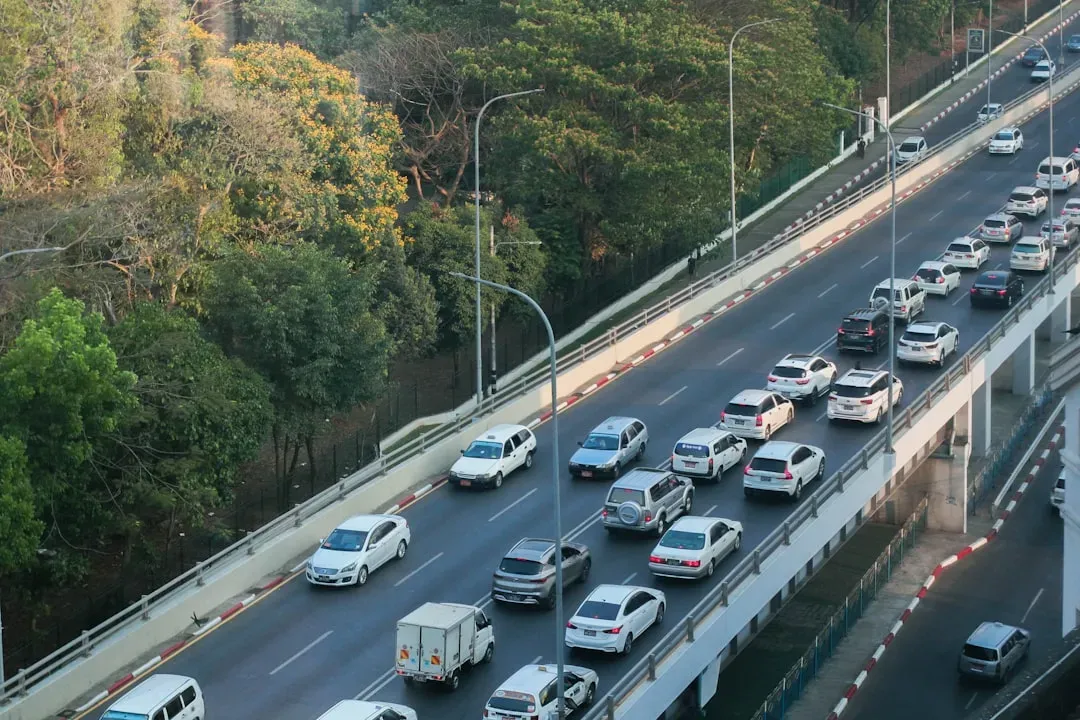
This one might be the most famous offender on the list. It sounds warm, inviting, almost like a travel magazine spread. Phrases like “the neighborhood is vibrant and full of character” usually mean it’s loud and a little rough around the edges. Think: weekend crowds, bass-heavy music from nearby venues, and delivery trucks at all hours.
“Vibrant” is essentially code for active, busy, and full of people who are not thinking about your sleep schedule. The word “character” is doing a lot of heavy lifting too. It can mean beautiful old architecture, or it can mean a block that has seen better days with a dive bar on every corner. You really don’t know until you arrive.
Here’s what to do: search the specific street address on Google Maps, switch to Street View, and see what businesses are within a hundred meters. If you spot multiple restaurants, bars, or live music venues, take the “vibrant” label at face value, and not in a good way.
“Centrally Located” Without Naming the Actual Neighborhood

When a host writes “centrally located” without naming the actual district or neighborhood, it’s time to switch to Google Maps and start investigating. Genuine central locations in desirable, quiet parts of a city don’t need vague branding. A host who’s proud of the location names the neighborhood specifically.
One traveler experienced this firsthand: a place described as a “lively neighborhood in Lisbon” turned out to be directly above a street of bars that raged until 4 a.m. every single night. “Centrally located” was the polite version of “above the city’s loudest nightlife strip.”
The best listings get specific: they’ll tell you the neighborhood name, mention actual landmarks, and maybe even note the walking time to the nearest grocery store. When that specificity is missing, ask why. The answer is often uncomfortable.
“Steps From Restaurants, Bars, and Nightlife”
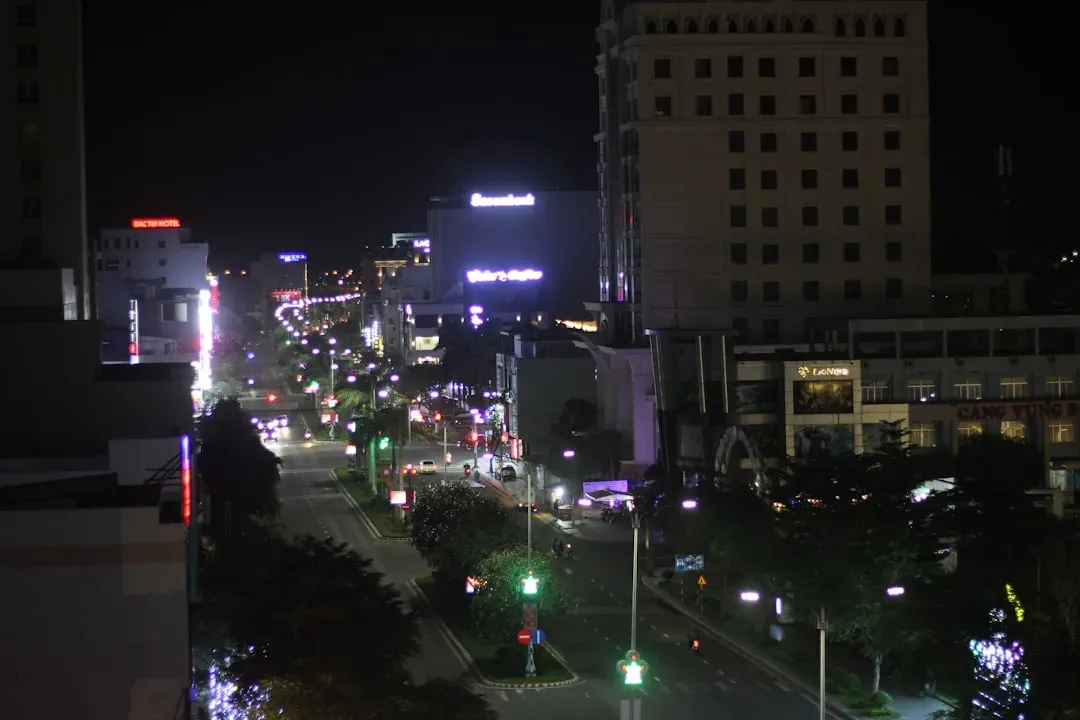
Let’s be real, this phrase is practically admitting the noise problem in plain sight. Being steps from nightlife sounds exciting for about the first two hours of your first evening. After that, it means you’re sleeping next to a place where people are still very much awake and celebrating at midnight.
Parties, late-night conversations and check-ins, loud music, and even the movement of luggage can create disturbances that disrupt the peace of the neighborhood. Now imagine that same energy is being generated externally from the street below your window every night of the week.
The listing is not lying, technically. You really are close to bars and restaurants. What it does not tell you is the sound those establishments produce once the sun goes down. Think of it this way: a hotel next to an airport will tell you it’s “convenient for travelers,” not “directly under the flight path.” Same logic, different industry.
“Occasional Street Noise” or “Some Urban Sounds”
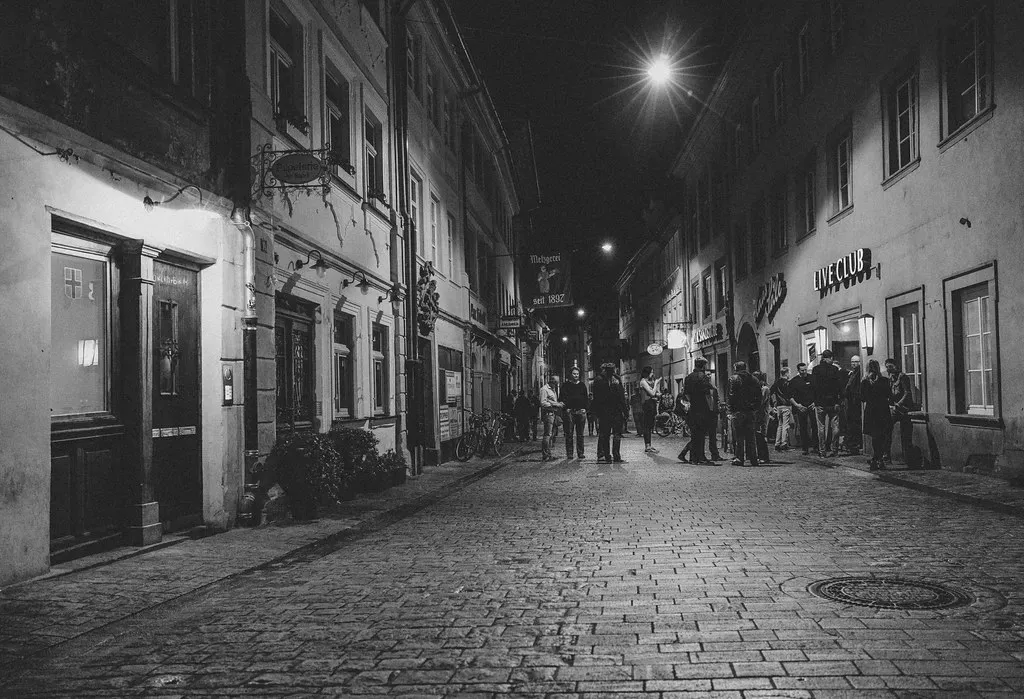
This is a confession hiding behind casual adjectives. “Occasional” is the most subjective word in the English language when it comes to Airbnb listings. One traveler booked a “cozy city flat with occasional street noise,” and that “occasional” turned out to be a 24-hour bus stop directly below the window. The host knew, of course, but dressed it up with gentle adjectives to make it sound charming instead of annoying.
Any host who voluntarily mentions noise in the listing description is implicitly telling you the noise is frequent enough to be worth mentioning. Think about that. They only disclosed it because they’ve heard complaints about it before. The more a host preemptively explains something away, the more likely it’s a recurring issue.
The real translation of “some urban sounds” is: guests have complained, reviews have mentioned it, and the host is now trying to get ahead of it in the listing copy. It does not mean a gentle hum of city life. It means audible noise that will affect your stay.
“Perfect for Those Who Love Urban Living”
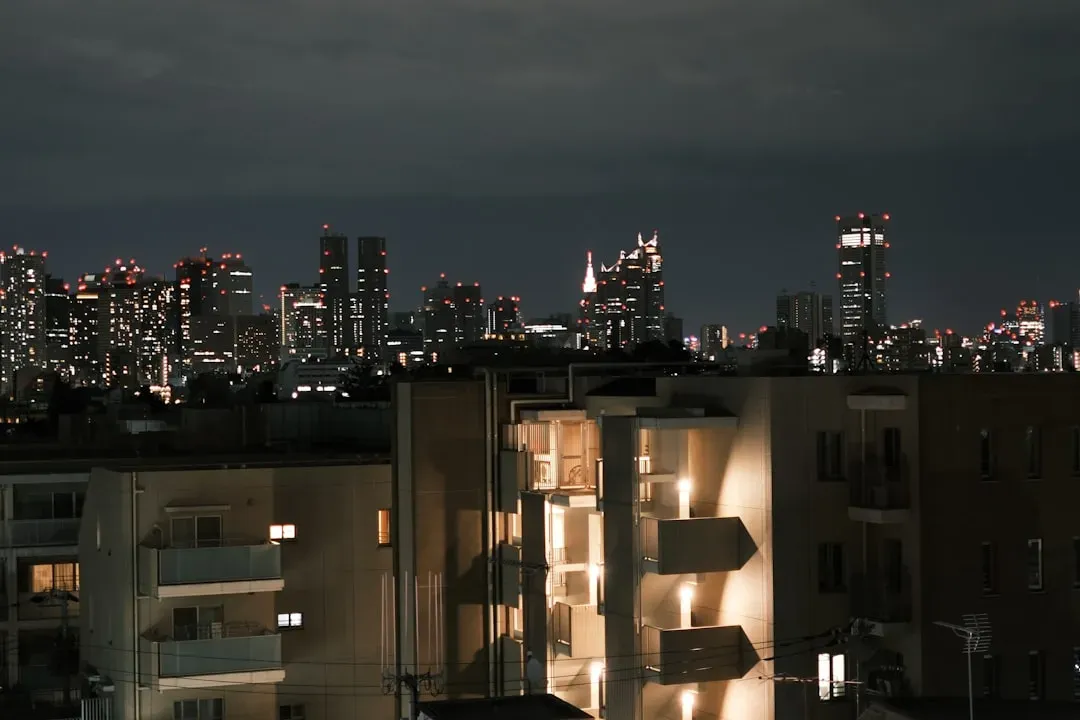
This phrase is doing something a little cleverer than the others. It flips the noise issue into a personality trait, making you feel like a failure of taste if you find the noise bothersome. It subtly suggests that if you’re bothered by the racket, the problem is you, not the location.
Partner offer
If the tone feels overly defensive, like the host is bracing for criticism, it’s usually because they’ve heard it before. “Perfect for those who love urban living” is a pre-emptive defense mechanism. It’s the host saying, quietly, “please only book if noise doesn’t bother you.”
It’s a smart copywriting trick, honestly. But once you recognize it, you can’t unsee it. Swap out “urban living” for the specific reality, and the phrase would read: “perfect for those who don’t need sleep before midnight.” A very different promise.
“Lively Area” or “Great Atmosphere”
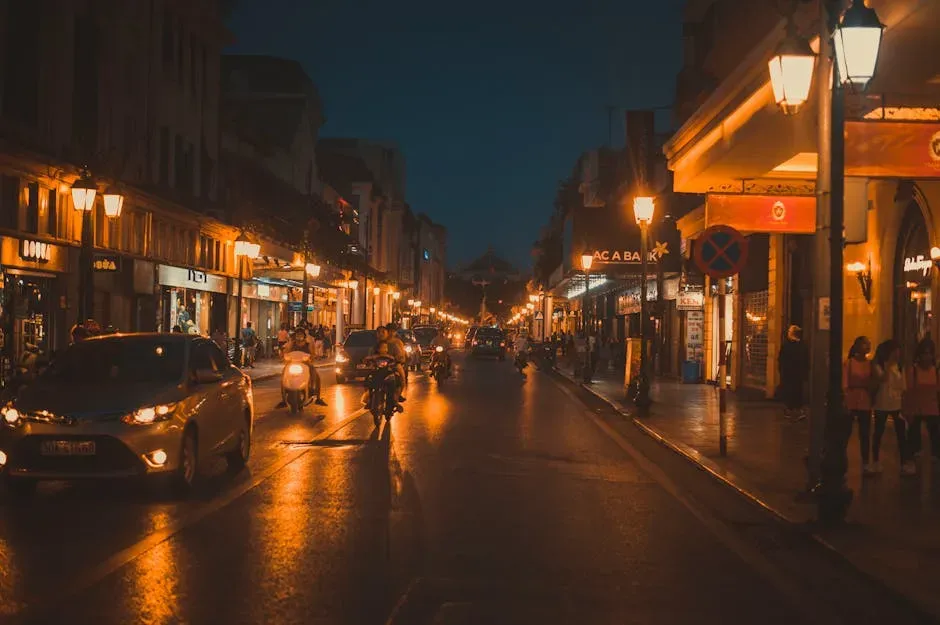
“Lively” is almost always a noise warning. It describes a place where things are happening, which sounds exciting in a travel context but often translates to construction crews at 7 a.m., bar crowds at 1 a.m., and street markets on Saturday morning directly outside your window. Phrases like “full of character” signal preemptive excuses from hosts who know what’s coming.
A “great atmosphere” is similarly vague in a telling way. Atmosphere is created by people, activity, and sound. A listing that leans heavily on “atmosphere” descriptors and very lightly on specifics about the property and its sound insulation is worth scrutinizing closely. Photos are another critical filter. Experts suggest treating images the way real estate professionals do: as marketing, not documentation.
Look at the listing photos alongside these phrases. If the description says “quiet residential neighborhood” but the photos show bars on the windows and a neon-lit restaurant sign in the background, trust what you see. The imagery almost always tells a more honest story than the text ever will.
The “Overstuffed” Listing: A Noise Risk in Its Own Right
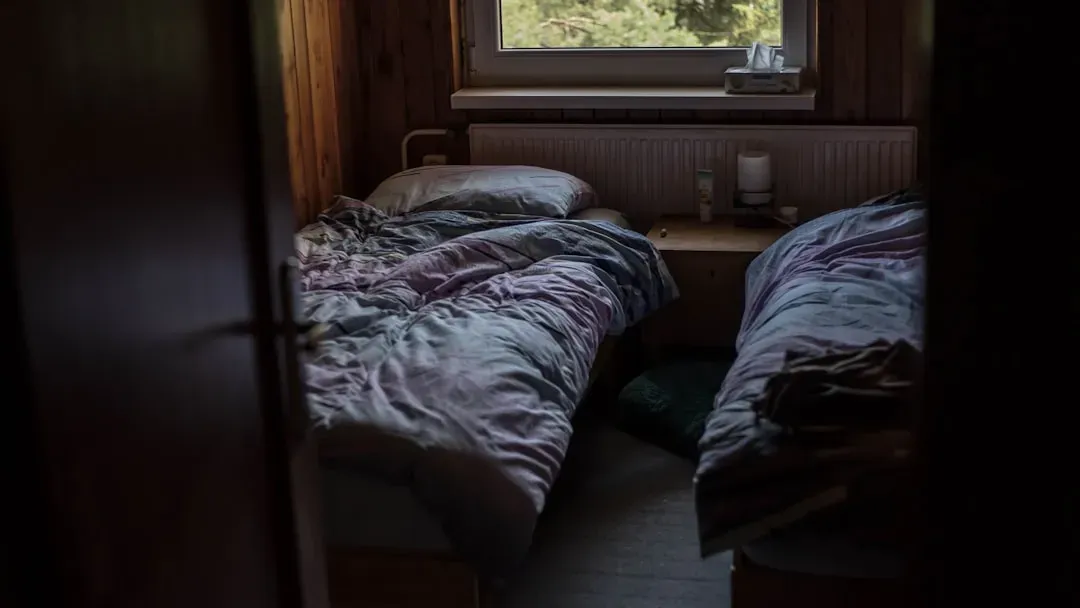
Beyond specific phrases, the physical setup of an Airbnb can be a noise red flag all by itself. A room with three bunk beds, two futons, and a trundle is a red flag. Overstuffing bedrooms is a common tactic for party rentals or profit-maximizing hosts. These places tend to see heavy turnover, minimal upkeep, and noise complaints.
Properties designed to accommodate large groups are magnets for loud gatherings, even if parties are technically banned on the platform. Research found that noise complaints increased in areas where Airbnb rentals housed larger groups of guests. Noise complaints also increased in areas farther from tourist attractions, where guests spend more time inside apartments.
It’s a detail most guests overlook entirely. If the property can sleep ten people but is priced like a two-bedroom, someone is betting that a rotating cast of large groups will generate revenue, and noise tends to follow large groups wherever they go.
What the Reviews Are Really Telling You

Here’s the thing about Airbnb reviews: noise problems are hiding in plain sight if you know how to read them. Reviews remain the most powerful tool for predicting a stay’s quality, but they require nuanced reading. Long strings of short, generic compliments might indicate that negative experiences are going unreported. Detailed feedback that mentions cleanliness, noise, accuracy of the listing, and responsiveness of the host is more useful.
One approach: read the three-star reviews first, then look at what the five-star reviews actually praise. If multiple glowing reviews mention how “accommodating” the host was or how they “worked with us to solve issues,” something needed solving. That “something” is frequently noise or a discrepancy between the listing description and the reality on the ground.
Also pay close attention to reviews that mention words like “earplugs,” “white noise machine,” “light sleeper,” or “early riser.” Guests rarely mention these things unless they felt they needed them. That’s about as honest a noise warning as you’re going to get in a public review.
How to Actually Protect Yourself Before You Book
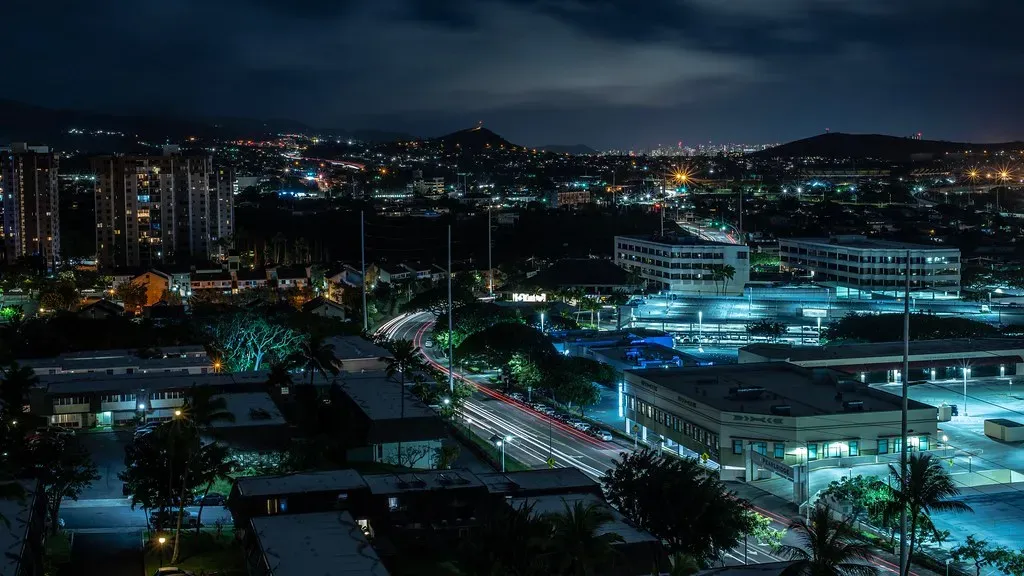
The good news: there are concrete things you can do. Message the host directly and ask a specific question: “Is there any street noise at night, and would you recommend earplugs for light sleepers?” A host who gives a thoughtful, honest answer is a green flag. A vague deflection is not.
A lack of neighborhood shots in the listing photos can signal undesirable surroundings. Zoom into any exterior photo that does appear and look for bars, clubs, bus stops, or major roads in the background. These details are almost never accidental. Watch for red flags such as photos that are heavily filtered, cropped to avoid showing street context, or that rely almost entirely on close-ups of décor rather than wide shots.
With new regulations and policy updates rolling out in 2024 and 2025, guests now face a shifting landscape where doing a little extra homework can make the difference between a dream trip and an Airbnb fail. Cross-referencing the listing address with Google Maps, local neighborhood forums, and even social media can reveal the truth that listing language works hard to obscure. A little research before booking beats a sleepless night after.
Conclusion: Trust the Language, Not the Spin

Listing phrases are rarely random. Every word a host chooses is a small decision about what to emphasize and, just as importantly, what to soften. “Vibrant,” “lively,” “centrally located,” “occasional street noise,” and “perfect for urban lovers” are not neutral descriptions. They are, in many cases, politely worded noise warnings.
After hundreds of stays, it becomes clear that most bad Airbnbs don’t look bad at first glance. The red flags are subtle: the defensive wording, the missing photo, the too-good-to-be-true deal. Once you learn to read between the lines, they start jumping out immediately.
Next time you’re browsing a listing and something feels slightly too enthusiastic about the “atmosphere” or oddly vague about the “location,” pause. Re-read the description with this guide in mind. The words are telling you something. The question is whether you’re listening before you book. What phrase almost fooled you? Let us know in the comments.
Partner offer
Planning a trip to Vegas?
Compare hotel rates and show tickets on VEGAS.com.