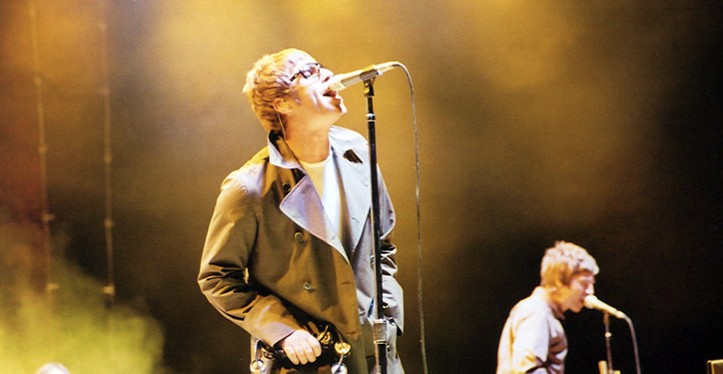
Every artist has to start somewhere, and first albums have a strange way of revealing exactly what a band or singer is capable of, sometimes before they’ve figured it out themselves. Some debuts age like a rough sketch that hints at greatness to come, while others land so fully formed that everything after feels like a footnote. This list looks at eight influential debut albums and ranks them from the shakiest to the ones that changed music entirely, weighing original reception against how they’ve held up decades later.
8. Pablo Honey – Radiohead (1993)

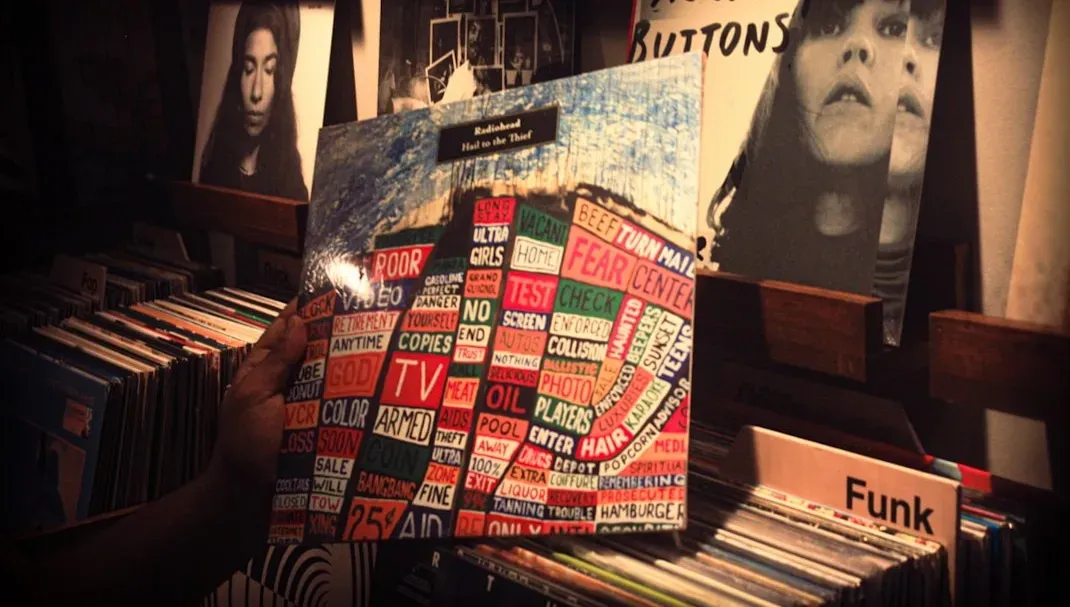
Radiohead’s first album gets unfairly reduced to “the one with Creep” by people who never sat through the rest of it, and honestly, that reputation isn’t entirely undeserved. The band themselves have been openly uneasy about it over the years, and the record does sound like a group still finding its footing within early nineties alternative rock conventions rather than inventing anything new. Tracks like “Anyone Can Play Guitar” and “Stop Whispering” show flashes of the melodic instinct that would later define OK Computer, but the production feels thin and the songwriting hasn’t yet found its own voice.
What keeps Pablo Honey from ranking dead last on most critical lists is simply the scale of what came after. Because Radiohead eventually became one of the most acclaimed bands in rock history, their debut gets studied as an origin story rather than judged purely on its own terms. It’s a decent, occasionally excellent alternative rock record from 1993 that happens to belong to a band who would spend the rest of the decade rewriting the rules.
7. Bleach – Nirvana (1989)

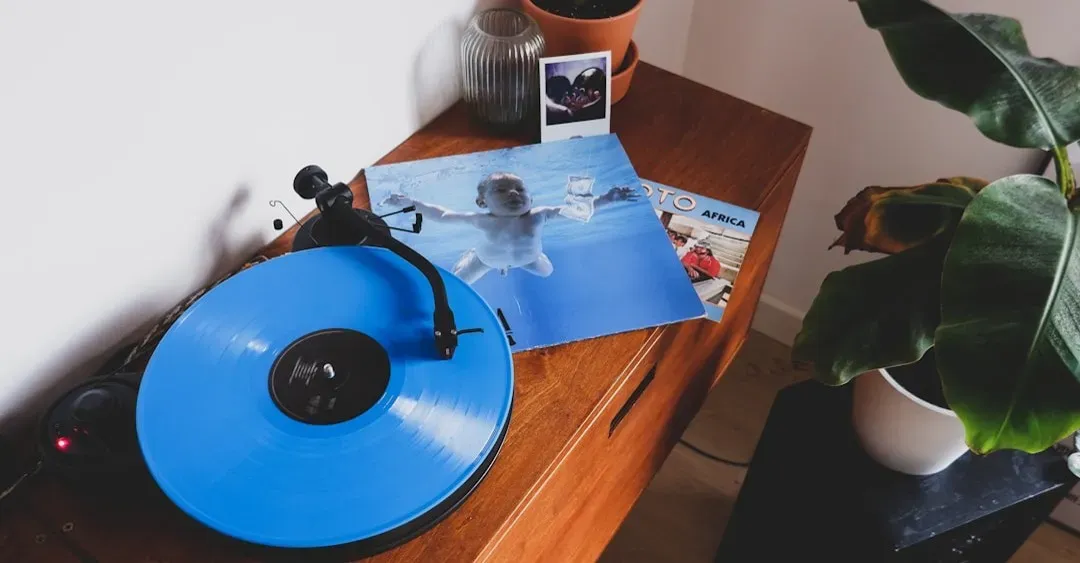
Recorded for a famously tiny budget on Sub Pop, Bleach is heavier, sludgier, and far less polished than the album that made Nirvana famous two years later. Kurt Cobain’s songwriting instincts are already visible in tracks like “About a Girl,” a comparatively melodic outlier on an otherwise grunge and Black Sabbath influenced record. Most of the album, though, leans into slow, distorted riffs that owe more to the Melvins than to the pop hooks Cobain would soon become known for.
Bleach matters historically because it captures the Seattle sound before it had a commercial ceiling, back when Sub Pop was still a scrappy regional label rather than a launching pad for a cultural shift. It’s a rawer, less accessible listen than Nevermind, and even devoted fans tend to treat it as a formative document rather than a favorite. Still, its influence on the Pacific Northwest scene of the late eighties is hard to overstate.
6. Boston – Boston (1976)

Tom Scholz spent years perfecting the sound of this album in his own home studio, layering guitars with an engineer’s obsessiveness that gave Boston a sonic polish almost unheard of for a debut rock record in the mid seventies. Songs like “More Than a Feeling” and “Peace of Mind” became immediate arena rock staples, built on soaring harmonies and guitar tones that other bands spent years trying to replicate. It remains one of the best selling debut albums in American music history, a fact that still surprises people who assume it was a slow build rather than an instant phenomenon.
What keeps Boston from climbing higher on this list is a certain sameness across the record, a formula that works brilliantly in small doses but starts to feel repetitive by the album’s back half. It’s less an artistic statement than a technical showcase, arena rock built with the precision of an engineer rather than the spontaneity of a garage band. That said, few debuts have ever sounded this immediately radio ready.
5. Definitely Maybe – Oasis (1994)
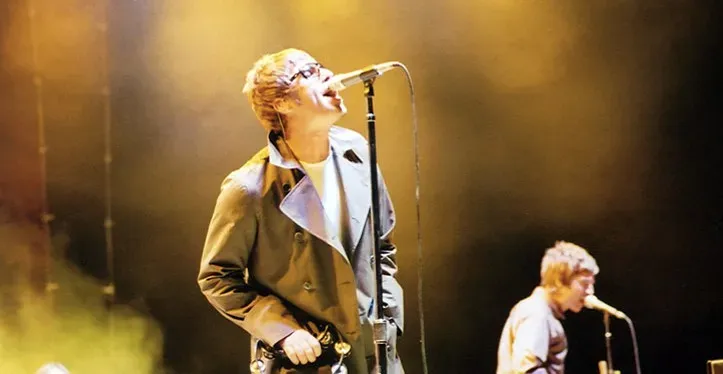
There’s a swagger running through Definitely Maybe that few debut albums manage to pull off without sounding forced. Noel Gallagher’s songwriting on tracks like “Live Forever” and “Rock ‘n’ Roll Star” channels classic British rock influences into something that felt genuinely new in the middle of the Britpop boom, while Liam Gallagher’s snarling delivery gave the songs an attitude that matched the melodies. The album became the fastest selling debut in UK chart history at the time of its release, a milestone that says as much about the cultural moment as it does about the music itself.
Some of the album’s rougher edges, the slightly murky production and occasional filler track, keep it just shy of the all time greats. But those imperfections are also part of its charm, giving it a scrappy energy that the band’s later, more polished records sometimes lacked. Three decades on, it still sounds like a band absolutely certain they were about to take over the world, and for a while, they did.
4. Is This It – The Strokes (2001)


Arriving just months before the September 11 attacks reshaped American culture, Is This It landed at an odd cultural crossroads and somehow became one of the defining rock albums of the early 2000s anyway. Julian Casablancas’s detached, slightly bored vocal delivery paired with tight, economical guitar interplay gave the record a coolness that felt deliberately unfashionable compared to the nu metal and pop dominating radio at the time. Tracks like “Last Nite” and “Someday” run under three minutes each, a discipline that made the whole album feel lean rather than padded.
Critics have credited the record with kickstarting a garage rock revival that pulled guitar music away from both mainstream pop and post grunge excess. The band’s American cover art was actually swapped out before release due to its original imagery, a small but telling example of how carefully the group’s image was managed even at the outset. More than two decades later, the album’s influence on indie rock production and songwriting is still frequently cited by younger bands.
3. The Stone Roses – The Stone Roses (1989)

Few debut albums have shaped a genre as thoroughly as this one shaped what became known as Madchester and the broader baggy movement of the late eighties. Ian Brown’s languid vocals floating over John Squire’s shimmering, almost psychedelic guitar work created a sound that bridged indie rock and dance culture at a moment when those two worlds rarely intersected. “I Am the Resurrection” and “She Bangs the Drums” remain touchstones for British guitar music, songs that still sound remarkably fresh despite being nearly four decades old.
The album’s influence stretches well beyond its initial commercial performance, which was respectable but hardly explosive at the time. Bands from Oasis to Kasabian have cited it as a direct blueprint, and it regularly appears near the top of British music publications’ lists of the greatest albums ever made. It’s a rare debut that feels less like an introduction and more like a fully realized artistic statement.
2. Appetite for Destruction – Guns N’ Roses (1987)

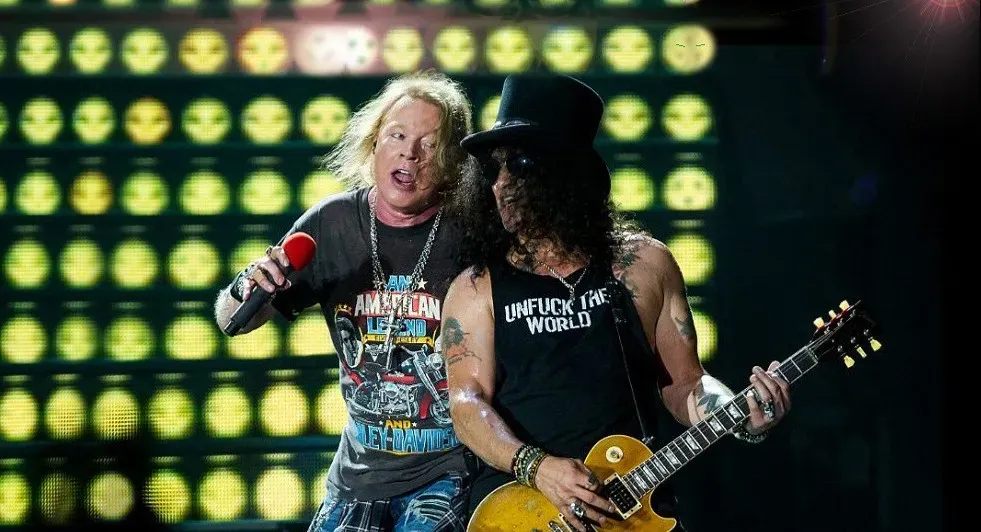
Appetite for Destruction is the debut studio album by American hard rock band Guns N’ Roses, released on July 21, 1987, by Geffen Records. The album barely registered on release, and it took nearly a year of touring and MTV support before “Welcome to the Jungle,” “Sweet Child o’ Mine,” and “Paradise City” turned it into a phenomenon. Once it caught on, it never really let go, eventually becoming the best selling debut album in United States chart history and one of the best selling albums of all time worldwide.
The record’s staying power comes down to a combination that’s hard to fake: genuine menace in Axl Rose’s vocal delivery, technically brilliant guitar work from Slash, and songwriting that balanced hard rock aggression with surprisingly sturdy melodic structure. As of recent RIAA figures, the album has been certified for sales in excess of eighteen million copies in the United States alone, with worldwide sales reportedly surpassing twenty eight million. Very few bands have ever opened their careers with a record this immediately dangerous sounding and this durable commercially.
1. The Velvet Underground & Nico – The Velvet Underground and Nico (1967)

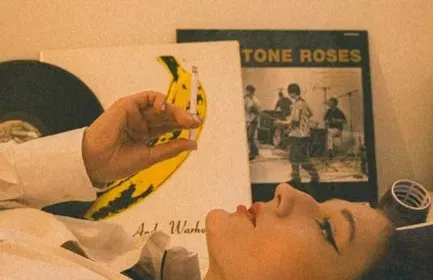
No debut album on this list did less commercially at the time and more artistically in the decades since than this one. The Velvet Underground & Nico initially sold only around 30,000 copies in its first five years and barely reached the bottom of the charts, a commercial failure by almost any standard of 1967. Andy Warhol’s involvement as producer and cover designer gave the record a certain downtown New York cachet, but songs about heroin addiction and sadomasochism were never going to top the pop charts in the Summer of Love.
What makes it the best debut on this list is simply how far ahead of its time it turned out to be. Lou Reed’s songwriting on tracks like “Heroin” and “I’m Waiting for the Man” pioneered a lyrical directness that punk and alternative rock would spend the next two decades catching up to. Following Lou Reed’s death in 2013, the album experienced a resurgence, finally charting properly in the UK and reminding a new generation why musicians have quietly credited it as a foundational text for everything from punk to art rock to indie music.
Ranking debut albums always involves some subjectivity, since a record that sounds thin on release can end up shaping decades of music, and a technically flawless one can still feel oddly forgettable. What these eight share, despite sitting at opposite ends of this list, is that each one captured an artist at a genuine turning point, before reputation or expectation had a chance to get in the way.