Not all of Las Vegas is created equal. Behind the neon lights and the glamour of the Strip, the valley’s neighborhoods tell very different stories – and your ZIP code can make all the difference between a quiet suburban evening and a genuinely risky situation.
If you’ve ever wondered whether your neighborhood is truly as safe as it feels, you might be in for a surprise. The data, drawn from official sources including the Las Vegas Metropolitan Police Department (LVMPD) and FBI crime reports, reveals a city of sharp contrasts. Let’s dive in.
The Big Picture: Las Vegas Is Riskier Than Most U.S. Cities


Before zooming into individual ZIP codes, it’s worth understanding the backdrop. With a crime rate of 32 per one thousand residents, Las Vegas has one of the highest crime rates in America compared to all communities of all sizes. That’s a sobering place to start.
The overall property crime rate stands at roughly 2,918 crimes per 100,000 people, which is over 22 percent higher than the state average and nearly 50 percent higher than the national average. Property crime, in particular, is where the city really stands out from the rest of the country.
The 2024 crime rate in Las Vegas registers a city-data crime index of 279, which was higher than in nearly 87 percent of U.S. cities. Honestly, those numbers put things in perspective fast.
ZIP Code 89109 (The Strip): The Most Reported Crimes in the Entire Valley

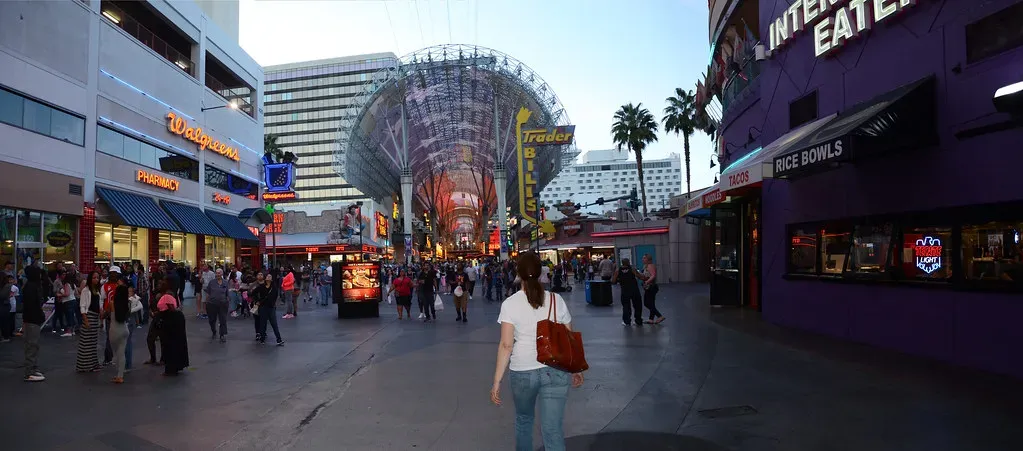
Here’s a fact that surprises almost everyone. ZIP code 89109, which incorporates a large portion of the Strip along with some residential areas, is the ZIP code with the most reported crimes for the Las Vegas Metropolitan Police – with about 5,000 more cases investigated there than in any other area officers patrol in the valley.
Data from the Las Vegas Convention and Visitors Authority shows over 40 million people visited the area in 2024. With that kind of foot traffic, the sheer volume of crimes is somewhat expected. A lot of this crime is concentrated around the Strip, where criminals know people are leaving their belongings unattended.
The good news? Crimes against people – which include homicide, kidnapping, and various other offenses – were down nearly 16 percent in 2025 compared to the prior year, and crimes against property were down just over 15 percent. So while 89109 is still the volume leader, the trend is heading in the right direction.
ZIP Code 89101 (Downtown Las Vegas): Violent Crime Far Above the National Average


Located in the heart of Las Vegas, ZIP code 89101 has a reputation for being a high-crime area, with a violent crime rate of 72.3 – more than three times the national average of 22.7 – meaning residents are significantly more likely to experience crimes such as assault, robbery, and homicide.
CrimeGrade.org gives 89101 an F grade, indicating that the rate of crime is much higher than that of the average U.S. ZIP code, and it ranks in just the 5th percentile for safety – safer than only 5 percent of ZIP codes nationwide. That is about as low as it gets.
Your chance of being a victim of crime in 89101 varies by area, ranging from 1 in 6 in the western sections to 1 in 21 in the northeast. The gap within a single ZIP code is staggering. Think of it like two completely different neighborhoods sharing the same postal address.
ZIP Code 89030 (North Las Vegas): Drug Crime and Sky-High Crime Costs


In ZIP code 89030, drug and narcotic violations lead the crime statistics – which tells you a lot about the underlying challenges this community faces. It’s not just a crime problem; it’s a public health crisis wearing a crime label.
CrimeGrade assigns 89030 a D- grade, indicating that crime is much higher than the average U.S. ZIP code, and it ranks in just the 9th percentile for safety. Projected crime costs in 89030 translate to approximately $1,224 per resident and $4,364 per household annually, accounting for roughly 6.5 percent of the median household income.
Your chance of being a victim of crime in 89030 varies by area – ranging from 1 in 13 in the central areas to 1 in 27 in the northwest. The northwest pocket of this ZIP actually offers noticeably better safety odds, which is something residents there should know.
Partner offer

ZIP Code 89115 (Northeast Las Vegas): Aggravated Assault Hotspot

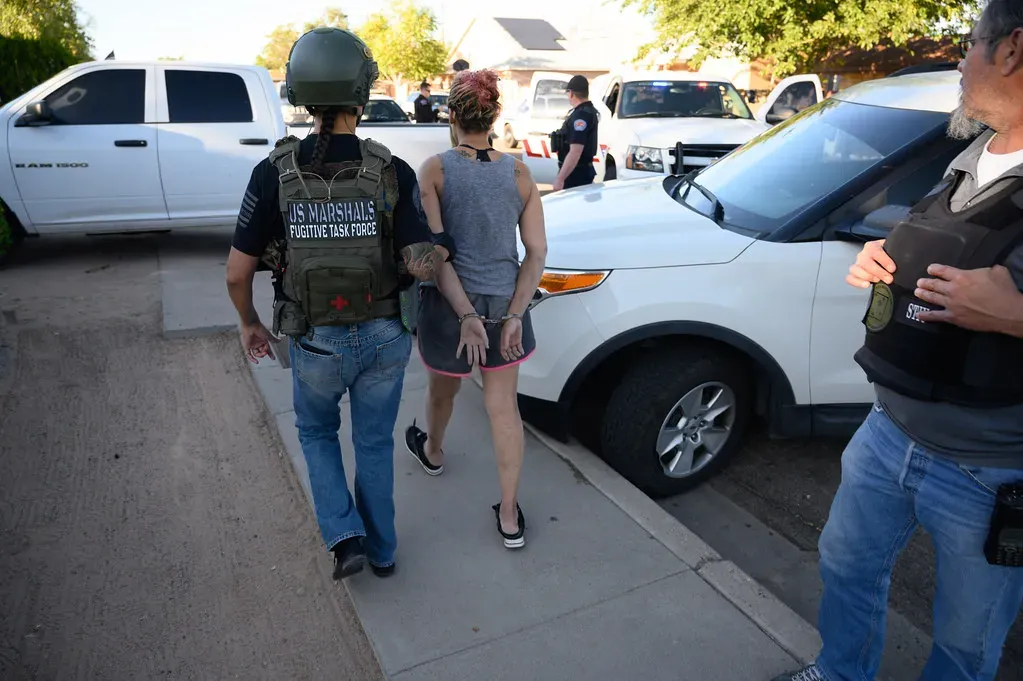
ZIP code 89115 stands out for a particularly troubling reason – aggravated assault tops its crime list with 425 reported incidents. That makes it one of the most physically dangerous areas in the entire valley, not just in terms of statistics but in terms of day-to-day street-level risk.
The far northeast Las Vegas valley area covered by 89115 recorded the most aggravated assaults in LVMPD’s jurisdiction. Violent crime isn’t just more frequent here; it tends to be more severe. This is a community that, let’s be real, has been underserved for a long time.
ZIP Code 89119 (Near Harry Reid International Airport): Burglary Capital of the Valley

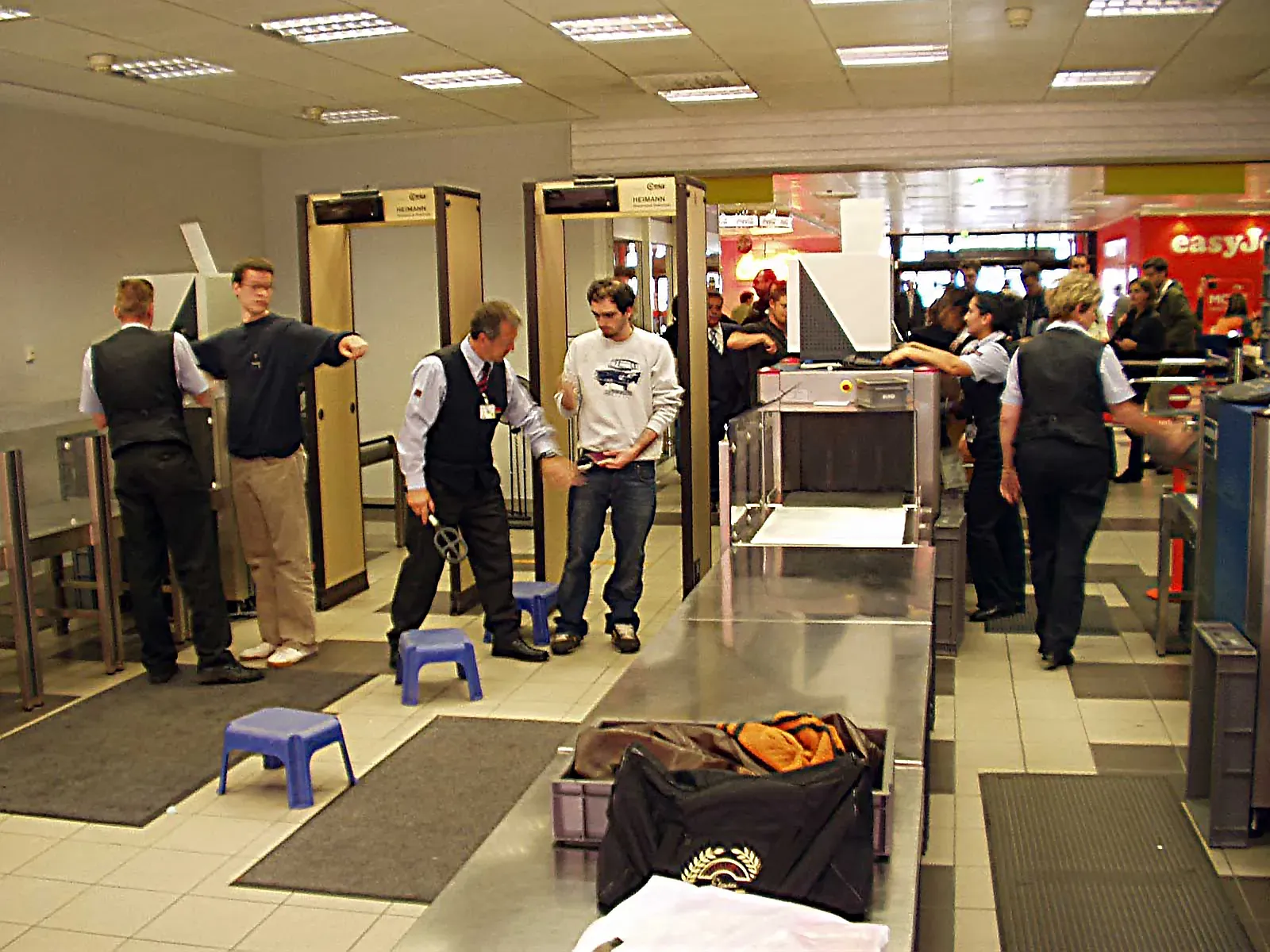
ZIP code 89119, the area surrounding Harry Reid International Airport, recorded the most reported burglaries in LVMPD’s jurisdiction. The proximity to the airport corridor, with its mix of hotels, storage facilities, and transient traffic, creates an environment where property crime thrives.
ZIP codes like 89119 and 89109 see higher rates of violent crimes partly due to the presence of tourists and high-value targets. When you mix high visitor turnover with economic disparity, burglary numbers tend to spike. Property crimes, including burglary, theft, and vandalism, are widespread across the valley – but 89119 consistently ranks near the top.
The Safest ZIP Codes: Summerlin and Henderson Lead the Way

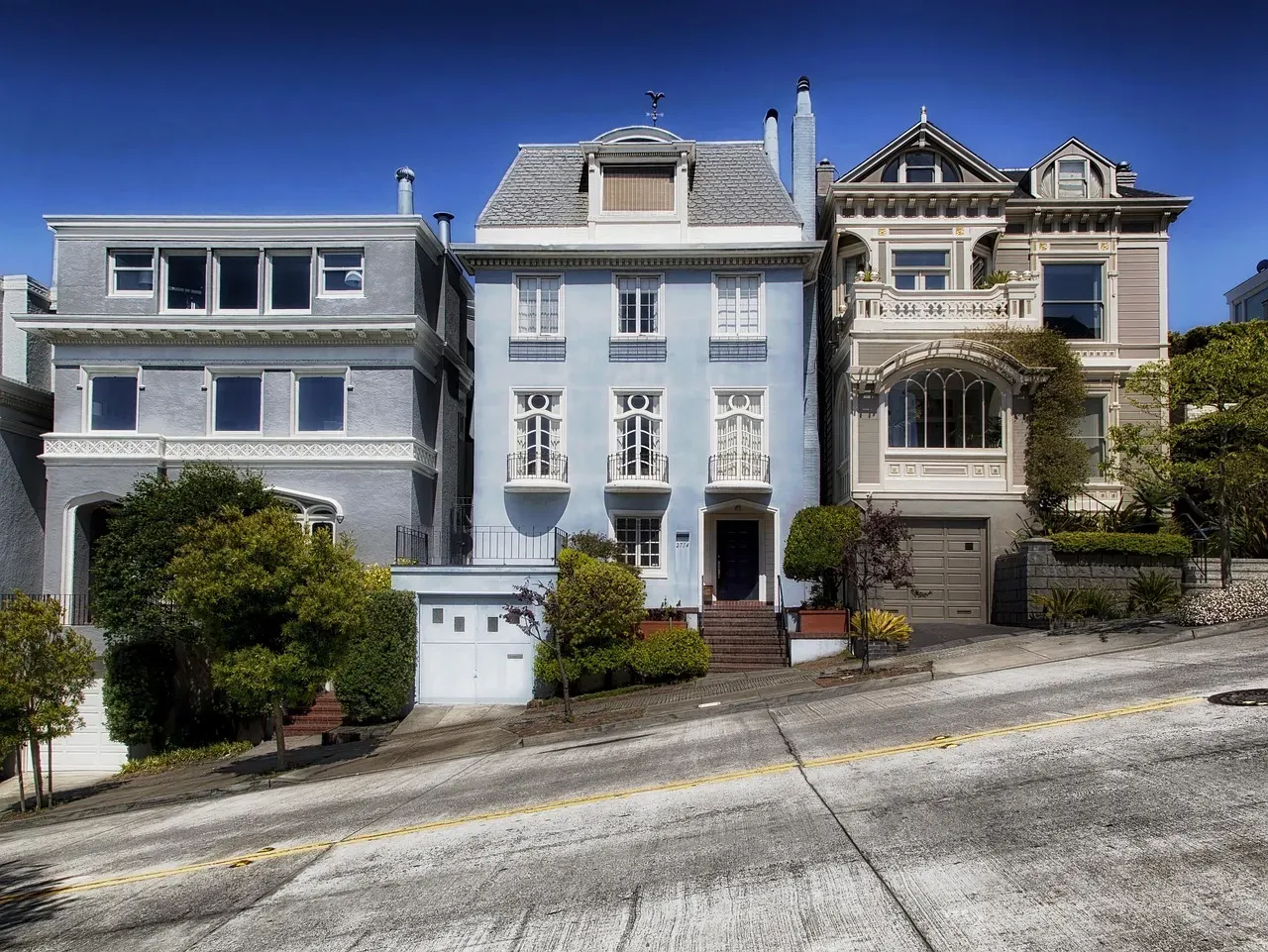
The most popular ZIP codes in Las Vegas for safety are Summerlin ZIP codes and Henderson ZIP codes. This has been consistent year after year, and the data backs it up strongly. Summerlin is recognized as a great area for lower crime, beauty, and relatively low traffic.
In ZIP code 89052, which covers a Henderson area, the violent crime rate is only 10.5 – significantly lower than the national average of 22.7. That is less than half the national benchmark, which is genuinely impressive for a major metro area. Historically, the safest ZIP codes in Las Vegas are around the outside of the valley – if the highest crime is in the oldest downtown area, the lowest crime is logically found in the newest areas.
Areas located near the center or downtown core tend to be more densely populated and typically see higher crime rates, while neighborhoods on the outskirts tend to be less densely populated and have lower unemployment and poverty rates. It’s almost a textbook example of how urban geography shapes public safety.
The Overall Trend: Las Vegas Is Slowly Getting Safer

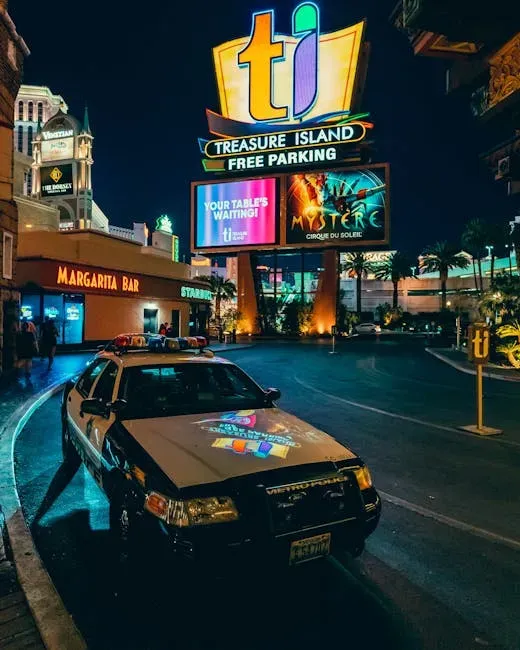
The 2024 Las Vegas crime rate fell by 14 percent compared to 2023, and the number of homicides stood at 110, a decrease of 32 compared to the prior year. That is a meaningful drop and a sign that sustained policing efforts and community investment are working – at least partially.
According to LVMPD data, simple assault remains the most-reported crime across the Las Vegas Valley, leading statistics in three-quarters of the 75 ZIP codes under Metro’s jurisdiction, with over half of those assaults being domestic violence-related. So while homicides are declining, the quieter, domestic crisis is still very much present and deserves attention.
A UNLV law professor studying crime trends has noted that while it is certainly important to concentrate on the Strip, a lot of the valley’s crime is distributed out into other areas – meaning no single ZIP code is the whole story, and no community should feel ignored in the conversation about public safety.
Conclusion: Your ZIP Code Is More Than Just a Postal Address


The Las Vegas Valley is a city of extremes, and nowhere is that more visible than in its crime data. From the danger-dense streets of 89101 to the relatively calm cul-de-sacs of Summerlin and Henderson, the difference between ZIP codes is not subtle. It’s dramatic. It shapes property values, school quality, and how freely people feel they can walk their own streets at night.
The encouraging part is that the overall trend is improving. Crime is down in several key areas, and LVMPD’s open data tools now allow any resident to track activity in their own neighborhood in near real time. That kind of transparency matters. Still, for anyone choosing where to live or visit in the valley, understanding your ZIP code isn’t just useful – it’s essential.
What neighborhood are you in, and does the data match what you see on your own streets? Tell us in the comments.
Partner offer
Planning a trip to Vegas?
Compare hotel rates and show tickets on VEGAS.com.