A director decides what a film is about. The cinematographer decides how it feels to sit inside it. When the two understand each other without long explanations, the results often show up on screen as a consistent, recognizable look.
Some of these partnerships have lasted twenty, thirty, even forty years. Here are eight of the longest and most productive, with the films and facts that show why they worked.
Steven Spielberg and Janusz Kamiński
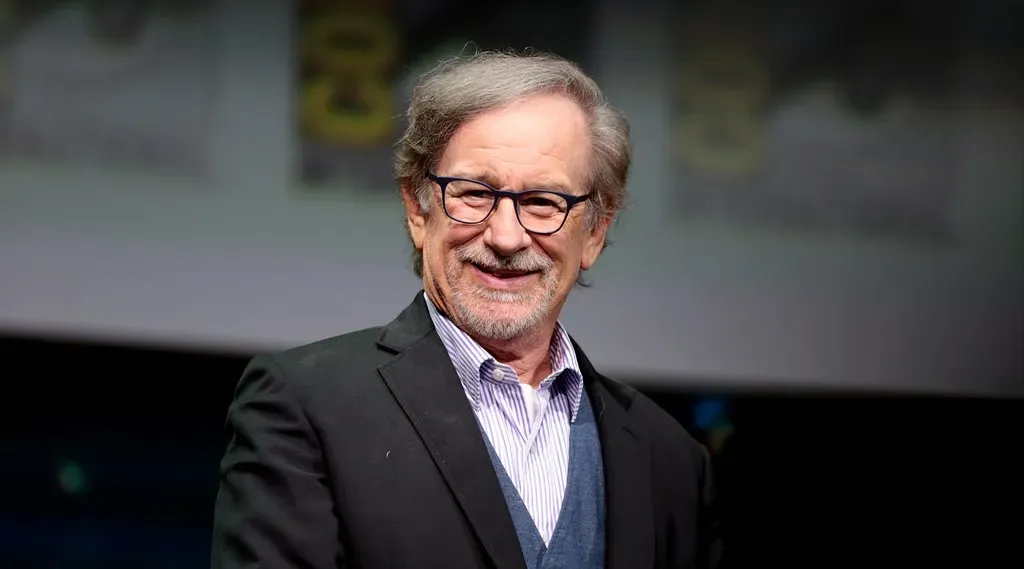
Kamiński first shot a Spielberg film with Schindler’s List in 1993. That film won him his first Academy Award for cinematography. He won a second for Saving Private Ryan in 1998.
After that, the partnership became the default for Spielberg. Kamiński shot Minority Report, Lincoln, Bridge of Spies, West Side Story and The Fabelmans, which came out in 2022. Spielberg’s animated work such as Tintin is the main exception, which means the pairing has covered well over three decades of live action.
Joel and Ethan Coen and Roger Deakins
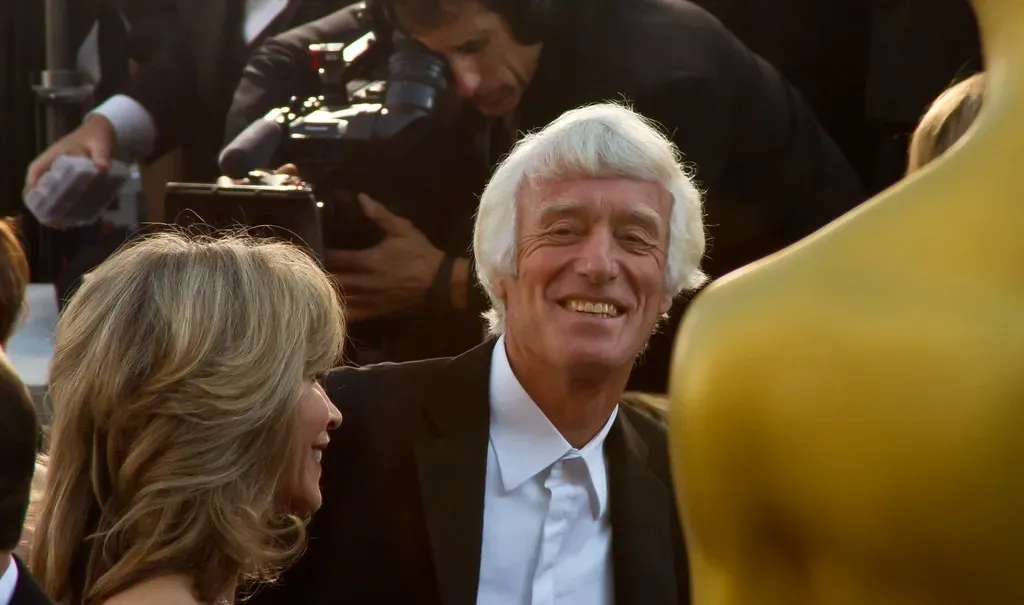
Deakins joined the Coen brothers on Barton Fink in 1991. From there he shot roughly a dozen of their films, including Fargo, The Man Who Wasn’t There, No Country for Old Men and True Grit. His work for them ran into the 2010s, ending around Hail, Caesar! in 2016.
Deakins has said little about a house style, but the films share a controlled, clean look. He later won Oscars for Blade Runner 2049 and 1917, which shows how much his reputation grew out of that period. The Coens did work with other cinematographers, for example on Inside Llewyn Davis, so the partnership wasn’t exclusive.
Ingmar Bergman and Sven Nykvist
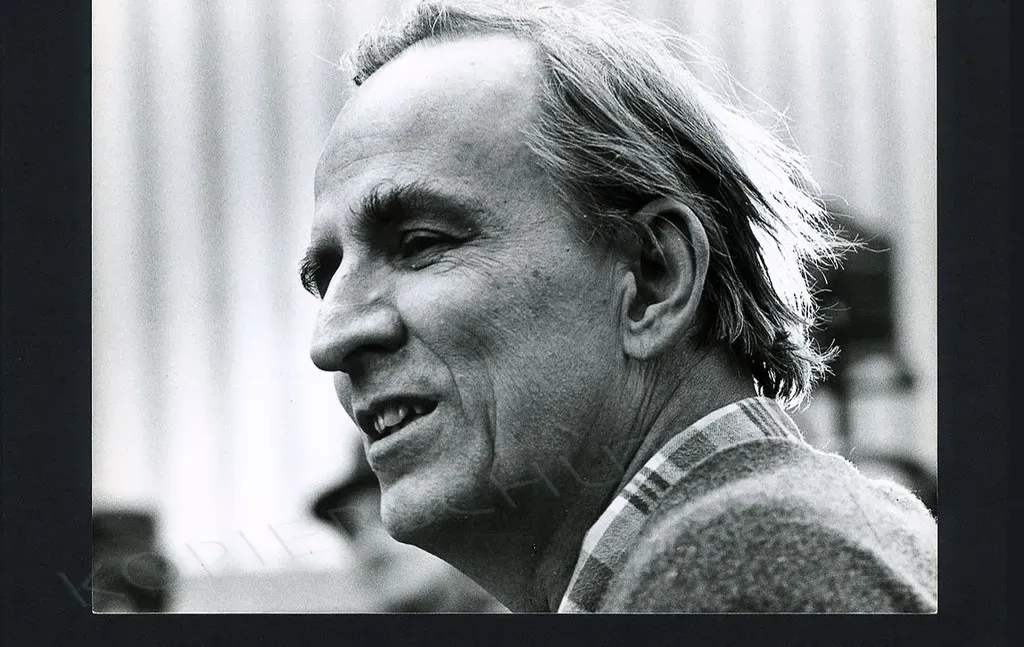
Nykvist shot early Bergman work in the 1950s, then became his regular cinematographer from The Virgin Spring in 1960. Over the next two decades they made some of the most admired films in European cinema. Their work together includes Persona, Cries and Whispers and Fanny and Alexander.
Nykvist won the Academy Award for Cries and Whispers and again for Fanny and Alexander. His handling of natural light, especially the pale northern light of Sweden, is often credited as a defining feature of Bergman’s look. Few director and cinematographer pairings have a richer record of awards.
Wes Anderson and Robert Yeoman
Yeoman shot Anderson’s debut feature, Bottle Rocket, in 1996. He went on to photograph nearly all of the director’s live action films, including Rushmore, The Royal Tenenbaums, The Grand Budapest Hotel and Asteroid City in 2023. Anderson’s two stop motion features were handled differently, as animation requires a different workflow.
Yeoman earned an Oscar nomination for The Grand Budapest Hotel. The symmetrical framing and pastel palette that define an Anderson film depended on a long, steady working relationship. Little about the partnership changed over nearly three decades, which is the point.
Clint Eastwood and Tom Stern
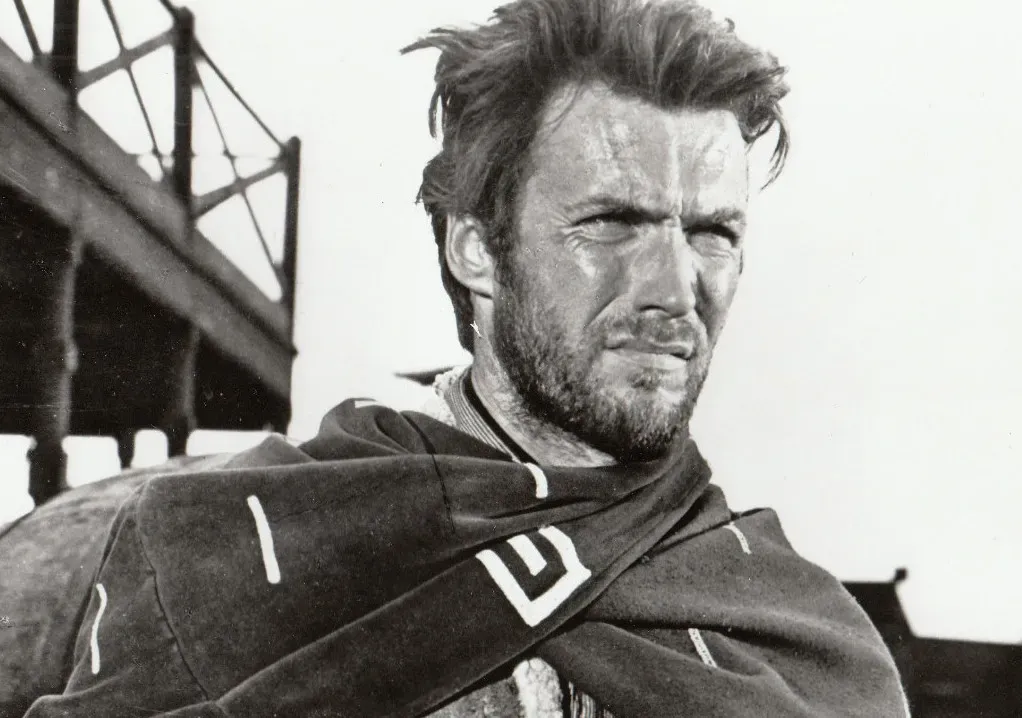
Stern worked with Eastwood for years as a lighting technician and gaffer before becoming his director of photography on Blood Work in 2002. He then shot a long run of Eastwood films, among them Mystic River, Million Dollar Baby, Gran Torino, American Sniper and Sully. The collaboration continued through Cry Macho in 2021.
Eastwood is known for shooting quickly and with a small crew, and Stern’s low key, shadowy lighting suited that method. The two had a shorthand that cut down on setup time. Eastwood’s later film Juror #2 in 2024 was shot by a different cinematographer, which marked the end of a roughly twenty year run.
Mike Leigh and Dick Pope
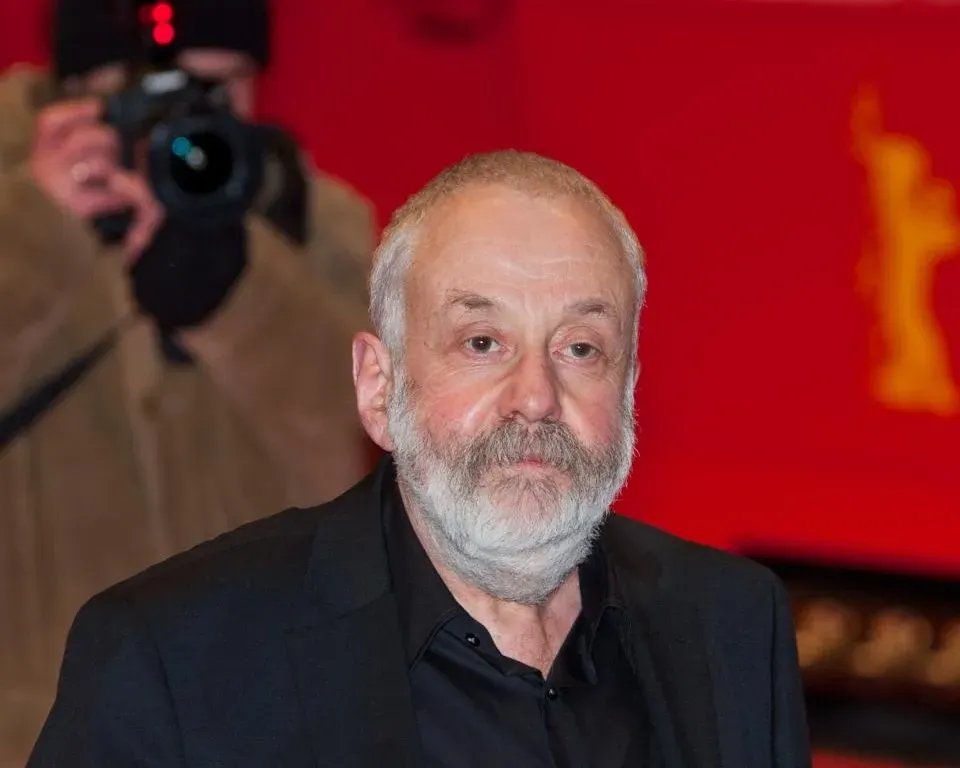
Pope became Mike Leigh’s regular cinematographer starting in the early 1990s. His credits with Leigh include Secrets and Lies, Topsy Turvy, Vera Drake, Another Year and Mr. Turner. The partnership continued to Peterloo in 2018.
Pope received Oscar nominations for The Illusionist and for Mr. Turner, the latter a film built around the painter J.M.W. Turner’s use of light. Leigh develops his scripts through long improvisation with actors, so the cinematographer has to adapt to that process. Pope’s repeated involvement made that easier over nearly three decades.
David Cronenberg and Peter Suschitzky
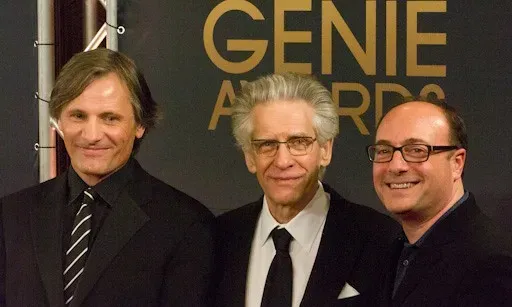
Suschitzky joined Cronenberg on Dead Ringers in 1988. He then shot a long series of the director’s films, including Naked Lunch, Crash, eXistenZ, Spider, A History of Violence, Eastern Promises and A Dangerous Method. The run extended to Maps to the Stars in 2014.
That stretch spans more than a quarter of a century. Cronenberg’s films moved from body horror to psychological drama and crime stories, and Suschitzky’s cool, precise images held them together. Cronenberg’s later film Crimes of the Future in 2022 was shot by another cinematographer.
Danny Boyle and Anthony Dod Mantle
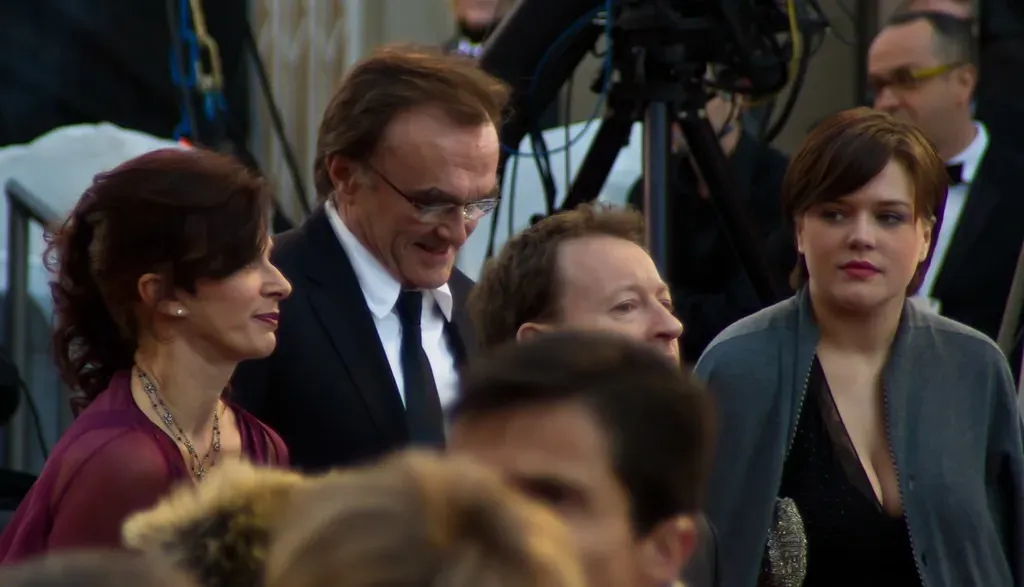
Dod Mantle started with Boyle on 28 Days Later in 2002, which was shot on digital video. He went on to photograph Millions, Slumdog Millionaire, 127 Hours and Trance. Slumdog Millionaire won him the Oscar for cinematography.
Boyle did not use Dod Mantle on every film, since others such as Sunshine and Steve Jobs had different cinematographers. Still, the two reunited for 28 Years Later in 2025, more than two decades after their first picture. The film used iPhone based camera rigs among its tools, a reminder of how the pair have kept experimenting with technology.