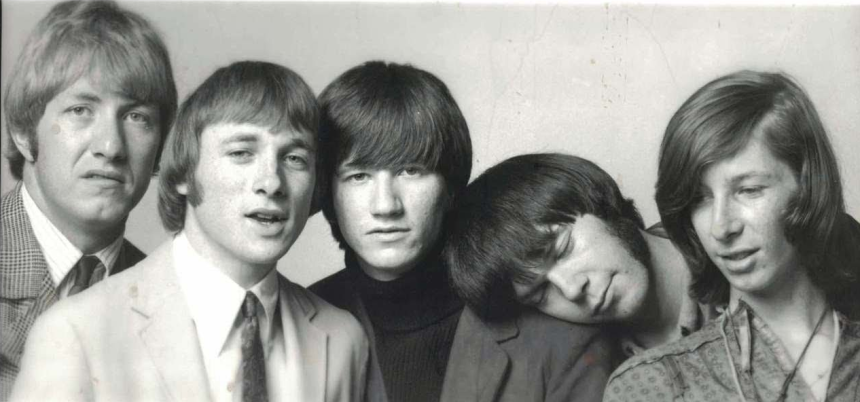
Rock and roll loves a good myth about brotherhood, chemistry, and shared vision. The reality behind plenty of famous bands looks a lot less romantic. Contracts, royalty splits, and the threat of lawsuits have done more to keep certain groups on stage together than any lingering affection ever did. Some of the most beloved albums and tours in music history came out of arrangements where the members could barely stand being in the same room. What follows are eight cases where paperwork, not friendship, is what held the band together long enough to finish the job.
The Eagles: bound by a live album nobody wanted to make


By 1980, the Eagles were finished as people long before they were finished as a band. The band’s members, including Glenn Frey, Don Felder and Don Henley, had been at odds with each other since their 1979 album The Long Run, but they were contractually obligated to their record company, Elektra Records, to record one final live album before they could disband. The situation got so bad that Frey and Henley were unable to even be in the same room together, so they recorded their vocals in different studios, located in different states even.
That contractual live record, ironically, became the reason a much bigger reunion happened years later. The Eagles split acrimoniously in 1980 following the interminable and contentious sessions for The Long Run, struggling through the mixing of their Eagles Live record to fulfill a contractual obligation even though they weren’t on speaking terms. When they finally regrouped in 1994, it was again business logic rather than warmth that drove it, and even after later lineup disputes, the remaining members continue touring, proving that when enough money is involved, almost any relationship can be maintained professionally if not personally.
Fleetwood Mac: a name worth fighting for in court

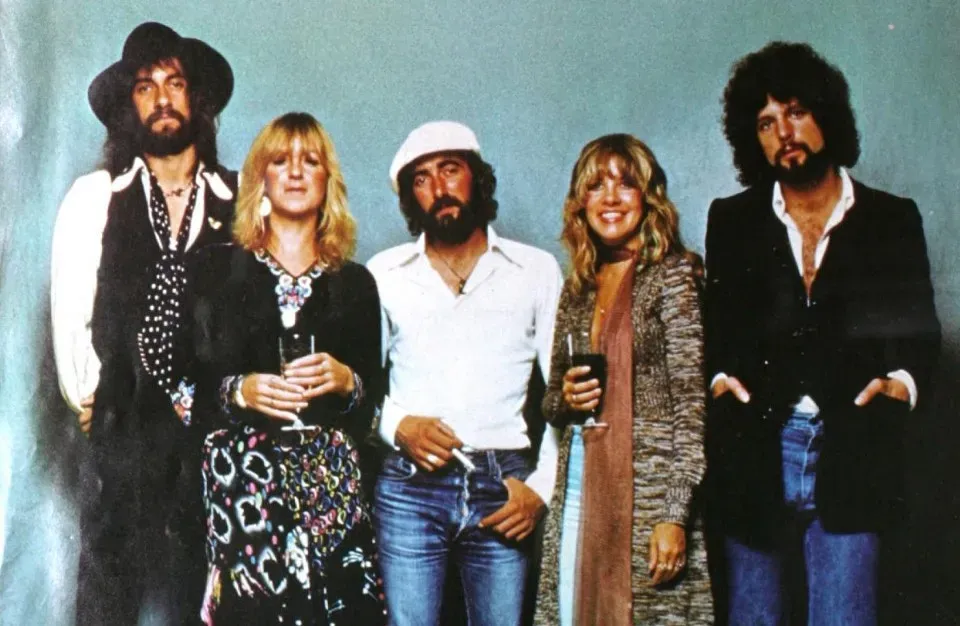
Fleetwood Mac’s internal drama is legendary, but the band almost didn’t survive a fight that had nothing to do with romance or songwriting. In the mid 1970s, former manager Clifford Davis tried to send out a completely different lineup billed as “Fleetwood Mac” while the real members were touring the United States. As audiences began to turn to “The New Fleetwood Mac,” David filed a lawsuit attempting to secure himself as the owner of the band’s name, and with the help of concert promoter Bill Graham, the real members of Fleetwood Mac were able to negotiate a new contract with Warner Bros that let them reclaim their name.
That legal fight over ownership of the name did something unexpected. The name lawsuit was still ongoing, but the trial served to rally the band members to continue Fleetwood Mac into the future. Decades later, contracts were still doing the heavy lifting, since Buckingham filed a civil lawsuit in October in Los Angeles Superior Court, accusing other members of the band of breach of contract and saying the dispute stemmed from a clash between the planned 2018/19 Fleetwood Mac tour and his wishes to play some solo dates.
Guns N’ Roses: a brand that outlived its band

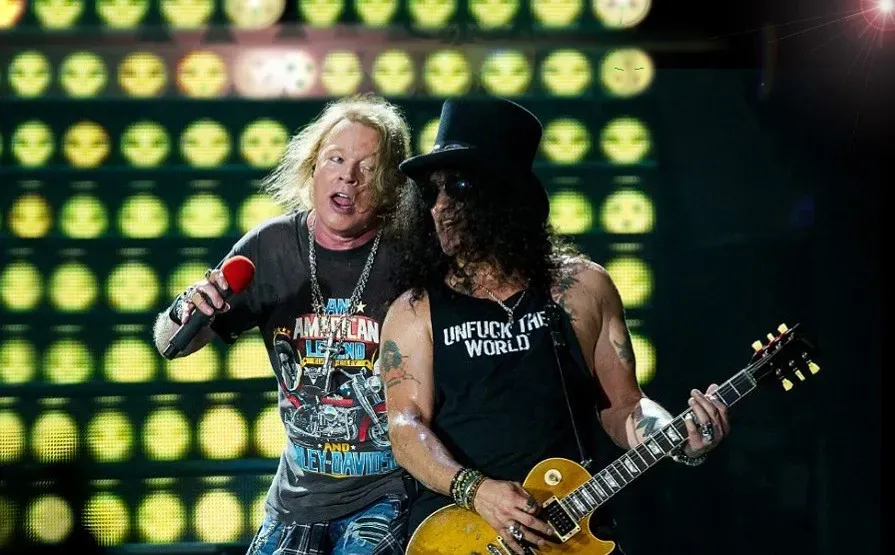
By the time most of the original Guns N’ Roses lineup had scattered, the name itself had become the asset worth protecting. Axl Rose’s increasingly controlling behavior combined with royalty disagreements created a revolving door of departing members. Yet the group never actually stopped existing on paper.
What kept it alive wasn’t camaraderie. Even when most original members had left, the business entity survived because the financial rewards for using that name were simply too large to abandon, regardless of personal relationships or creative authenticity. Guns N’ Roses became less a band in the traditional sense and more a trademark that Axl Rose kept staffed with whoever was willing to sign on.
Buffalo Springfield: one last record to close the books

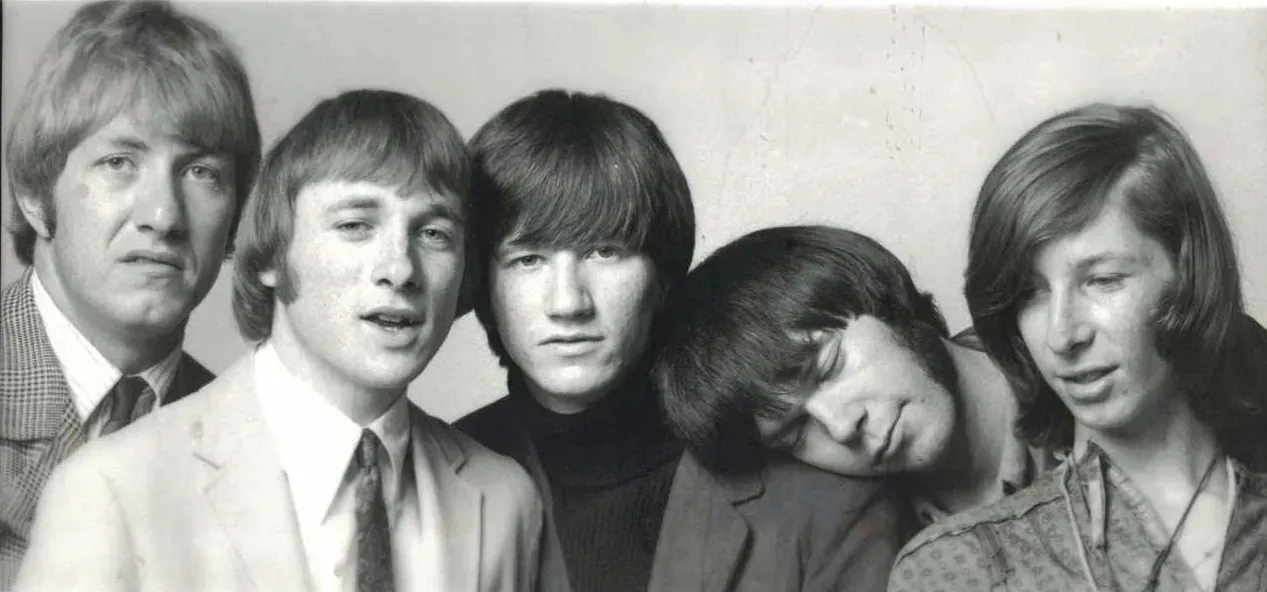
Buffalo Springfield’s story is a quieter version of the same pattern, but it might be the purest example of a contract outlasting a band. The third and final Buffalo Springfield album was an odds-and-sods collection compiled by Jim Messina and Richie Furay to fulfil a contractual obligation after the group had split up. The members had already moved on to other projects entirely.
By the time that record came together, Furay, Messina and Rusty Young had already formed under-appreciated country rockers Poco, Neil Young had embarked on his solo career, and Stephen Stills has joined forces with David Crosby and Graham Nash. The album cover itself hinted at the distance between them, since the cover montage shows Young looking in the opposite direction to his bandmates. A band that no longer existed still had to deliver one more product because a signature on a piece of paper said so.
Partner offer

The Beatles: a lawsuit that ended the band properly

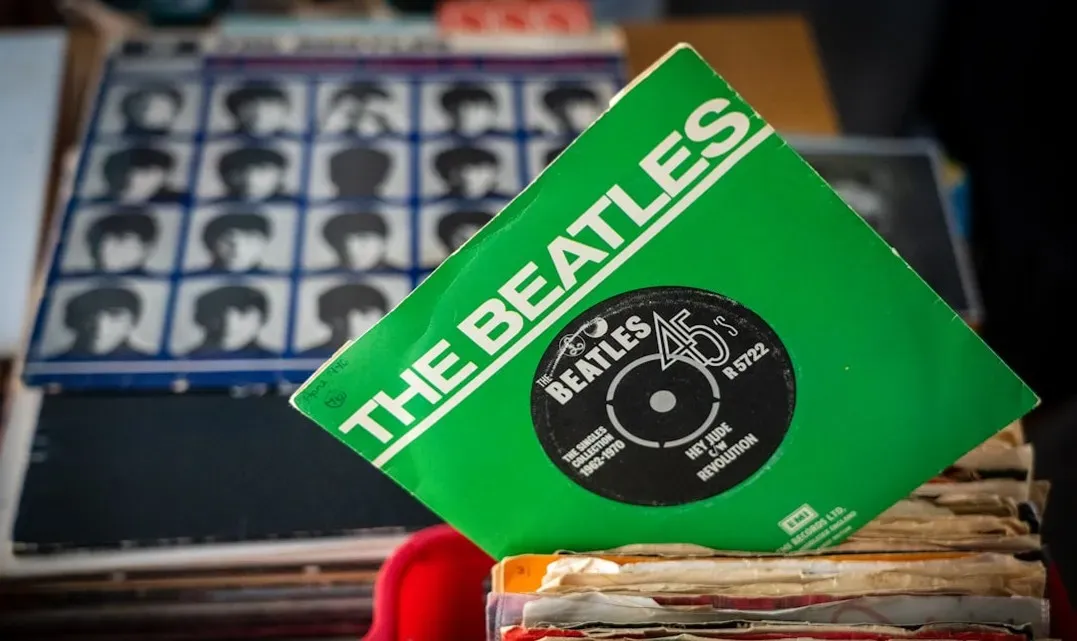
The Beatles’ split is often remembered as an emotional rupture, but the actual mechanism that ended the group was a legal filing. Their 1970 split following a decade of hits and world tours came after Sir Paul filed for the group’s contractual dissolution. Paul McCartney later explained his reasoning had less to do with personal animosity and more to do with protecting the band’s assets from their manager.
Looking back, McCartney insisted the group’s issues were more like family friction than genuine hatred, saying “I suppose when The Beatles broke up perhaps there was a misconception we all sort of hated each other,” and “what I realise now is it was a family, a gang. Families argue and have disputes.” He was blunt about why he took legal action, adding “the only way for me to save The Beatles and Apple was to sue the band.” In this case, the contract didn’t keep the band together at all. It was the tool used to formally take it apart, which says just as much about how deeply legal structures governed the group’s fate.
Oasis: money, timing, and a reunion written in contracts


Few breakups looked as permanent as the one between Liam and Noel Gallagher in 2009. Oasis splitting in 2009, following Noel Gallagher’s exit, came after the songwriter and guitarist said he “simply could not go on working with Liam a day longer,” which was followed by a legal battle and a very public feud between the two brothers. For fifteen years, reconciliation seemed unthinkable.
Then in 2024, the brothers announced the Oasis Live ’25 tour, and by the summer of 2025 they were performing together again. Guitarist-songwriter Noel Gallagher and his singer brother Liam had not performed together since their acrimonious split in 2009, before taking the stage again at the Principality Stadium in Cardiff on July 4, 2025. The reunion carried immense financial stakes from the outset, and reports indicate Oasis had already played for 2 million people across 25 shows, including 400,000 attendees across five London shows and another 400,000 across five shows in Manchester. Whatever personal peace the brothers found, the tour was built on binding promoter agreements and ticketing contracts worth far more than either brother’s solo career.
The Police: a reunion built on one very lucrative tour


Sting, Andy Summers, and Stewart Copeland were famous for two things during their original run together: massive commercial success and near constant friction inside the band. For a little under seven years from 1977 to 1984, The Police burned as brightly as they did briefly. The tension between the members was well documented at the time and rarely disguised in interviews.
When they reunited more than two decades later for a world tour, the driving force was less about rekindled friendship and more about the scale of the payday on offer. Reunion tours in general only happen once contracts, royalty splits, and touring guarantees are locked in ahead of a single rehearsal. The Police’s brief return to the stage followed that same pattern common to legacy acts, where a signed agreement comes first and any personal reconciliation, if it happens at all, comes a distant second.
The Beach Boys: when the name became the business


Few bands have fought as hard over ownership of their own identity as the Beach Boys. Internal disputes among Mike Love, Al Jardine, Brian Wilson, and other members over songwriting credit and royalties stretched across decades and multiple courtrooms. The band’s name itself became a contested legal asset, with different factions at different points holding rights to tour and perform under the Beach Boys banner.
That legal framework, rather than any shared creative direction, is what determined who could call themselves the Beach Boys and where they could perform. Attempts at full reunions, including one around the band’s fiftieth anniversary, ran into the same old contractual and financial fault lines that had separated the members for years. The music endured because the underlying agreements over the name and catalog were carefully maintained, even when the people behind them were not on speaking terms. Contracts rarely make for a compelling backstage story, yet they have quietly shaped more classic rock history than most fans realize. Behind nearly every dramatic reunion or unlikely comeback tour sits a set of signatures, royalty terms, and legal obligations that made the reunion financially inevitable long before it became emotionally believable. The music these arrangements produced still holds up decades later, even if the goodwill behind it sometimes did not.
Partner offer
Planning a trip to Vegas?
Compare hotel rates and show tickets on VEGAS.com.