Every so often, a production comes along that seems to attract disaster the way a lightning rod attracts storms. Cameras roll, schedules slip, and somewhere along the way, actual harm finds its way onto the call sheet. What follows are seven films whose behind-the-scenes stories became almost as famous, and in some cases far more unsettling, than anything that made it onto the screen.
Some of these sets carried genuine tragedy. Others earned their reputation through an uncanny run of accidents that no insurance policy could have predicted. Either way, the people who lived through them rarely wanted a second round.
The Exorcist (1973)

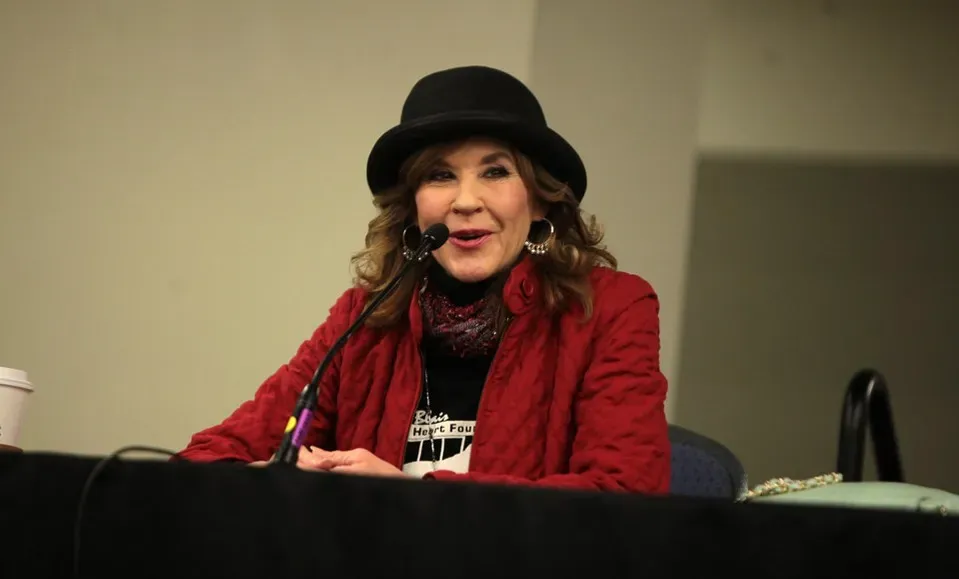
William Friedkin’s demonic possession film became infamous almost immediately for what happened off camera. A Jesuit priest working as a consultant on the film was asked to perform an exorcism on the set after crew members grew convinced something was wrong, and while he refused, claiming he didn’t believe there was anything demonic afoot, he did agree to bless the set and everyone working on it. A fire also tore through the production, and strangely, Regan’s bedroom, where the exorcism is performed in the film, was the only part left unscathed. By the time a 1998 retrospective documentary looked back on the shoot, it claimed there were nine deaths connected to the production.
The injuries were just as troubling as the deaths. Linda Blair reportedly fractured her lower back while convulsing in a harness, leading to a lifelong struggle with scoliosis. Ellen Burstyn suffered a serious back injury of her own during a stunt gone wrong, and behind the camera things weren’t much calmer, since one of the electricians lost his toe, and a carpenter accidentally chopped off his thumb.
The Omen (1976)

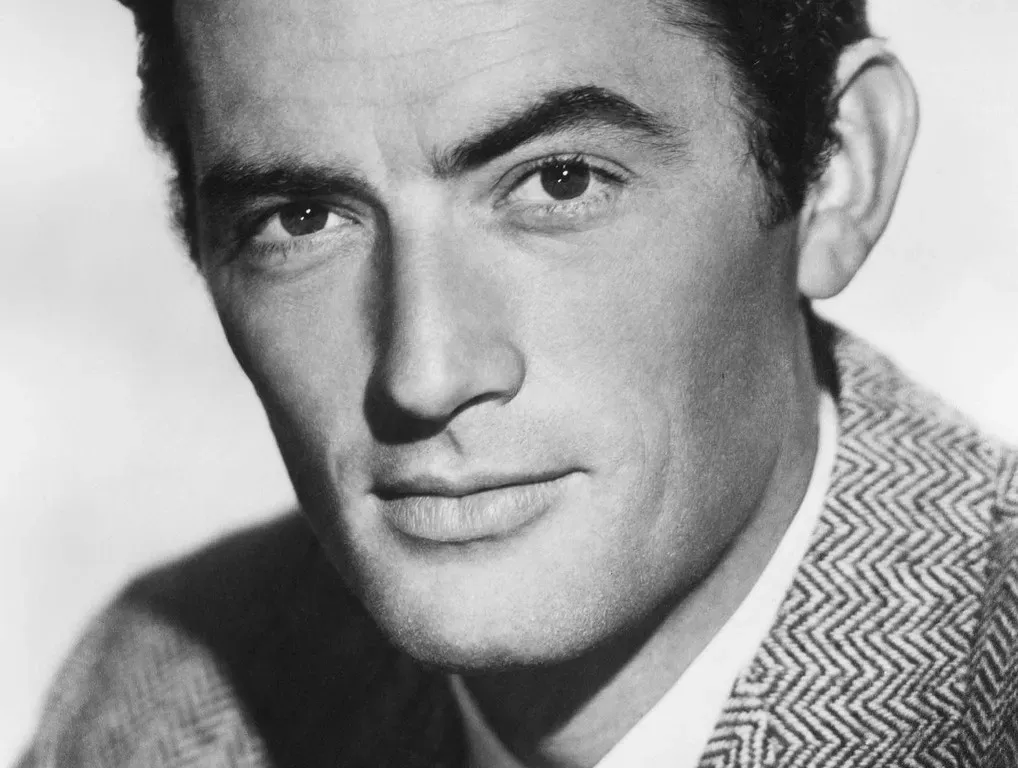
Richard Donner’s antichrist thriller had a production that seemed to court bad luck at every turn. Gregory Peck and the film’s screenwriter David Seltzer each boarded separate flights heading toward the shoot, and each plane was struck by lightning. Executive producer Mace Neufeld wasn’t spared either, since his own flight was hit soon after under similar circumstances. Perhaps strangest of all, Peck had a flight reservation he ended up canceling, only for that same plane to crash on takeoff and kill everyone aboard.
The misfortune didn’t stop with airplanes. Special effects designer John Richardson, who had built the film’s grisly decapitation effect, was later in a car accident during a different production where his assistant Liz Moore was killed in a manner that eerily mirrored his own work. A zookeeper who had been helping the crew with animal handling for the film was also killed on a separate occasion, an incident that only deepened the sense that something had followed the production home.
Poltergeist (1982)

Tobe Hooper and Steven Spielberg’s haunted suburbia film spawned a trilogy, and the years that followed brought a string of real losses that gave the so called curse its staying power. In total, four actors died during and soon after the filming of the series, a fact that has fueled speculation for decades. Heather O’Rourke, who played young Carol Anne across all three films, died at just twelve years old after a misdiagnosed illness turned out to be far more serious, and her death came only months before the trilogy’s final installment reached theaters. Dominique Dunne, who played her older sister in the first film, was killed by a former partner in a domestic violence attack the same year the movie was released.
The other two losses came from natural causes, though they still added to the film’s unsettling legacy. Julian Beck, who played the villainous Reverend Kane in the second film, had been diagnosed with stomach cancer, which took his life soon after he finished work on the second installment. On top of the deaths, actress JoBeth Williams later claimed that producer Spielberg insisted on using actual human skeletons as props in an attempt to save money, a detail that has made the muddy pool scene even harder for fans to watch.
Twilight Zone: The Movie (1983)

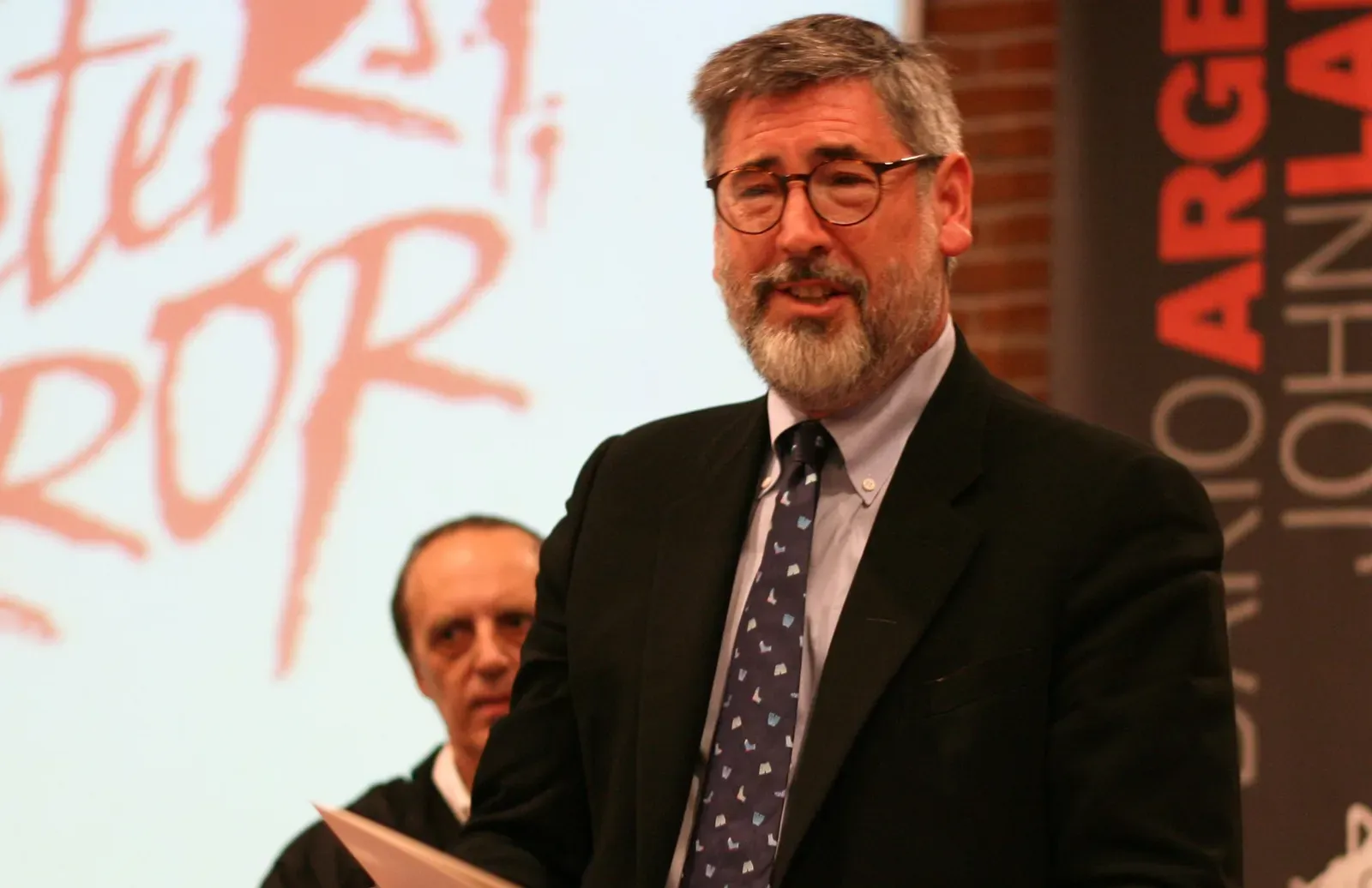
Of all the productions on this list, few carry as much genuine weight as this one. During John Landis’s segment for the anthology film, a helicopter shot involving pyrotechnics went catastrophically wrong, and the aircraft lost control, killing actor Vic Morrow along with child actors Myca Dinh Le and Renee Shin-Yi Chen. The accident happened on what was supposed to be the final scheduled night of shooting for that segment, making the loss feel especially senseless to everyone on set.
The fallout reshaped how Hollywood approached danger on set. Landis and four crew members were charged with involuntary manslaughter, though all were eventually acquitted after a lengthy trial. The tragedy led to tighter regulations around the use of helicopters and pyrotechnics in filmmaking, and out of respect, every scene featuring the two children was removed entirely from the finished film.
The Crow (1994)

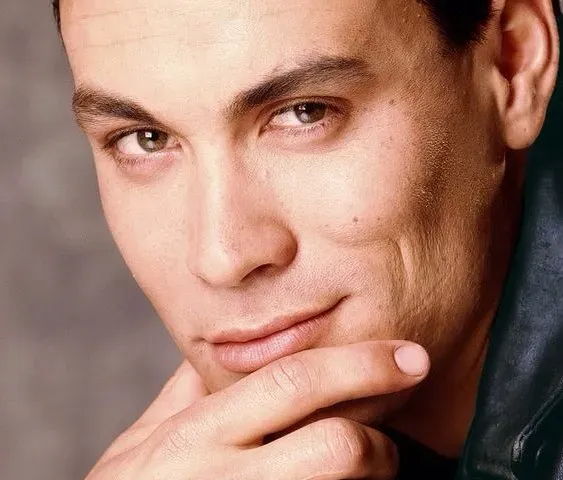
Alex Proyas’s gothic revenge film was nearly finished when tragedy struck its lead. During a scene requiring a prop gun loaded with blanks, a dummy round that had gone unnoticed lodged in the barrel, and when the weapon was fired at close range, it fatally wounded star Brandon Lee. Before that final incident, the shoot had already been marked by a string of smaller mishaps, including a carpenter badly burned by live power lines and a storm that destroyed parts of the set.
The crew faced an impossible decision afterward. With only a handful of scenes left to shoot, they chose to finish the film using a stunt double along with visual effects to insert Lee’s face into the remaining footage. Michael Massee, the actor who had fired the fatal shot, reportedly stepped away from acting for a period afterward and never watched the completed film.
Apocalypse Now (1979)

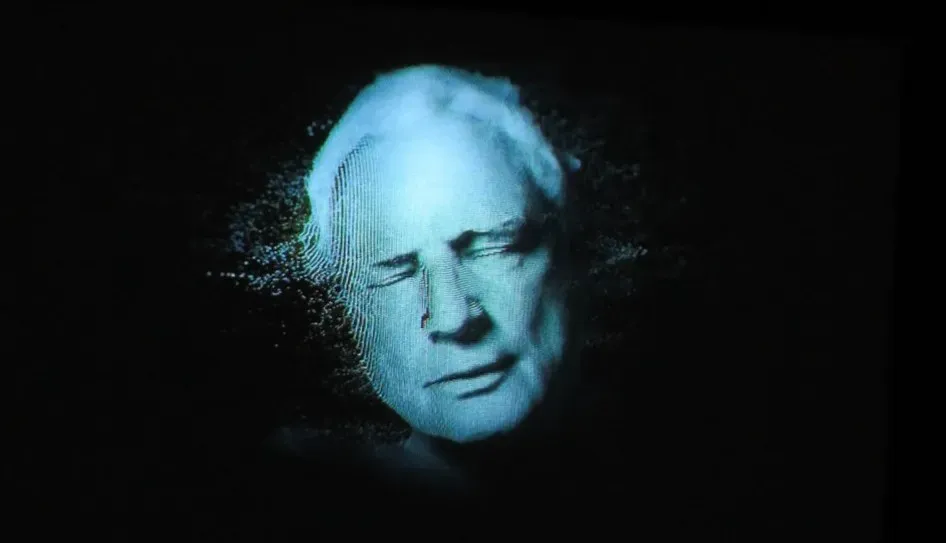
Francis Ford Coppola’s Vietnam War epic has become shorthand in Hollywood for a shoot that spun wildly out of control. Filming in the Philippines stretched on for well over a year longer than planned, as the crew battled brutal weather, borrowed military equipment, and a script that kept changing on the fly. A typhoon eventually tore through the production and destroyed sets that had to be rebuilt from scratch, adding months to an already exhausted timeline. Partway through the ordeal, star Martin Sheen suffered a heart attack, forcing filming to pause while the production reckoned with just how far things had spiraled.
Marlon Brando’s arrival didn’t make things easier, since he showed up overweight and reportedly unfamiliar with the source material, pushing Coppola to rework his scenes around shadow and improvisation instead. The chaos was later chronicled in a documentary that many involved described as harder to watch than the finished film. Few who lived through the jungle heat and the constant setbacks came away eager to repeat the experience.
The Wizard of Oz (1939)

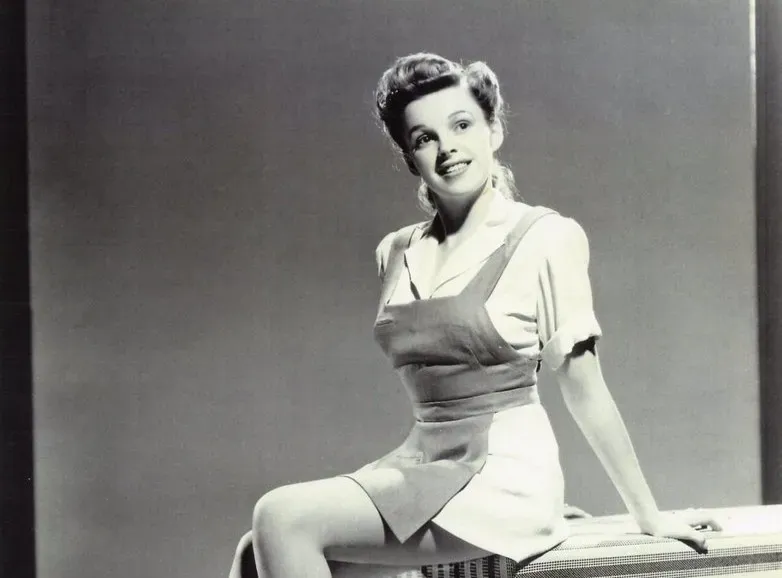
Even a beloved Technicolor classic hid a genuinely rough production behind the curtain. Buddy Ebsen, originally cast as the Tin Man, had to leave the film entirely after suffering a severe allergic reaction to the aluminum dust used in his makeup, which left him hospitalized with breathing trouble. He was replaced by Jack Haley, and the formula was changed to a paste before filming continued, though the damage to Ebsen’s health kept him off the project for good.
Margaret Hamilton, who played the Wicked Witch of the West, suffered burns to her face and hand when a smoke effect ignited earlier than planned during her dramatic exit from Munchkinland. She reportedly refused to perform any more fire related stunts afterward, and her stunt double was later injured in a similar explosion during a broomstick scene. It’s a strange footnote for a film so many people associate with pure childhood wonder.
These productions are remembered today for very different reasons, some for genuine tragedy and others for a run of misfortune too strange to shrug off. What connects them is simple enough: the people who worked on them walked away changed, and in most cases, they didn’t look back.