Ask a room of book lovers whether the movie ever beats the book, and most will groan. The usual rule holds firm: the page wins, the screen trims. Still, a handful of adaptations keep turning up in conversations where readers quietly admit the film got there first, or got there better.
These eight come up again and again in reader discussions, often because the source novel was uneven, overstuffed, or simply less polished than the story underneath it. Opinions differ, of course, and “better” is a matter of taste rather than measurement. Here’s why each one tends to win people over.
The Godfather
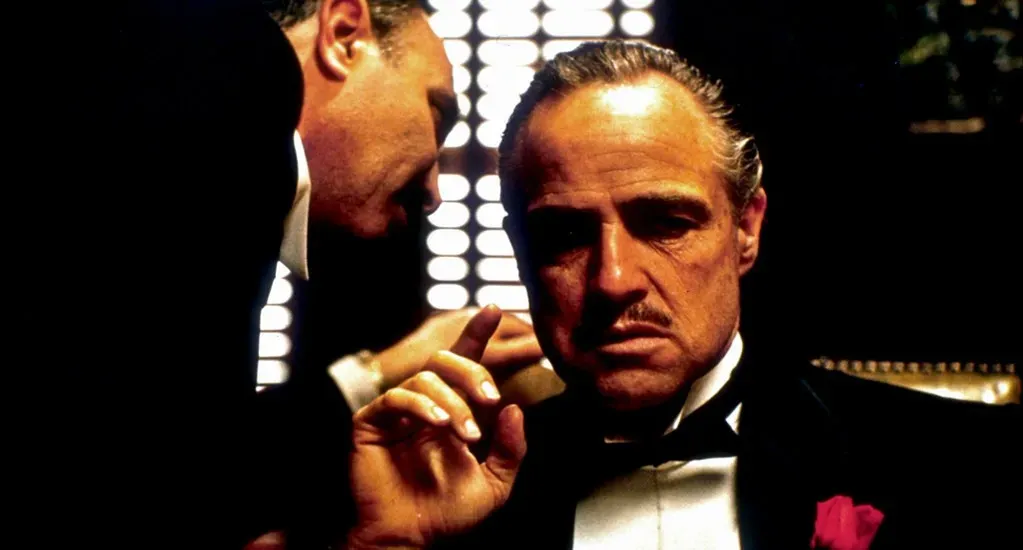
Mario Puzo’s 1969 novel was a huge bestseller, though it leans on pulpy subplots, including long passages about characters like Johnny Fontane and Lucy Mancini. Francis Ford Coppola’s 1972 film cut much of that away and focused on the Corleone family’s slow transformation.
Puzo co-wrote the screenplay, so the film isn’t a betrayal of the book so much as a sharper draft of it. It won the Academy Award for Best Picture, and many readers say Michael’s arc lands harder on screen than in print.
Jaws

Peter Benchley’s 1974 novel spends a lot of time on affairs and small-town tension among the characters. Many readers find the human drama less compelling than the shark itself. Steven Spielberg’s 1975 film trimmed most of those subplots and put the focus on Brody, Quint, and Hooper.
The movie’s restraint, partly forced by a malfunctioning mechanical shark, made the threat feel larger. It’s widely credited with helping create the modern summer blockbuster, and plenty of readers admit they prefer the leaner story.
Forrest Gump
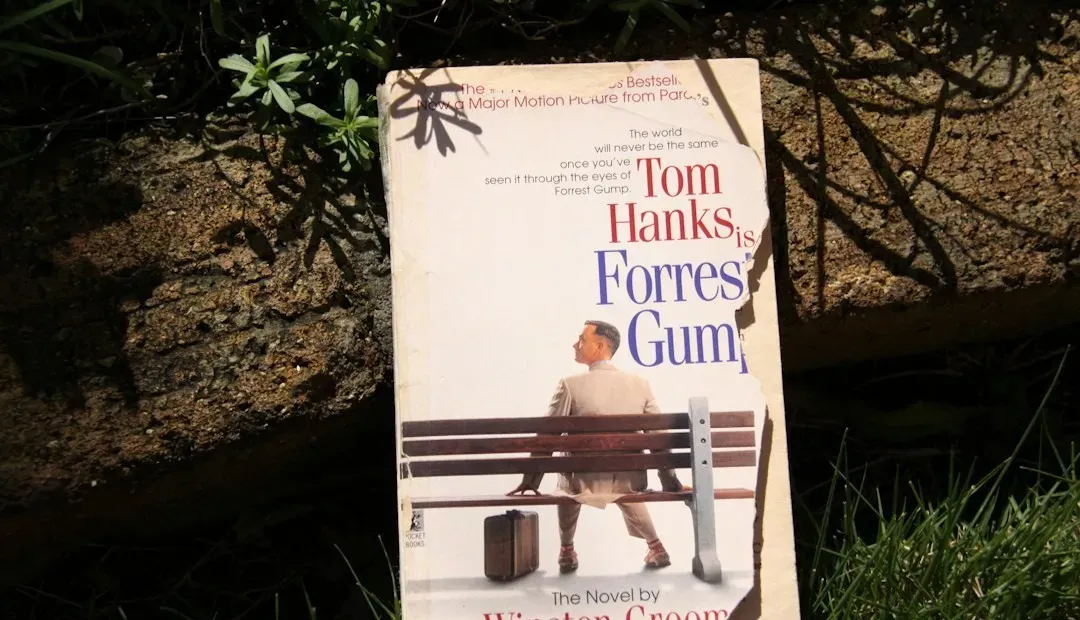
Winston Groom’s 1986 novel is a rougher, more satirical book, and its Forrest is quite different from the gentle figure audiences know. The 1994 film, directed by Robert Zemeckis, softened the edges and built an emotional through line around Forrest and Jenny.
The movie won the Academy Award for Best Picture. Some readers find the book’s sharper humor interesting, yet many say the film’s warmth is what made the story endure.
Fight Club
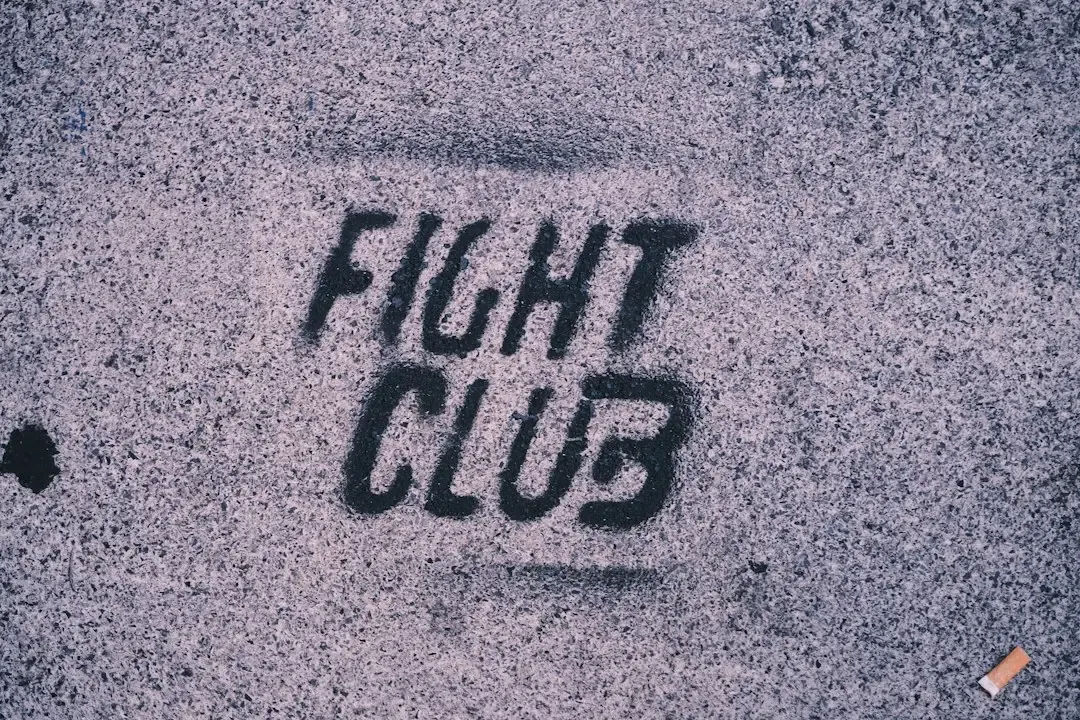
Chuck Palahniuk’s 1996 novel is jagged and darkly funny, and it ends differently from David Fincher’s 1999 film. The film’s ending is more visual and more controlled, which a good number of readers say gives the story a stronger finish.
Fincher’s style, the performances, and the production design added a layer the prose couldn’t quite provide. Palahniuk himself has spoken favorably of the film’s ending, which tells you something about how the change was received.
The Shawshank Redemption
Stephen King’s novella “Rita Hayworth and Shawshank Redemption” is a strong piece of writing, but it’s short and told through Red’s narration. Frank Darabont’s 1994 film expanded the cast and deepened the friendship between Andy and Red.
It earned several Oscar nominations and is now regularly ranked among the best-loved films by audiences. Readers who prefer it often point to the final scenes, which add a sense of release the novella handles more quietly.
Stardust
Neil Gaiman’s 1999 novel is a charming, fairy-tale-flavored book with a subdued tone. Matthew Vaughn’s 2007 film made it more adventurous, funnier, and more romantic.
The film added the sky pirate played by Robert De Niro, a memorable invention that many fans enjoy. Some readers still love the book’s quieter mood, though a lot of them say the movie is simply more fun.
The Princess Bride
William Goldman wrote both the 1973 novel and the 1987 screenplay, so this one is a rare case of an author improving his own work. The book frames the story as an abridgment of an older text, which can feel clever or confusing depending on the reader.
Rob Reiner’s film keeps the humor and trims the digressions. Its quotable dialogue and cast have given it a loyal following, and plenty of readers say they’d hand the movie to a newcomer first.
Jurassic Park

Michael Crichton’s 1990 novel is packed with science and darker, more violent scenes. Spielberg’s 1993 film kept the central idea of cloned dinosaurs and made the characters warmer and easier to follow.
The visual effects broke new ground at the time, and the film has held up well for decades. Many readers say the movie simplified the story in ways that helped it, even if the book offers more scientific depth.