Some films would still work with the sound turned off. Others wouldn’t, because the music is doing the heavy lifting. It supplies the fear, the loneliness, or the sense that something enormous is happening on screen.
The eight scores below are ones where the music isn’t decoration. Pull it out and the story changes shape. Each entry sticks to what’s well documented about how the music was made and why it matters.
Jaws (1975), John Williams
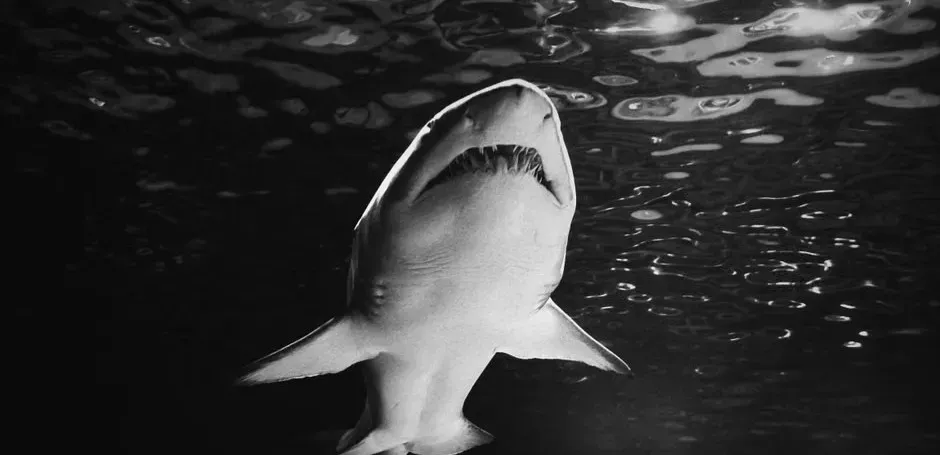
Two alternating notes, low and repeating, became the sound of a predator approaching. Williams won the Academy Award for Best Original Score for the film, and the shark motif is the main reason people still hum it half a century later.
The clever part is how much fear the music creates on its own. The mechanical shark was famously troublesome during production, so the film often suggests the animal rather than showing it. The score fills that gap, letting audiences feel the shark long before they see it.
Psycho (1960), Bernard Herrmann
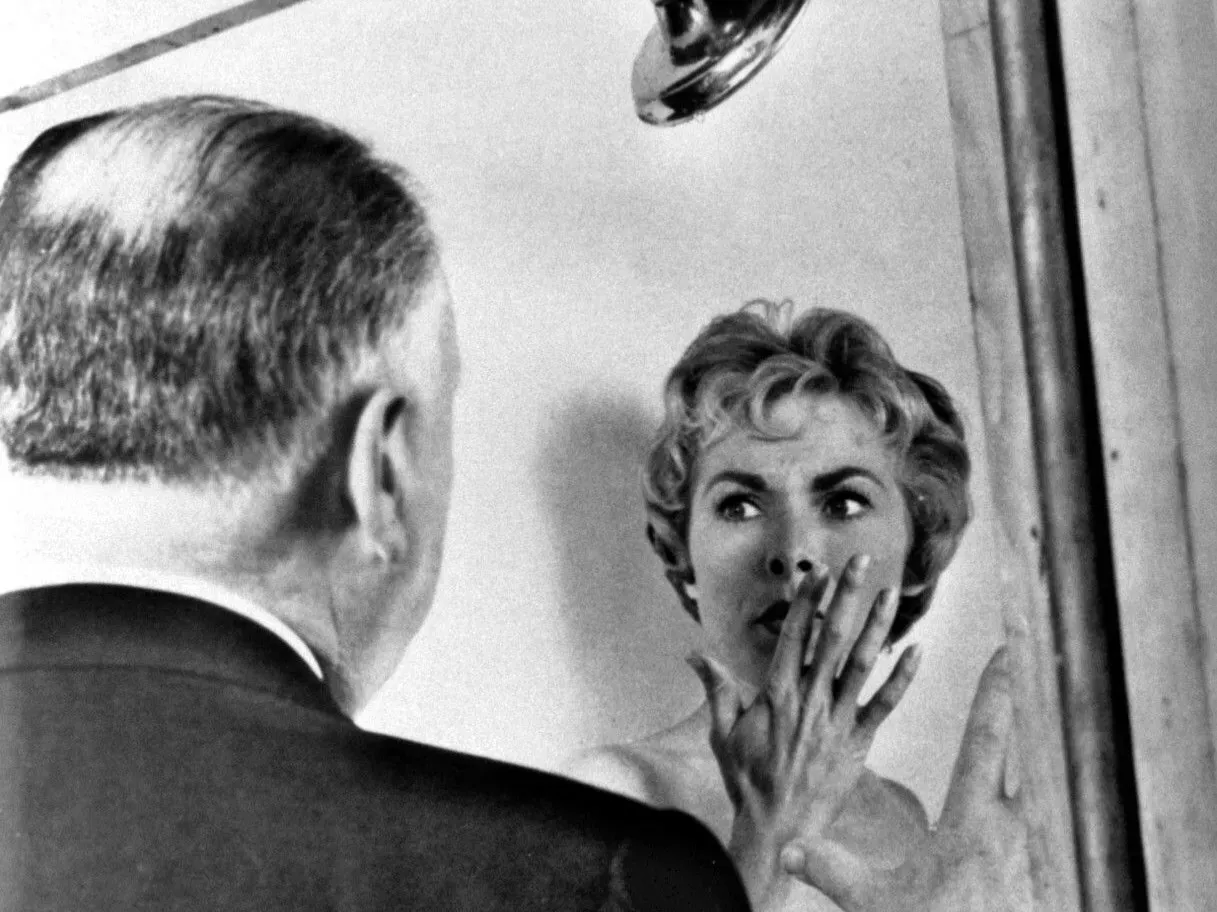
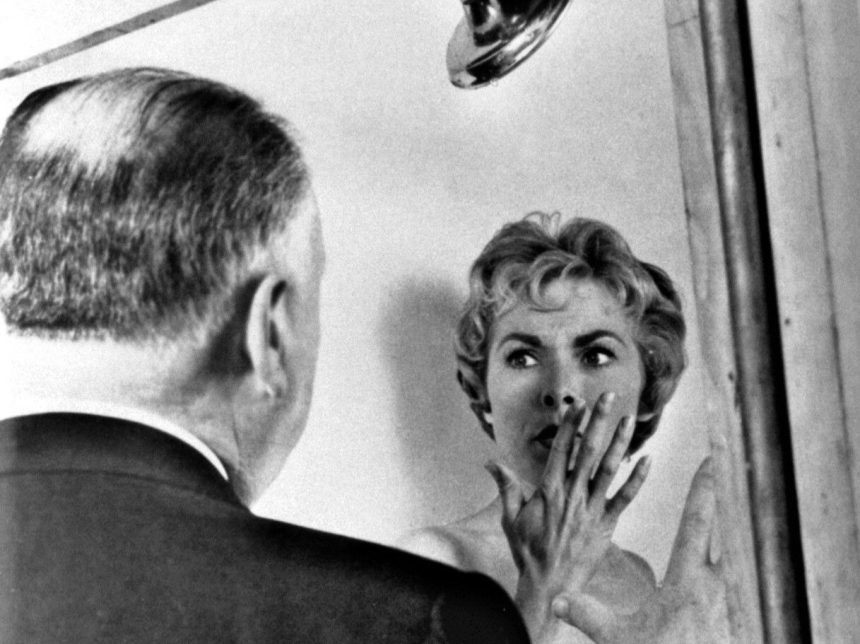
Herrmann scored Psycho for strings alone, and the result is sharp, cold, and unnervingly modern. The shrieking violins in the shower scene are among the most recognizable cues in cinema history.
Accounts of the production say Hitchcock first intended that scene to play without music. Herrmann wrote the cue anyway, and the director reportedly changed his mind after hearing it. The black and white film feels even starker because the orchestra has no woodwinds or brass to soften it.
The Good, the Bad and the Ugly (1966), Ennio Morricone
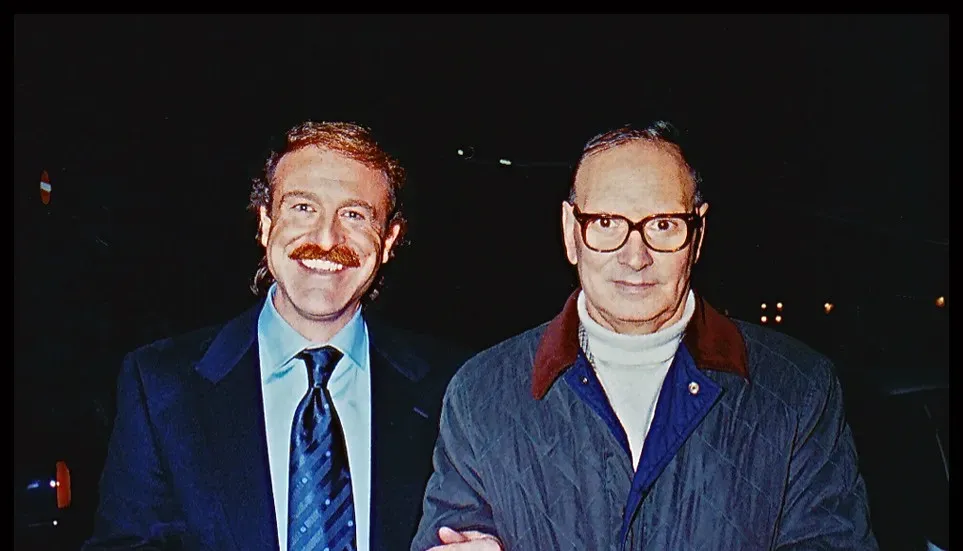
Morricone’s main theme uses a yodel like, coyote style call that turns a Western into something closer to myth. Sergio Leone’s film is long and slow, and the music gives it a wild, almost comic swagger.
The finale is where it really pays off. During the three way standoff in the cemetery, the cue known as “The Ecstasy of Gold” and the ensuing duel music build tension with almost no dialogue. Leone’s editing follows the music’s rhythm, so the sequence feels like an opera scene rather than a gunfight.
Star Wars (1977), John Williams
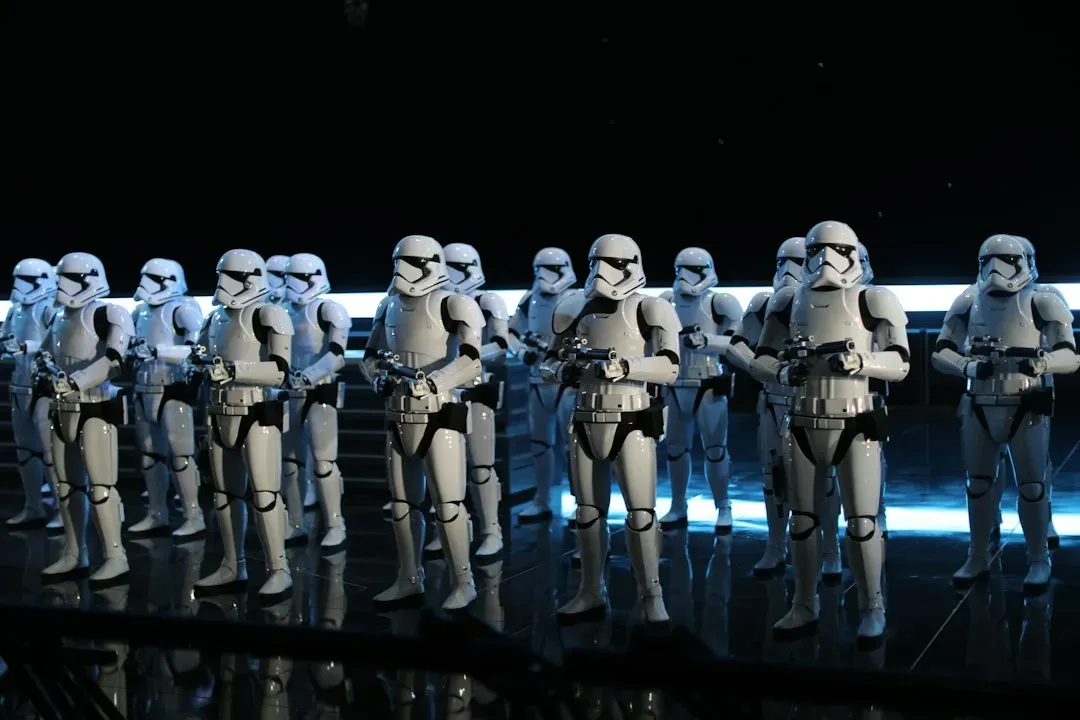
Williams recorded the score with the London Symphony Orchestra, choosing a lush, late Romantic sound at a time when many science fiction films leaned on electronic effects. That decision made the film feel timeless, grounded in adventure stories people already knew.
The score also introduced the idea of leitmotifs to a mass audience, with musical themes tied to characters and ideas. It won the Academy Award for Best Original Score, and its opening fanfare is one of the most familiar pieces of film music ever written. Without it, the crawl of yellow text would just be text.
Blade Runner (1982), Vangelis
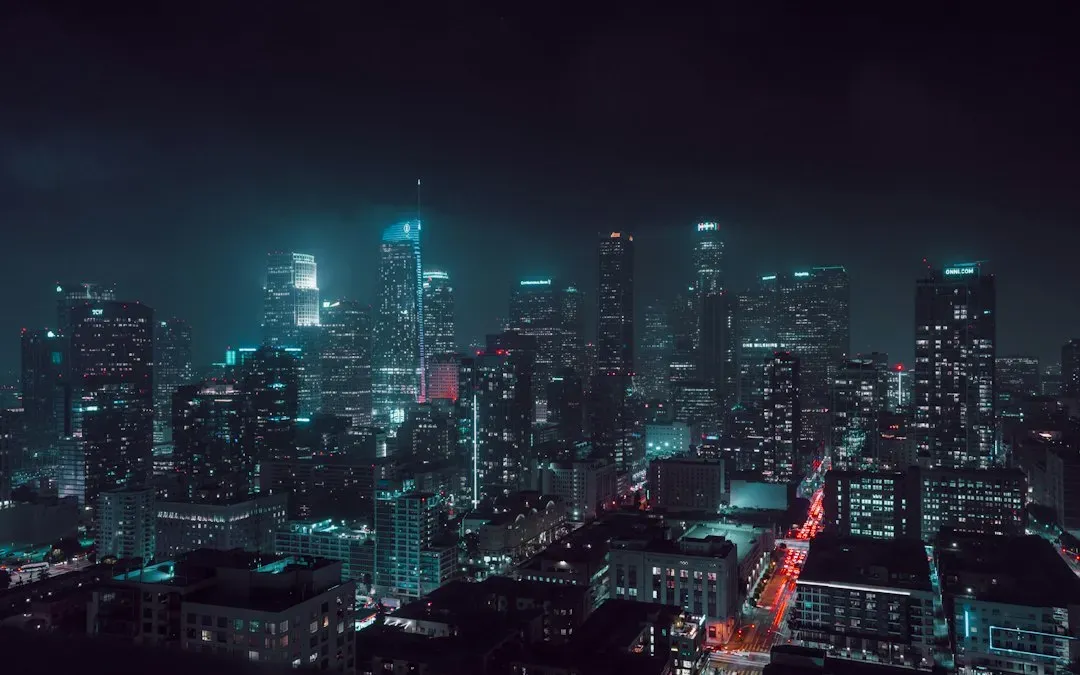
Vangelis built the sound of a rain soaked, neon lit Los Angeles from synthesizers, with slow pads, distant bell tones, and a mournful saxophone in the love theme. The music gives Ridley Scott’s world its dreamlike, melancholy weight.
Oddly, a full official soundtrack album didn’t appear until 1994, which left fans hunting for bootlegs for years. That long absence probably added to the score’s mystique. Today it’s often cited as a blueprint for how futuristic cities are supposed to sound.
Interstellar (2014), Hans Zimmer
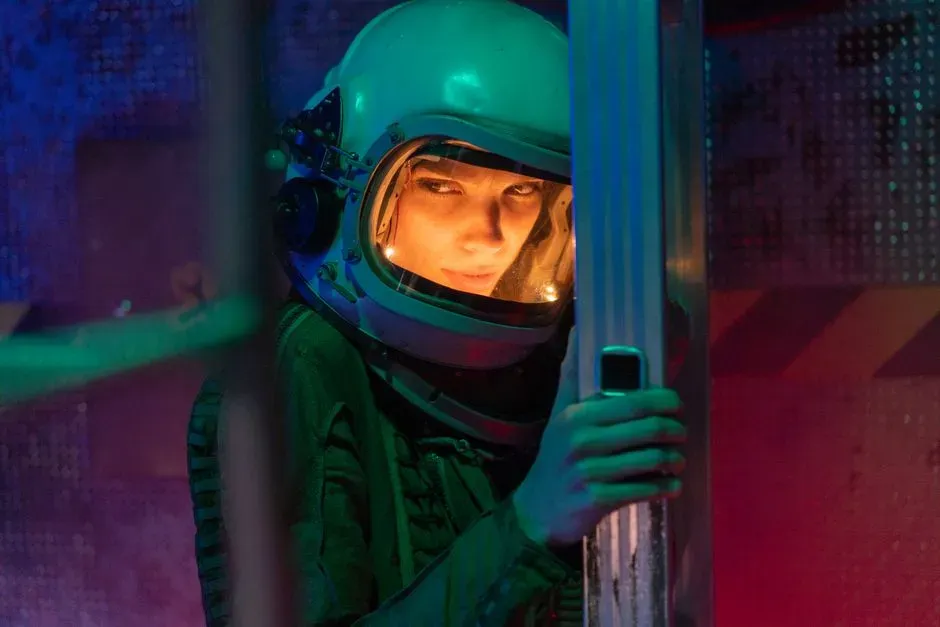
Christopher Nolan reportedly gave Zimmer just a single page of text about a father and child, with no script and no mention of space. Zimmer responded with a score built around the pipe organ, recorded at Temple Church in London. The instrument’s size and spiritual feel suit a story about time, distance, and love.
The organ is what makes the film’s biggest moments land. Cues like “Cornfield Chase” use repeating patterns that swell gradually, so emotion builds even when the visuals are quiet. Nolan also mixed the music loud and close to the dialogue, which made the score feel like a character.
Joker (2019), Hildur Guðnadóttir
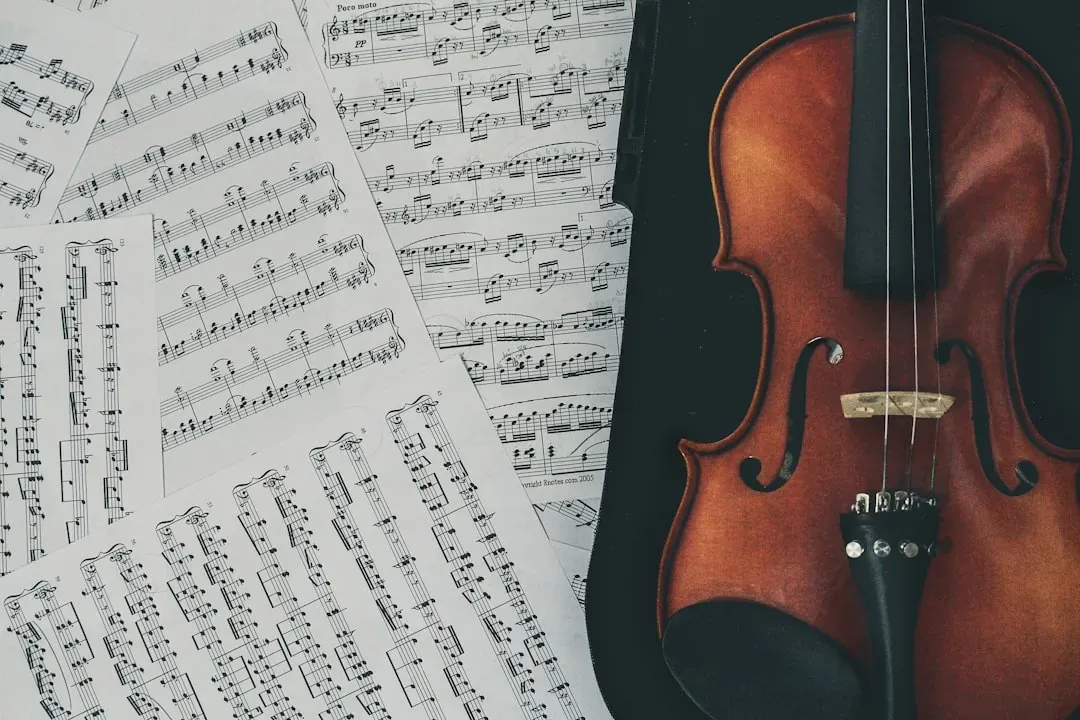
Guðnadóttir wrote much of the score after reading the script, before filming began, and her cello driven music was played on set. Joaquin Phoenix has said in interviews that it influenced his physical performance, and the scenes reflect that. The cello sounds heavy, weary, and slightly threatening, much like the character.
She won the Academy Award for Best Original Score for the film, becoming the first woman to win that category as a solo composer in more than two decades. The music matters because it makes a bleak, sometimes repellent story hard to look away from. Take the cello away and the film loses much of its gravity.
Oppenheimer (2023), Ludwig Göransson
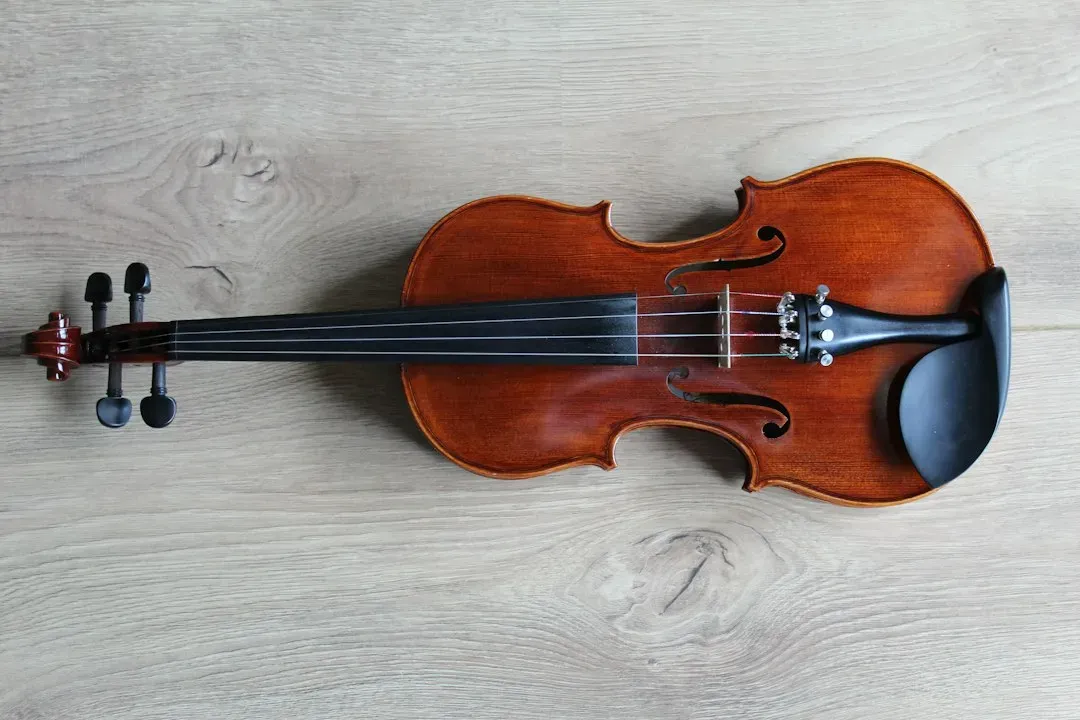
Göransson scored Oppenheimer with a restless violin at its center, performed by his wife, Serena McKinney. The music races and pulses, matching the anxiety inside a man who is splitting the atom and, in a sense, his own conscience.
The score won the Academy Award for Best Original Score at the ceremony held in 2024. What stands out is how continuous it is, running through much of the three hour runtime and turning conversations in rooms into something that feels like a thriller. Nolan’s film relies on that momentum more than most historical dramas would.