Before home video, a movie’s first run was rarely its last. Studios sent popular titles back out every few years, and a kid who saw a film in one decade could take their own kids to it in the next. Today the habit has returned in the form of anniversary screenings, restorations, and premium format showings.
The eight films below all had a second theatrical life separated from the first by a span of decades. Some returned unchanged, others came back with new footage or a fresh look, and each shows a different reason a film gets a second chance on the big screen.
Star Wars (1977 and 1997)

George Lucas’s space adventure opened in May 1977 and stayed in theaters for a very long time. It was reissued several times in the years that followed, which helped cement its place in pop culture. By the mid 1990s, though, it had long since moved to video.
In January 1997, the Special Edition arrived for the film’s twentieth anniversary. It added computer generated shots and extra creature scenes that Lucas said he couldn’t achieve with the technology of 1977. Audiences were split on the changes, but the release brought the film back to the top of the box office.
E.T. the Extra-Terrestrial (1982 and 2002)
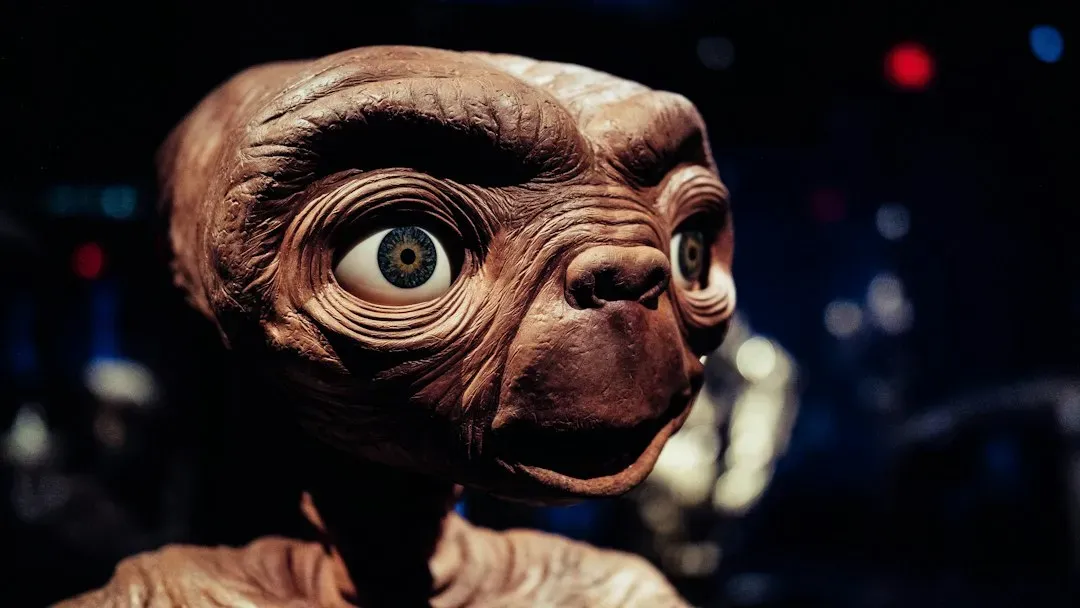
Steven Spielberg’s film opened in June 1982 and became one of the biggest hits of its era. It returned to theaters in 1985, then received its most talked about revival twenty years after its debut. The anniversary edition opened in March 2002 with a new digital polish.
That version swapped some effects shots for computer graphics. It also replaced the guns carried by federal agents with walkie talkies, a change that drew plenty of criticism. Spielberg later said he regretted altering the film, and the original cut has since been the version shown for later anniversary screenings.
Snow White and the Seven Dwarfs (1937 and 1993)

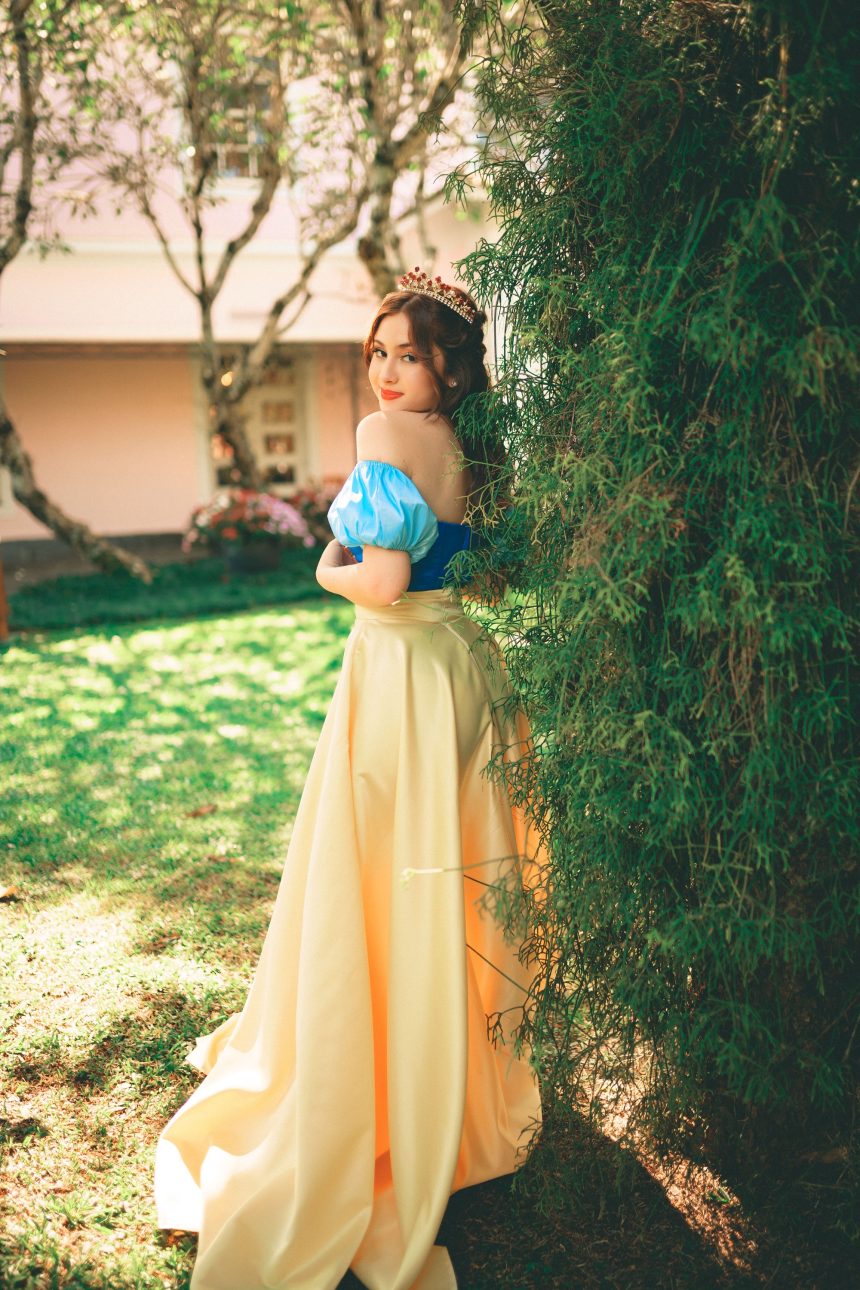
Disney’s first full length animated feature premiered in Los Angeles in December 1937. Studio executives soon realized that each new generation of children could be treated as a fresh audience. Disney built a pattern of reissuing its classics roughly every seven years.
Snow White went back into theaters repeatedly across the decades, including in the 1940s, 1950s, 1960s, 1970s, and 1980s. Its 1993 run was the last major theatrical reissue of the film before it reached home video. That puts the span from the original premiere to that final reissue at more than fifty years.
Jaws (1975 and 2025)
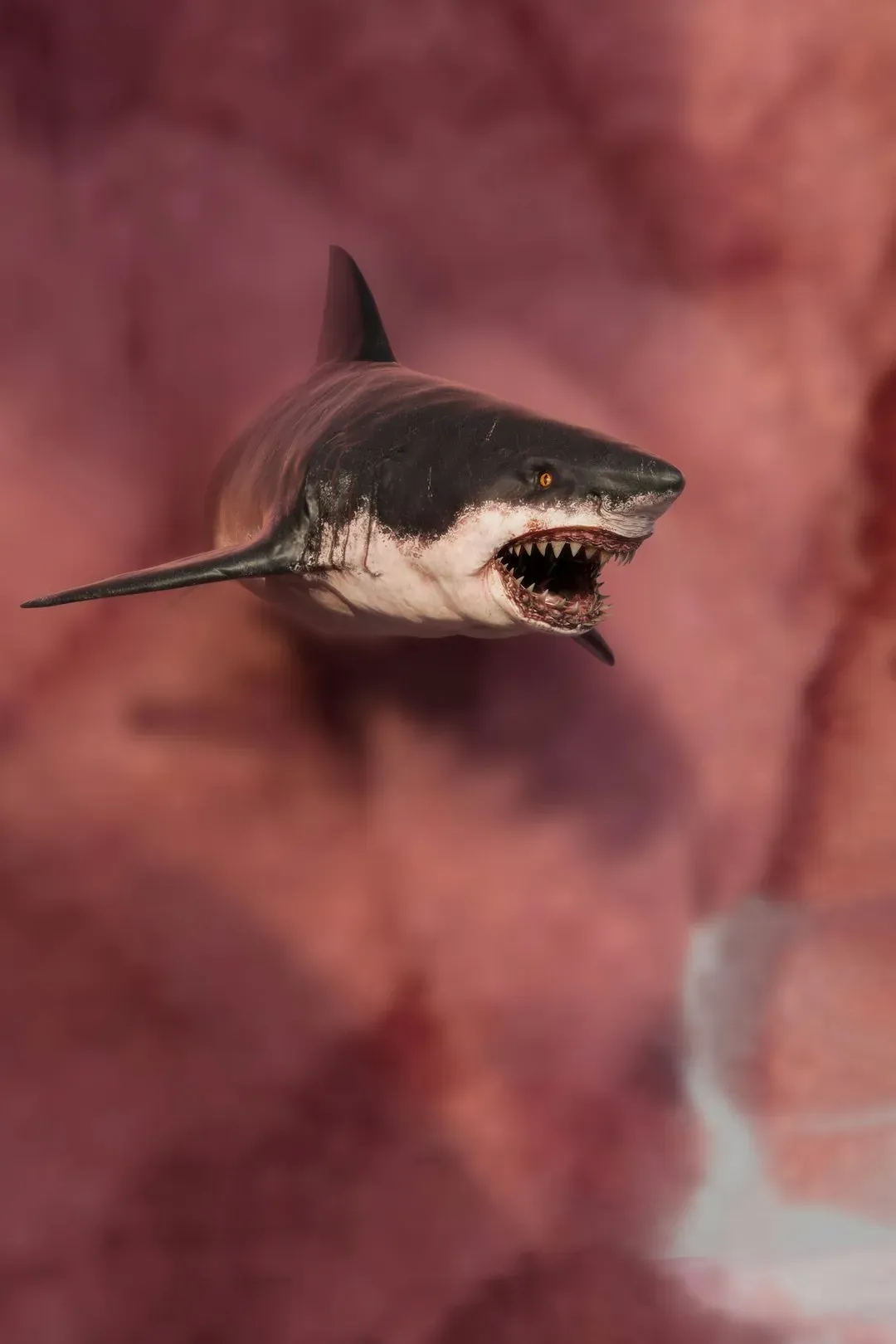
Jaws opened in June 1975 and is widely credited with shaping the modern summer blockbuster. It returned to theaters in 1976 and again in 1979, then settled into television and home video for a long time. A limited theatrical run followed in 2012 to promote the Blu-ray release.
Partner offer
In 2025, the film came back to cinemas for its fiftieth anniversary, including showings in IMAX. Seeing it half a century later gave a new audience a chance to experience Spielberg’s pacing and the long stretches where the shark is barely seen. It remains a rare case of a thriller that works as well on a giant screen as it did on its first release.
Gone with the Wind (1939 and 2019)

Gone with the Wind premiered in Atlanta in December 1939 and went on to become one of the most financially successful films of all time when adjusted for inflation. MGM sent it back to theaters many times, including in the 1940s, 1950s, and 1960s. A widescreen version appeared in 1954, and a major restored print followed in 1998.
In 2019, the film returned for its eightieth anniversary through special event screenings in cinemas. By then, the film carried a more complicated reputation because of its portrayal of slavery and the Old South. That context is part of why contemporary showings are often paired with historical commentary.
The Wizard of Oz (1939 and 2013)
The Wizard of Oz first appeared in theaters in August 1939 and did not make a large profit on its first run. Its status as a classic grew through later reissues and then through annual television broadcasts beginning in the 1950s. MGM brought it back to cinemas in 1949, which helped rebuild its reputation.
In 2013, it returned in a converted 3D version shown in IMAX theaters. The restoration drew on the original Technicolor elements and was a way to show how much the film’s look still impressed audiences. It was a good example of a studio using new technology to bring an old title back to the big screen.
Blade Runner (1982 and 2007)
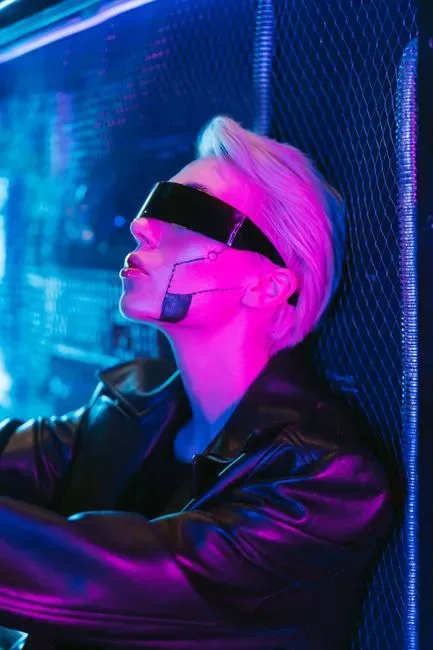
Ridley Scott’s science fiction film opened in 1982 to a muted response from critics and audiences. Over the following years, home video and repertory screenings turned it into a cult favorite. Several different cuts circulated, which made the film’s history a bit tangled.
In 2007, a new version called The Final Cut played in select theaters for the twenty fifth anniversary. It was the first edition over which Scott had full creative control. The restored picture and cleaned up effects gave audiences a clearer look at a film that had been reevaluated as a landmark of the genre.
Apocalypse Now (1979 and 2019)

Francis Ford Coppola’s Vietnam War epic reached theaters in 1979 after a famously troubled production. Twenty two years later, in 2001, Coppola released Apocalypse Now Redux, which added roughly three quarters of an hour of material. That edition was a long, loose take on the story and divided viewers.
The Final Cut came in 2019, marking the fortieth anniversary and playing in theaters that August. It was restored in 4K with cinematographer Vittorio Storaro overseeing the visuals, and it runs about three hours. Coppola described it as the version he preferred, placing it between the original and Redux in length and feel.
Partner offer
Planning a trip to Vegas?
Compare hotel rates and show tickets on VEGAS.com.