Hollywood has a way of typecasting people long after the cameras stop rolling. Once you’re known for a sitcom laugh track or a Disney Channel theme song, it can be hard for the public to imagine you doing anything else, let alone running a venture fund or co-founding a crypto exchange. Yet a surprising number of former child performers have quietly stepped into boardrooms, product meetings, and investor pitches. Some built companies from scratch. Others became early believers in ideas that later reshaped entire industries. Here are eight who made that leap.
Brock Pierce: from Mighty Ducks to crypto pioneer
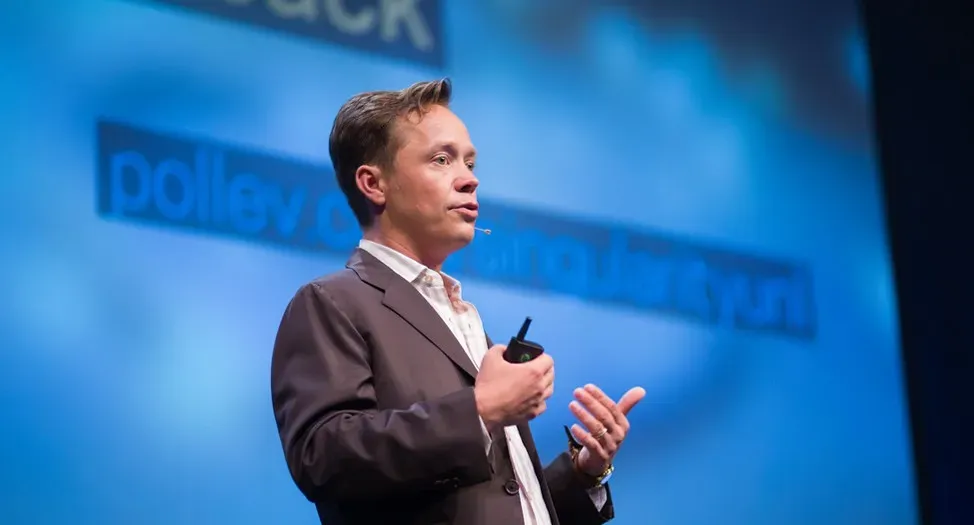
Long before he was known in blockchain circles, Brock Pierce starred as a child actor in the Disney films The Mighty Ducks, D2: The Mighty Ducks, and First Kid. His acting career wrapped up in the late 1990s, and rather than chase more roles, he drifted toward the emerging world of online gaming and virtual goods, a path that would end up mattering far more to his future than any script ever did.
That early fascination with digital economies eventually pulled him into cryptocurrency. He co-founded several high-profile projects in the crypto and blockchain sectors, including Blockchain Capital, Tether, and EOS, after beginning his career as a child actor. He also spent time as chairman of the Bitcoin Foundation, and his ventures around Block.one’s EOS platform became one of the most talked about token launches in crypto history.
Justin Timberlake: from Mickey Mouse Club to Myspace owner
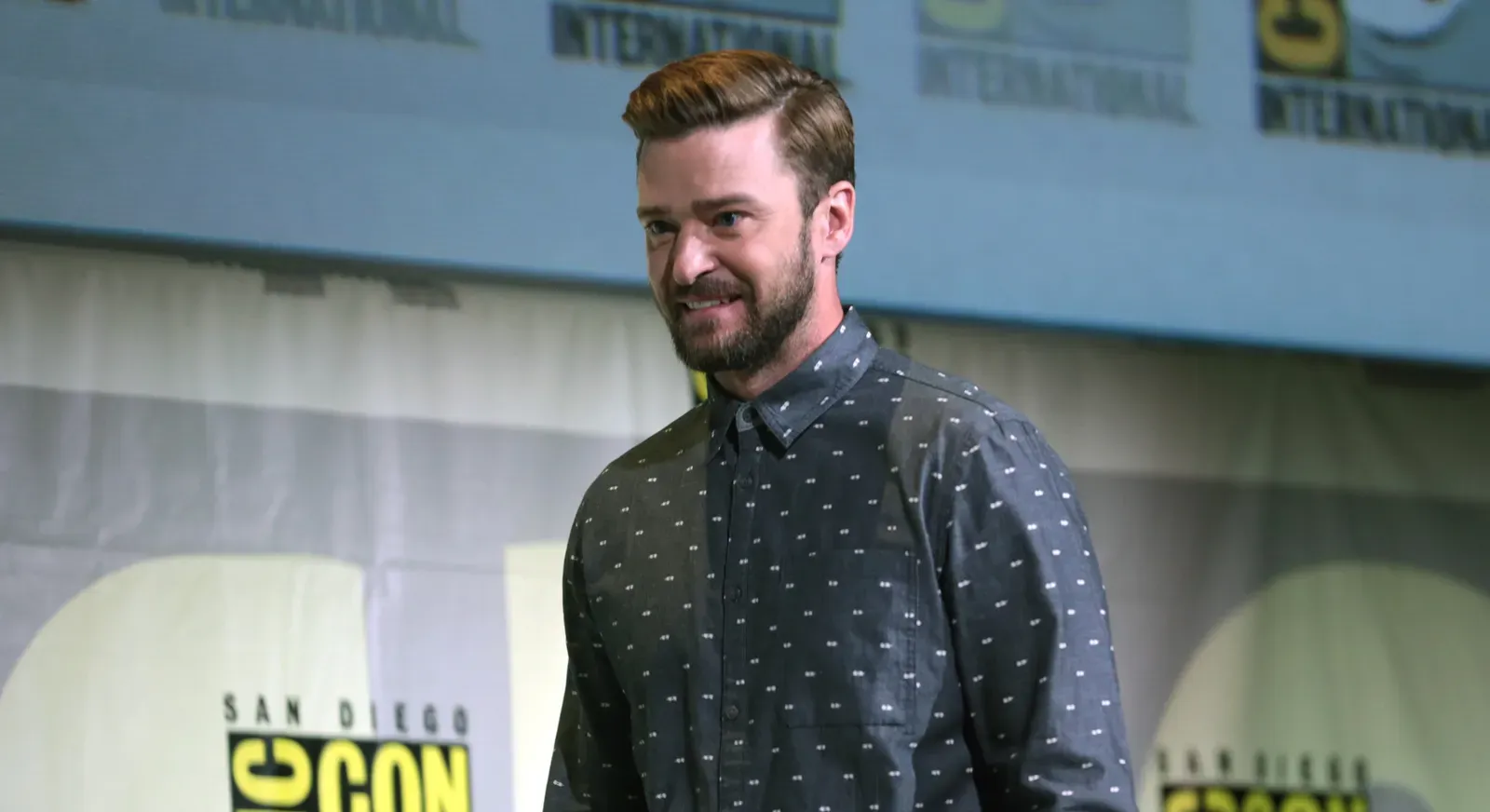
Justin Timberlake’s path into tech started with an unlikely sentence: an actual owner of Myspace. It’s apparently not enough for Justin Timberlake to play an internet mogul on the big screen; the singer turned actor became one in real life, as one of the new owners of Myspace. The deal came together in 2011 when Specific Media purchased the fading social network from News Corp and brought Timberlake in for more than a passing endorsement.
As part of the deal, Timberlake took an ownership stake and played a role in developing the creative direction and strategy for the company moving forward. Myspace never recaptured its old glory, but the venture reflected a broader pattern in his business life. He also invested in the 2011 MySpace acquisition for 35 million dollars and later became a co-owner of Tidal alongside Jay-Z, backing the high fidelity streaming platform. Before any of that, of course, he’d spent his early teens on the Mickey Mouse Club stage alongside future pop icons.
Kevin Jonas: the Jonas Brother who went into real estate tech
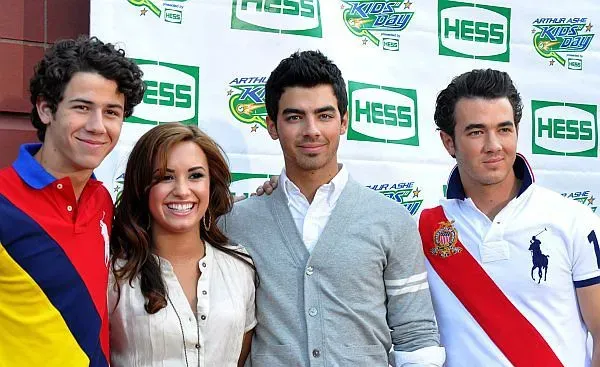
When the Jonas Brothers went on hiatus in 2010, Kevin Jonas didn’t just wait around for a reunion. He went into real estate development by launching his own company, JonasWerner, which specialized in building custom mansions within commuting distance of Manhattan. That business gave him a taste for building things outside of music, and it wasn’t long before he pointed that energy toward software.
Yoodlize is a real estate tech app co-founded by Kevin Jonas that marked his entry into the real estate technology space. He also dabbled in food delivery technology, since he experimented with technology and food industry entrepreneurship by creating the app Yood in 2015. Not every venture landed cleanly, and he’s been candid about some costly missteps along the way, but the range of projects shows a genuine pull toward tech that started well before the band’s comeback tours.
Selena Gomez: from Barney to a mental fitness startup
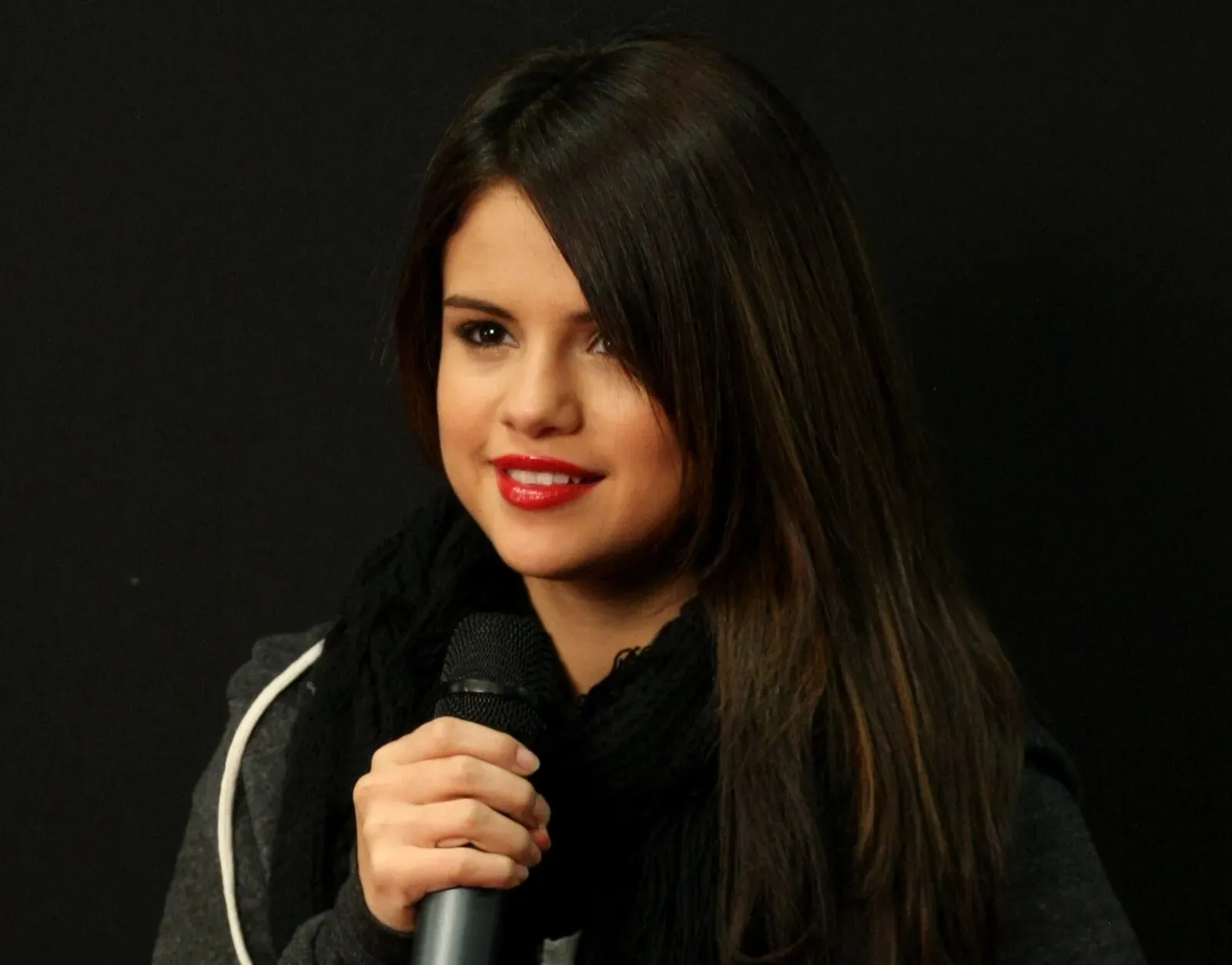
Selena Gomez’s entertainment career began about as far from Silicon Valley as it gets. She started her career as a child star, first on Barney & Friends, then on Disney Channel’s Wizards of Waverly Place. Decades later, she turned that early fame into a genuine business portfolio rather than just a brand endorsement deal.
Co-founded by Selena Gomez, Mandy Teefey, and Daniella Pierson, Wondermind bills itself as a mental fitness ecosystem, blending media, an app, and community tools around mental health. The company has hit real financial turbulence too. Forbes reported that Gomez’s mental health startup had run out of cash and failed to pay its employees, a reminder that even celebrity backed startups face the same cash flow pressures as any other early stage company. She’s also an investor in the delivery platform Gopuff, adding another tech line to a resume that already includes a hugely successful beauty brand.
Mary-Kate and Ashley Olsen: e-commerce before it was cool
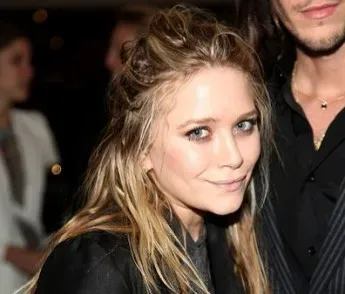
The Olsen twins spent their childhood as the twin stars of Full House, then quietly built one of the more unusual entrepreneurial paths in Hollywood. In the early 2000s they ran Dualstar Entertainment, a company that pushed heavily into internet based media and interactive products aimed at young audiences, years before most celebrities thought seriously about owning digital platforms.
By the early 2010s, their attention turned to e-commerce with StyleMint, a personalized t-shirt subscription site built with backing from the founders of JustFab. It never became a household name the way their fashion label The Row eventually did, but it placed the twins among the earlier wave of celebrities experimenting with direct to consumer tech retail, well before that model became standard practice for entertainment figures.
Macaulay Culkin: Home Alone’s kid turned digital media founder
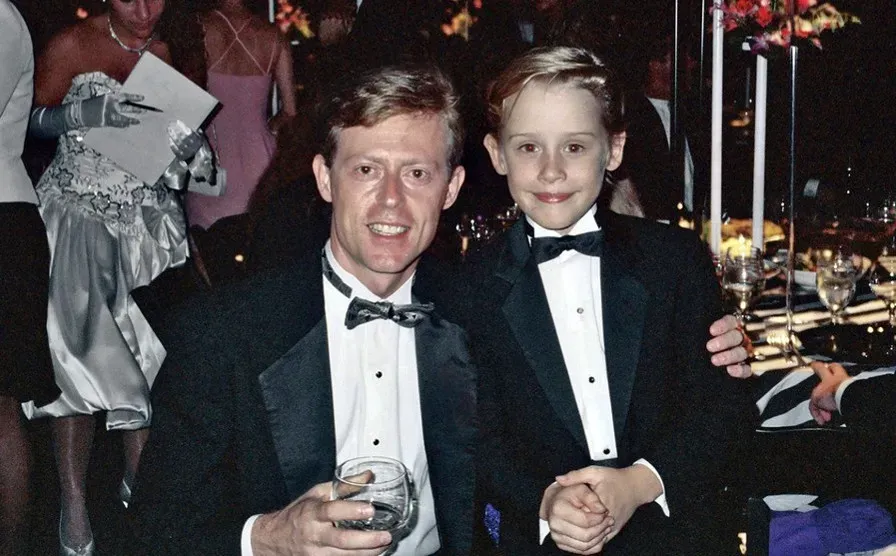
Macaulay Culkin spent the early 1990s as arguably the most famous child actor on the planet, thanks to the Home Alone franchise. He largely stepped back from mainstream acting as an adult, which made his next move a genuine surprise to longtime fans who assumed he’d simply faded from public life.
He co-founded Bunny Ears, a comedy and digital media company built around an app and website that remixed pop culture and nostalgia into shareable content for younger internet audiences. It’s a smaller operation than a crypto exchange or a beauty conglomerate, but it represents a real attempt to build something in the tech and media space rather than simply live off residuals from a decades old franchise.
Raven-Symoné: from Cosby Show to startup investor

Raven-Symoné’s career as a performer started almost before she could talk, with early appearances on The Cosby Show, followed by the lead role on Disney Channel’s That’s So Raven. That kind of early industry exposure gave her an unusually long runway to think about business well before most people finish college.
She later stepped into the world of startup investing as a guest shark on ABC’s Shark Tank, evaluating consumer products pitches alongside the show’s regular panel of investors. It’s a smaller footprint than some of the other names on this list, but it placed her directly in the deal flow of early stage companies, a role most former child actors never get near.
Jessica Alba: from teen roles to a public consumer tech company
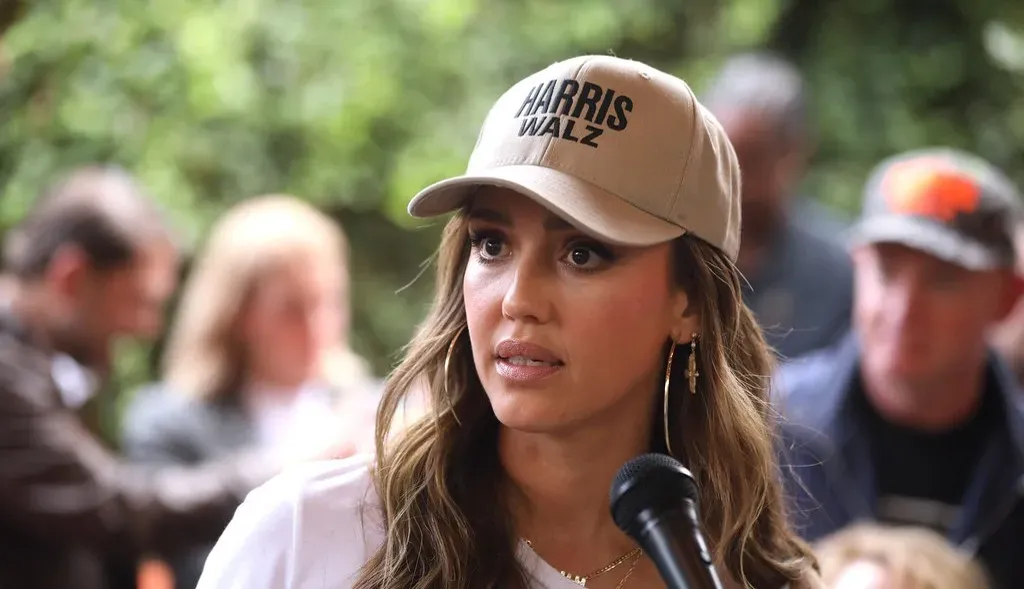
Jessica Alba landed her breakout roles as a young teenager, including a lead part on the Nickelodeon series The Secret World of Alex Mack when she was barely a teenager herself. That early start in front of the camera eventually gave way to a second act built almost entirely around building a company rather than chasing new film roles.
In 2011 she co-founded The Honest Company, a consumer goods business focused on baby products and household items that leaned heavily on e-commerce and data driven retail strategy from the start. The company went public on the Nasdaq in 2021, giving Alba a rare distinction among former child performers: an actual publicly traded business with her name attached to its founding story rather than just an endorsement deal.
These eight paths look nothing alike on paper, one built a stablecoin empire, another bought a piece of a fading social network, another turned a childhood TV gig into a beauty and wellness portfolio. What connects them is less about the specific industry and more about timing. Each of them left acting or music with enough cultural capital and, in several cases, actual capital to take real risks on unproven ideas. Not every venture on this list has been a clean success story. Wondermind’s cash troubles and Kevin Jonas’s real estate setbacks are proof that celebrity backing doesn’t shield a company from ordinary business pressure. Still, the fact that so many former child stars ended up anywhere near boardrooms, term sheets, and product roadmaps says something about how thoroughly the entertainment and tech worlds have blurred together over the past decade.