Some songs bring people together. Others, it turns out, are better at tearing them apart. Music history is full of records that topped the charts and packed arenas while the people who made them could barely stand to be in the same room. The strange irony is that some of the biggest commercial triumphs in rock history were recorded during periods of personal collapse, and in several cases, the very success of the song sealed the fate of the band that made it.
1. “The Chain” and “Go Your Own Way” tore apart Fleetwood Mac
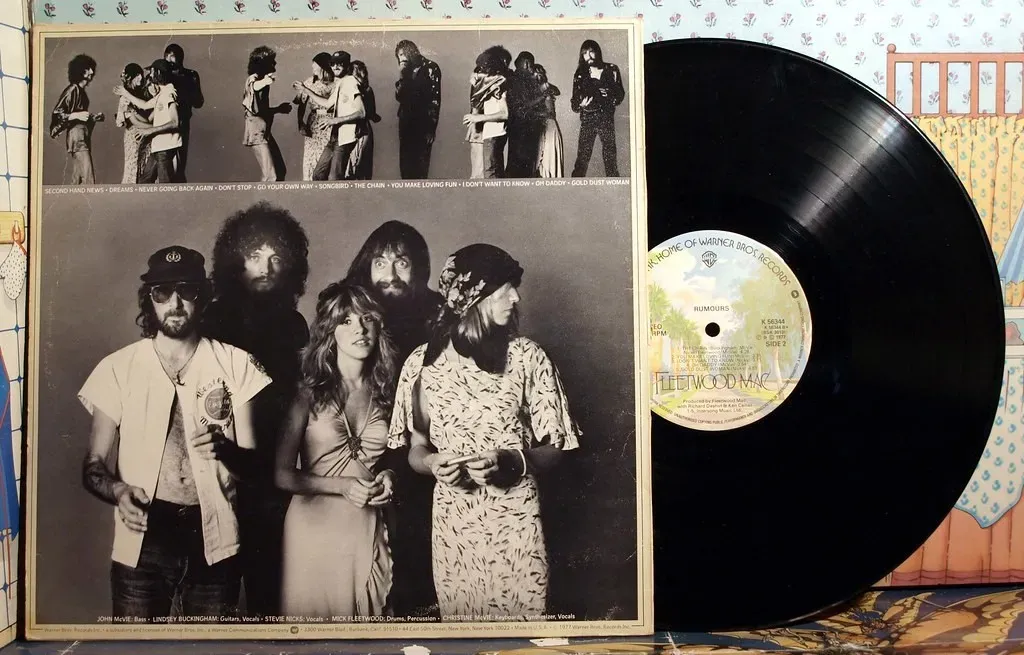
By the time Fleetwood Mac sat down to record Rumours in 1976, nearly every romantic relationship inside the band was falling apart at once. John and Christine McVie’s marriage was failing, while Nicks and Buckingham were also ending their long-term relationship, and at the same time, Mick Fleetwood was going through a divorce from his wife, Jenny Boyd, who had had an affair with former band member Bob Weston. The band turned that chaos directly into song material, with Lindsey Buckingham and Stevie Nicks essentially writing musical arguments aimed at each other.
Buckingham wrote “Go Your Own Way” as a response to his breakup with Nicks, and his anger fueled lyrics that forced Nicks to sing pointed insults at herself in the studio and every time they performed the song live. Decades later, the wound had still not fully closed. The most viral moment tied to the fallout came in 1997, during a reunion concert called The Dance, when Nicks passionately and angrily sang “Silver Springs” while holding eye contact with Buckingham, the tension still palpable on camera.
2. “Let It Be” marked the quiet end of The Beatles

The Let It Be sessions began as a documentary project meant to capture the Beatles returning to their live roots, but the reality on set was far tenser than the finished record ever let on. Rehearsals began at Twickenham Film Studios in London in January 1969 as part of a planned documentary showing the band preparing to return to live performance, and the project, initiated by Paul McCartney, was marked by ill feeling that led to George Harrison’s temporary departure from the band. Harrison’s frustration ran deeper than one bad afternoon in the studio.
Tensions between Paul McCartney and George Harrison were escalating, with McCartney, often the driving force behind the band’s music, clashing with Harrison, whose songwriting had been relegated to the background, feeding a growing sense of disillusionment that would become a significant factor in the band’s downfall. By the time the title track climbed the charts in the spring of 1970, the group behind it had already come apart. Paul McCartney, frustrated by the ongoing tension, was the first to publicly signal the end of the group, making a statement to the press in April 1970 confirming his decision to leave the Beatles.
3. “Bridge Over Troubled Water” became Simon and Garfunkel’s farewell
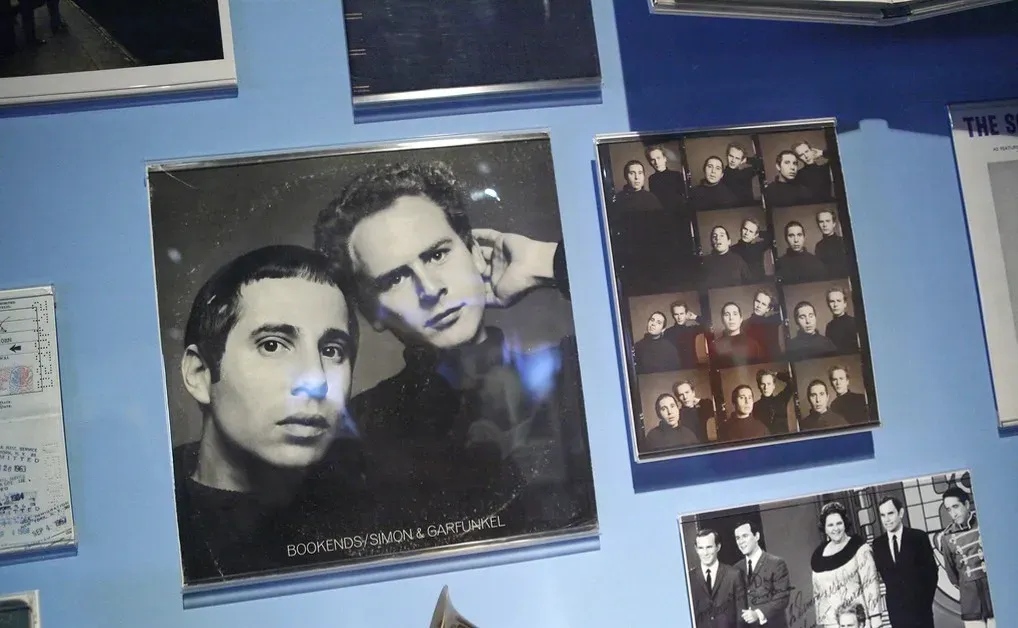
Paul Simon and Art Garfunkel had been inseparable since childhood, but the recording of their most celebrated song exposed a widening gap between two very different ambitions. Garfunkel had signed on for Mike Nichols’ film Carnal Knowledge, meaning he would be away even longer while Simon was left to write new tracks alone, and unsurprisingly this left Simon feeling depressed and resentful as their friendship deteriorated during the making of the album. The song that would define their legacy also became the symbol of what they had lost.
Paul Simon later reflected on exactly when things changed between them. “We were really best friends up until Bridge over Troubled Water,” Simon said, adding that afterward the friendship no longer carried the same harmony. The duo split not long after the record’s release, even as it swept the Grammys and became one of the best selling albums of its era.
4. “Hotel California” set the stage for the Eagles’ violent breakup

The Eagles reached their commercial peak with Hotel California in 1976, but the effort to top it nearly destroyed them. As Glenn Frey put it, they had “created a monster with Hotel California, and it ate us,” referring to the pressure of following an album that had raised the bar so high. The follow up sessions for The Long Run stretched across five different studios and eighteen exhausting months.
That slow burn eventually erupted on stage during a 1980 benefit concert, when a backstage insult between Glenn Frey and Don Felder spilled into open hostility mid-performance. “We’re out there singing ‘Best of My Love,’ but inside both of us are thinking, ‘As soon as this is over, I’m gonna kill him.’ That was when I knew I had to get out,” Frey later recalled. The band would not perform together again for thirteen years.
5. “Every Breath You Take” widened the cracks inside The Police

The Police reached their commercial summit with Synchronicity in 1983, propelled by the massive success of “Every Breath You Take,” a song written and controlled almost entirely by Sting. That dominance did not sit well with the rest of the trio, who had built their reputation partly on collective interplay between guitar, bass, and drums. Members Andy Summers and Stewart Copeland were reportedly unhappy with Sting’s disproportionate creative input and songwriting dominance.
The imbalance in songwriting credit translated directly into an imbalance in royalties and influence, which only sharpened existing personal friction within the band. Sting had already begun exploring solo material even as Synchronicity was climbing the charts, a sign that his interests had moved beyond the group format. The band never released another studio album after that record, effectively ending on the back of its biggest hit.
6. “Wonderwall” era success planted the seeds of the Gallagher feud

Oasis became one of the defining bands of the 1990s on the strength of songs like “Wonderwall” and “Don’t Look Back in Anger,” but the closer the brothers got to superstardom, the more openly they clashed. While it ultimately grew bitter, the brothers’ arguments were often as entertaining as the band’s music, and there was no question that the friction between the two was part of the band’s magic. That friction eventually stopped being entertaining and started being corrosive.
The end came backstage in Paris in 2009, years after the hits had made both brothers wealthy and famous well beyond the band itself. “People will write and say what they like, but I simply could not go on working with Liam a day longer,” Noel wrote in a statement at the time, later recounting a backstage argument in which his brother grabbed his guitar and started wielding it like an axe. It took fifteen years, and a wave of nostalgia, before the brothers agreed to share a stage again.
7. “Have You Ever Seen the Rain” underscored Creedence Clearwater Revival’s slow unraveling
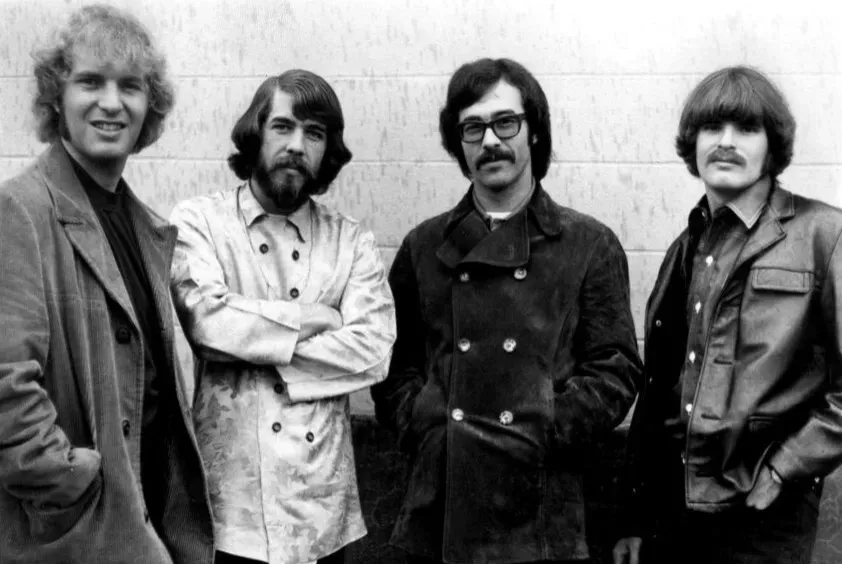
Creedence Clearwater Revival’s run of hits in the late 1960s and early 1970s made the band one of the biggest acts in America, but the arrangement inside the group was never as democratic as it sounded on record. John Fogerty wrote, sang, and largely produced the band’s biggest songs, including the hit that closed out their commercial peak, and that concentration of control frustrated his bandmates, including his own brother Tom. Tom Fogerty left the group in 1971, unwilling to keep working under an arrangement he felt sidelined his own contributions.
The remaining three members tried to continue as a trio, but the imbalance that had already cost them a founding member never really got resolved. Creditors, royalties, and creative control became sources of lasting bitterness that outlived the band itself by decades. John Fogerty and the surviving members spent years in legal disputes over the rights to the very songs that had made them famous in the first place.
8. “Good Vibrations” widened the split inside The Beach Boys
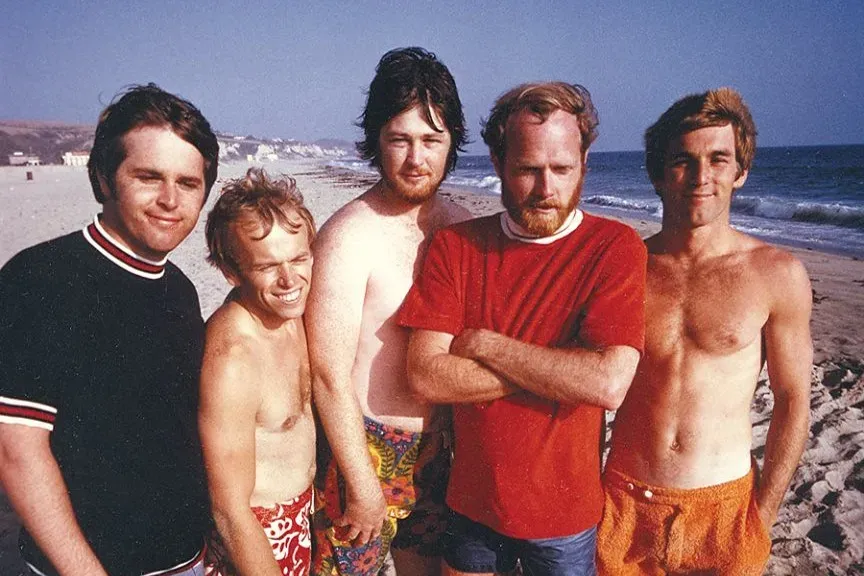
Brian Wilson’s ambitions as a songwriter and producer reached a creative high point with “Good Vibrations,” a song built from dozens of recording sessions and an experimental approach that pushed pop music forward. Not everyone in the band shared his enthusiasm for that direction. Mike Love, in particular, worried that Wilson’s increasingly elaborate and personal songwriting was pulling the group away from the sound that had made them famous.
That disagreement escalated during the sessions for the planned follow up album, Smile, which Wilson eventually abandoned amid mounting pressure and disputes within the band over its direction. The commercial success of “Good Vibrations” only intensified the argument over which version of the Beach Boys should come next, Wilson’s studio driven vision or Love’s more commercial instincts. The rift between the two men shaped decades of legal and creative conflict long after the song itself became a permanent fixture of American pop music.
Looking across these eight stories, a pattern emerges that has nothing to do with genre or decade. Success itself, especially the sudden, overwhelming kind that a massive hit brings, tends to expose whatever cracks already existed between the people making the music. The songs survived. In most cases, the friendships did not, at least not for a very long time.