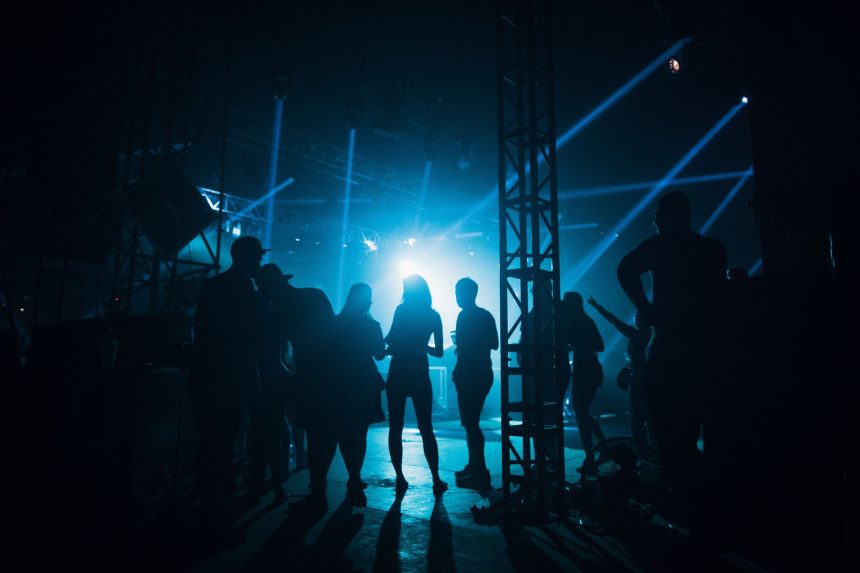
Meet and greets look simple from the outside: a line, a photo, a quick hello, then the next person steps up. But talk to tour managers, photographers, or the handful of artists who’ve opened up about their backstage routines, and a different picture emerges. There’s a quiet, unofficial list of things performers do for fans that never make it into the official meet and greet packages sold online.
These aren’t grand gestures meant for social media clips. They’re smaller, almost private moments that happen when a security guard looks the other way or a tour manager decides the schedule can bend by five minutes. Here’s a look at eleven of the most common ones, based on patterns fans and industry insiders have described for years.
1. Signing items that aren’t officially allowed
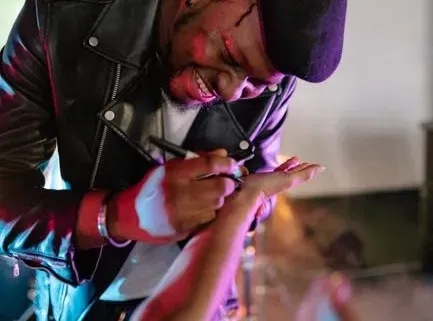
Most meet and greet contracts specify what can be autographed, usually a poster or CD provided by the tour. Yet plenty of artists will still sign a beat up notebook, a cast, or a family photo if a fan pulls it out and asks nicely. Security staff often let it slide because the moment is brief and doesn’t hold up the line for long.
This habit shows up especially with older or more established acts who’ve done thousands of these interactions and no longer see the harm in bending a minor rule. It costs the artist nothing extra in time, but it means everything to the person holding the item.
2. Taking a photo with a phone that isn’t top quality
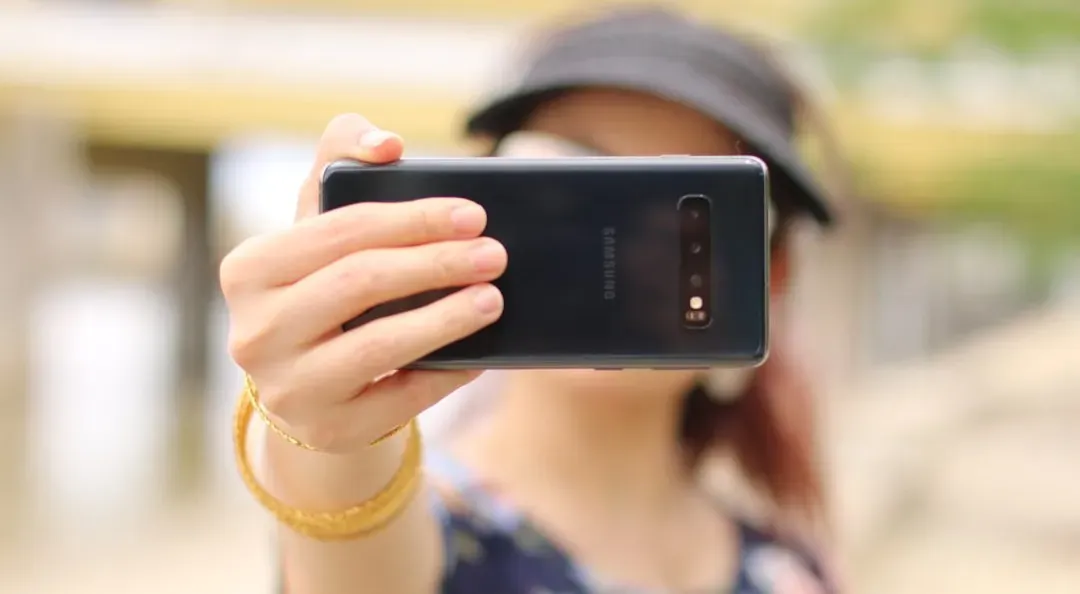
Professional tour photographers are typically the only ones authorized to shoot meet and greet photos, partly for consistency and partly for likeness rights. Still, many performers will happily pose for a quick phone snap from a fan’s own device, especially if the official photo session already wrapped.
It’s a small workaround that keeps everyone happy. The artist gets a usable image for promotional purposes, and the fan walks away with something personal and unfiltered, taken on their own terms rather than staged by a crew.
3. Spending a few extra seconds with someone who’s clearly nervous
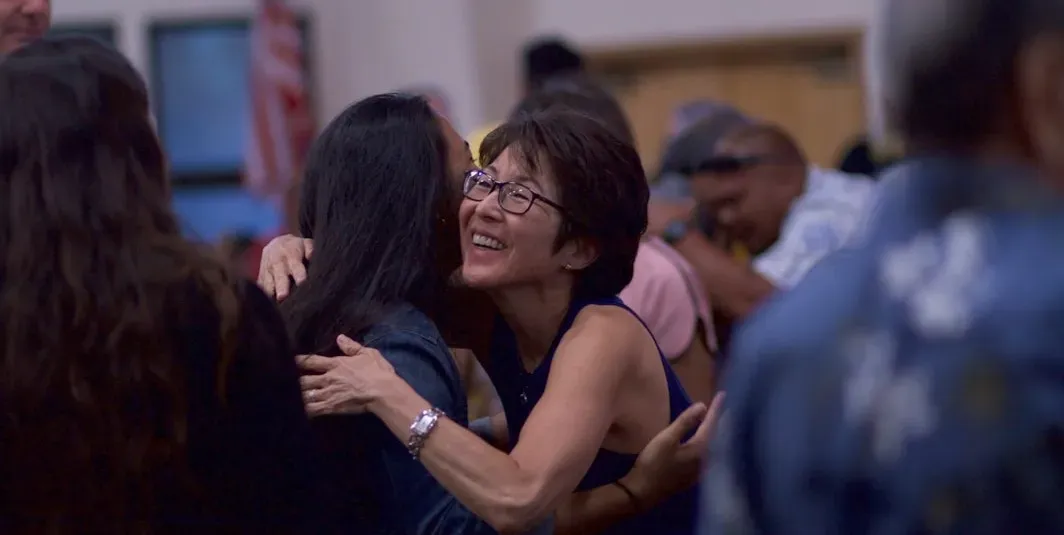
Meet and greet lines move fast, often timed down to the second because dozens of people need to pass through before doors or soundcheck. But when a fan is visibly shaking, crying, or struggling to speak, most performers will slow down rather than rush past the moment.
Tour staff generally build a small buffer into the schedule for exactly this reason, understanding that some fans have waited years for thirty seconds of face time. A slightly longer pause here rarely throws off the whole line, and it tends to be the interaction fans remember the longest.
4. Reading letters on the spot instead of taking them for later
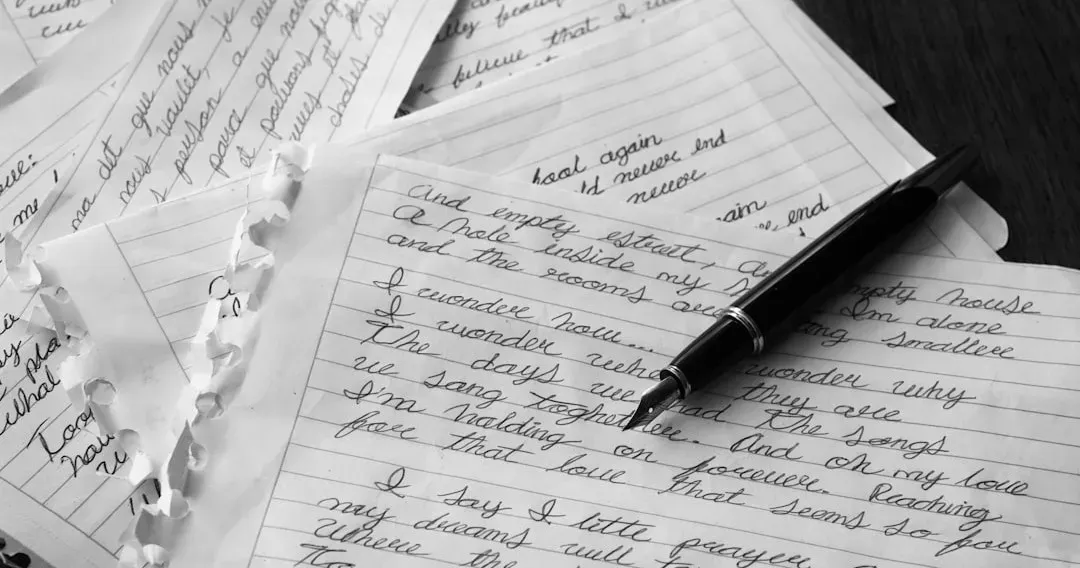
Fans often hand over letters, and the standard instruction from most teams is to collect them for the artist to read later, if at all. Despite that, many singers will glance at a letter right there, especially if it’s short or the fan asks them to.
It’s a small deviation from protocol, but a meaningful one. Reading even a few lines in front of the person who wrote them turns a passive handoff into something closer to a real exchange.
5. Answering questions about unreleased music
Labels and management teams are usually strict about what artists can say regarding upcoming projects, since leaks and premature announcements can disrupt marketing plans. Backstage, though, the rules loosen slightly, and performers will sometimes confirm a rumor or hint at a release date if a fan asks directly.
These hints rarely reveal anything a savvy fan couldn’t already guess from social media clues. Still, hearing it confirmed by the artist themselves feels different, and it’s become one of the more common quiet trades made backstage in exchange for a fan’s patience and loyalty.
6. Letting a fan bring a small gift past security
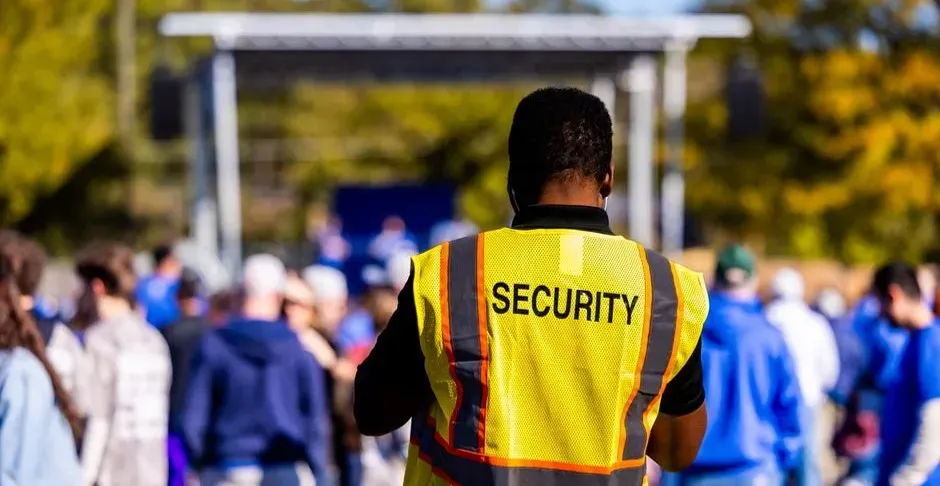
Security at most large tours screens gifts closely, both for safety reasons and because artists receive an overwhelming volume of items at bigger shows. Even so, tour managers will often make exceptions for something clearly personal, like handmade art or a small, thoughtful token, waving it through after a quick check.
Partner offer
Artists have spoken in interviews about keeping specific fan made gifts in their homes or dressing rooms for years afterward. That kind of longevity suggests these exceptions aren’t just about softening a rule for a night. They matter to the performer too.
7. Allowing a hug when policy says handshake only

Post pandemic touring brought a wave of updated contact policies, with many meet and greets shifting to elbow bumps, handshakes, or no contact at all for health and logistical reasons. Despite official signage, plenty of artists will still offer a brief hug if a fan seems to need it, particularly at smaller venues or fan club events.
This tends to be judged case by case rather than applied evenly. A performer reading the room and choosing warmth over the printed rule is one of the more human moments that survives in an industry increasingly built around strict, contract driven contact rules.
8. Remembering details from a previous meeting
With touring schedules that sometimes include hundreds of meet and greet interactions across a single run, it would be reasonable for artists to blur every face together. Yet many performers make a visible effort to recall something specific, a name, a story, a shirt from a past show, when a repeat fan comes through the line again.
Tour staff sometimes help by keeping informal notes on regular attendees, feeding small reminders to the artist just before the fan steps up. It’s a quiet system, but it produces moments that feel spontaneous even when there’s a bit of behind the scenes coordination involved.
9. Giving away a piece of stage gear

Guitar picks, drumsticks, and set list pages are the most commonly tossed items during a show, but backstage giveaways of larger gear happen too, just less publicly. A worn in wristband, a spare in ear monitor, or a piece of tour merchandise not sold to the public sometimes ends up in a fan’s hands after a meet and greet.
These gestures usually go to fans who’ve shown up repeatedly across a tour or who’ve clearly gone through something difficult. It’s not a scheduled part of any meet and greet package, which is exactly why it tends to feel more genuine when it happens.
10. Speaking a few words in a fan’s native language
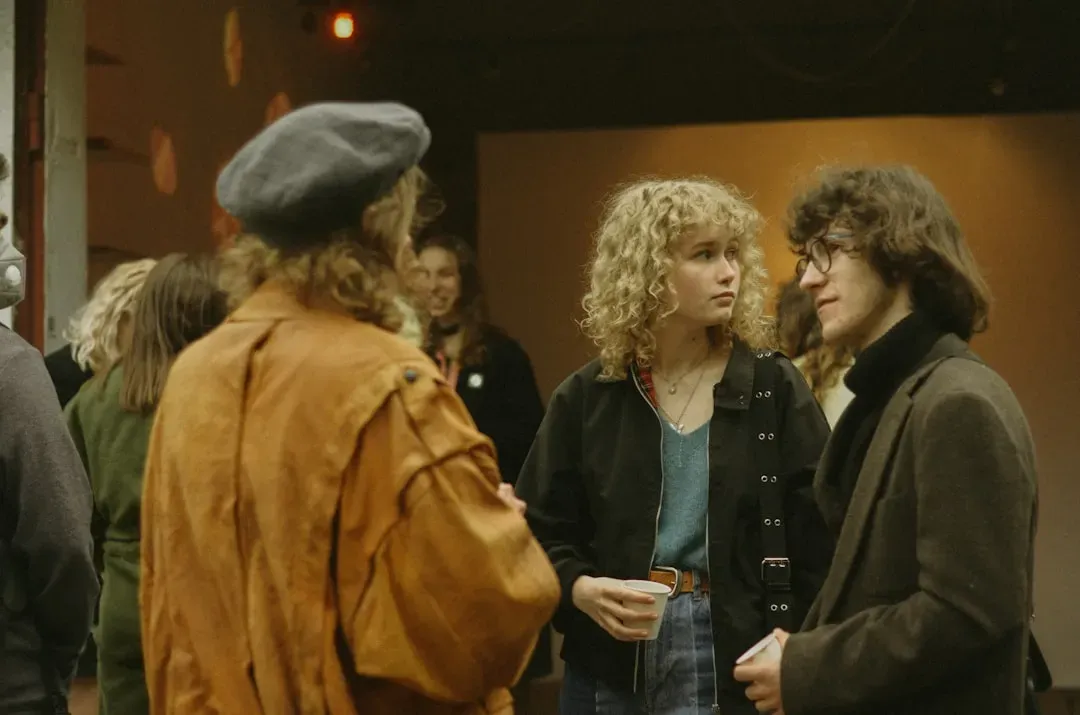
International touring means artists regularly meet fans whose first language isn’t English, and translation apps or tour interpreters typically handle most communication. Still, many performers make the effort to learn a handful of phrases, sometimes just hello or thank you, in the language of the country they’re visiting.
It’s a small gesture that takes minimal effort but tends to land deeply with fans who rarely see performers try. Several artists have described this practice publicly as a way to show respect for audiences outside their home markets, rather than treating every stop on tour as interchangeable.
11. Bending the strict no filming rule for a few seconds
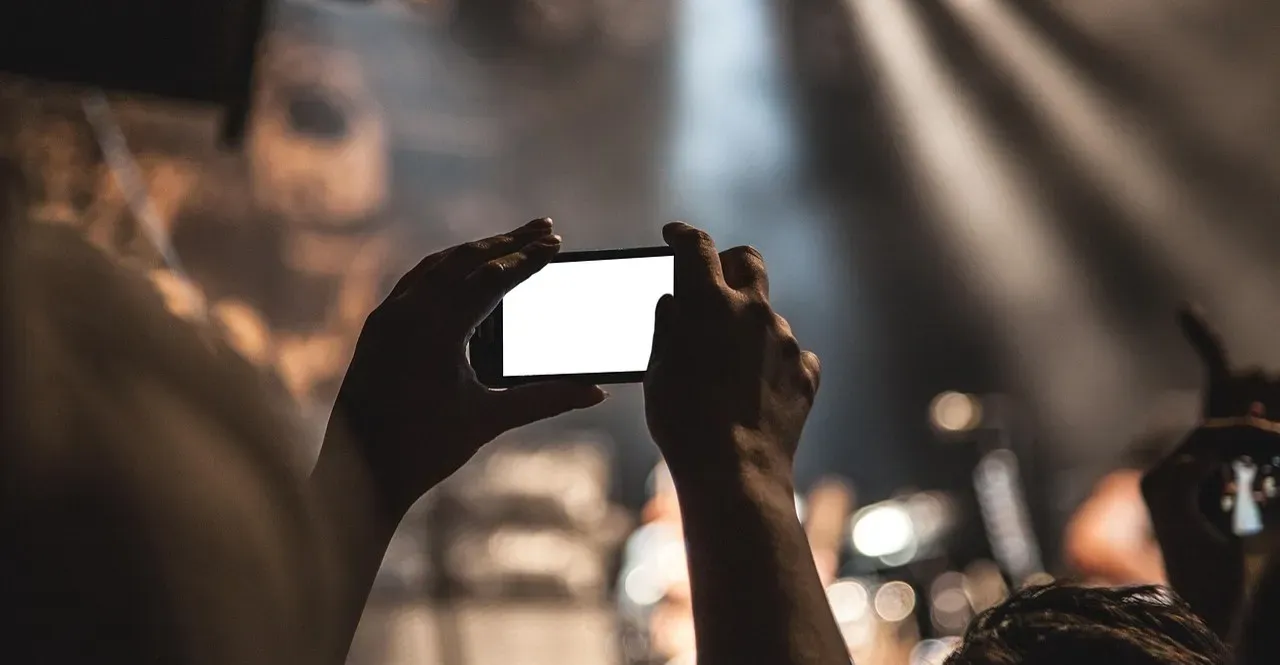
Most meet and greet contracts explicitly prohibit video recording, largely to prevent leaked footage or unauthorized content circulating before official promotional material. Occasionally, though, an artist will allow a short video, especially for a fan celebrating something significant like a birthday, recovery milestone, or long awaited reunion after being separated during a previous canceled tour.
Security typically steps in fast if filming continues beyond a few seconds, since the rule exists for real contractual reasons tied to image rights and marketing control. Even so, that brief allowance has become one of the more talked about backstage exceptions among fans who’ve experienced it firsthand.
None of these gestures are advertised, and none of them are guaranteed. They depend entirely on the artist, the mood of the day, and how much room a tour schedule happens to leave. But collectively, they explain why some meet and greets stick in a fan’s memory far longer than the ticket price alone would suggest.
Partner offer
Planning a trip to Vegas?
Compare hotel rates and show tickets on VEGAS.com.