Hollywood loves a good origin story, but it rarely talks about the flip side of fame. A role can turn an unknown into a household name overnight, then quietly trap that same person for decades. Audiences remember the character. Casting directors remember the character. And somewhere along the way, the actor underneath starts to disappear.
The following eight cases span nearly a century of film history, from the earliest days of Universal horror to the blockbuster era of superheroes and space operas. Each performer created something unforgettable. Each also paid a price that few people watching from the theater seats ever fully understood.
1. Bela Lugosi as Count Dracula (Dracula, 1931)
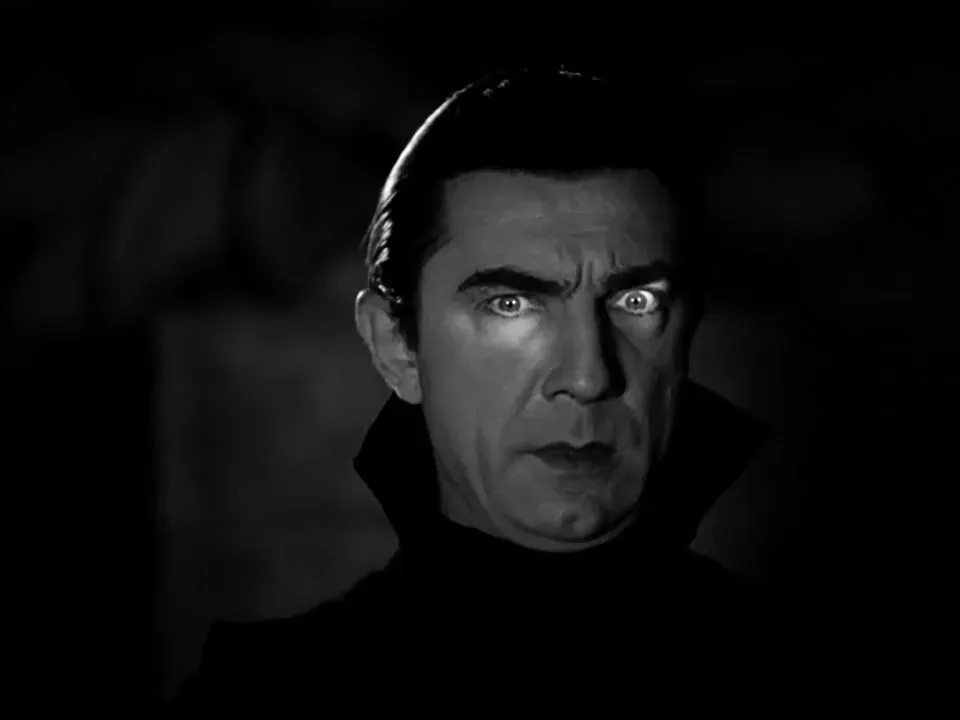
Lugosi campaigned hard to play the vampire count on screen after originating the role on Broadway, and the gamble paid off commercially. Before Bela Lugosi was cast as Dracula, Universal considered other actors including Lon Chaney and Paul Muni, and Lugosi lobbied intensely for the part, ultimately accepting a low salary to secure it. The film became a sensation, but the accent and screen presence that made him so effective also became a trap.
His Hungarian accent limited his repertoire, and he tried unsuccessfully to avoid typecasting throughout the 1930s. Studio executives increasingly preferred his rival Boris Karloff for prestige horror work, leaving Lugosi to scrape by in B-pictures. Late in his career he lamented his typecasting in a television interview, reflecting that he had become “the Boogie Man” and wished he could play more comedy. By the time he died in 1956, the man who defined screen vampirism for generations had spent decades unable to escape his own shadow.
2. Anthony Perkins as Norman Bates (Psycho, 1960)
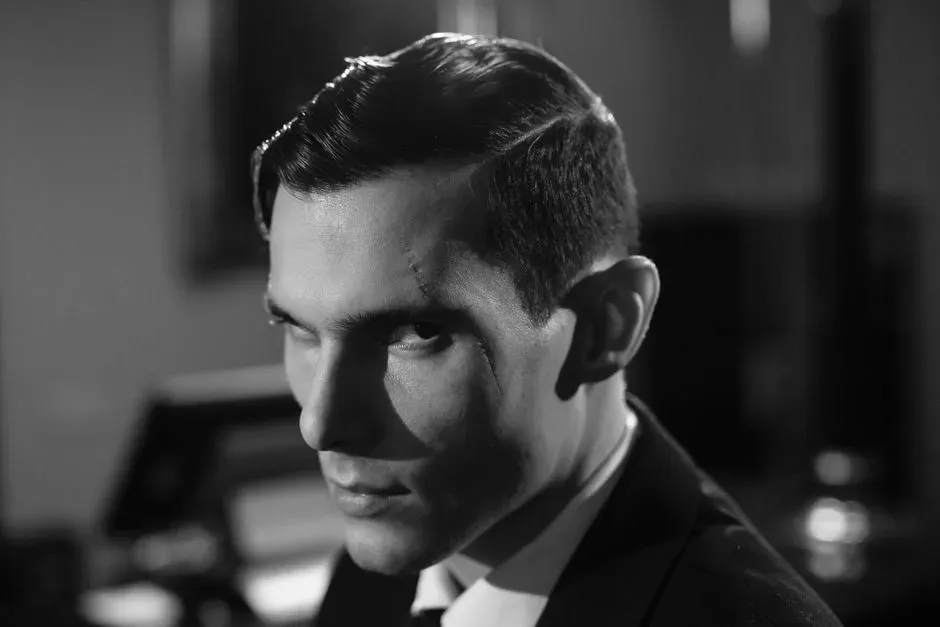
Before Alfred Hitchcock cast him as a shy motel keeper with a secret, Perkins was building a career as a romantic leading man. He was one of the most intriguing leading men of the 1950s, earning critical praise in Friendly Persuasion and Fear Strikes Out, and was regarded as a fine candidate for romantic lead parts. Then Norman Bates arrived, and everything changed.
After he portrayed the murderous mama’s boy in Hitchcock’s hugely successful thriller, Perkins was so effective in the role that for many viewers and producers, the character came to define him. Typecasting from the Bates role would follow Perkins for years in American film circles, prompting him to relocate to Europe for work. He eventually leaned into the association, returning to the character in three sequels decades later, but the versatile leading man he might have become never quite materialized in American cinema.
3. Margot Kidder as Lois Lane (Superman, 1978)

Kidder’s sharp, funny take on the Daily Planet reporter helped make the first Superman film a genre defining hit. Yet the years following the franchise brought a steep and public decline. By the late 1980s the Superman franchise had tapered off, and Kidder’s career had tipped into sharp decline, partly because of a reputation for being outspoken and critical of Hollywood executives.
Her personal struggles compounded the professional ones. Kidder later said that after Superman came out she found it very difficult to deal with, describing having to put on a phony face in public that filled her with anxiety and panic while hiding her manic depression. A 1990 car accident and a highly publicized breakdown in the mid-1990s pushed her further from the spotlight, even as the role that made her famous remained beloved by fans for generations.
4. Mark Hamill as Luke Skywalker (Star Wars, 1977)

Few roles in film history carry the cultural weight of Luke Skywalker, and few actors have spoken as candidly about the professional cost of playing one. The part was lucrative but also limiting, and Hamill was typecast, struggling to find other leading man roles afterward. Even his attempts to diversify ran into a wall built by his own fame.
The lead role in the Academy Award winning 1984 film Amadeus went to Tom Hulce because director Miloš Forman felt Hamill’s fame as Luke Skywalker would prevent him from being believable in the part. He only appeared in thirteen movies from 2001 to 2020, and by 2020 he had more or less settled into voice work rather than on camera roles. It took decades, and a return to the franchise itself, before Hollywood offered him meaningful live action parts again.
Partner offer
5. Shelley Duvall as Wendy Torrance (The Shining, 1980)

Duvall’s performance as a terrified wife trapped in an isolated hotel remains one of horror’s most physically demanding turns. The Shining was a grueling shoot for Duvall, who said the role required her to cry twelve hours a day, five or six days a week for nine months straight. The production’s intensity became the stuff of Hollywood legend almost immediately after release.
Duvall herself pushed back against the darkest versions of that legend for years. When asked whether Kubrick had been unusually cruel to her, she admitted he had that streak but suggested it stemmed from how others had treated him in the past, adding that he was very warm and friendly to her. Whatever the exact truth of the shoot, the role’s association with trauma followed her afterward, and her onscreen output slowed considerably in the years that followed, with retirement from acting eventually arriving in the early 2000s.
6. Linda Blair as Regan MacNeil (The Exorcist, 1973)

Blair was only fourteen when she played a young girl undergoing demonic possession, delivering a performance that earned her an Academy Award nomination. The film’s shock value and cultural impact were enormous, but so was the label it attached to a young actress still finding her footing in the industry. Horror and exploitation projects dominated the offers that followed, and mainstream studios proved reluctant to see her as anything other than the girl from that film.
Blair has spoken publicly over the years about how difficult it was to shed that image as she grew into adult roles. The industry’s discomfort with recasting a former child horror star as a conventional leading woman limited her opportunities well into her twenties. It’s a familiar pattern in Hollywood: a performance so vivid that audiences cannot separate the actor from the character, even long after the film has left theaters.
7. Macaulay Culkin as Kevin McCallister (Home Alone, 1990)

Culkin became one of the biggest child stars in the world after Home Alone turned him into a box office phenomenon. The film’s success brought enormous pressure, a punishing production schedule for a child actor, and a level of fame that few young performers have ever had to navigate. By his mid teens, the offers had slowed considerably, and a public legal dispute with his father over control of his finances and career further complicated his path forward.
Culkin largely stepped away from acting in his early twenties, a decision he has since described as a deliberate choice rather than simply a fade from relevance. He has returned to the screen periodically in the years since, taking on smaller and more offbeat projects, but he never regained the leading man status that Home Alone briefly promised. The role that made him famous also became, for a long stretch of his adult life, the only thing casting directors seemed to see.
8. William Shatner as Captain James T. Kirk (Star Trek, 1966 to 1969, and beyond)

Shatner’s turn as the confident, quick tempered captain of the USS Enterprise became one of television and film’s most recognizable performances. The original series only ran three seasons, but the character’s popularity ballooned in syndication, and by the 1970s Shatner found himself struggling to land roles that had nothing to do with Starfleet. Casting directors and audiences alike had trouble picturing him outside a command chair.
The lean years between the show’s cancellation and the first Star Trek feature film in 1979 were genuinely difficult for Shatner professionally and financially. It took the franchise’s own revival, first on film and later through a string of sequels, to turn Kirk from a career liability back into an asset. Even decades later, Shatner has acknowledged that the character both made his career and nearly limited it beyond repair.
What connects these eight stories is not bad luck or bad choices. It’s the strange arithmetic of fame, where the exact thing that makes a performance unforgettable is often the same thing that makes an actor unemployable for anything else. Some, like Hamill and Shatner, eventually found their way back through the same franchises that once boxed them in. Others, like Lugosi and Kidder, never fully escaped the shadow their most famous role cast over everything that came after.
Partner offer
Planning a trip to Vegas?
Compare hotel rates and show tickets on VEGAS.com.