
There’s a certain quality some singers carry that makes them look like they belong on a major stage, even when they’re playing a small venue with borrowed gear and a thrifted outfit. It’s not about the budget. It’s something harder to name but instantly recognizable the moment you see it.
The good news is that most of what creates that polished, expensive impression is learnable and largely free. Whether you’re an emerging artist or a seasoned performer who wants to elevate your image, these are the things that genuinely move the needle.
1. Controlled, Intentional Posture

Paying attention to your posture is one of the most immediate signals of confidence on stage. Standing up straight with your shoulders back projects a commanding presence, and this physical alignment does double duty: it also allows for better breath control and vocal projection. It sounds almost too simple, but audiences read posture before they hear a single note.
Body language speaks volumes, often louder than vocals. A slouched posture, averted eyes, or nervous fidgeting can instantly deflate the energy in the room. On the flip side, purposeful movements, strong posture, and expressive facial features can elevate a performance to a whole new level. The difference between “nervous person with a mic” and “artist in command” is often just how a singer holds their body.
2. Effortless Microphone Technique

Understanding microphone technique is essential for professional sound, control, and consistency. Treating the mic as an instrument shapes tone, emotion, and connection with the audience. Singers who look expensive always look comfortable with a mic in hand. There’s no awkward fumbling, no cupping, no feedback squeal.
Adjusting microphone distance based on dynamics, closer for soft passages and further away for belting, is what separates amateur singers from professionals. Avoiding touching or tapping the mic eliminates those loud handling noises, and moving the mic smoothly and intentionally rather than fidgeting is a crucial part of looking composed on stage. Once this becomes second nature, it’s invisible to the audience, which is exactly the point.
3. Clothes That Fit Properly
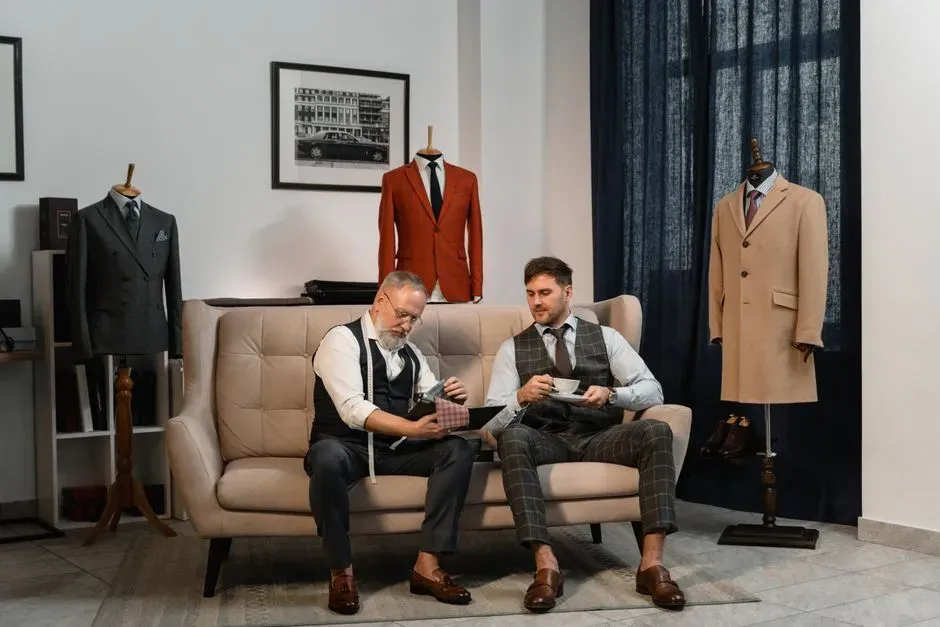
One of the easiest ways to look more expensive is to ensure clothes fit perfectly. Even the most affordable outfit can look high-end if it’s tailored to the body. Baggy or ill-fitting clothing should be avoided unless it’s deliberately oversized with structure. For a singer, the visual impression starts before the first note lands.
The right fit is one of the most overlooked secrets to dressing expensively on a budget. Ill-fitting clothes instantly look cheap, regardless of the brand. Even affordable garments can look high-end when they fit well. A single trip to a tailor for a small alteration can transform an ordinary stage outfit into something that reads as thoughtfully curated.
4. A Clear and Consistent Visual Identity

If you want a standout performance, you need to showcase your own unique style. What makes a stage presence memorable could be the clothes worn, the way a performer jokes around between songs, or simply the energy they bring when they step up to the mic. Expensive-looking artists don’t just throw on random outfits. There’s a coherent visual thread across their performances.
Looking polished, confident, and quietly luxurious is rarely about how much money you spend. It is about how your clothes fit, how they work together, and how intentional you look. Consistency is the key word here. Audiences sense when an artist has a defined aesthetic, even if they can’t articulate why it works.
5. Deliberate, Purposeful Movement
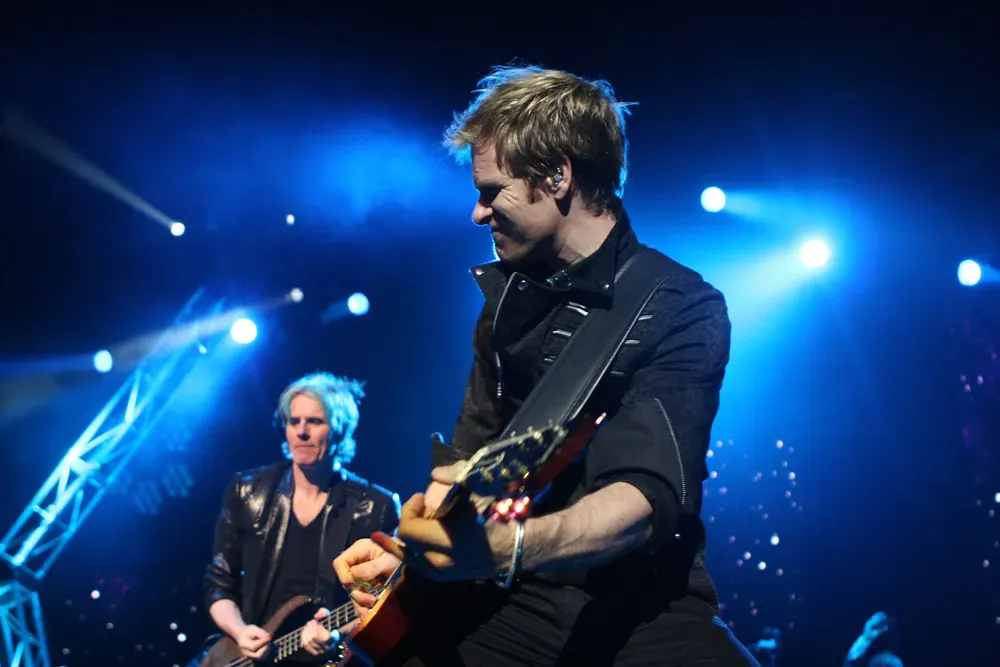
The most basic aspect of stage presence is movement. Many singers tend to miss it. Eyes are naturally drawn to things that are moving, which means the more movement a singer can negotiate based on the theme of the song, the more they’ll draw people’s attention. Standing rooted to one spot reads as either nervous or uninterested. Neither reads as expensive.
Simple movements like stepping forward during an emotional high or swaying with the rhythm can make a massive difference. These movements can be spontaneous or planned, but the key is to keep them natural. Audiences can spot a phony from a mile away, so movements need to feel as genuine as the vocals. Rehearsed-but-natural movement is the sweet spot most polished performers have quietly mastered.
6. Sharp Diction and Vocal Clarity

Clear communication is essential when it comes to singing, and voice training often includes exercises to improve diction and pronunciation. This ensures that listeners can understand the lyrics, enhancing the overall impact of the performance. A vocalist who mumbles or sings too aggressively, garbling the words, will never be the best they can be.
To sing more clearly, focus on good diction, breath support, and pitch accuracy. Practicing enunciating words clearly, avoiding mumbling, and working on breath control improve clarity and make the singing voice sound sharper and more distinct. Crisp articulation creates the impression that every word is chosen and delivered with intention, which is exactly what expensive sounds like.
7. Genuine Eye Contact With the Audience

Making eye contact with the audience is crucial. Establishing eye contact helps to create a sense of intimacy with individuals in the crowd. By scanning the audience and making eye contact with different people, a singer can effectively engage and draw them into the performance. It’s one of the clearest dividing lines between a performer and someone just singing songs in public.
In the game of stage performance, the eyes are among the most potent tools. Locking gazes with the audience isn’t just polite; it’s a full-on power move. Even in large venues, targeted eye contact creates the feeling that the singer is performing for each individual. That intimacy at scale is something no budget can buy, but anyone can develop.
8. Grooming That’s Clean and Intentional

Looking expensive is mostly about fit, fabric quality, grooming, and confidence, not logos or brand names. For singers specifically, the face is always on display and grooming is one of the first things people register. It doesn’t require an elaborate routine or expensive products. It requires consistency and care.
Grooming is often what people notice first. Clean hair, simple makeup, and well-cared-for skin elevate even the most basic outfit. When grooming is consistent, everything else looks more polished automatically. A singer who looks put-together in a simple way signals self-respect and seriousness, both of which read as professional to any audience.
9. Confident Breath Control

Building upon foundational breath support, advanced breath management techniques involve mastering breath control in challenging musical passages, sustaining long phrases, and navigating dynamic changes. Refining breath management skills leads to heightened vocal control and expression. Nothing gives away an underprepared singer faster than running out of breath mid-phrase or audibly gasping between lines.
Mastering breath control is important for any singer who wants to improve their vocal abilities. By incorporating diaphragmatic breathing, controlled exhalation, good posture, and effective warm-ups, a singer can enhance vocal strength, stamina, and expression. When breath control is solid, phrasing sounds relaxed and effortless. That ease is what an audience interprets as skill and experience, regardless of how many years a singer has been performing.
10. A Neutral, Cohesive Color Palette in Stage Wear
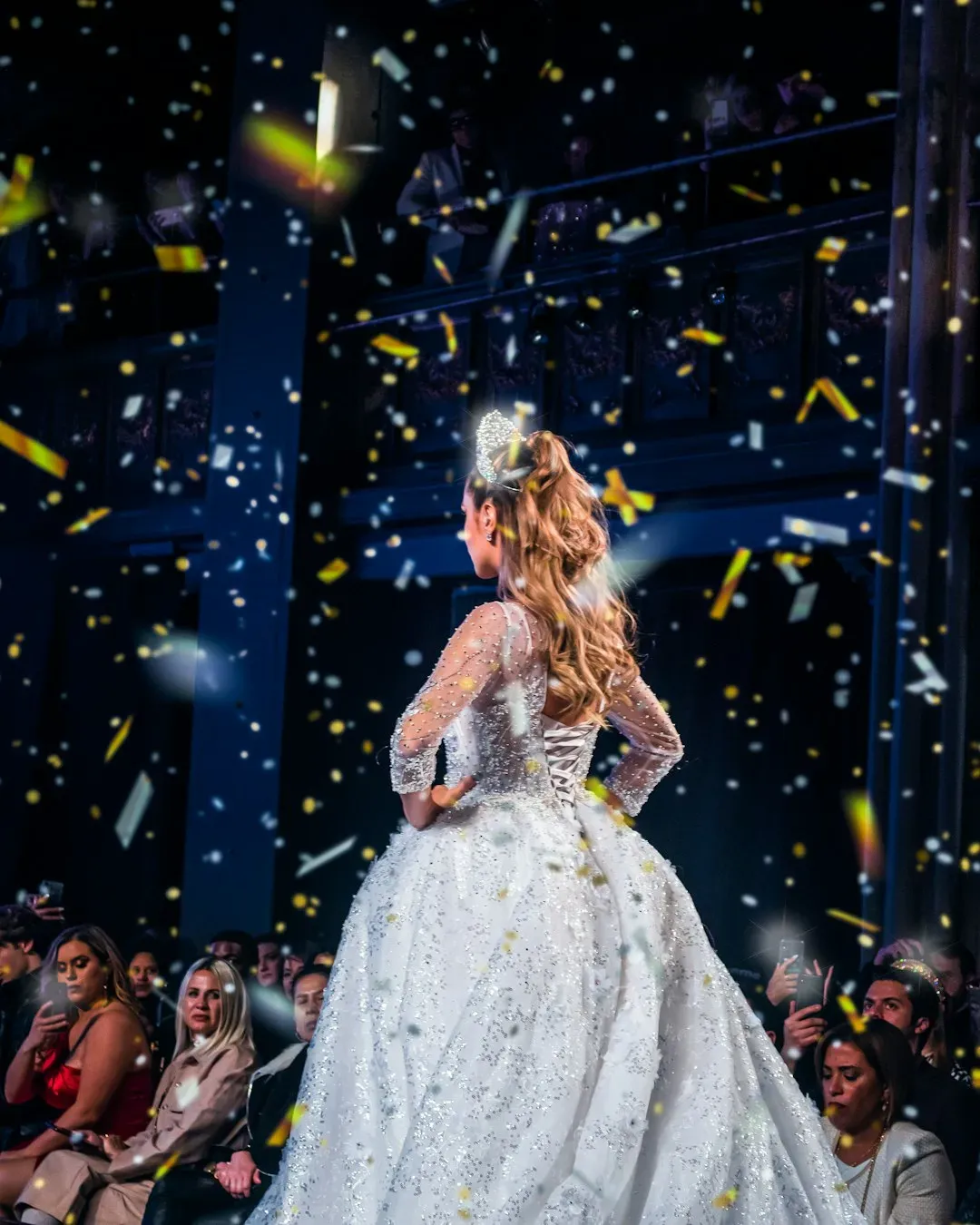
Quiet Luxury or Stealth Wealth is a major fashion theme for 2026. This trend focuses on elegance and simplicity, creating a rich feel by using neutral colors and clean shapes instead of flashy prints. For singers, this translates directly to stage wear. A cohesive, muted outfit reads as intentional rather than assembled in a rush.
Fit is one of the most underestimated styling factors. Clothing that follows the body properly looks intentional, while poor fit immediately signals compromise. Neutral colors automatically look more sophisticated and expensive. Combining these two principles, well-fitted pieces in a restrained color palette, creates a visual impression that costs very little to achieve but reads as polished every time.
11. Knowing the Song Deeply Enough to Perform It, Not Just Sing It

Connecting with the lyrics of a song is essential for delivering an authentic and emotionally impactful performance. Taking the time to deeply understand the lyrics, diving into the meaning, subtext, and emotions conveyed by the words, serves as the foundation for interpretation and allows the intended message to be conveyed with sincerity. There’s a visible difference between a singer executing notes and a singer performing a story.
The key to developing stage presence and effectively connecting with the audience is consistent practice. Rehearsing songs and performance is essential for honing skills and building confidence on stage. Dedicating regular practice sessions to vocal technique, phrasing, and expression, while familiarizing yourself with the nuances of each song, is what allows a singer to deliver a polished and confident performance. That depth of preparation is what makes the whole thing look easy, and easy always looks expensive.
Most of what separates a polished-looking singer from an amateur one isn’t gear, production budget, or designer clothing. It’s the kind of preparation that doesn’t show up in a price tag: how you hold yourself, how you connect, how deeply you know your material. The investment is time, attention, and intention. That combination is accessible to anyone willing to put in the work.