
There’s a particular kind of patience that only gets forged through repeated failure, and the 1980s video game era was very good at producing it. Arcades weren’t just a pastime back then – they were a cultural phenomenon, with games like Pac-Man, Donkey Kong, and Space Invaders giving players a chance to chase high scores and prove their mettle. The machines were designed to eat quarters, and the home consoles weren’t much kinder.
Every kid who grew up gaming in that decade picked up skills and habits that no tutorial ever taught. Some were practical. Some were painful. A few of them still hold up surprisingly well today.
1. Always Write Down the Password – Exactly

Video game passwords were created as a workaround for the technical limitations of early 1980s platforms, which didn’t have a guaranteed way to save information. That meant players had one job: copy that string of letters and symbols perfectly onto a scrap of paper. You had to make absolutely sure you wrote the password down correctly, because messing up a letter here or a number there would probably render the entire thing – and whatever game progress it represented – unusable.
The consequences of a single misread character were brutal. Hours of progress simply gone. Kids in the ’80s traded passwords on scraps of paper, while kids in the ’90s stuffed memory cards in their backpacks. It taught a generation of young gamers a form of meticulous attention to detail that spreadsheets and data entry jobs would later reward.
2. You Can’t Save Your Way Out of a Bad Situation
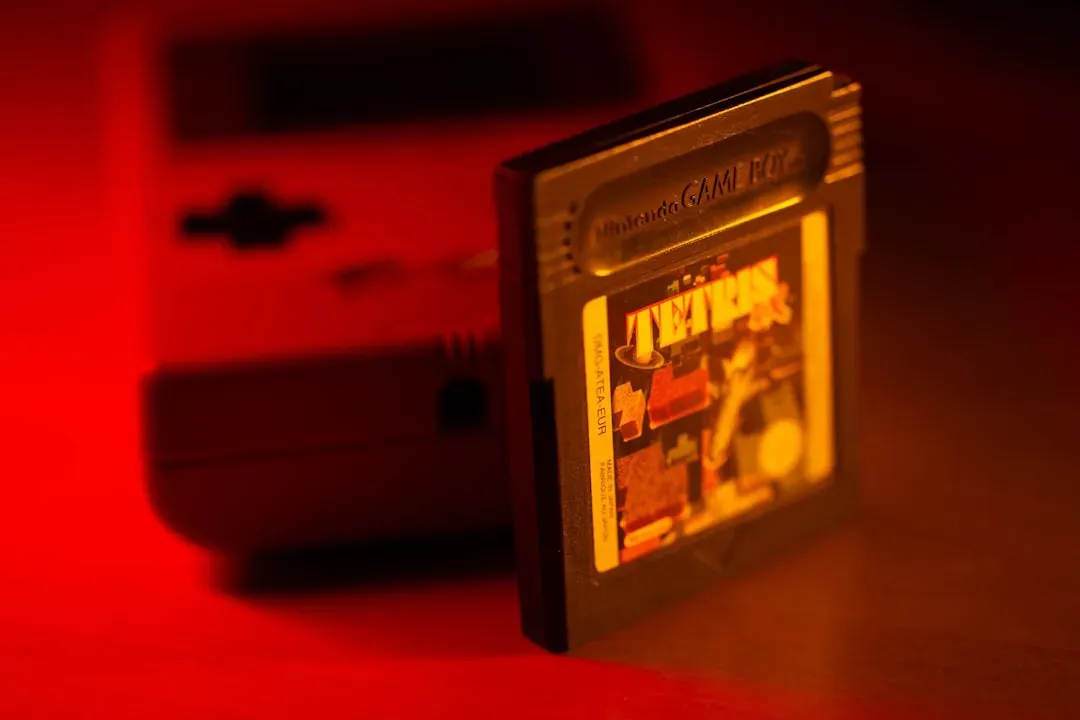
Home video game systems like the Atari 2600 and Nintendo Entertainment System stored their games on cartridges containing ROM chips – read-only memory. Even if game developers wanted to offer more than simple arcade games, there just wasn’t anything for progress to be saved on. That limitation meant every session was a live performance with real stakes. Die near the end and you started over.
A series of timed-to-perfection actions had to be mastered to make progress without the ability to save the game. One false move or an incorrectly timed jump could mean having to go all the way back and do it over again. Modern players who rely on autosaves every thirty seconds have never truly felt that specific brand of sick stomach that came from losing a two-hour run to a single sloppy jump.
3. Read the Manual Before You Press Start

Booklets and manuals accompanying a game were the norm in the era. These manuals contained detailed instructions on how to play the game, master the controls, and other important information needed for a player to navigate the game. Skipping them wasn’t bold – it was just slow. Players who read first consistently outpaced those who tried to figure everything out by dying.
Many players would just drop in a quarter and try to figure it out. It was funny, because sometimes you’d read about someone playing a classic game and think – I didn’t know you could do that. You should have read the instructions. In most cases, early avid Nintendo players had to go to great lengths to find physical hard copies of video game books, guides, manuals, and other publications that offered specific tips, tricks, hidden secrets, and other strategic ways of beating the most popular titles on the market.
4. Blowing Into Cartridges Felt Like a Fix – But Wasn’t
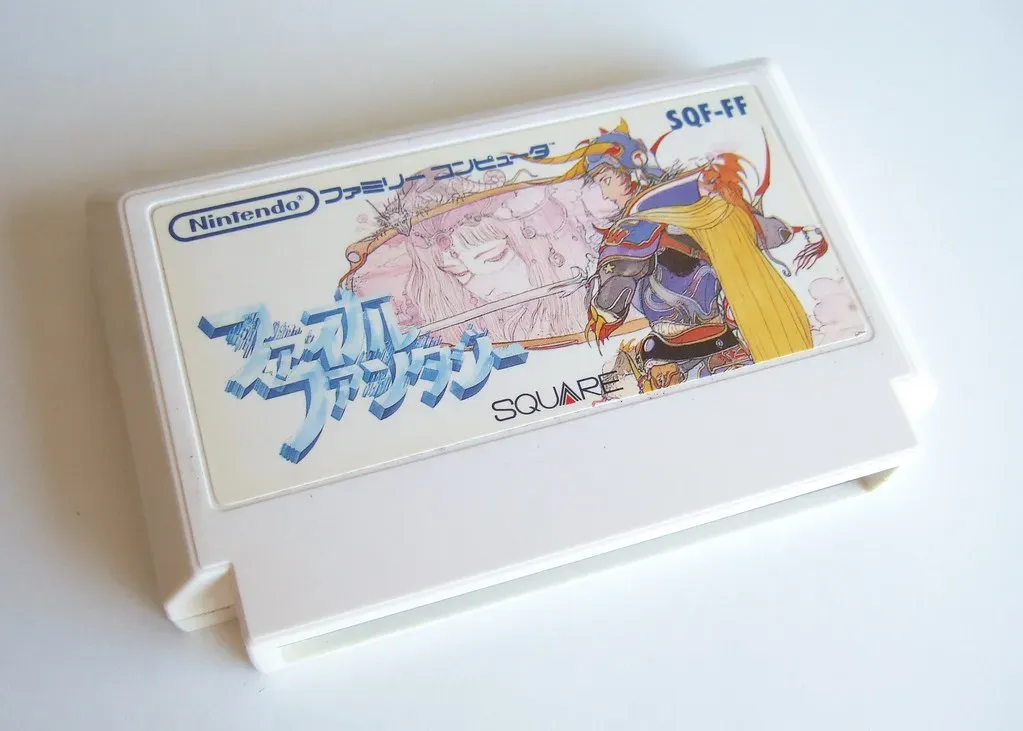
After about a year or two of use, the original NES often exhibited a problem where it wouldn’t read game cartridges properly. Gamers would slide the cartridge into the slot, then power it on only to see a flashing screen on their TV. To fix this, gamers developed the practice of ejecting the cartridge and blowing furiously along the bottom connectors before trying again. It became a universal ritual, passed from kid to kid like folklore.
The downside was that repeated blowing actually corroded the contacts over time, thanks to all that moisture and microscopic spit particles. Nintendo even warned in manuals not to blow on Game Paks. In short, the blow may have done something, but mostly it was magical thinking paired with dumb luck. The lesson, eventually learned too late: sometimes the fix you rely on is making things worse.
5. Quarters Are a Finite Resource – Spend Them Wisely

The code in most towns during the ’80s was quarters placed on the marquee, sometimes on the bezel on the edge of the control panel, to indicate you had the next game. Managing that small stack of coins was a genuine exercise in decision-making. Blowing everything on one machine in the first ten minutes meant a long, boring walk home.
When quarters were hard earned, players read the instructions and even watched others play first. Paying a kid twenty-five cents to pluck a couple of five-gallon buckets of weeds – that quarter had real value. There was a lesson in financial responsibility as kids had to save pocket money or do paid chores to afford the game they longed for, which helped them learn about the importance of saving and delayed gratification.
6. Strategy and Tips Came From Other People, Not the Internet

In the days before the internet really took hold, most tips and strategy for games came from two places: your friends – or a friend of a friend on the playground – or a game magazine. The most knowledgeable game magazine for Nintendo games was Nintendo Power. If you didn’t know someone who had already beaten a level, you were largely on your own.
It wasn’t like today where you can go to the internet and find things. Books like Nintendo Power and other gaming magazines were the only real source. That dependence on community knowledge made gaming genuinely social. Gamers today are presented with endless tips, cheats, and online video walkthroughs that enable them to bypass the hard parts of games – something that would have seemed like science fiction to a kid in 1987 frantically asking a classmate how to get past Bowser.
7. Mastery Takes Repetition, Not Just Talent

The concept of “easy to learn, hard to master” was baked into the design philosophy of the era. Games were built to keep players engaged for hundreds of sessions, not a single cinematic run. Success within retro games was dependent on formulating strategies. Players had to think ahead, carefully planning their next moves to solve problems and overcome obstacles. Going head first into a game without a plan could lead to losing a precious life and having to start again.
That feedback loop was relentless and, in retrospect, formative. Take Donkey Kong – you’re just a plumber dodging barrels, but the precision timing and risk-reward mechanics make it endlessly engaging. Modern game developers have picked up on this, with games like Minecraft and Among Us thriving on simplicity paired with depth. The grind was the point. Getting good took hundreds of tries, and that was normal.
8. The Game Doesn’t Care How Long You’ve Been Playing

Kids regarded arcade games as the ultimate playthings and competed to master them, set the high score, or hold the record for the longest time playing. There were no participation awards. No checkpoints every two minutes. When the game ended, it ended – and the machine was already waiting for the next quarter. Gameplay and storytelling took precedence over flashy visuals, and there was a simplicity and purity to the games that made them accessible and enjoyable for gamers of all ages.
That cold indifference to effort taught something important: time invested doesn’t guarantee success. Skill does. Video games were often the first introduction to computers young people received, and it was clear that children were learning from the games – how to master them, but also how to interact with digital electronics and computer interfaces. The console didn’t know you’d been playing for three hours straight. It just waited to see what you’d do next.
Looking back, the design constraints of ’80s gaming – no autosaves, limited lives, cryptic passwords, temperamental hardware – weren’t just frustrations. They were an accidental curriculum. Every bad run taught something. Every lost quarter sharpened judgment. The games were tough, but the kids who grew up with them quietly got tougher too.