


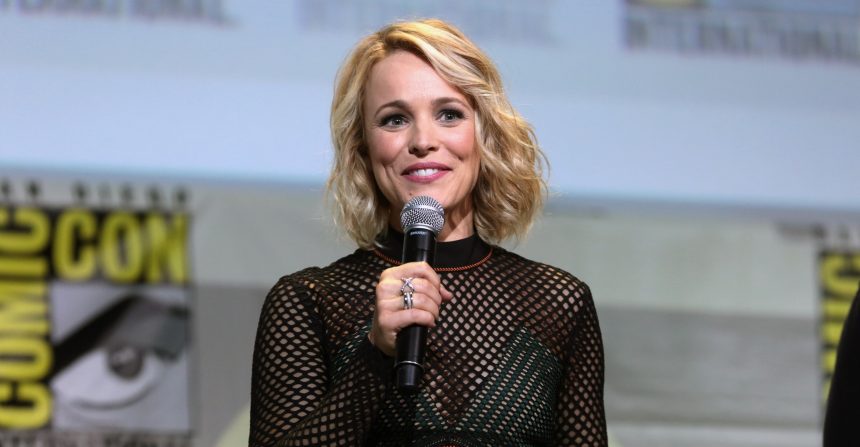
Some movie costumes fade into the background, doing their job quietly while the plot takes center stage. Others do something more ambitious. They step off the screen and into real closets, shaping how people dress for years, sometimes decades, after the credits roll. The eight characters below did exactly that, turning a single film into a lasting style statement.
What ties them together isn’t just good taste. Each look captured something specific about the moment it appeared, whether that was postwar glamour, disco excess, or the anxieties of a new digital age. Looking back at these wardrobes says as much about cultural history as it does about fashion.
1. Holly Golightly in Breakfast at Tiffany’s (1961)

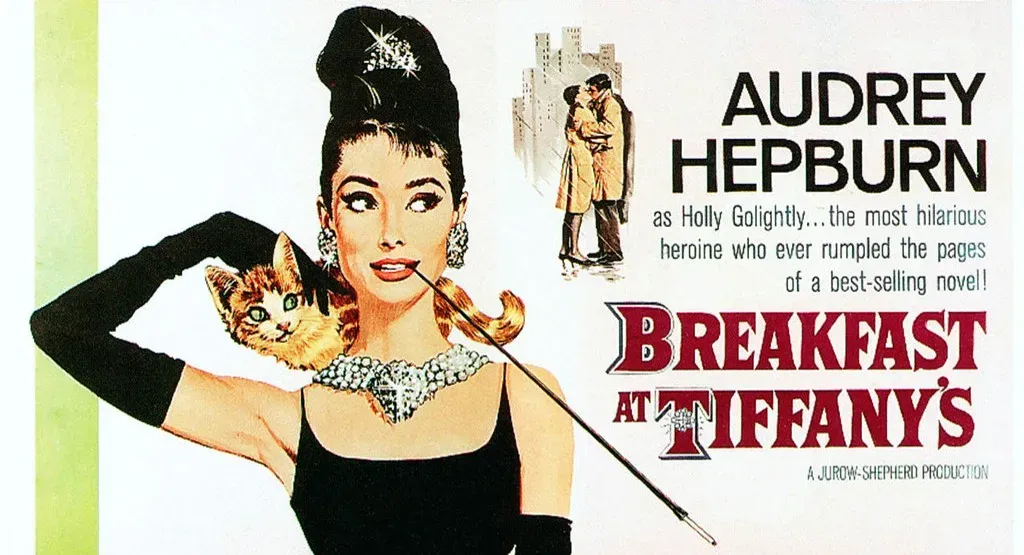
Audrey Hepburn’s little black Givenchy dress, paired with oversized sunglasses and a long cigarette holder, became shorthand for effortless sophistication almost overnight. Designer Hubert de Givenchy created the piece specifically for the film, and it remains one of the most referenced dresses in cinema history. The simplicity was the point. A single silhouette, cut close and unadorned, proved that restraint could read as luxury.
Decades later, that dress still shows up in fashion retrospectives and museum exhibits dedicated to twentieth century style. Its influence stretched well beyond 1960s New York, shaping how little black dresses are marketed and worn today. Few costumes have managed to stay relevant across so many generations without ever feeling dated.
2. Annie Hall in Annie Hall (1977)

Diane Keaton’s baggy trousers, waistcoats, and oversized ties in Woody Allen’s 1977 film pulled menswear firmly into women’s everyday fashion. Costume designer Ruth Morley worked closely with Keaton, who reportedly wore many of her own clothes on set, blending personal style with character. The look was loose, layered, and unapologetically androgynous at a time when women’s fashion still leaned toward fitted silhouettes.
Retailers noticed almost immediately, and the “Annie Hall look” became a genuine retail category through the late seventies. It’s still cited by fashion historians as one of the earliest mainstream examples of gender-fluid dressing in American film. The wardrobe didn’t just support the character, it gave an entire decade a new visual vocabulary for casual androgyny.
3. Tony Manero in Saturday Night Fever (1977)

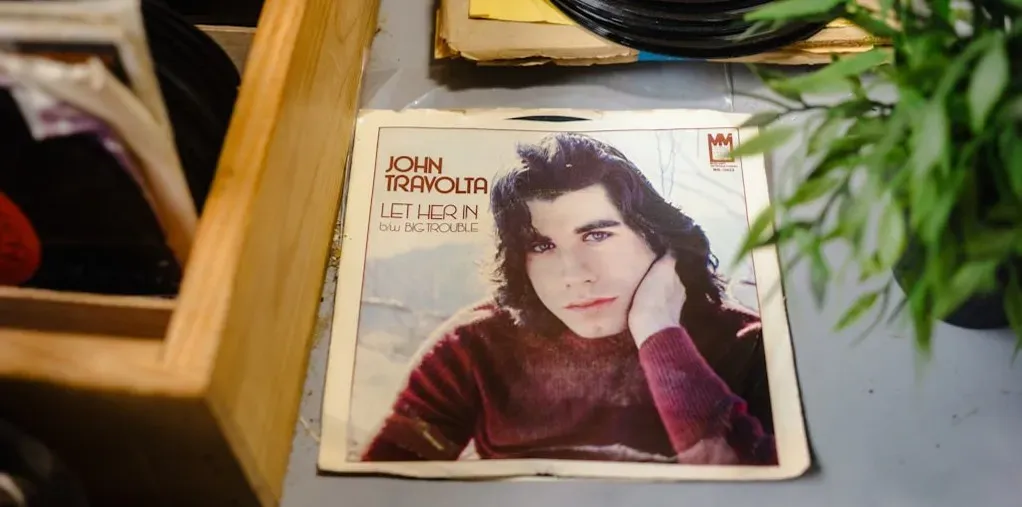
John Travolta’s white three-piece suit, worn during the film’s climactic dance sequence, turned disco fashion into a global phenomenon. The suit itself, designed for the production, later sold at auction for a substantial sum, a reminder of how much cultural weight a single costume piece can carry. Paired with an open-collared shirt and platform shoes, the look distilled the entire disco movement into one image.
Menswear brands leaned into the trend throughout the late seventies, pushing wide lapels and flared trousers into mainstream department stores. Even now, the white suit remains one of the most recognizable disco-era references in pop culture. Costume designer Patrizia von Brandenstein helped translate a niche club scene into something instantly understood worldwide.
4. Gordon Gekko in Wall Street (1987)

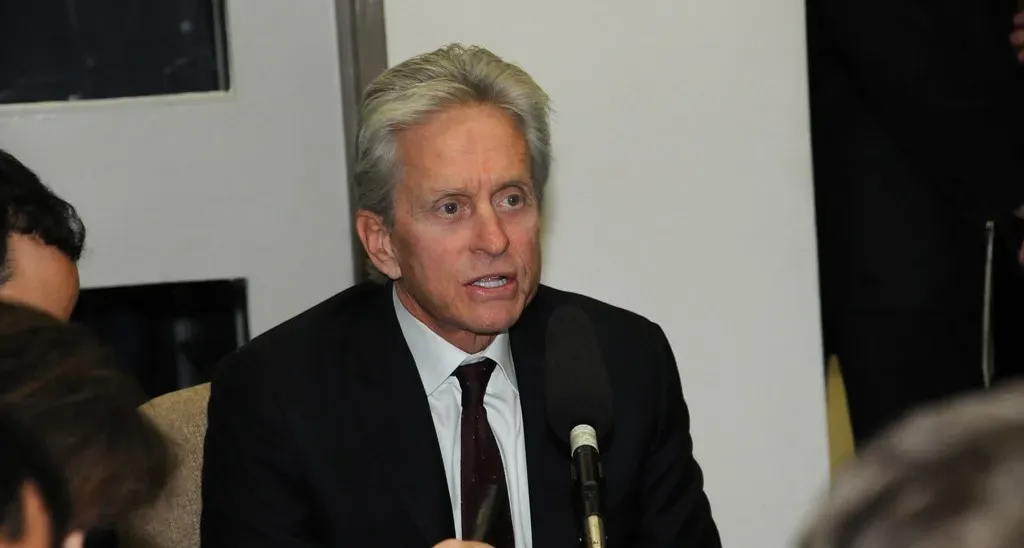
Michael Douglas’s sharply tailored suits, slicked-back hair, and suspenders in Wall Street became the visual template for eighties corporate excess. Costume designer Ellen Mirojnick reportedly studied real Wall Street traders and executives to get the details right, from the width of the lapels to the choice of fabric. The result was a look that felt aspirational and cautionary at the same time.
Suspenders, in particular, saw a notable resurgence in menswear following the film’s release, tied directly to Gekko’s on-screen presence. Financial workers and business school students alike referenced the look for years afterward, sometimes earnestly and sometimes as a joke. Few costumes have so clearly captured the confidence and overreach of a specific economic moment.
Partner offer

5. Cher Horowitz in Clueless (1995)

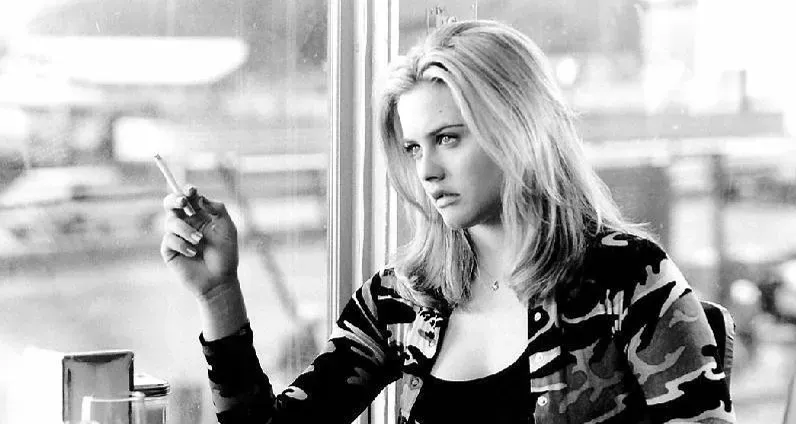
Alicia Silverstone’s plaid mini-skirts, knee-high socks, and matching blazers in Clueless became instantly recognizable symbols of nineteen-nineties teen fashion. Costume designer Mona May built Cher’s wardrobe around bright colors and coordinated sets, deliberately exaggerating the preppy schoolgirl aesthetic popular at the time. The yellow plaid suit in particular has appeared repeatedly in fashion retrospectives dedicated to the decade.
The film’s influence resurfaced strongly during the broader nineties revival that fashion brands leaned into throughout the 2020s, with plaid skirts and knee socks returning to runways and retail shelves. Mona May has spoken in interviews over the years about how intentional the color choices were, aiming for a candy-bright palette that felt distinctly Californian. Cher’s closet, digitally organized on screen, also anticipated the app-driven wardrobe planning many people rely on today.
6. Neo in The Matrix (1999)

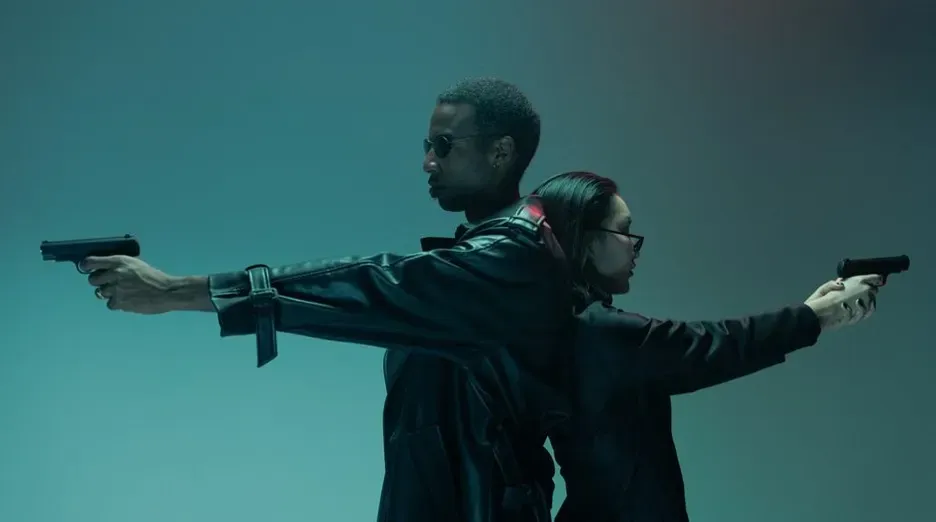
Keanu Reeves’s long black trench coat, paired with dark sunglasses in The Matrix, gave cyberpunk fashion a mainstream entry point right at the turn of the millennium. Costume designer Kym Barrett drew from gothic and industrial fashion subcultures, translating niche aesthetics into something a global audience would embrace. Black leather, combat boots, and mirrored shades all saw a sales bump following the film’s release in 1999.
The look tapped into genuine anxiety about technology and the coming digital age, which made the wardrobe feel thematically appropriate rather than purely stylistic. Two and a half decades later, that all-black, tech-noir aesthetic still surfaces regularly in streetwear and high fashion collections alike. Few costume choices have aged as gracefully while still feeling tied to a very specific cultural moment.
7. Regina George in Mean Girls (2004)

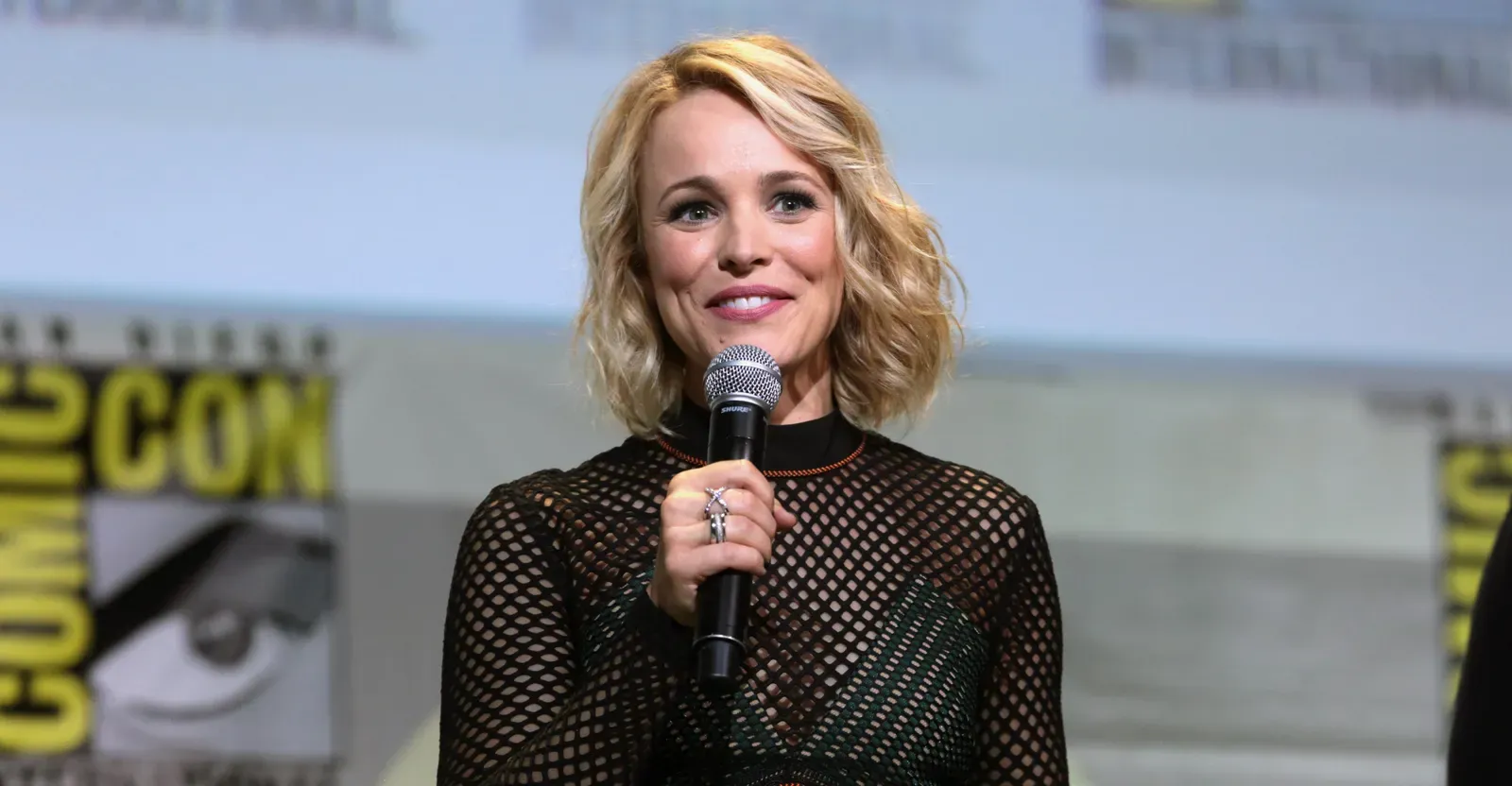
Rachel McAdams’s polished, color-coordinated outfits as Regina George captured the aspirational cruelty of mid-2000s high school fashion with sharp precision. Costume designer Mary Jane Fort dressed the Plastics in fitted tops, low-rise jeans, and pastel accessories that mirrored what teenagers were actually buying at the time. The famous rule about only wearing pink on Wednesdays became one of the most quoted fashion references from any teen film.
That specific detail has outlived the film itself, resurfacing every year as a genuine dress-up tradition in schools and on social media. The early 2000s low-rise silhouette Regina popularized also made a well-documented comeback in fashion around the mid-2020s. Few high school movie wardrobes have managed to stay this quotable, this recognizable, for over two decades.
8. Patrick Bateman in American Psycho (2000)

Christian Bale’s immaculate business suits in American Psycho turned corporate minimalism into something unsettling rather than aspirational. Costume designer Isis Mussenden reportedly researched real luxury labels of the era, dressing Bateman in precisely tailored pieces that emphasized control and vanity rather than warmth. The rigid grooming routine shown alongside the wardrobe became just as memorable as the clothes themselves.
Interest in the film’s aesthetic surged again in recent years, with the character becoming a recurring reference point in online discussions about masculinity, ambition, and appearance during the mid-2020s. Menswear brands and stylists have cited Bateman’s clean-cut, monochrome look as shorthand for a certain kind of sterile power dressing. The wardrobe works precisely because it never announces itself loudly, letting the tailoring do all the talking.
Taken together, these eight wardrobes show how closely costume design and cultural memory can intertwine. A well-chosen suit, dress, or coat doesn’t just serve a character. It can capture an entire decade’s anxieties, aspirations, and aesthetic instincts in a single frame, which is exactly why audiences keep returning to these images long after the films themselves have left theaters.
Partner offer
Planning a trip to Vegas?
Compare hotel rates and show tickets on VEGAS.com.


