Most film characters go through a long casting process, with directors auditioning dozens of names before settling on the right face. But every so often, a screenwriter sits down with one specific actor already living inside their head, shaping dialogue and mannerisms around a person who hasn’t even agreed to do the film yet. Some of these gambles paid off spectacularly, turning into performances so tightly bound to their stars that it’s hard to picture anyone else in the part.
1. Rocky Balboa in Rocky (1976)

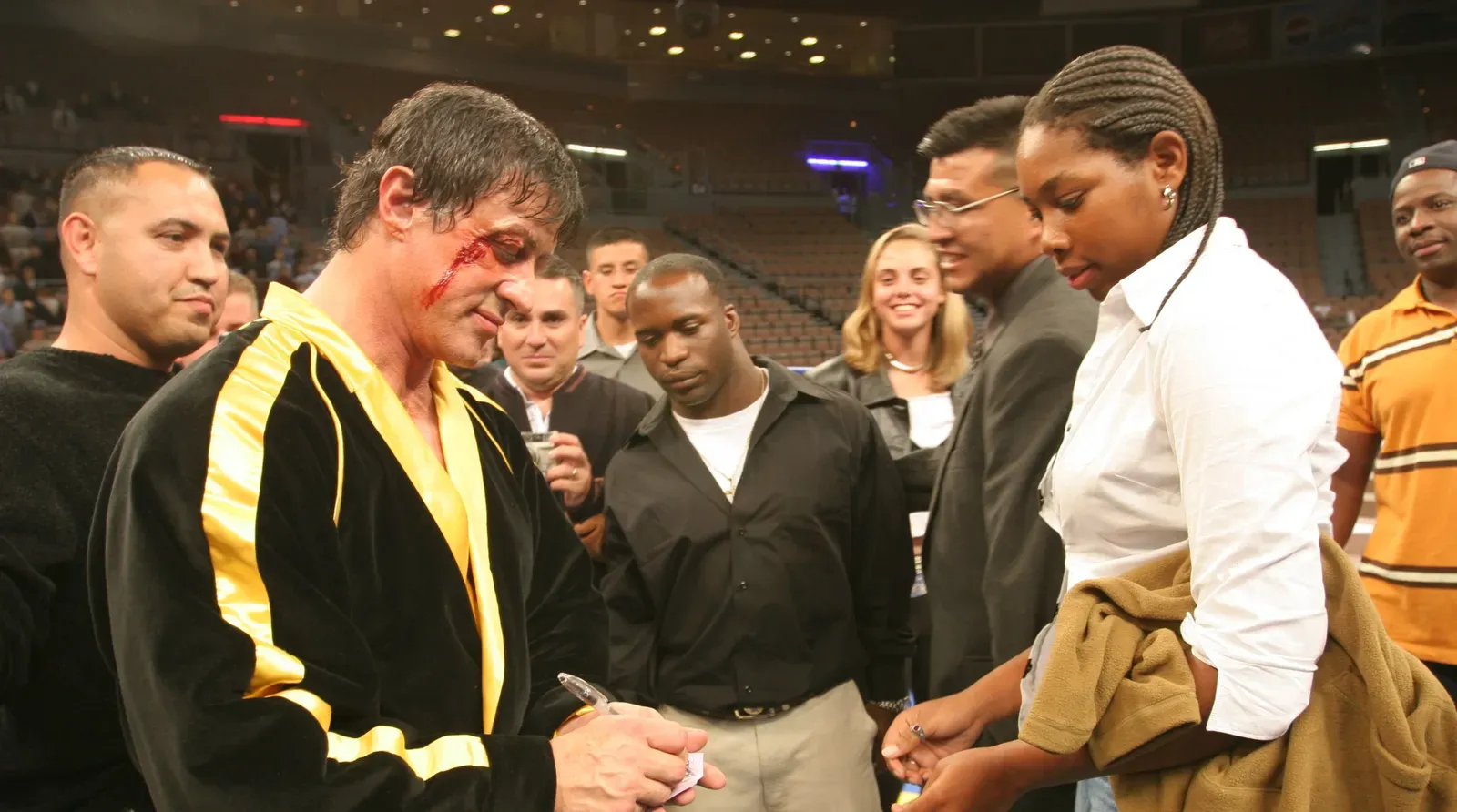
Sylvester Stallone wrote the script for Rocky in a matter of days, reportedly fueled by a mix of ambition and financial desperation, and he made it clear from the start that he intended to play the boxer himself. Studios offered him decent money for the screenplay if they could cast a bigger name, including reported interest from actors like Burt Reynolds, but Stallone refused every offer that didn’t include him in the lead role.
That stubbornness turned out to be one of the smartest bets in film history. The character’s working class rhythm, his stammering charm, and his underdog persistence were built directly from Stallone’s own life at the time, and the film went on to win Best Picture while launching one of cinema’s most enduring franchises.
2. Tony Montana in Scarface (1983)

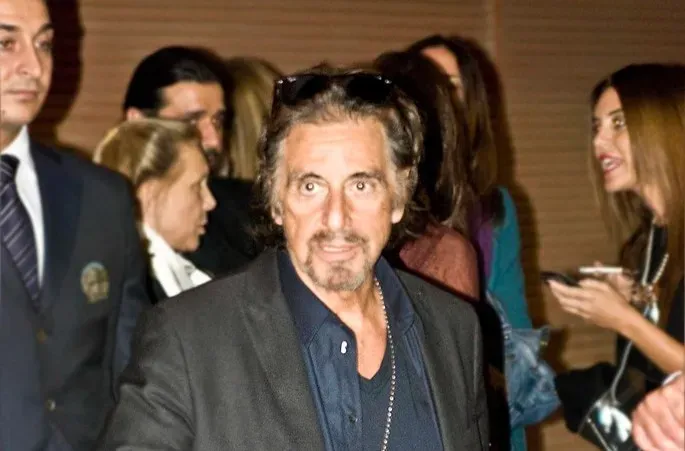
Long before Oliver Stone wrote a single page of dialogue, Al Pacino was already the driving force behind this project. Pacino worked with producer Martin Bregman to develop the project, and Bregman and Sidney Lumet both conceived the idea of setting the story during the boatlift. The screenplay was essentially constructed around Pacino’s interest in remaking the 1932 gangster classic, with him attached from the earliest stages of development.
Pacino tells how he fleshed out Montana’s character and now legendary accent, contributing heavily to the persona that would become one of cinema’s most quoted and referenced characters. Tony Montana’s rise and fall wasn’t just performed by Pacino, it was shaped by him from the ground up, which is part of why the role fits so uncomfortably close to him even decades later.
3. John Malkovich in Being John Malkovich (1999)

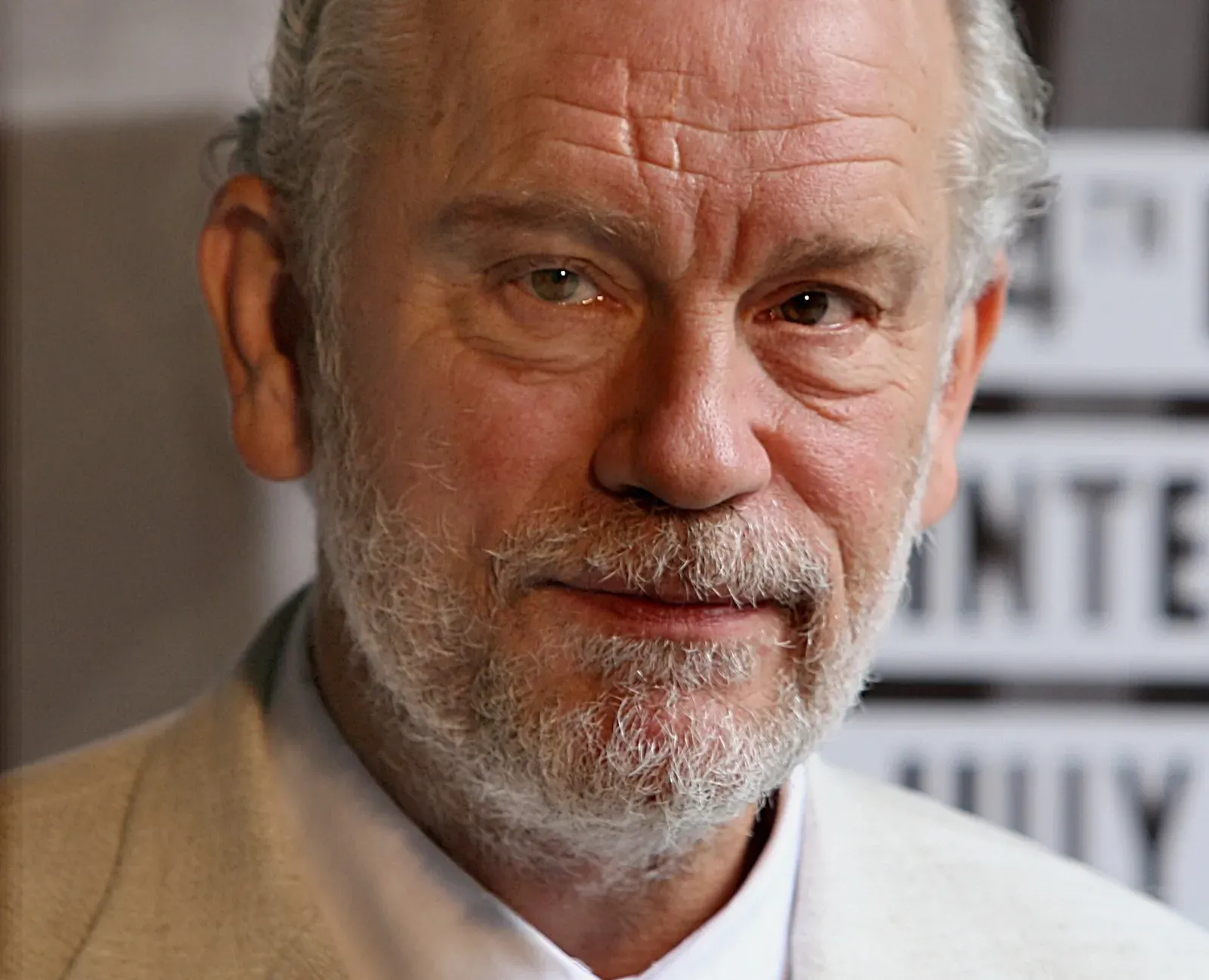
This is perhaps the most literal example on this list, since the character’s name is the actor’s actual name. Charlie Kaufman wrote the screenplay on spec in 1994, and he partially picked Malkovich because of how funny the name sounds when you repeat it. When a producer suggested swapping in a bigger star, Kaufman refused to budge, and the script famously was never called anything else.
The screenplay was always Being John Malkovich, even before there was any expectation that John Malkovich would even read the script, according to Kaufman himself. The gamble worked because Malkovich agreed to satirize his own public image, a move few actors would risk, and the result became one of the strangest and most original studio releases of its era.
4. Marge Gunderson in Fargo (1996)

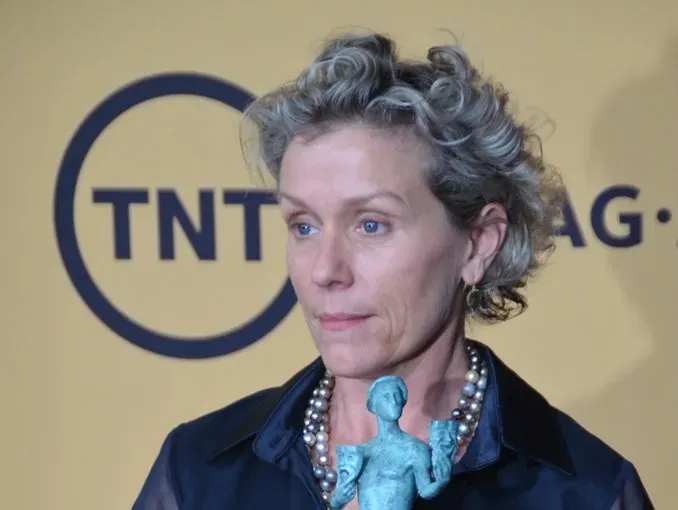
Joel and Ethan Coen have long been known for writing with specific performers already cast in their minds, and Fargo is one of the clearest examples. Ethan Coen has directly confirmed this approach, explaining that they wrote the parts for two of the film’s comedians, and it was the same for Marge, played by Frances McDormand.
McDormand, who is married to director Joel Coen, brought a grounded warmth to the pregnant small town police chief that anchored the film’s darker comedic elements. Her performance earned her the Academy Award for Best Actress, a fitting outcome for a role that existed on the page because of her presence rather than the other way around.
5. Deadpool in Deadpool (2016)
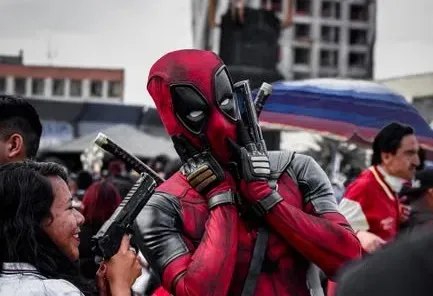
Ryan Reynolds had already played a version of Wade Wilson in 2009’s X-Men Origins: Wolverine, though fans largely dismissed that take as a betrayal of the character. Screenwriters Rhett Reese and Paul Wernick developed a script specifically imagining Reynolds in the role, and the project gained real momentum only after leaked test footage showed him fully embodying the character’s voice and attitude.
Once the core team had been assembled, with Reynolds as the frontman, Miller as director, and Reese and Wernick as writers, the studio asked the group to produce test footage showing what the promised R rated superhero film could become. That footage, and the years of persistence that followed, cemented Reynolds as inseparable from the role, to the point where 20th Century Fox and later Marvel never seriously considered anyone else once the film finally got greenlit.
6. Blade in Blade (1998)

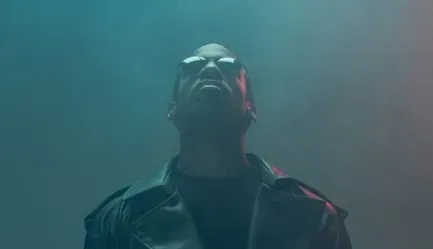
Wesley Snipes was not simply cast in this Marvel adaptation, he was one of the key people pushing to get it made in the first place. Snipes had expressed interest in the vampire hunter character years before the film went into production, and his involvement as a producer helped shape the tone and direction of the screenplay around his particular physicality and screen presence.
The finished film leaned heavily into Snipes’ background in martial arts and action choreography, something that would not have made sense with a different lead actor attached. Blade helped prove that comic book adaptations could work as R-rated action films years before the genre became a dominant force in Hollywood, and much of that credit traces back to how closely the project was built around its star.
7. Austin Powers in Austin Powers: International Man of Mystery (1997)


Mike Myers didn’t just star in this spy comedy, he created the character from scratch as a vehicle for his own comedic sensibilities, drawing on his love of 1960s British culture and his father’s fondness for that era’s spy films and comedy records. The screenplay, which Myers co-wrote, was structured entirely around his ability to shift between the suave secret agent persona and the character’s more absurd, over-the-top tendencies.
Because Myers had complete creative control from the start, the film reflects a very specific comedic voice that would be difficult to replicate with another performer. The character became successful enough to spawn two sequels, both of which continued to be written with Myers’ input shaping nearly every scene.
8. Borat in Borat (2006)

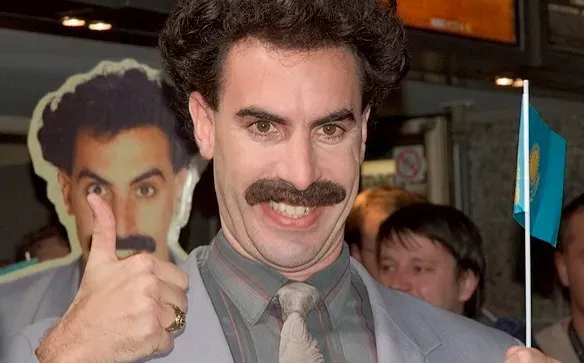
Sacha Baron Cohen developed the character of Borat Sagdiyev over several years on British television before bringing him to the big screen, meaning the film’s screenplay was quite literally structured around a persona he had already spent years perfecting. As a credited writer on the project, Cohen shaped nearly every interaction in the film to fit his particular style of unscripted, confrontational comedy performed on unsuspecting real people.
This approach made the role almost impossible to separate from the actor, since much of the film’s humor depended on Cohen’s improvisational skill and his ability to stay in character under unpredictable real world conditions. The film’s success led to a sequel more than a decade later, with Cohen once again writing and starring as the only person capable of carrying the character convincingly.
These eight examples show that some of film’s most memorable characters weren’t discovered through auditions at all. They existed first as a kind of collaboration between writer and actor, sometimes before a studio even agreed to make the movie. That closeness between performer and page is often exactly why these roles still feel so distinct decades later.