Behind almost every album considered untouchable today, there is a moment when someone with real authority nearly talked the artist out of the very thing that made it work. Sometimes that moment gets smoothed over in retrospect, folded into a tidy origin story where everyone agreed from the start. The real story is usually messier, and in the case of one of the best-selling albums in history, it involved a producer who came within an argument or two of stripping out the song that would define the entire record. That producer was Quincy Jones. The album was Michael Jackson’s Thriller. And the song at the center of the standoff was “Billie Jean,” a track that today sits comfortably among the most recognizable pieces of music ever recorded, but which almost didn’t survive its own producer’s doubts.
A high-pressure follow-up to Off the Wall


By 1982, Jackson and Jones already had a hit record behind them in Off the Wall, and expectations for the follow-up were enormous. Thriller needed to prove that success wasn’t a fluke, which meant every song on the tracklist was scrutinized far more heavily than usual. Jones has described going through the tracks and trying to be as objective as possible, cutting the four weakest songs from a group of nine and replacing them.
That environment of ruthless editing set the stage for what happened with “Billie Jean.” It wasn’t a song that arrived and was instantly celebrated by everyone in the room. Jackson believed in it from the start, but his producer needed convincing, and that gap in confidence nearly changed the album’s history.
Quincy Jones and his early doubts about the song


When it came time to work on “Billie Jean,” Quincy Jones, who was the main producer, initially didn’t think the track fit the album. According to some reports, Jones felt it was too weak to be included on Thriller, though Jones denied this. Accounts differ on just how strongly he objected, but the disagreement was real enough that people involved in the sessions remembered it years later.
A ScreenRant interview with Jones, published in 2026 around the release of the Michael biopic, offered a rawer version of the story than the usual polished anecdote. Jones recalled that when Jackson first brought him the demo, his immediate reaction wasn’t that it sounded like a number one hit, but closer to disbelief that the intro was so long. That reaction, coming from the man who had already helped shape a landmark album in Off the Wall, carried real weight.
The bassline that almost didn’t make the cut


Jones disliked the demo and did not care for the bassline, and wanted to cut Jackson’s 29-second introduction. That bassline, built around a simple, hypnotic groove, is now considered one of the most instantly identifiable basslines in pop music. At the time, though, it apparently struck the producer as unpolished, maybe even a little rough for a record meant to compete at the top of the charts.
It’s worth pausing on how strange that sounds now. The bassline in “Billie Jean” has been sampled, studied, and imitated for more than four decades, and it remains one of the reasons the song has aged so well. Jackson’s insistence on keeping it intact, even against pushback, turned out to be one of the quieter but more consequential decisions in the album’s creation.
A fight over the title itself


The disagreement wasn’t limited to the music. Quincy Jones suggested changing the title to “Not My Lover,” thinking that record buyers would be confused that Jackson had written a song about the tennis player Billie Jean King. It sounds like a minor branding concern in hindsight, but Jones was thinking about how radio programmers and casual listeners might react to a title that seemed to reference a well-known athlete.
Jones pushed for the change, but Jackson dug his heels in and the title remained. Given how completely “Billie Jean” the name has become inseparable from the song and the era, it’s hard to imagine the track carrying any other title. Yet for a stretch of the production process, that outcome was genuinely uncertain.
The 29 second intro that nearly got cut

The most famous piece of this disagreement centers on the song’s extended instrumental opening. Jones later recalled that the intro to “Billie Jean” was so long you could shave during it, and that he wanted to get to the melody sooner, but Michael said that was what made him want to dance. It’s a small exchange, but it captures the entire conflict in a single line.
For a producer thinking about radio formats and attention spans, a half-minute wait before the vocal begins can feel like a liability. For an artist thinking about how a song moves a body, that same stretch of time is the entire point. The two men were essentially arguing from different definitions of what the song was supposed to do.
Jackson refusing to compromise on the groove
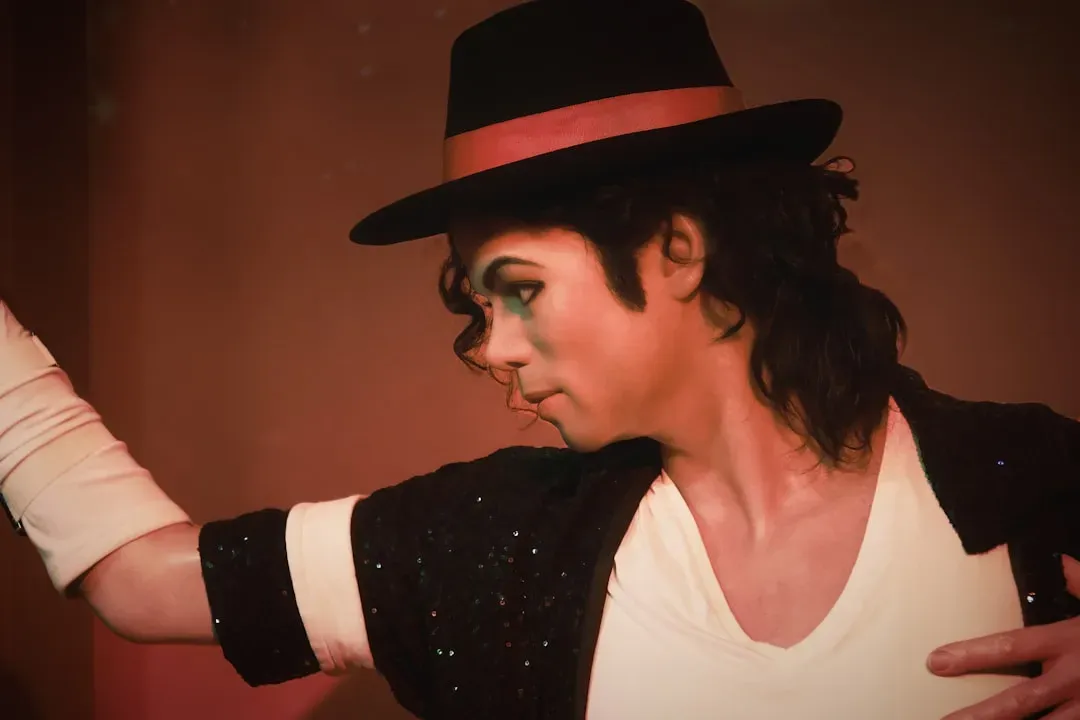
Jackson’s response has become one of the most quoted lines in pop music history, though the wording varies slightly depending on the source. Jones recalled telling Jackson they had to get to the melody sooner, and Jackson replying that the intro was what made him want to dance, adding that when Michael Jackson says something makes him want to dance, you don’t argue, so he won.
That single exchange reveals something important about how the two worked together. Jones held enormous authority in the room, shaping arrangements and pushing back on ideas across the entire album. On this particular point, though, Jackson’s instinct for rhythm and physical feel overruled the producer’s more conventional radio logic, and the song kept its identity.
Why the intro mattered more than it seemed

It’s easy to treat the 29-second buildup as a stubborn artist getting his way on a small detail. In practice, that stretch of groove before the vocal enters does real work. It sets a mood, lets the bassline establish itself as the song’s true hook, and creates a sense of anticipation that pays off once Jackson’s voice arrives.
Strip that section down to a more radio-friendly ten or fifteen seconds, and the song loses some of its tension. The intro isn’t padding. It’s part of why the track still sounds distinct on shuffle playlists more than four decades later, sitting apart from most other singles of its era.
A production crunch that tested the whole album

The disagreements over “Billie Jean” weren’t the only pressure point during the Thriller sessions. As the album neared completion, the team ran into a technical problem that had nothing to do with taste and everything to do with format limits. After a marathon overnight session finishing the album, the team found that it didn’t have the punch they were hoping for, partly because it was too long to fit on a standard LP, which required thin grooves that produced tinny sound.
Facing that problem, Jones and Jackson decided to cut a verse from “The Lady in My Life” and shorten the contested introduction on “Billie Jean,” before ultimately opting to remix the entire album, aside from “The Girl Is Mine,” one track a day over roughly a week. Even after Jackson had won the argument over keeping the long intro, technical constraints briefly forced a shortened version back onto the table, showing just how close the song came to losing that signature opening more than once.
From studio disagreement to Motown 25

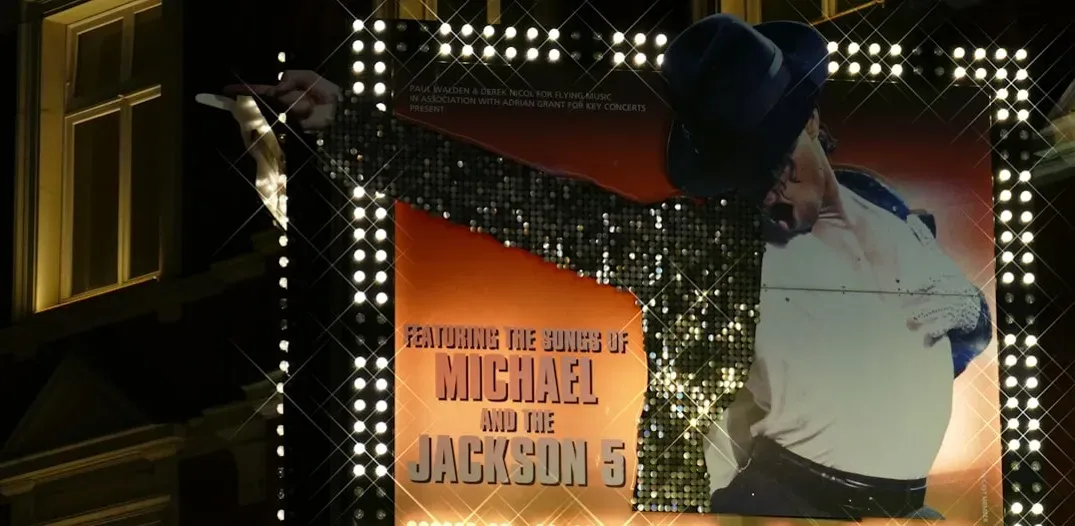
Whatever tension existed in the studio didn’t slow the song down once it reached the public. “Billie Jean” reached number one on the Billboard Hot 100, topped the Billboard Hot Black Singles chart within three weeks, and Billboard ranked it as the number two song for 1983. The song’s momentum only grew after Jackson’s performance of it at the Motown 25 television special, an appearance widely credited with introducing the moonwalk to a mainstream audience.
That single television moment turned an already successful single into a cultural touchstone. It also retroactively validated every choice Jackson had fought to protect in the studio, from the bassline to the extended intro to the title itself. None of that cultural impact was guaranteed back when the song was just a demo facing resistance from its own producer.
What the standoff reveals about creative authority


Quincy Jones was not an inexperienced collaborator second-guessing an unproven artist. He had already produced a hit album with Jackson and brought decades of arranging and production expertise to Thriller. That’s precisely what makes the story worth telling. Even a producer with that level of skill and track record can misjudge which risks are worth taking.
The lesson isn’t that producers get in the way of great art, since Jones’s contributions to Thriller as a whole were enormous and well documented. It’s that the instincts of the artist, especially around something as personal as rhythm and feel, sometimes deserve the final word even when the more experienced voice in the room disagrees.
Final thoughts


Thriller went on to become one of the most successful albums ever released, and “Billie Jean” remains its most enduring single. None of that erases the fact that the song’s most distinctive features, the bassline, the title, and above all that patient 29-second opening, were nearly edited away before the record ever reached the public.
It’s a reminder that the difference between a good song and a genuinely iconic one sometimes comes down to a single disagreement in a studio, settled not by seniority or experience, but by an artist trusting what made him want to move.