


A long take is easy to miss when it works. The camera keeps moving, the actors keep talking, and somewhere along the way you realize nobody has cut away for minutes. That realization is usually when the tension really sets in.
Many famous “one shot” moments rely on hidden edits, digital stitching, or clever transitions. The scenes below are different. Each one is generally credited as a genuine, uninterrupted take, and each shows a different reason a filmmaker might refuse to cut.
Touch of Evil (1958): The Border Town Opening

Orson Welles opened this film noir with a crane shot that runs a little over three minutes. It begins on a ticking bomb being placed in a car, then follows the vehicle and a pair of newlyweds, played by Charlton Heston and Janet Leigh, through a busy Mexican border town.
The camera rises, drops, and glides through crowds without a break. It has been studied in film schools for decades, partly because the shot builds suspense through timing alone. You keep waiting for the explosion, and Welles makes you wait.
Goodfellas (1990): The Copacabana Entrance
Martin Scorsese and cinematographer Michael Ballhaus followed Henry Hill and Karen, played by Ray Liotta and Lorraine Bracco, from a street entrance through a back door and kitchen. From there the shot continues into the club itself, where a table is set up for them near the stage.
The shot lasts about three minutes and was captured with a Steadicam. It works as a character study, because the staff and the guests treat Henry like royalty. You learn how much power he has without anyone saying so.
Boogie Nights (1997): The Nightclub Opening

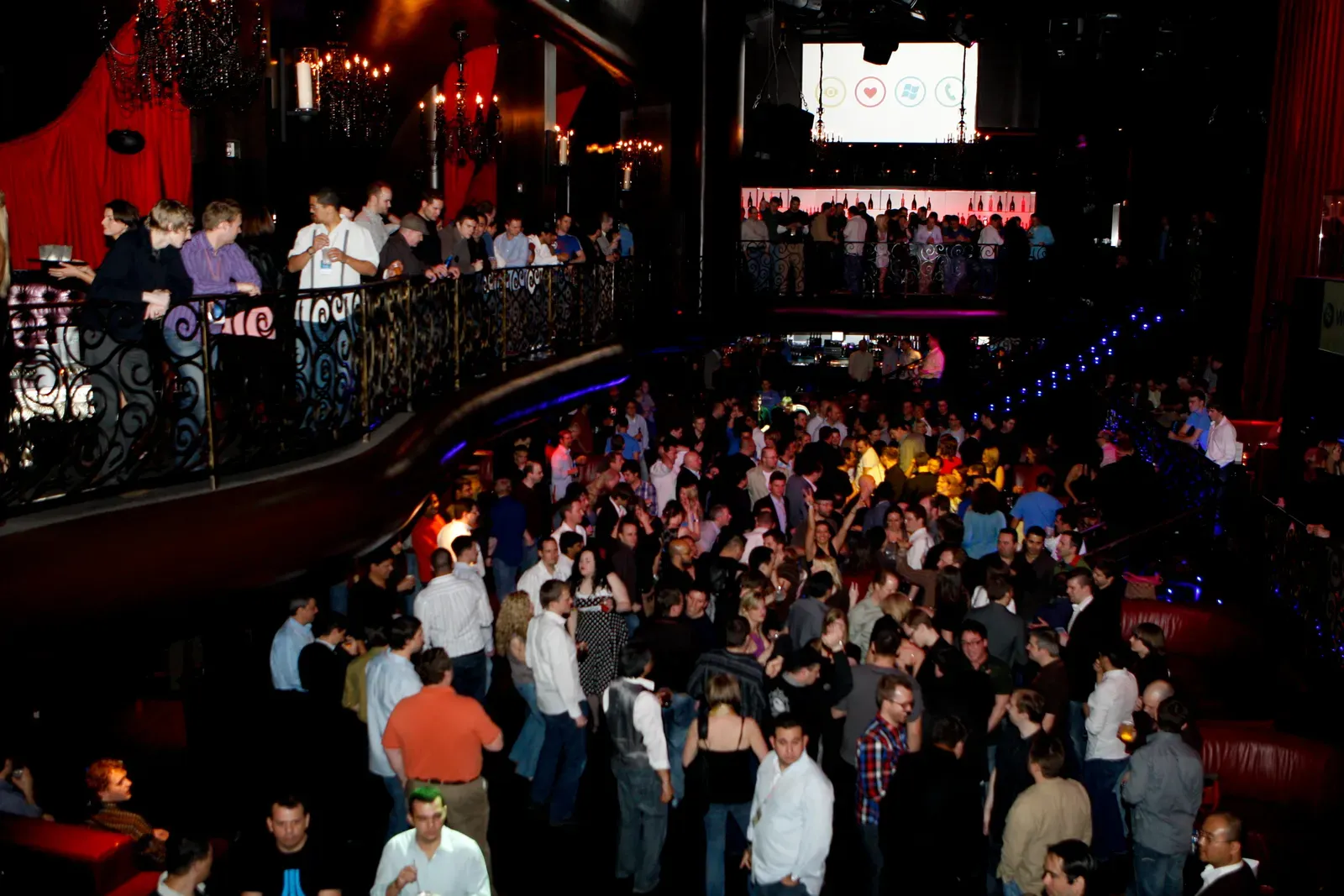
Paul Thomas Anderson starts his 1970s adult film drama with a long Steadicam move that glides through a nightclub. It introduces a crowd of characters one after another, including Mark Wahlberg’s Eddie Adams, whose story anchors the film.
The shot lasts roughly three minutes and works as a quick tour of the film’s whole cast. Anderson has openly acknowledged the influence of Scorsese’s club sequence. Still, the choreography of extras, dancers, and principal actors here is very much his own.
Oldboy (2003): The Hallway Fight


Park Chan-wook staged a brutal corridor fight in which the hero, Oh Dae-su, battles a crowd with a hammer. The camera slides sideways along the hallway like a scrolling video game, and it doesn’t cut for about three minutes.
Partner offer

The sequence is widely reported to have taken several days and many takes to capture, since a single missed punch could ruin a pass. The exhaustion on screen is partly real, which gives the fight its grinding, unglamorous feel.
Atonement (2007): The Dunkirk Beach

Director Joe Wright sent a Steadicam through the beach at Dunkirk, following James McAvoy’s soldier past exhausted troops, a choir, a Ferris wheel, and a wrecked horse scene. The shot runs about five minutes and was filmed on a beach in Redcar, England, with roughly a thousand extras.
The scene captures the scale and confusion of the evacuation without any dialogue to explain it. The film’s cinematography, by Seamus McGarvey, received an Oscar nomination. The beach sequence is the piece most people remember from it.
Hunger (2008): The Kitchen Conversation

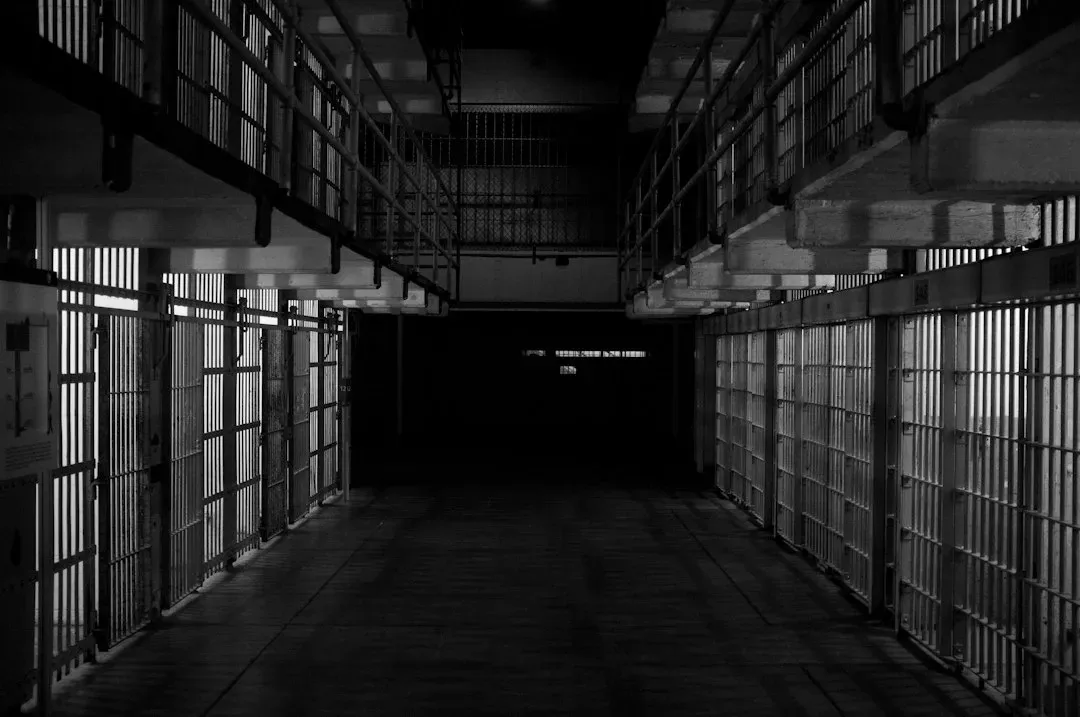
Steve McQueen’s debut feature about the 1981 Irish hunger strikes includes a conversation between the prisoner Bobby Sands, played by Michael Fassbender, and a priest, played by Liam Cunningham. The camera stays mostly fixed in a wide shot, and the scene runs roughly seventeen minutes.
After so much silence and physical imagery earlier in the film, the sudden burst of talking feels striking. Nothing moves, so the performances have to carry everything. Many viewers point to it as the moment the film’s argument becomes clear.
Russian Ark (2002): A Whole Film in One Shot

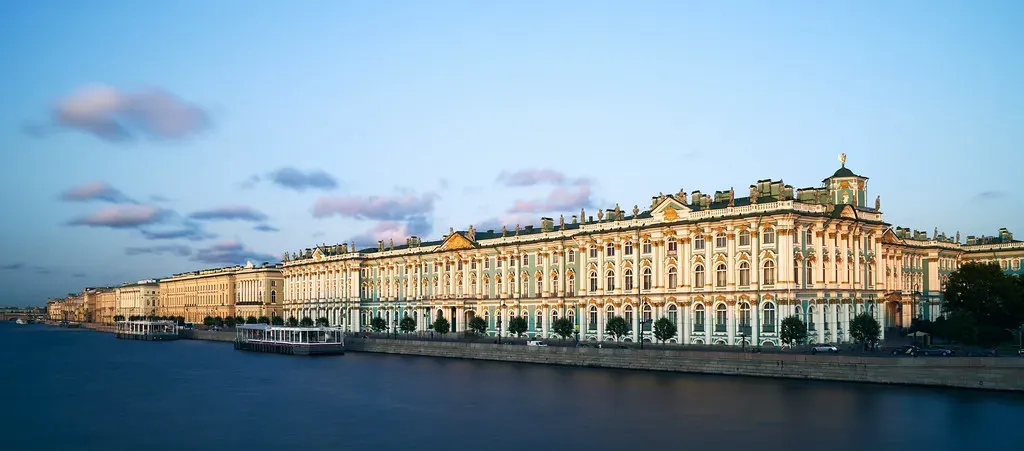
Alexander Sokurov’s film takes a ghostly narrator through the Hermitage Museum in Saint Petersburg, passing through centuries of Russian history. The entire film, about ninety six minutes, is a single Steadicam take operated by Tilman Büttner.
The production was shot in one day in December 2001, and the fourth attempt is the one that made it into the film. Hundreds of actors in period costume had to be in position as the camera reached each room. It’s less a movie shot in a museum than a performance staged around the camera.
Victoria (2015): Berlin in One Night

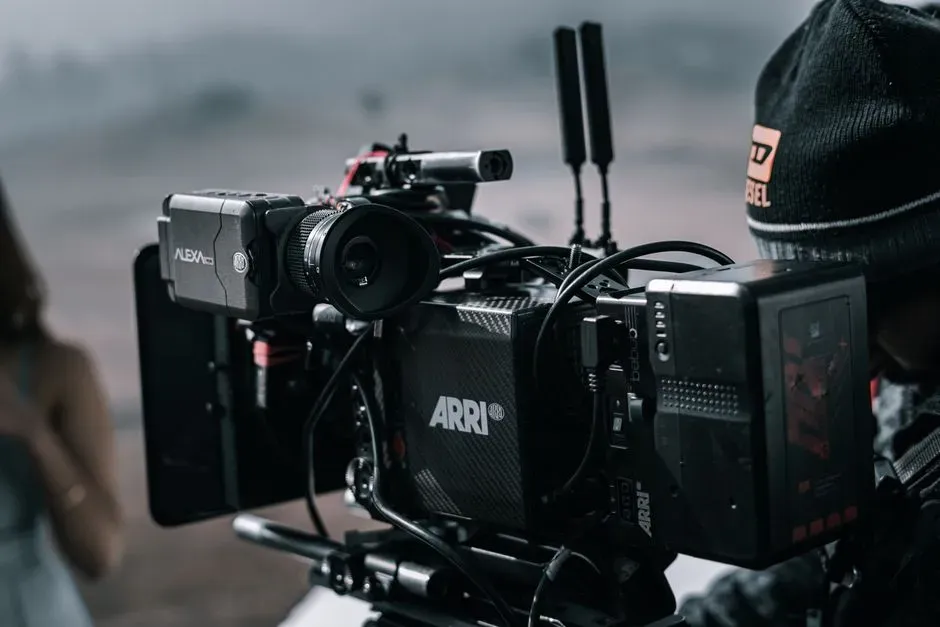
Sebastian Schipper’s thriller follows a young woman, played by Laia Costa, who joins a group of strangers after leaving a Berlin club. It was filmed in one uninterrupted take lasting about two hours and twenty minutes, across many real locations in the city.
The crew reportedly made three full attempts, and the third became the finished film. Cinematographer Sturla Brandth Grøvlen received a Silver Bear at the Berlin International Film Festival for his work. The improvised feel of the dialogue makes the tension seem to arrive in real time.
Partner offer
Planning a trip to Vegas?
Compare hotel rates and show tickets on VEGAS.com.


