The music industry has always sold a certain kind of magic. You buy the voice, the face, the story, and for a while at least, you believe all three are real. Most of the time the illusion holds. Occasionally, spectacularly, it doesn’t.
From stage collapses on live television to studio scandals that unraveled careers years in the making, the following eight cases reveal what happens when the gap between image and reality becomes too wide to hide. Some of these artists were victims of the system as much as they were architects of the deception. Others had no one to blame but themselves.
1. Milli Vanilli: The Grammy They Had to Give Back
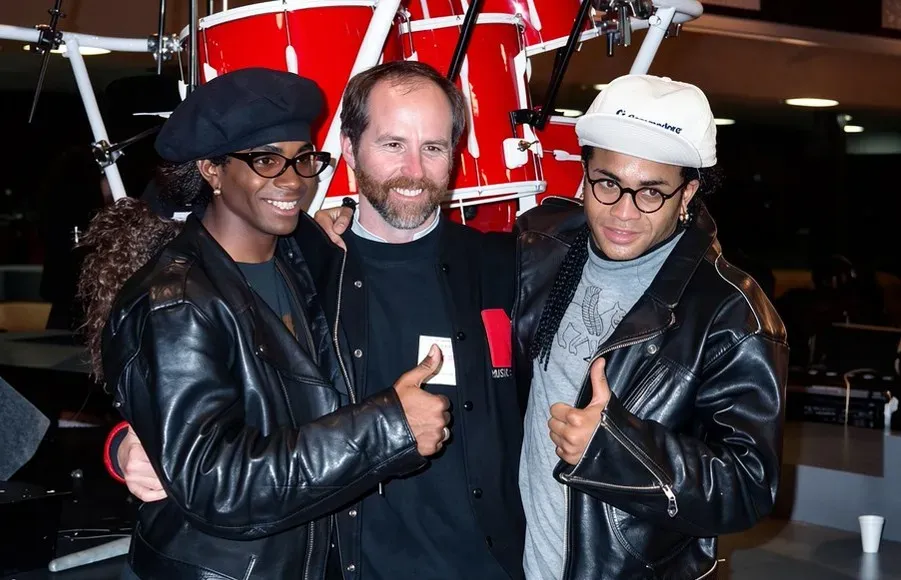
Milli Vanilli was a pop act from Munich, Germany, founded in 1988 by producer Frank Farian, combining pop, rap, R&B, disco, and dance music. Farian hired Brad Howell, John Davis, Charles Shaw, Jodie Rocco, and Linda Rocco to actually sing on the records, while Fab Morvan and Rob Pilatus danced and lip-synced for performances. Their debut album spent eight weeks at number one on the US Billboard 200 and produced three number-one singles. In 1990, they won three American Music Awards and the Grammy Award for Best New Artist.
When producer Frank Farian revealed on November 15, 1990, that Rob Pilatus and Fab Morvan hadn’t sung a single note on their mega-hit album, the confession obliterated careers, shattered trust, and rattled the foundations of the pop world. A class-action lawsuit settlement was estimated to apply to roughly ten million buyers, who were allowed to keep their copies of the music despite receiving compensation. Rob Pilatus was found dead of a suspected alcohol and prescription drug overdose in a hotel room in Frankfurt, Germany on April 2, 1998. He was just 32 years old.
2. C+C Music Factory: The Voice Behind the Hit Was Never Shown
C+C Music Factory was caught in a compromising position in 1990. Martha Wash, an accomplished singer best known for her hit “It’s Raining Men” with The Weather Girls, sang the famous refrain of C+C Music Factory’s most iconic song, but she was deemed too unattractive to appear in the official video and was replaced by a model. The woman who sings the now-famous “Everybody dance now!” on the 1990 hit “Gonna Make You Sweat” is Martha Wash.
Wash never appeared in any of the music videos for the songs she sang with a number of other groups, including Black Box and Seduction, and was even replaced onstage. The public outcry that followed led to the introduction of various laws that ended the practice of using uncredited singers and prerecorded material onstage without public notification. Wash filed lawsuits against the bands she worked for and their labels, winning handily and finally receiving the royalties to which she was entitled.
3. Ashlee Simpson: The Wrong Track at the Wrong Moment
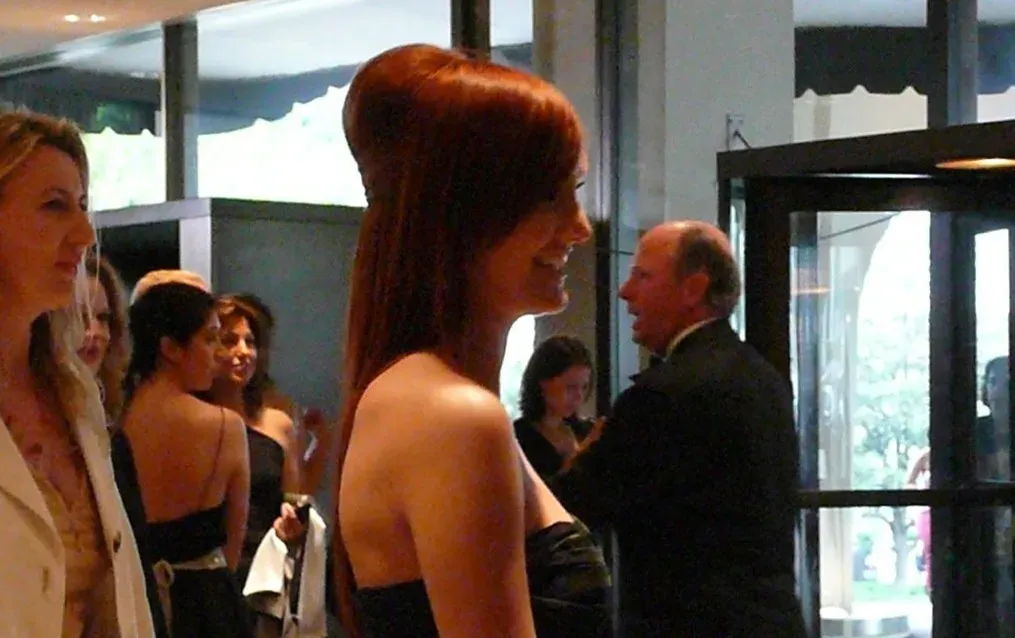
A lip-syncing scandal hit the October 23, 2004 episode of Saturday Night Live when pop singer Ashlee Simpson was caught using backing vocal tracks instead of singing live. The plan worked fine during the first song Simpson performed, “Pieces of Me.” When she returned to perform a second song entitled “Autobiography,” her drummer reportedly pressed the wrong button, causing the vocals for “Pieces of Me” to play again. She looked around in confusion, briefly danced a jig, then dejectedly walked off stage, while her now-abandoned musicians continued to play for another 30 seconds before the broadcast cut to commercial.
Simpson later explained that she had lost her voice prior to the show due to a battle with severe acid reflux, and had been pressured by her record label to lip-sync while previously recorded tapes of her singing were played along with her band’s live instruments. More than 20 years later, Simpson confirmed that when she hinted at being “publicly humiliated, called a fraud, a fake” in her career, she was talking about her infamous 2004 episode of the NBC sketch comedy show. She also became the first guest to walk off the show while it was live on the air.
4. Britney Spears: Lip-Syncing Someone Else’s Voice Entirely

Britney Spears was scrutinized for years about whether she sings live or lip-syncs during a performance. There were quite a few times where she was caught singing over a track, or not singing at all. While most fans had long accepted that a healthy percentage of Britney’s live performances would essentially be dance-only, in a 2014 performance at her Planet Hollywood residency, she fake-belted her way along to a backing track of her single “Perfume” that many speculated was actually delivered by Sia, a co-writer whose backing vocals appear on the song.
The 2007 MTV Video Music Awards were supposed to be Britney’s big comeback after taking a hiatus to have kids and marry Kevin Federline. Instead, her listless performance of “Gimme More,” with the singer unable to both dance and lip-sync along with her new single, was universally panned. Her uncomfortable performance included not just lip-syncing the song, but also a laugh that’s featured in the track, and the intro line, “It’s Britney, bitch.” Lip-syncing a pre-recorded laugh is a detail that still gets brought up whenever the clip resurfaces.
Partner offer
5. Mariah Carey: The New Year’s Eve Disaster Seen by Millions
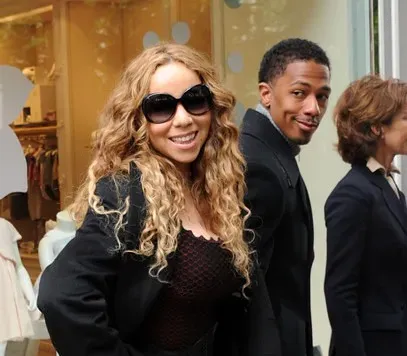
Mariah Carey’s lip-syncing incident on New Year’s Eve 2016 became impossible to miss. She was set to perform on Dick Clark’s Rockin’ New Year’s Eve with Ryan Seacrest when everything that could go wrong, did go wrong. When the song went to start, the vocal track went haywire and it completely derailed the performance, as she never matched up with the track.
The classic train wreck included something for everyone: singing to backing vocals, not singing to backing vocals, dancing as backing vocals played, and confused backup dancers performing to prerecorded music while their star stood there giving audiences a play-by-play of what she was messing up. She blamed a lack of soundcheck, called out to seemingly non-existent audio engineers that her monitors didn’t work, called herself a “good sport,” but ultimately walked off when “We Belong Together” fell completely apart. The clip spread globally within hours, watched by tens of millions of people who had tuned in expecting a polished headline performance.
6. Joyce Hatto: The Classical Pianist Who Stole Dozens of Recordings

Joyce Hatto was a mediocre pianist who released dozens of recordings to little acclaim during the 1980s and early 1990s before experimenting with her first fraudulent recording in 1993. She and her husband began to steal from other pianists on a regular basis, careful to only use the works of great but obscure musicians that they could pass off as her own. Until Hatto’s death at age 75 in 2006, almost everyone in the classical music world believed she was one of the greats.
The technological innovation that allowed the couple to manipulate recordings and thereby more successfully cover their tracks would eventually also lead to their downfall. When certain recordings of Hatto’s pieces were uploaded to iTunes, they were matched up with other lesser-known pianists whose work was also hosted on the service. This, along with the discovery of an almost completely fabricated recording career that included a fake orchestra and conductor, revealed the truth. After her death, Hatto had been celebrated as a rediscovered genius, but analysts found her recordings matched other pianists down to the digital fingerprints, and her husband admitted altering and releasing stolen performances.
7. Black Box: The Model on Camera, the Singer Left Out of Frame

Around the same time as the Milli Vanilli revelation, dance-pop groups Black Box and C+C Music Factory were caught doing almost exactly the same thing. Black Box scored a massive global hit in 1989 with “Ride on Time,” and the face of the group was model Katrin Quinol, who appeared in all the music videos and promotional material. The actual singing was done by Martha Wash, who had no visible presence in the campaign at all, mirroring almost exactly what happened with C+C Music Factory around the same period.
Wash never appeared in any of the music videos for the songs she sang with a number of other groups, including Black Box and Seduction, and was even replaced onstage. The pattern made it clear this was not a one-off mishap but a recurring industry practice: find a singer with the voice, find someone else with the look, and simply never acknowledge the arrangement publicly. The public outcry that followed eventually led to the introduction of laws that ended the practice of using uncredited singers and prerecorded material onstage without public notification.
8. Beyoncé: The Presidential Inauguration That Sparked a National Debate
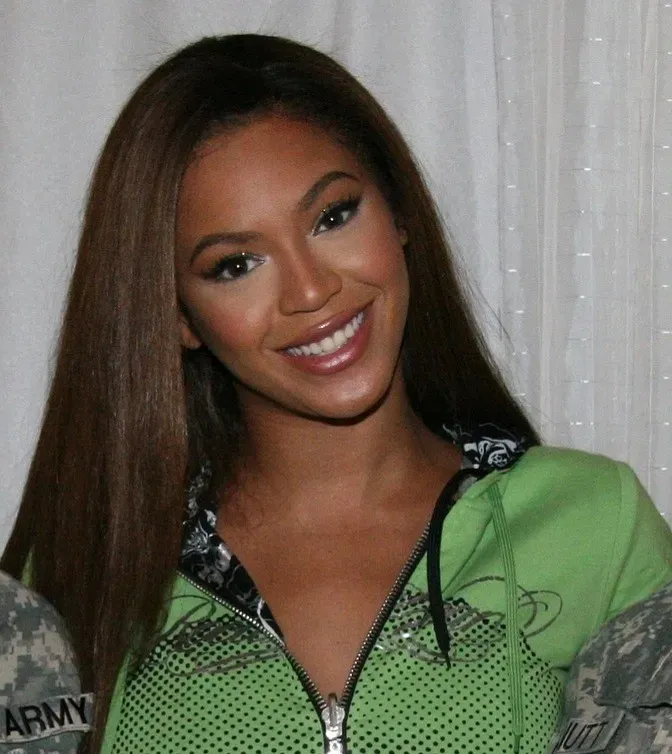
A minor scandal erupted in early 2013 over allegations that Beyoncé had lip-synced the national anthem during former President Barack Obama’s second inauguration. For her performance, Beyoncé sang while the United States Marine Band played behind her, and most observers agreed it sounded fantastic. Almost as soon as she was finished, however, questions started to emerge about the performance’s authenticity. Multiple news outlets openly wondered whether she was actually singing live or miming to a track, and the Marines seemed to confirm as much the next day through a spokesperson.
When Beyoncé finally commented on the allegations a few days later, she confirmed that they were correct and that she had been lip-syncing during the performance. She later admitted she used a prerecorded track because the frigid Washington D.C. temperatures in January would have affected her performance. Unlike the others on this list, the fallout was minimal: at a press conference leading up to her Super Bowl halftime performance, she treated the press to a jaw-dropping live rendition of the National Anthem, effectively ending the scandal.
What these eight stories share, underneath all the very different circumstances, is a reminder of what audiences actually expect when they pay attention to a performer: reality. Some of these deceptions were engineered by producers and labels with little regard for the artists involved. Others were conscious choices made under pressure. A few were pure industry habit treated as routine until someone got caught. The moment audiences sense the gap between what they’re being sold and what’s actually there, trust evaporates fast, and sometimes it never quite comes back.
Partner offer
Planning a trip to Vegas?
Compare hotel rates and show tickets on VEGAS.com.